
User TestingJacob McDaniel
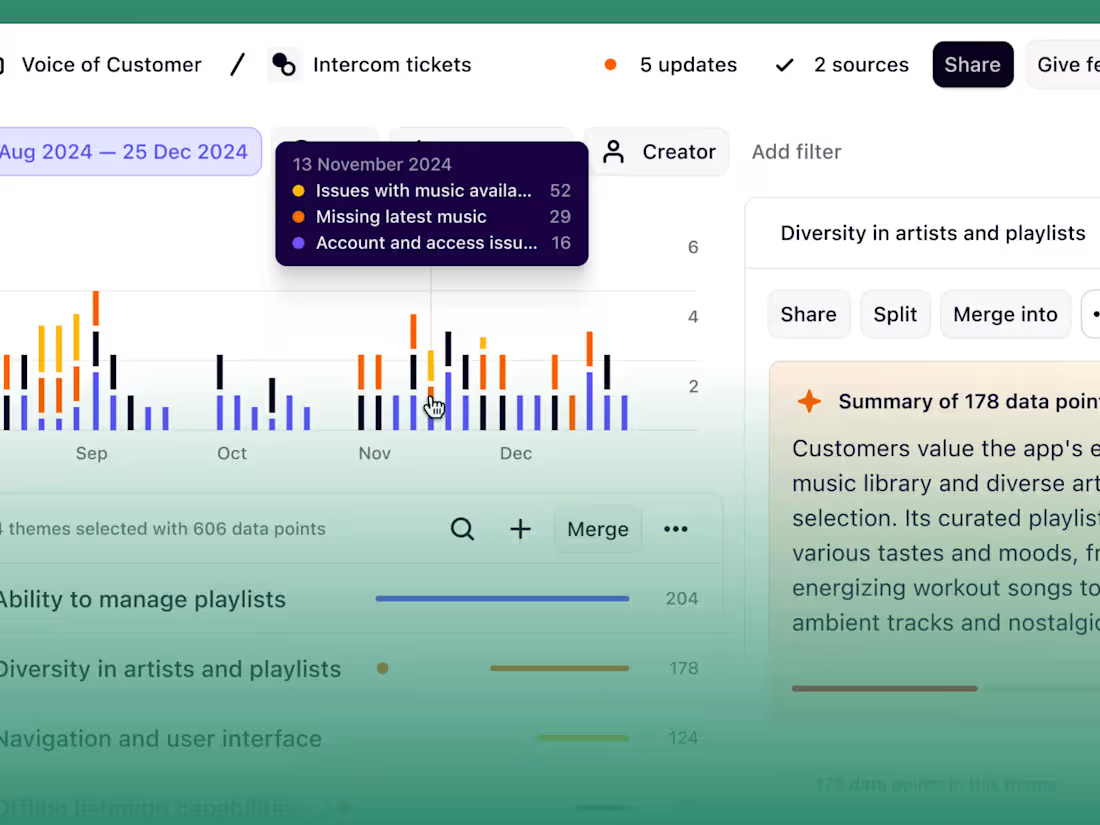
User testing ensures your product resonates with its audience by identifying usability issues and uncovering opportunities for improvement. By gathering direct feedback from real users, this service delivers actionable insights that drive informed design decisions and create intuitive, user-centered experiences.
What's included
Test Planning
Description: Establishing the foundation for a successful testing process.
Test Objectives: Defining what you aim to learn from the testing sessions.
Participant Criteria: Identifying target users based on demographics, behaviors, or personas.
Testing Methodology: Choosing the approach (moderated, unmoderated, remote, or in-person).
Scenario and Task Design: Crafting realistic tasks for users to complete during testing.
Participant Recruitment
Description: Ensuring the right users are involved in the testing process.
Recruitment Strategy: Identifying and sourcing participants aligned with the target audience.
Incentive Management: Organizing and delivering rewards for participants.
Usability Testing Services
Description: Conducting user interactions to observe and gather feedback.
Moderated Testing: Facilitated sessions where users are guided through tasks.
Unmoderated Testing: Self-guided sessions conducted using remote tools.
Think-Aloud Protocol: Encouraging participants to verbalize their thoughts during testing.
Data Collection and Analysis
Description: Capturing and synthesizing feedback into actionable insights.
Session Recordings: Video and audio recordings of user interactions (if permitted).
Observation Notes: Documenting user behavior, pain points, and feedback.
Quantitative Data: Metrics like task success rates, completion times, and error rates.
Qualitative Insights: User opinions, frustrations, and recommendations.
Test Findings Report
Description: Delivering clear, actionable insights from the testing process.
Summary of Findings: High-level overview of key issues and successes.
Usability Issues: Prioritized list of problems with severity ratings.
Opportunities for Improvement: Suggestions for enhancing the user experience.
Supporting Evidence: Screenshots, quotes, and data from testing sessions.
Recommendations and Next Steps
Description: Providing a roadmap for implementing improvements.
Actionable Recommendations: Specific changes to address usability issues.
Design Iteration Guidance: Suggestions for refining features based on user feedback.
Future Testing Plan: Recommendations for ongoing user testing cycles.
Additional Options
Post-Test Consultation and Testing Tool Setup

Contact for pricing
Tags
FigJam

Figma
Mural

User Researcher
UX Designer
Service provided by
Jacob McDaniel Austin, USA
User TestingJacob McDaniel
User testing ensures your product resonates with its audience by identifying usability issues and uncovering opportunities for improvement. By gathering direct feedback from real users, this service delivers actionable insights that drive informed design decisions and create intuitive, user-centered experiences.
What's included
Test Planning
Description: Establishing the foundation for a successful testing process.
Test Objectives: Defining what you aim to learn from the testing sessions.
Participant Criteria: Identifying target users based on demographics, behaviors, or personas.
Testing Methodology: Choosing the approach (moderated, unmoderated, remote, or in-person).
Scenario and Task Design: Crafting realistic tasks for users to complete during testing.
Participant Recruitment
Description: Ensuring the right users are involved in the testing process.
Recruitment Strategy: Identifying and sourcing participants aligned with the target audience.
Incentive Management: Organizing and delivering rewards for participants.
Usability Testing Services
Description: Conducting user interactions to observe and gather feedback.
Moderated Testing: Facilitated sessions where users are guided through tasks.
Unmoderated Testing: Self-guided sessions conducted using remote tools.
Think-Aloud Protocol: Encouraging participants to verbalize their thoughts during testing.
Data Collection and Analysis
Description: Capturing and synthesizing feedback into actionable insights.
Session Recordings: Video and audio recordings of user interactions (if permitted).
Observation Notes: Documenting user behavior, pain points, and feedback.
Quantitative Data: Metrics like task success rates, completion times, and error rates.
Qualitative Insights: User opinions, frustrations, and recommendations.
Test Findings Report
Description: Delivering clear, actionable insights from the testing process.
Summary of Findings: High-level overview of key issues and successes.
Usability Issues: Prioritized list of problems with severity ratings.
Opportunities for Improvement: Suggestions for enhancing the user experience.
Supporting Evidence: Screenshots, quotes, and data from testing sessions.
Recommendations and Next Steps
Description: Providing a roadmap for implementing improvements.
Actionable Recommendations: Specific changes to address usability issues.
Design Iteration Guidance: Suggestions for refining features based on user feedback.
Future Testing Plan: Recommendations for ongoing user testing cycles.
Additional Options
Post-Test Consultation and Testing Tool Setup
Contact for pricing