
Ruth Mwaura
SEO writer: research, articles & content that ranks.
New to Contra
Ruth is ready for their next project!

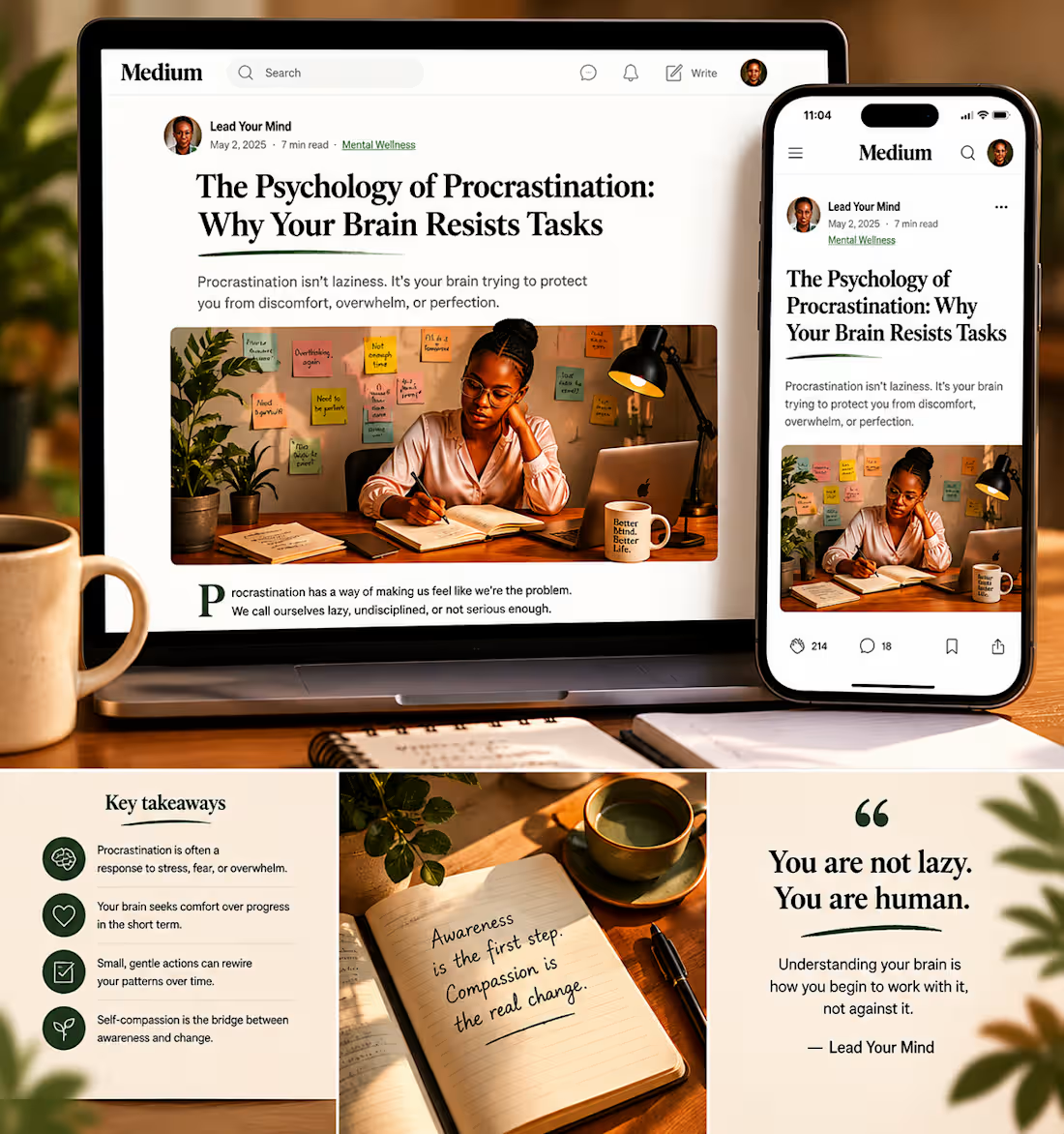
Reflective Evaluation of SEO Skills that fueled this piece:
Writing this piece was as much a strategy exercise as it was a creative one. I chose the topic deliberately, given that procrastination is one of those subjects people actively search for answers on. So I knew there was real organic potential if I approached it right.
I built the title around the keyword "psychology of procrastination" while making sure it still sounded like something a real person would click on. From there, every heading was written with both the reader and search intent in mind. Phrases like "types of procrastinators" and "science-backed ways to stop procrastinating" weren't accidental. They reflect what people are actually typing into Google.
I structured the piece to serve two kinds of readers: those who want to understand the why, and those who just want practical solutions. That dual intent approach keeps readers on the page longer, which signals quality to search engines.
I also leaned into credibility by referencing real researchers like Professor Fuschia Sirois and clinical psychologist Charlie Heriot-Maitland. In a wellness niche flooded with generic advice, citing actual science builds the kind of trust that keeps readers coming back.
Tagging matters. Therefore, I selected high-traffic tags: Procrastination, Brain Science, Productivity Tips, Emotional Regulation, and Behavioral Psychology, to maximize the article's reach within the platform's own discovery algorithm.
The result was a piece that reads like a genuine conversation while quietly doing all the SEO heavy lifting in the background.
1
46
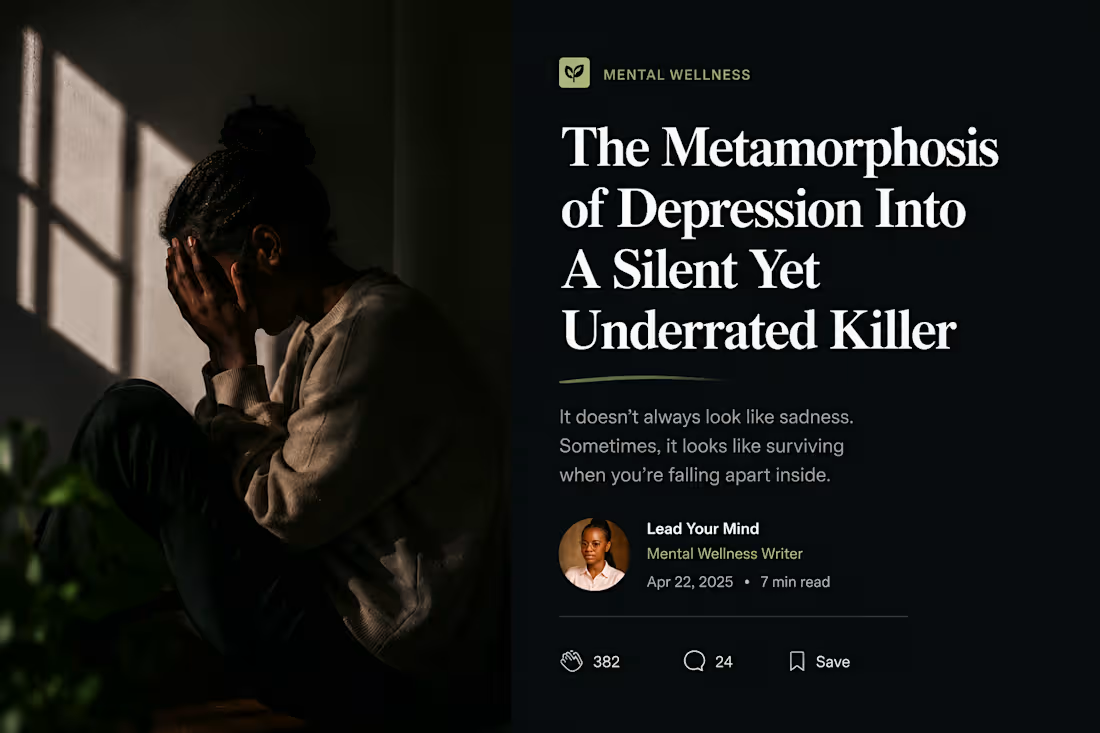
This article explores depression beyond the stereotypes often attached to it, not just as visible sadness, but as a quiet, internal struggle many people carry unnoticed. Through reflective and emotionally grounded writing, I examined how depression can slowly reshape a person’s thoughts, energy, identity, and everyday life while remaining invisible to the outside world.
The piece was written to create empathy, awareness, and emotional connection rather than simply present information.
0
27

Explores how childhood experiences quietly shape the way we think, love, react, trust, and see ourselves as adults. Through reflective storytelling and emotionally grounded writing, I examined the lingering emotional patterns we carry from our early years, even long after childhood has passed.
The piece blends personal insight with themes of healing, self-awareness, emotional growth, and inner reflection. My goal was to create writing that feels intimate, honest, and comforting while encouraging readers to better understand the roots of their emotions and behaviors.
0
31

A reflective piece about self-worth, hidden potential, and the parts of ourselves we often overlook or criticize. Through poetic storytelling and emotional insight, I explored the idea that even in seasons of struggle, every person carries something valuable, beautiful, and deeply human within them.
The article blends personal-growth themes with a calm, reflective writing style designed to encourage readers to see themselves with more compassion and perspective.
0
31