Avoid Costly Car Maintenance Mistakes

Neha Garai



Ever had that sinking feeling? You know, when your car suddenly needs a major repair and your bank account starts crying? Yeah, we've all been there. But guess what? A lot of those "surprise" costs aren't even surprises at all. They're often the result of simple car maintenance mistakes – things we all do (or don't do!) that end up costing us way more in the long run. This isn't some boring textbook, we are going to start this article by addressing 10 of the most common car maintenance errors that slowly drain your wallet and the way to avoid them. This is an interesting guide for car lovers as well as those other people who need to keep their vehicles in good shape (affordably). Ready to save some serious cash? Let's go!
1. The Oil Change – Don't Skip It!
Engine oil is the essential lifeblood of your car. It regulates everything, reduces friction, and keeps it fresh under the hood. Similar to your own doctor's visits, it's only a matter of time until you will have to pay up. Through the preparation of contaminated oil, the main engine is covered in oil which is the reason for a doubled amount of engine wear and decreased engine performance, and, in the worst case, a very high-priced engine build or total exchange!
Solution: Check your owner's manual – it's your car's handbook! Follow the recommended oil change intervals. Use the right type of oil (again, check that manual!). And keep records of your oil changes – it's a small thing that makes a big difference.
2. Tire Pressure and Alignment – The Dynamic Duo:
Tire pressure and alignment are the two main car components, which are as important as superhero partners in the case of simultaneous working and providing a smooth drive. They play an important role in safety, fuel efficiency (anyone here does not want to waste their money on gas?), and letting your tires perform more miles. Low air pressure in your tires? Poor driving, increased fuel consumption, and tires just finished faster. Improper alignment? The wear, the handling of the car, and the safety of the car are all involved in a dangerous situation. This is exactly what you don't want
Solution: You should go and take a tire pressure gauge and measure your tires regularly (at least once a month). The air pressure used should be the one stated in a sticker on the driver's side door or in the owner's manual. Another important thing is to have the alignment checked once in a while, especially when you observe that your tires are wearing unevenly or your car tends to pull to one side.
3. Brakes – Your Car's Best Friend (and Yours Too!):
A car's most crucial safety feature is its brakes. Ignoring brake checks is like bringing danger to your safety. Worn brake pads, rotors, and calipers can seriously sabotage your car's braking power.
Solution: When you hear any strange noises or feel anything unusual, then it’s a must to have your brakes inspected by a mechanic at least once a year, or even more often. Don't wait until it's an emergency – be proactive!
4. Fluids – The Secret Sauce:
Your car not only needs gasoline but also coolant, brake fluid, transmission, power steering, etc., as well. Neglecting tire fluids is like if you were to neglect your body’s routines – you will eventually feel the consequences.
Solution: Monitor your car’s fluid levels regularly and refill them when necessary. Let the fluids be flushed and replaced in line with the manufacturer's instructions. Give your car a rejuvenating spa day.
5. Warning Lights – Must not avoid :
All of those little lights on your dashboard aren't ornaments. They are your car saying something's wrong. Disregarding them is the same as disregarding your body when it is trying to speak to you. Be it the check engine light, oil pressure light, or tire pressure light, they are warning of a possible problem.
Solution: Don't neglect those lights! Consult your owner’s manual to understand what each light is indicating. If you're unsure, then get your car inspected by a mechanic immediately. Fixing this problem before it becomes a major issue can save you a lot of money and headaches.
6. The Right Stuff – Fluids and Parts:
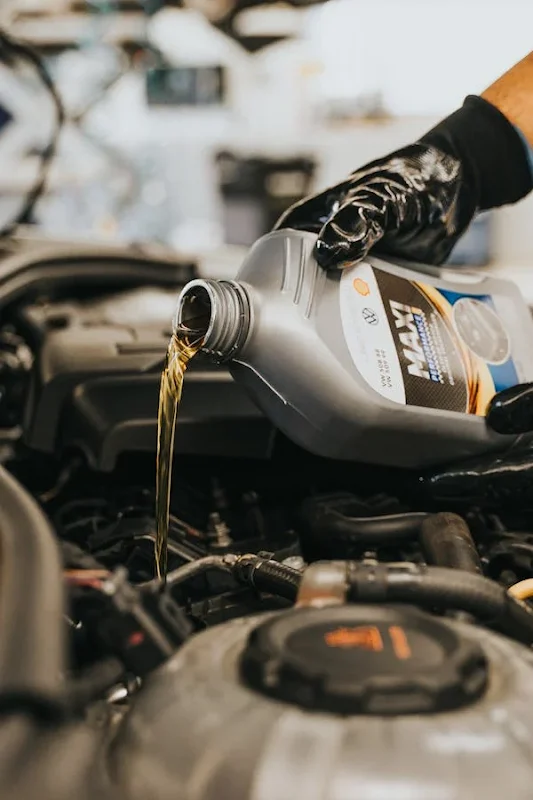
Using the wrong kind of oil, coolant, and other fluids can cause serious damage to your car's delicate internal parts. The same happens for using cheap, low-quality parts. It's like using cheap, poor-quality ingredients for an upscale recipe – it won’t turn out well.
Solution: Always make sure to check your owner's manual for the right fluids and good components for your vehicle. Don't cut corners on quality – it's an investment in the long run.
7. Air Filters – Let Your Car Breathe:
Your vehicle has two primary air filters( the engine air filter and the cabin air filter). A clogged engine air filter can disturb the airflow to the engine and cause less power and poorer gas mileage. It also reduces the fuel efficiency and engine performance, along with your vehicle's heating and cooling system.
Solution: Change your engine and cabin air filters regularly as suggested by your manufacturer.
8. Leaks – Small Drips, Big Problems:
Small leakages are the beginning of a much bigger problem. Ignoring an oil leak, a coolant leak, or a brake fluid leak can cause major damage and huge repair bills.
Solution: Always keep an eye out for leaks under your car. If you see anything suspicious, get your car checked by a mechanic right away.
9. Car Wash – Be Careful!:
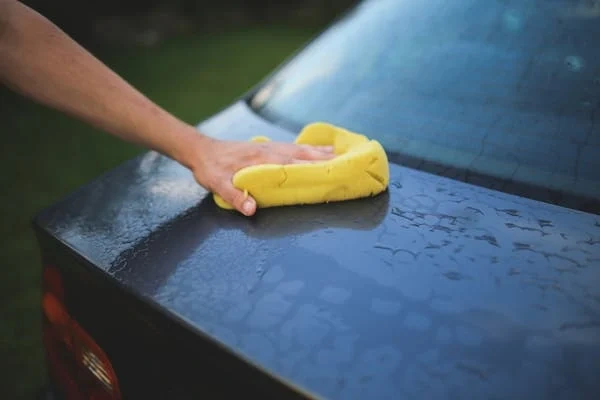
Washing your car the wrong way can significantly damage the paint. The usage of harsh chemicals, abrasive sponges, and neglect to wax are all paint's worst enemies.
Solution: Only use gentle car wash soap and a soft sponge or microfiber cloth. Wash your car properly and dry it off with a clean towel. Wax your car regularly so that the paint can stay shiny and protected.
10. Scheduled Maintenance – Stick to the Plan:
The car’s maintenance schedule is like a personalized roadmap for keeping it in great shape. Ignoring it is like driving without a map – you might get lost (and be left with a broken-down car).
Solution: You should follow your vehicle's maintenance schedule as you would a treasure map. Include regular oil changes, tire rotations, brake checks, and many other primary services. This is the finest way to ensure that you do not have to face an unexpected breakdown and keep your car in great shape for many years.
(FAQs)
Q1: How often an oil change should be required?
It usually depends on the type and the model of your car, the quality of the oil, and driving conditions. Get the user manual to understand the prescribed intervals of oil change for your vehicle. Usually, the first is when you are using traditional oil, and you have driven the car from over 3,000 miles to 7,500 miles, while synthetic oil is changed between 5,000 and 10,000 miles.
Q2: What will I do to know my car needs wheel alignment?
You are welcome to ask us about it! If several discernible signs are there, it means that your wheels have been subjected to misalignment. For instance, when the tire is wearing out unevenly, the car in question is totally going left or right, and you also notice that the steering wheel is not in line with the direction of the road when you are driving straight, then that is your clue. If so, then you must have it checked for alignment.
Q3: Can I check my car’s fluid myself?
Of course! Checking your car fluids is a very simple task that any person can do. The user's manual gives the different fluid positions (coolant, brake fluid, power steering fluid, etc.) and tells the procedure for measuring the levels of these items. See to it that the engine is cool when you are handling it so that you may prevent any injury to yourself.
Like this project
Posted Jun 18, 2025
Wrote an article on common car maintenance mistakes and solutions.
Likes
0
Views
1