MATCHA MADNESS: WHY THIS GREEN POWDER IS WORTH THE HYPE

Rose Maina


Fork& Munch Mock Blog Sample
Disclaimer; This is not published writing, nor did Fork & Munch arrange for this writing. This is just a mock writing sample to demonstrate my writing skills and experience.
MATCHA MADNESS; Why this green powder is worth the hype.
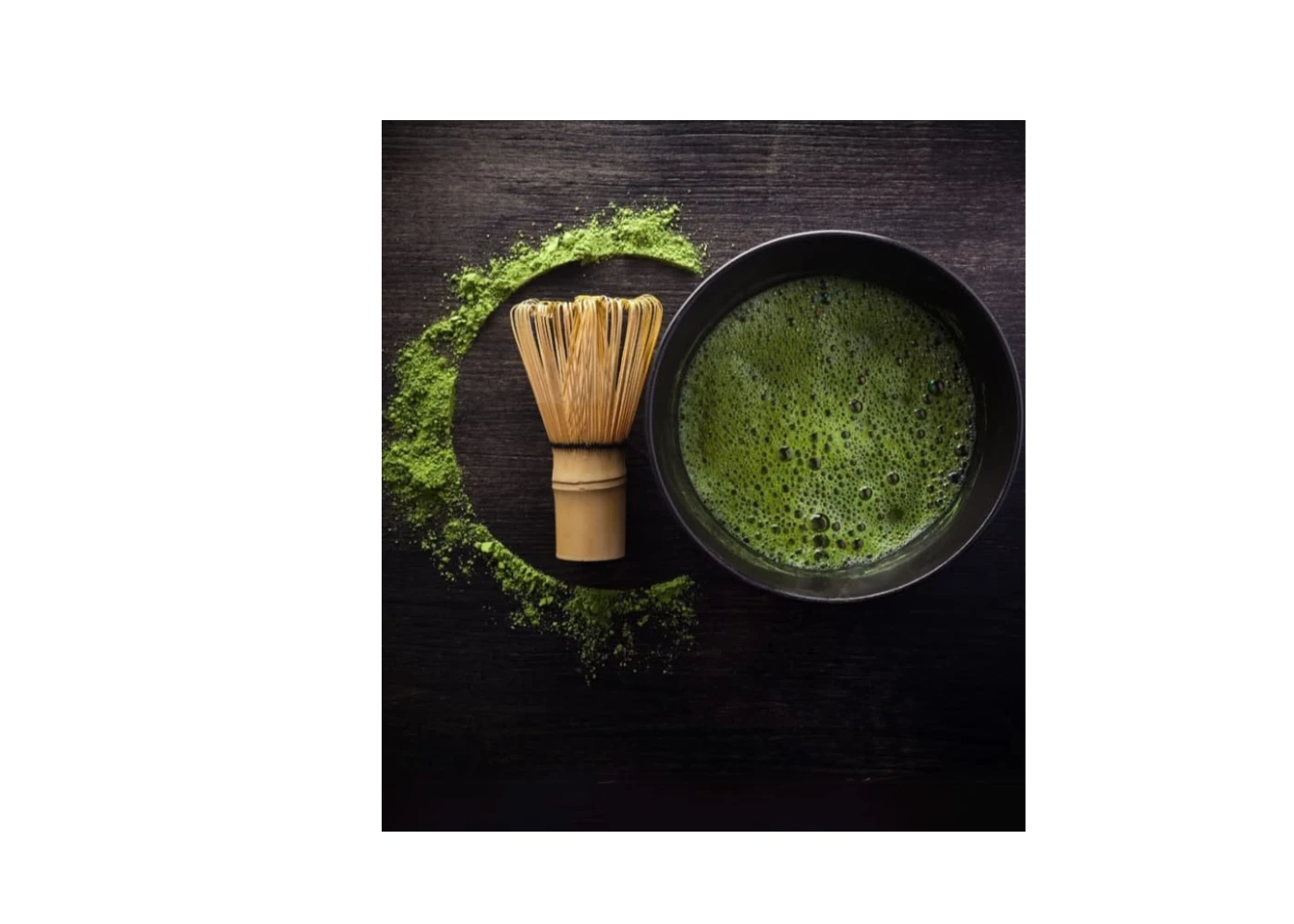
So ........what is the green stuff anyway.
You’ve seen everyone sipping on it and you want to know, what is it? Traditionally served in Japan at tea ceremonies, matcha is finely ground green tea leaves powder. Although from the same plant as green tea, matcha is grown differently from green tea. This gives matcha a richer bolder flavour containing all the good benefits your body will love.
Matcha Vs Green Tea
You might be mistaken to think that matcha is just ground tea leaves which it is not. Green tea is grown differently and is typically steeped leaves with a light grassy flavour. Matcha however, is a finely ground powder that has a bold earthy flavour with higher caffeine levels than green tea. It also contains higher levels of antioxidants
Health Benefits of matcha.
Your cuppa of matcha is not just a fun pretty drink, it packs a healthy punch. Here are some of the amazing health benefits you get from matcha:
. High in antioxidants – matcha is loaded with EGCC antioxidants that helps your body fight free radicals.
. Support heart health – drinking matcha is great for your cardiovascular health. It can help lower bad cholesterol and aid in lowering blood pressure.
. Metabolism support- drinking matcha regularly may help boost your metabolism and burn fat more efficiently.
. Energy Boost – due to the magical combo of caffeine and the compound L-Theanine, matcha gives you a steady energy boost that does not rash unlike coffee.
. Brain function support- matcha improves focus, memory and alertness
How to prepare matcha.
You can make traditional matcha tea by sifting 1–2 teaspoons (2–4 grams) of matcha powder into your cup, adding 2 ounces (59 ml) of hot water, and mixing it together with a bamboo whisk. You can also adjust the ratio of matcha powder to water based on your preferred consistency. For a thinner tea, reduce the powder to a half teaspoon (1 g) and mix with 3–4 ounces (89 118 ml) of hot water. For a more concentrated version, combine 2 teaspoons (4 g) of powder with just 1 ounce (30 ml) of water.
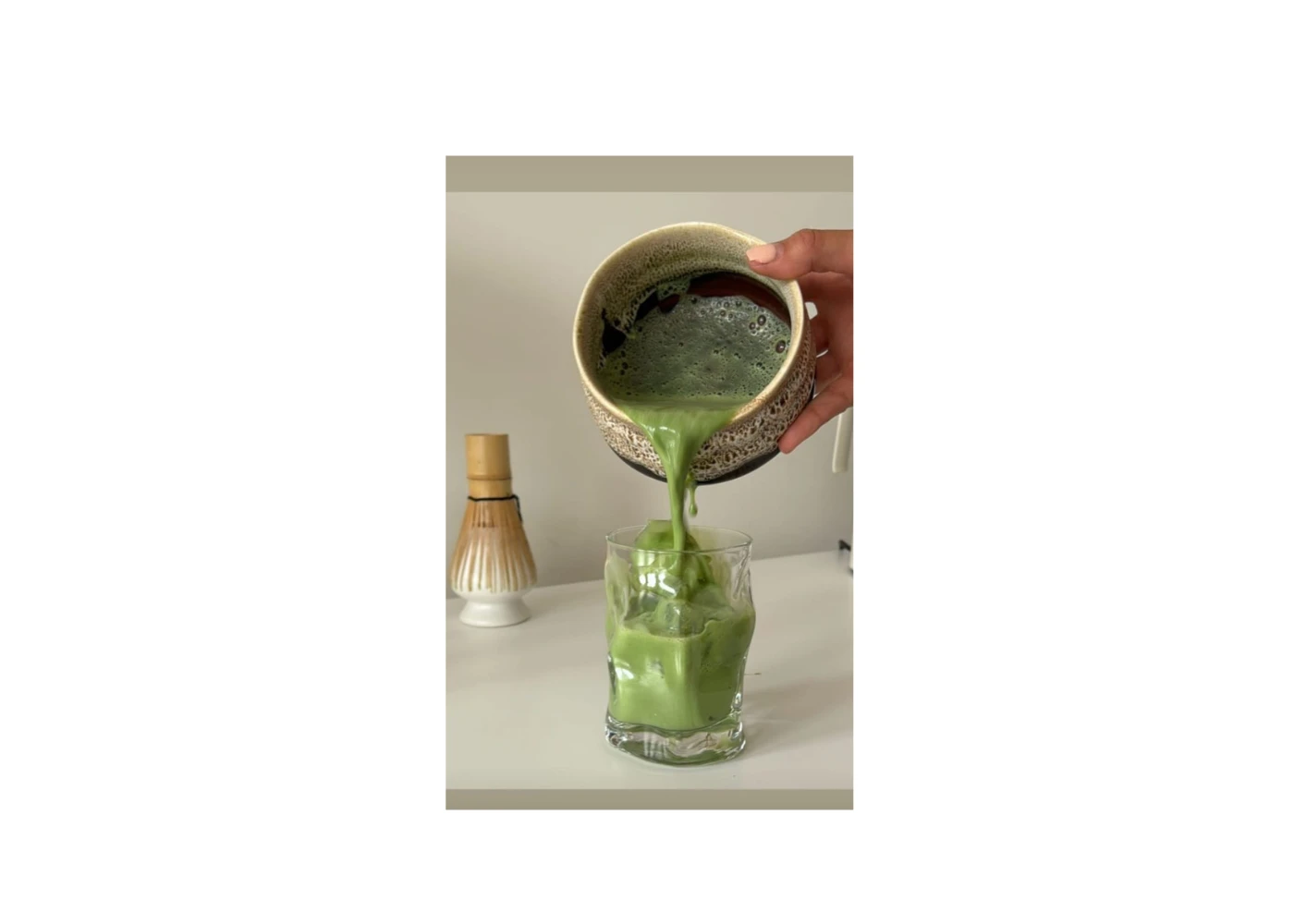
(Matcha drink poured over ice)
Other fun ways to prepare matcha.
Matcha is a foodie’s dream in all the creative ways you can use it. Try it in;
. Matcha white chocolate cookies
. Matcha ice cream
. Matcha smoothies
. Matcha cupcakes
. Matcha overnight oats
. Matcha lattes
Bonus, you can add a pinch of matcha in your pancake batter for a fun green breakfast that kids will enjoy!
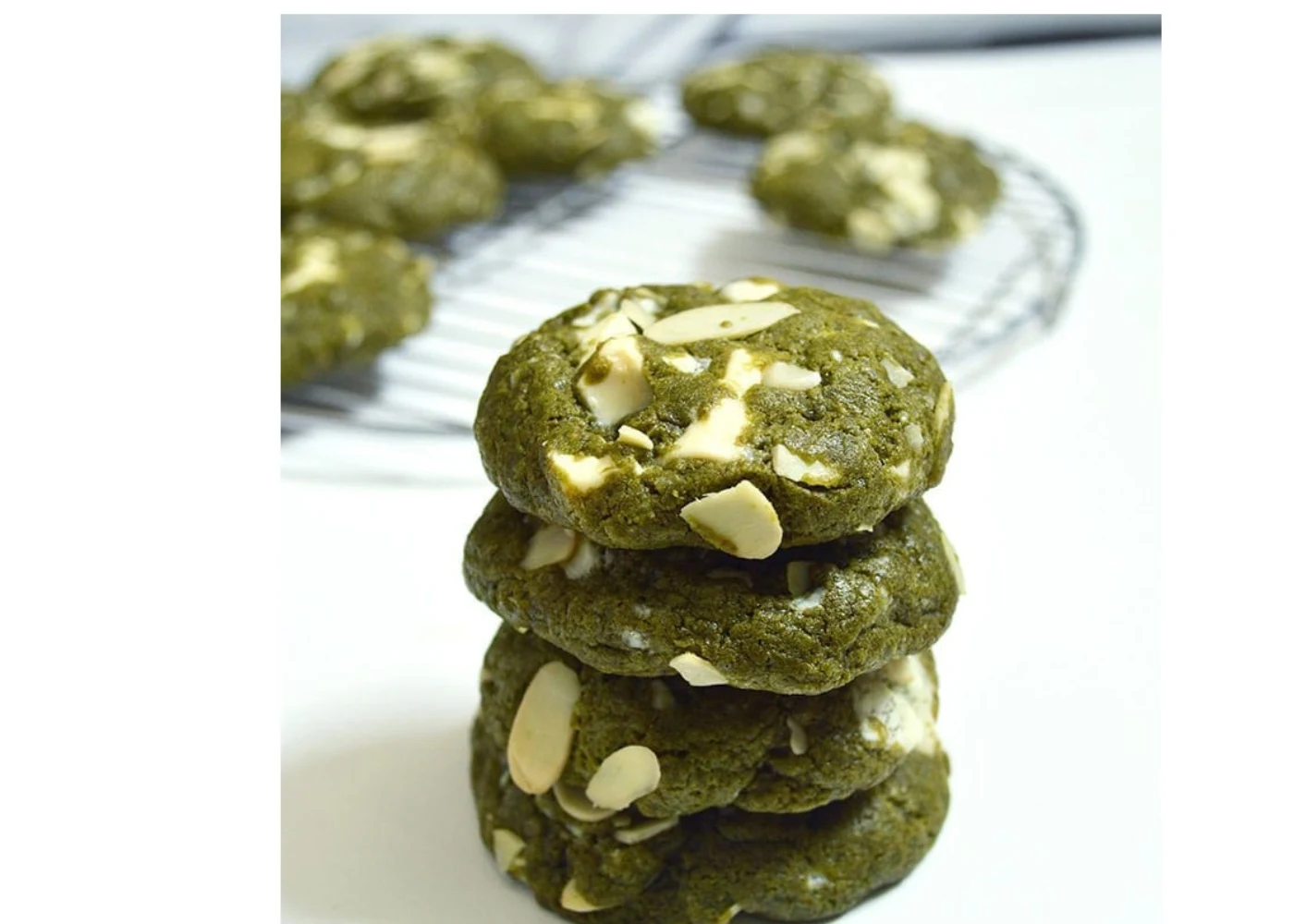
(White Chocolate Matcha Cookies with almonds)
FAQs about matcha.
Q. Can children take matcha? – Yes. However, it is advised for older children to consume matcha in moderation due to its high cafffeine content. Consumption is not encouraged for younger children.
Q. Can I drink matcha daily? – Yes. Though it is best to consume matcha in moderation, for instance, 1–2 cups of tea per day or up to 2 teaspoons of matcha is generally safe for most adults.
Q. Is matcha bitter? – No. Matcha taste has a rich earthy flavour with a subtle umami flavour. To round out the taste, honey or vanilla is typically added.
Q. Does matcha stain teeth? – Nope! Matcha unlike coffee does not stain teeth.
In summary.
Matcha comes from the same plant as green tea, but it contains more concentrated levels of antioxidants and other plant compounds. It may have a variety of health benefits, ranging from enhancing weight management to decreasing the risk of heart disease. It is also simple to prepare as a tea and suitable for adding to shakes, desserts, lattes, and other foods and drinks.
So go ahead and fall for the hype, it’s totally worth it!
Like this project
Posted Jun 26, 2025
Food blog Sample