Powering $2M+ TVL: Real-Time NFT20 Protocol Data with Subgraph

Hritwik Tripathi


💼 Case Study: Building a Subgraph for NFT20 Protocol
📊 Overview
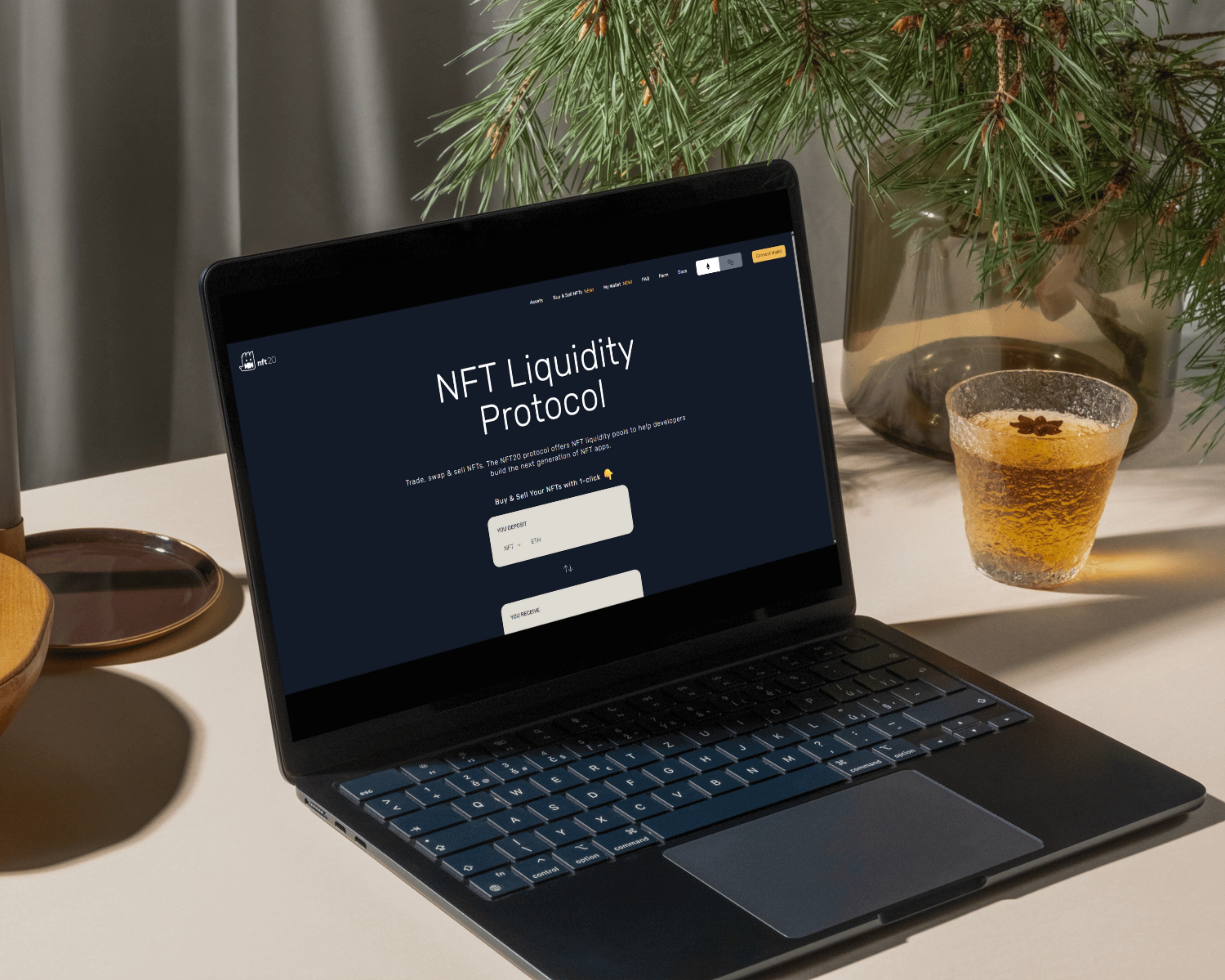
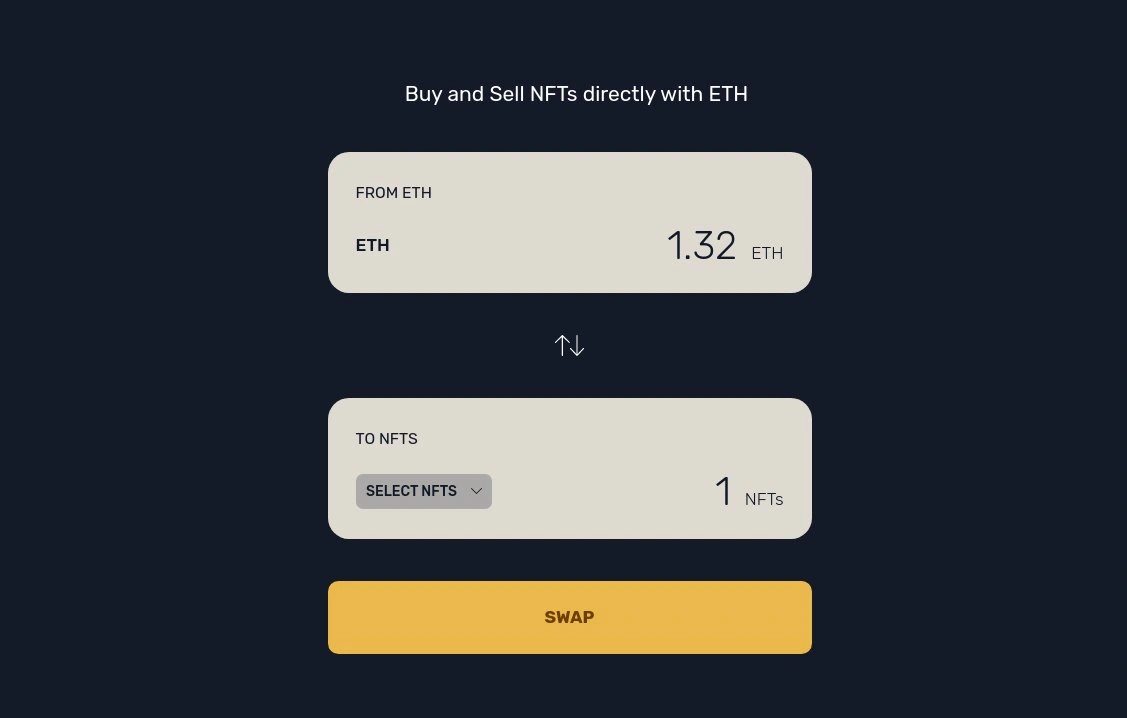
NFT20 is a leading NFT liquidity protocol that enables users to trade, swap, and sell NFTs via pooled liquidity. At its peak, NFT20 managed over $2 million in TVL, making it a high-value, high-impact protocol in the NFT ecosystem.
However, accessing detailed transactional and liquidity data from NFT20 smart contracts was challenging for developers and analytics platforms. There was no unified API or subgraph, leaving NFT20’s backend data largely inaccessible for building NFT-focused applications.
We built a custom Subgraph that unlocked this data, providing real-time access to trades, swaps, liquidity pools, and NFT holdings. This made NFT20’s on-chain activity fully queryable for developers, dashboards, and analytics tools.
🧩 The Problem
Before the Subgraph:
Developers had to manually interact with NFT20 smart contracts to extract data.
Analytical dashboards were limited or incomplete due to fragmented data.
NFT liquidity pools and trade histories were hard to track, limiting integration opportunities for new NFT apps.
Without a structured data layer, NFT20 was under-leveraged, and developers faced high friction in building the next generation of NFT applications on top of the protocol.
🛠️ The Solution
We created a Subgraph for NFT20, leveraging The Graph protocol to index all relevant events and state changes from NFT20 smart contracts.
Key features of the Subgraph:
Full transaction indexing for NFT swaps, trades, and liquidity operations.
Real-time updates on NFT liquidity pools, enabling dynamic dashboards.
Easy developer access: GraphQL queries provide structured, normalized data with minimal setup.
Support for analytics and third-party apps, helping NFT20 expand its ecosystem.
The Subgraph now allows anyone to:
Track NFT trades and swaps across liquidity pools.
Query user holdings and pool balances programmatically.
Build NFT marketplaces, dashboards, and DeFi apps leveraging NFT20 liquidity.
💥 Business Impact
Enhanced developer adoption: Removing backend data barriers made NFT20 more accessible to builders.
Increased TVL engagement: Transparent liquidity and trade data helped attract liquidity providers.
Ecosystem growth: Enabled dashboards, analytics tools, and NFT marketplaces to integrate seamlessly.
Strategic leverage: NFT20 became easier to integrate into third-party NFT apps, opening new revenue streams and partnerships.
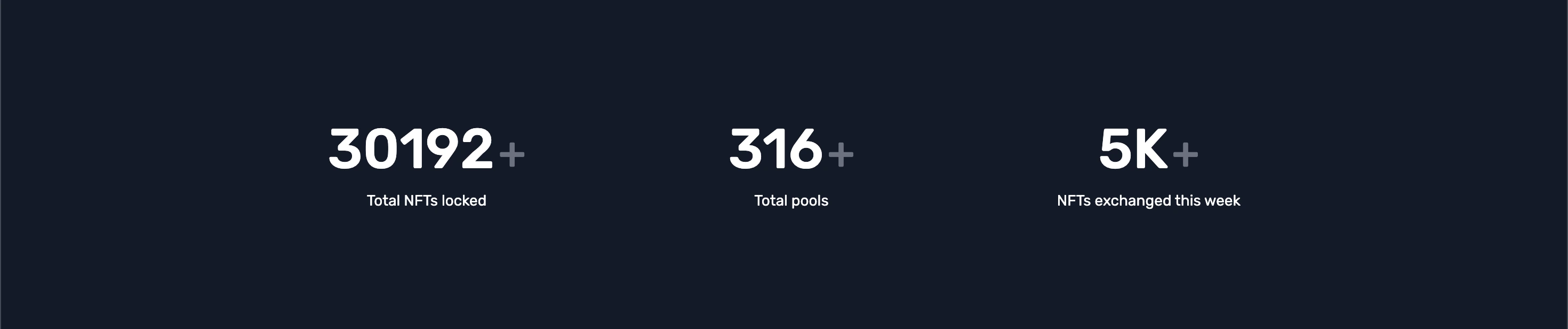
At its peak, NFT20 had over $2 million in TVL, and the Subgraph ensured that this capital could be fully leveraged by developers for innovation.
🚀 Outcome
Protocol: NFT20 (NFT Liquidity Pools)
Category: NFT Marketplace
Solution Delivered: Subgraph for real-time backend data indexing
Result:
Full access to NFT20 trades, liquidity, and swaps.
Empowered developers to build on top of NFT20 easily.
Strengthened ecosystem adoption and usability.
💬 Key Takeaways
Data accessibility drives adoption: Protocols with transparent, queryable data attract developers and liquidity providers.
Subgraphs reduce friction: Building a structured data layer transforms complex on-chain activity into usable insights.
Ecosystem impact scales with TVL: High-value protocols benefit disproportionately from better tooling and analytics.
🏁 Summary
I built a Subgraph for the NFT20 protocol, which at its peak had over $2 million in TVL. The Subgraph indexes all NFT20 smart contract events, making trades, swaps, and liquidity pool data easily accessible via GraphQL. This enables developers to build NFT apps, dashboards, and analytics tools without manually querying smart contracts, improving adoption and ecosystem growth for NFT20.
Like this project
Posted Oct 24, 2025
Built a subgraph backend for NFT20, delivering live NFT trade and liquidity data as the protocol scaled past $2 million TVL.