Enhancing SEO/AEO Through Citation Strategies

Yasir Agha


I have been working in SEO for the past three years with hands-on experience in SEO, AEO, GEO, and WordPress. I am also the publisher of paklivings.pk, a leading Pakistani general blog. During this time, I have built and managed multiple information based websites across different niches.
This is my first post on Substack, and I want to share practical insights from real testing. No theory. No surface level talk. Just what I applied and what actually worked.
Thanks for reading! Subscribe for free to receive new posts and support my work.
Subscribe
Over the last few months, I noticed a clear shift. Traditional SEO is not enough anymore. Rankings alone are not bringing stable traffic. Users are getting answers directly on search pages or inside tools like ChatGPT and Perplexity.
So instead of fighting only for rankings, I started focusing on something else. Citations.
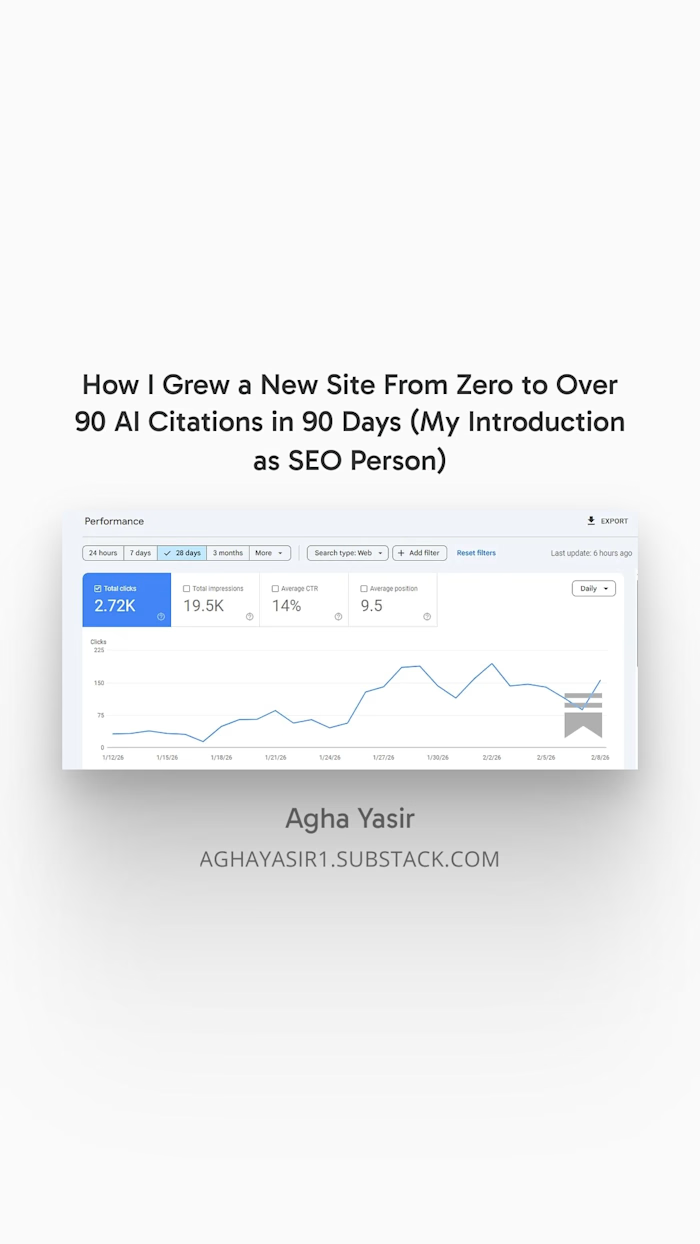
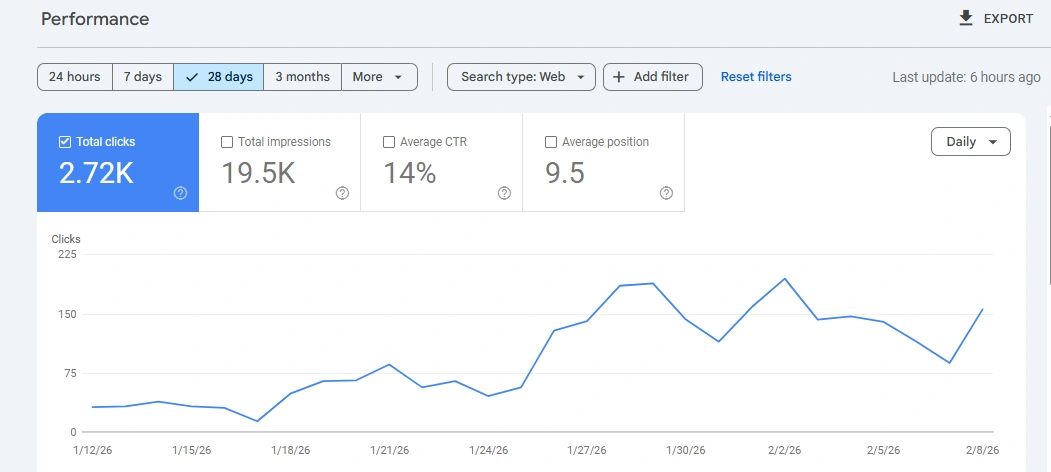
In 90 days, I took a fresh domain with zero authority and grew it to more than 90 citations across answer engines. Here is exactly how.
2. Why Citations Are the New Rankings
Organic search traffic is not converting like it used to. In most of my projects, regular search visitors convert below one percent.
But traffic coming from answer engines behaves differently. When a tool directly mentions your brand as a source, the user already trusts the recommendation. Conversion rates were multiple times higher in comparison.
This means being cited inside answer engines is more valuable than just ranking at the top of search results.
If your brand becomes the direct answer, the user arrives with strong intent.
3. Structure Is More Important Than Length
Most content writers focus on word count. They believe long guides automatically perform better.
From my testing, that is not true for answer engines.
What matters more is structure. Clear sections. Direct answers. Easy to extract information.
I reviewed thousands of cited results and found a pattern. Pages that were cleanly structured and fact driven were chosen more often, even if they were not the strongest domains.
This is good news for small publishers.
4. The Direct Answer Format
One major change helped more than anything else.
For every heading that asks a question, the first sentence under it must directly answer that question.
No storytelling. No long introductions. No unnecessary lines.
If the heading asks what something is, define it clearly in one or two strong sentences. If the heading asks for benefits, state the main benefit immediately with a fact when possible.
Answer engines prefer content where the core information is visible instantly. If the answer is buried inside a long paragraph, chances of being cited drop significantly.
5. Use Tables for Comparisons and Data
Another important discovery was related to formatting.
When I explained differences inside plain paragraphs, those sections were often ignored. When I converted the same information into tables, citation frequency increased.
Comparison tables, pricing tables, feature breakdowns, and structured data sections perform much better.
If you are comparing tools or services, list exact details clearly. Pricing, features, limits, and use cases should be structured and separated logically.
Think of your page as a reference document, not just a blog post.
6. Technical Access for Crawlers
During audits, I noticed many websites were unknowingly blocking important crawlers.
If your robots file blocks answer engine bots, your content will not be seen, no matter how good it is.
Make sure your important content is accessible. If you want visibility, you cannot restrict the systems that deliver that visibility.
Technical basics still matter. Clean indexing, proper internal linking, and accessible pages remain foundational.
7. Freshness and Ongoing Updates
Recency plays a major role.
Pages that were updated regularly had a higher chance of being cited. Simply changing the date is not enough. Real updates must be made.
Adding new statistics, improving sections, refining examples, and keeping cornerstone content updated every few months helped maintain visibility.
Including the current year in titles also supported better performance when the content was genuinely updated.
8. The Reality Most People Avoid
This process is not exciting. It is repetitive and operationally heavy.
I had to revisit old articles, rewrite section introductions, convert text into structured formats, and update key pages consistently.
It feels more like managing structured data than casual blogging.
But the results justify the effort.
Across projects, we saw a strong increase in answer engine traffic compared to competitors who were still focused only on long form ranking strategies.
Last but Practical
Search behavior is changing fast. Users want direct answers. Platforms are evolving to deliver those answers without sending users through multiple links.
Instead of resisting this shift, adapt to it.
Focus on structure. Provide direct answers. Format content clearly. Keep pages updated. Ensure technical accessibility.
The opportunity is still open, especially for smaller publishers. But it will not stay open forever.
This is just the beginning. In future posts, I will share more practical breakdowns from my ongoing experiments.
Thanks for reading! Subscribe for free to receive new posts and support my work.
Subscribe
Like this project
Posted Apr 23, 2026
Increased answer engine visibility by structuring SEO-AEO-GEO for better citation.
Likes
0
Views
4
Timeline
Jul 1, 2023 - Oct 8, 2023