AxoSeek: Governed AI Agent Case Study

ky nash


Engineering a Governed AI Agent with Controlled Autonomy
Project: AxoSeek
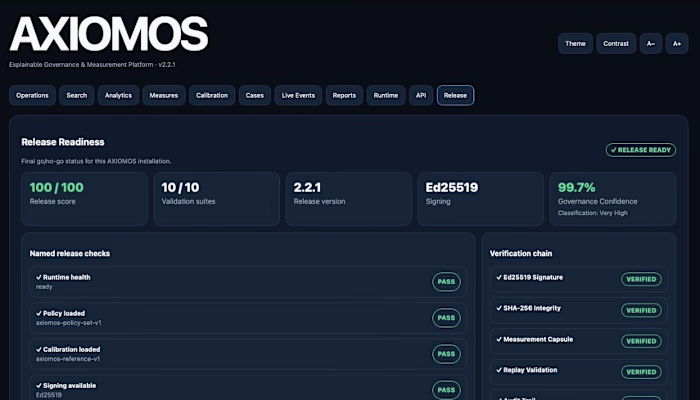
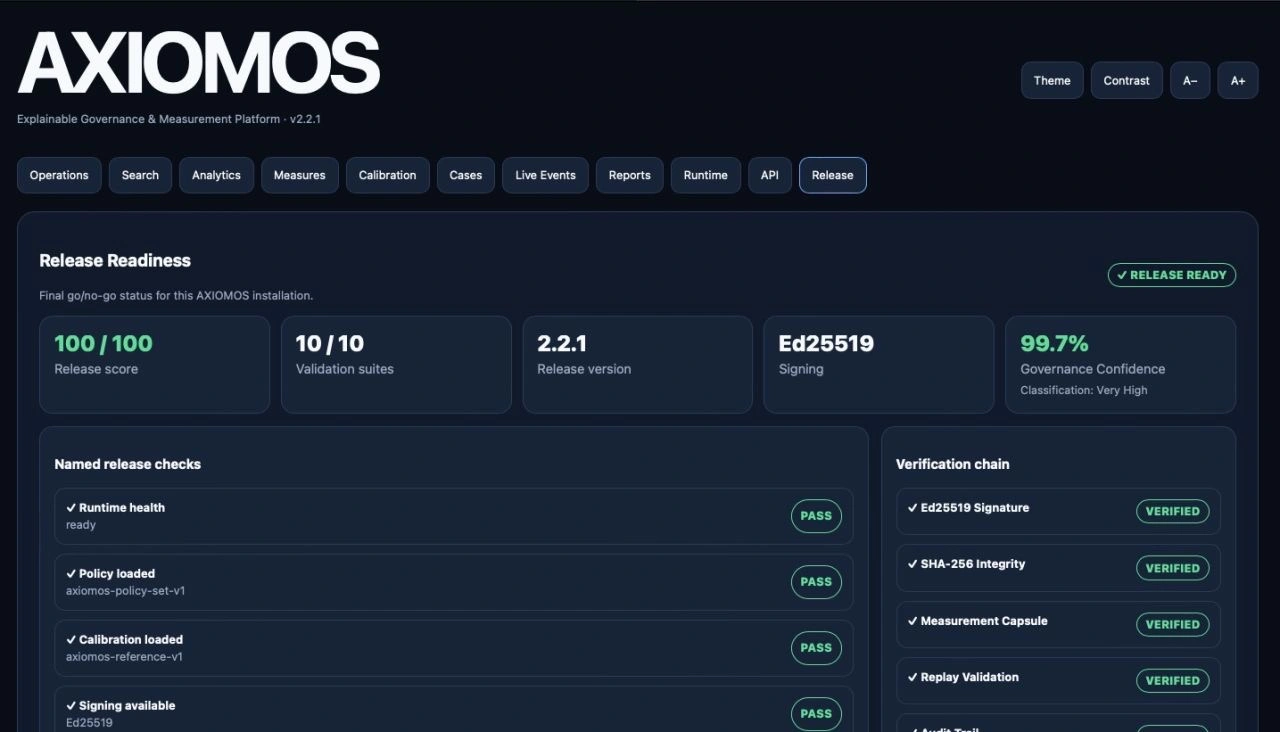
Framework: AXIOMOS
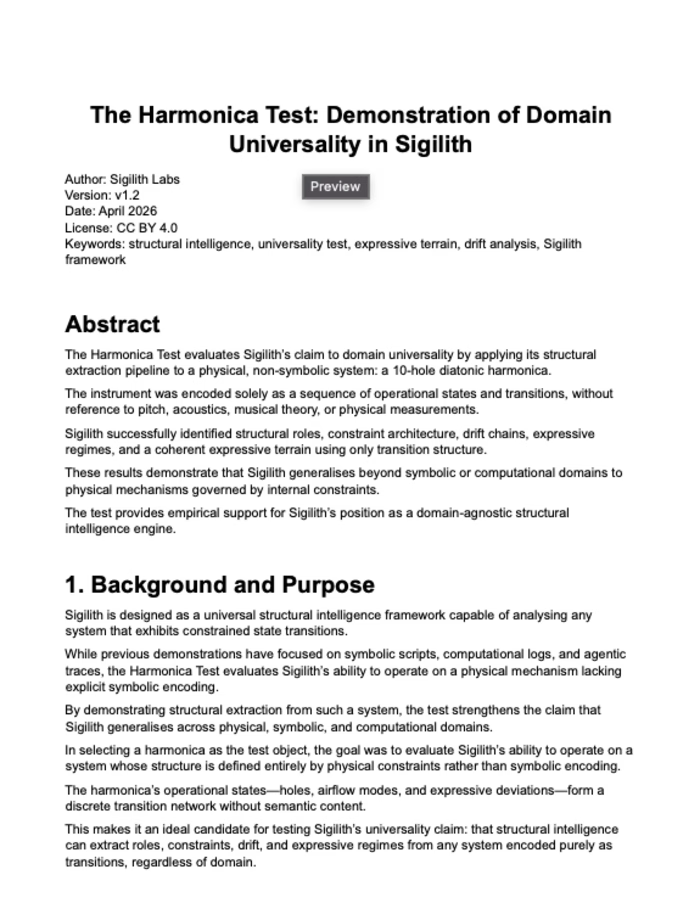
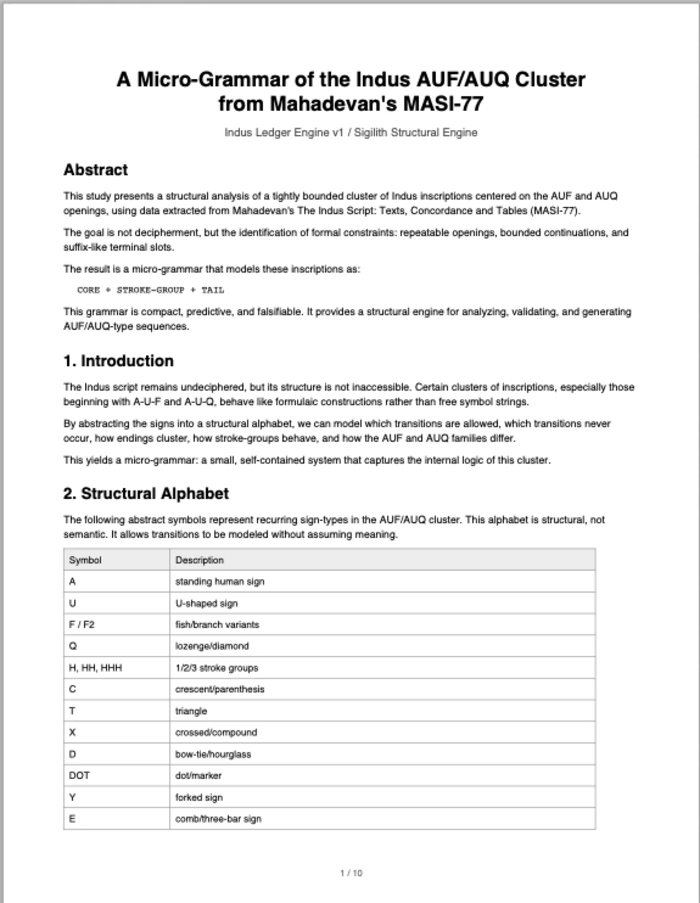
Structural intelligence: Sigilith
Audit and evidence: TraceGuard
Role: Independent Researcher & Systems Architect
Technology: Python, Qwen 2.5, llama.cpp, SQLite, local-first AI infrastructure
1. Project Overview
AxoSeek is a locally operated AI agent designed to perform useful research, workflow coordination, and commercial opportunity discovery within a controlled governance framework.
The project addresses a fundamental challenge in autonomous AI development: how to increase an agent's practical capabilities without giving the underlying model unrestricted authority.
Rather than relying on model-generated assurances, AxoSeek uses explicit governance boundaries, verification procedures, and controlled execution pathways.
2. The Challenge
Conventional AI agents can combine research, planning, and external tool execution without sufficiently separating decision-making from authorization.
The engineering challenge was to develop an architecture in which:
AI capabilities remain subordinate to governance.
External actions require explicit authorization.
Sensitive operations remain owner-controlled.
Local model operation preserves user control.
Actions and decisions can be reviewed through auditable records.
3. Technical Approach
The system uses three complementary architectural components:
AXIOMOS, Governance and Authorization
Controls permissions, execution boundaries, delegation, and authorization decisions.
Sigilith, Structural Intelligence
Provides a framework for examining structural constraints, transitions, anomalies, stability, and mutation without relying on semantic interpretation as its primary analytical mechanism.
TraceGuard, Audit and Evidence
Provides an evidence and provenance layer for tracking operations, execution decisions, and security events.
AxoSeek integrates these components into a governed operational environment.
4. Implementation
Development included:
Local Qwen 2.5 model integration.
llama.cpp inference runtime.
Python-based orchestration.
Commercial opportunity discovery and assessment.
Structured service and proposal preparation.
Controlled browser assistance.
Governance checks and execution restrictions.
Ledger and evidence verification.
Local-first operational architecture.
5. Security and Governance
A key implementation decision was to distinguish permitted assistance from actions requiring direct owner approval.
For example, Contra profile assistance can prepare permitted public-facing fields while explicitly excluding credentials, identity verification, tax information, banking details, contractual acceptance, and final submission.
External submission remains disabled.
This demonstrates a practical approach to bounded AI autonomy rather than unrestricted automation.
6. Outcome
AxoSeek reached a verified v0.9.13 installation, with its local model runtime and governed commercial workflow capabilities available.
The resulting architecture demonstrates how local AI, structural analysis, auditability, and explicit authorization can be combined into a practical agent platform.
7. Significance
The project explores an important direction for AI engineering: building systems where capability and authority are separate.
The objective is to make an AI agent's operations controlled, inspectable, and accountable.
Developed by K. Nash, Independent Researcher in AI Governance and Software Architecture.
Like this project
Posted Oct 30, 2026
Independent research into controlled autonomy, local AI, and auditable agent operations.
Likes
0
Views
0