Ultimate Guide to Liposuction

MARGARET WANJIRU

Margaret Wanjiru
Content Writer/Copy Writer/Business Blogger/SEO Writer/Qualitative Research Expert
Published May 20, 2024
Did you know that liposuction is ranked among the top 10 most sought-after plastic surgery procedures? As of 2022, the American Society of Plastic Surgeons revealed that out of 1.5 million procedures done, 325,669 consisted of liposuction. This was a 23% increase from the previous survey conducted in 2019. If you been wondering whether liposuction is the right surgery for you, then you need to read on so that you can make an informed decision on the same.
Understanding Liposuction
Also referred to as lipo or lipoplasty, liposuction refers to a cosmetic surgical procedure that removes excess fat from different parts of the body. There are different types of liposuction that you can choose from. These include:
Traditional Liposuction
This type dates back to over 30 years ago. The plastic surgeon has to administer general anesthesia to the patient to conduct the procedure.
Ultra-Assisted Liposuction
This method uses ultrasound energy to break down fatty tissues from the body.
Laser-Assisted Liposuction
This technique uses laser energy to remove fat cells from the body.
Factors to Consider when Getting a Liposuction
With the increasing popularity of liposuction, you might be wondering if you are the right candidate for this procedure. Well, there are certain factors to consider if you want to get a liposuction. These include:
1. Good overall health, physical fitness, and stable weight.
2. Localized fat deposits that are not proportional to the rest of the body.
3. Good skin elasticity to allow the body to contour well after the procedure.
4. Realistic expectations since liposuction is not a replacement for weight loss or a magic solution to obesity.
5. You need to quit smoking because it can increase complications after liposuction.
6. Overall emotional well-being to look at the procedure and overall outcome positively.
In your aspiration to get liposuction, it is important to understand that this cosmetic surgical procedure targets various areas. These include the hips, abdomen, buttocks, under the chin, neckline, and thighs.
Ultimate-Guide-To-Liposuction
Preparing for Liposuction
Before you get a liposuction, you need to be prepared. This will pave the way for better results. The following steps will help you get ready for your procedure.
Step 1: Consultation with a surgeon
When you decide to undertake a lipo, ensure that you schedule for an initial consultation with a certified plastic surgeon. This will allow you to assess your medical history and discuss your goals.
Step 2: Medical tests and evaluations
After the initial consultation, you will need to go through some medical tests. This will determine your suitability as a candidate for liposuction. While at it, ensure that you reveal any past medical history to determine if any complications will arise during and after the procedure.
Step 3: Pre-operative instructions
Before you get the liposuction, you will need to avoid some types of medication. These include anti-inflammatory drugs, herbal supplements, and some blood thinners as they increase the risk of bleeding. If you are a smoker, you also need to quit smoking since it can interfere with your healing process. It is important to also arrange for someone to transport you to and from the hospital after your surgery. Overall, ensure that you maintain a healthy lifestyle with a balanced diet and some physical exercises. This will be instrumental in your recovery as it improves your overall health and wellness.
Step 4: Set realistic expectations
You need to understand that liposuction is not a magic potion for your weight loss issues. Be realistic about your expectations. If you have any questions, clarifications, or concerns, be sure to discuss them with your surgeon.
The Liposuction Procedure
After you have done your due diligence and the surgeon has confirmed that you are an ideal candidate, you are ready for liposuction. The following are the key procedures to follow:
Anesthesia
Liposuction has to be done under anesthesia. Different types of anesthesia can be used. These include local anesthesia, general anesthesia, and intravenous sedation.
Incision
After the anesthesia sets in, the surgeon will go on and make incisions on targeted areas.
Tumescent technique
Your surgeon will inject you with a tumescent solution. This solution makes it easy to break down fat cells for fat removal.
Fat removal
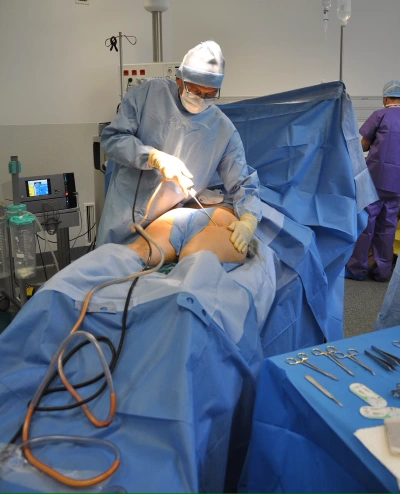
Once the tumescent solution sets in, your surgeon will insert a cannula into the incised areas to suction out excess fat from targeted areas.
Sculpting
Apart from fat removal, liposuction also requires your surgeon to sculpt and contour your body. This is useful as it allows you to achieve the desired shape.
Closure of incisions
After fat removal and contouring, the surgeon goes ahead to close the incisions with sutures. However, there are cases where incisions are left open. This allows the drainage of excess fluid from the body.
Recovery
Once the procedure is done, you will be transferred to a recovery area. You will be monitored until you wake up from anesthesia. Do not be alarmed if you experience some bruising, swelling, or discomfort. This is normal, and you can use compression garments and pain medication to manage it.
Follow-up
Before you leave the surgery facility, the surgeon will give you detailed instructions to follow while at home. You will also be equipped with information on how to take care of yourself as you undergo recovery. Additionally, you will be given a follow-up appointment to monitor your progress. This is important as the surgeon will assess if you are healing properly.
Potential Risks and Complications
Aesthetically pleasing as it is, it is important to acknowledge that there may be some potential risks and complications of liposuction. This is not limited to liposuction only but to all surgeries at large. Some of the potential risks of liposuction include:
l Infection.
l Nerve damage.
l Bleeding.
l Fluid imbalance.
l Bruising and swelling.
l Numbness.
l Accumulation of fluids.
l Pulmonary embolism.
l Fluid accumulation.
l Allergic reaction.
l Skin irregularities.
Self-Care after Liposuction
Even with the guidance of your medical practitioner, there are some self-care tips that you can follow after a liposuction procedure.
l Take a break from work for a few days. This will allow you to rest and heal.
l Do not engage in strenuous activities for a period of up to one month.
l Honor your follow-up appointments. These will allow the surgeon to monitor your progress.
l Wear your compression garments for several weeks to allow healing.
l In case of any complications such as severe pain, unusual symptoms, or bleeding, report to your surgeon.
Cost and Financing of Liposuction
Liposuction cost is one of the concerns that most people have. If that is your concern, then you need to understand various issues surrounding the cost and financing of liposuction. The cost of liposuction varies significantly due to factors such as the targeted areas, the amount of fat to remove, the experience of the surgeon, geographical location, and the method of liposuction to be used.
You can choose from different financing options when going for your liposuction. Some surgeons offer a payment plan that you can pay for in installments. While some people opt for a personal loan, others choose to use a medical card, and this option is accepted in some surgical facilities. Over the years, there has been an increase in the number of third-party companies that finance cosmetic surgery procedures such as liposuction.
Whatever payment plan or financing option that you choose, make sure that you consider the terms and conditions carefully. Finally, be sure to conduct thorough research before getting a liposuction. Remember, safety comes first!
Like this project
Posted Apr 18, 2025
Guide on liposuction procedures and considerations.
Likes
0
Views
5
Timeline
Jan 6, 2024 - Jan 9, 2024