Ride-Hailing Platform (Rider + Driver + Admin)

Muhammad Usama


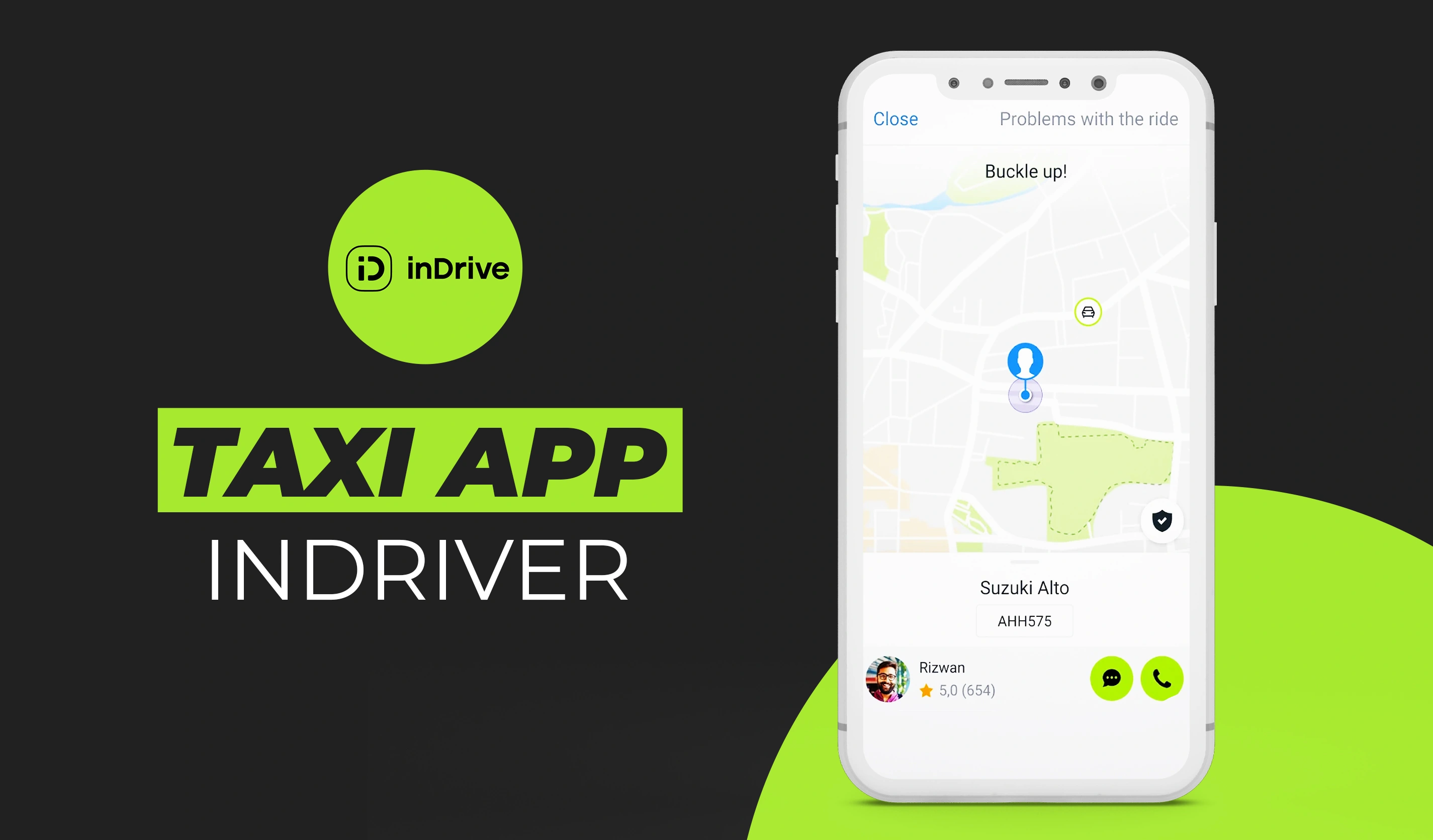
Taxi App
The Brief
A transportation company wanted to build a ride-hailing platform to compete in their target markets. The app needed to match riders with nearby drivers in seconds, handle surge pricing during peak hours, and deliver a frictionless booking experience across dozens of cities.
Scale was the defining constraint. The platform had to support high concurrency, process payments instantly, and keep both riders and drivers happy with fair pricing and smart routing.
What I Built
I designed and developed a complete ride-hailing ecosystem for iOS and Android, covering the rider app, driver app, and admin dashboard.
Rider App:
One-tap ride booking with real-time driver matching
Live GPS tracking of driver en route and during the trip
Multiple ride categories (economy, comfort, premium, shared rides)
Fare estimation with transparent pricing breakdown
Surge pricing with clear multiplier display
Multiple payment methods (cards, wallets, cash, corporate accounts)
Scheduled rides for airport pickups and planned trips
Ride history with digital receipts and expense reports
In-app chat and call with driver
SOS emergency button with live location sharing
Ratings and reviews for drivers
Promo codes and referral rewards program
Driver App:
Real-time ride requests with accept/decline flow
Turn-by-turn navigation with traffic-aware routing
Earnings dashboard with daily, weekly, and monthly breakdowns
Heat maps showing high-demand zones
Availability toggle and shift management
Driver rating and performance analytics
Document management for license and vehicle verification
Admin Dashboard:
Fleet management with real-time vehicle tracking
Dynamic pricing engine configuration
Driver onboarding and verification workflows
Revenue analytics, trip data, and operational KPIs
Customer support ticketing system
Geo-fencing for service area management
Tech Stack
Frontend: React Native (cross-platform iOS & Android for rider and driver apps)
Backend: Node.js with microservices architecture for high-concurrency dispatch
Infrastructure: AWS (EC2, ECS, S3, CloudFront, SQS, Lambda, ElastiCache, Kinesis)
Database: PostgreSQL for transactional data, Redis for real-time caching and geospatial queries
Real-time: WebSocket and MQTT for live location streaming and ride status updates
Maps & Routing: Google Maps SDK with custom ETA algorithms and traffic-aware routing
Payments: Stripe, local payment gateways, in-app wallet system
Analytics: Mixpanel for user behavior, Datadog for infrastructure monitoring
My Role
I led the full development lifecycle across all applications: system architecture, mobile UI/UX implementation, microservices backend, real-time dispatch engine, payment infrastructure, geospatial matching algorithms, and App Store / Play Store deployment. I worked directly with the operations team to fine-tune the dispatch algorithm, reducing average wait times and improving driver utilization rates.
Technical Highlights
Built a geospatial matching engine using Redis geospatial indexes that matches riders to the nearest available driver in under 8 seconds
Designed a dynamic surge pricing engine that adjusts fares based on real-time supply/demand ratios per zone
Implemented real-time location streaming via WebSocket and MQTT with sub-second latency for both rider and driver apps
Built a geo-fencing system for service area management, allowing ops to configure city boundaries and pricing zones
Designed a heat map system that aggregates demand data and surfaces high-earning zones to drivers in real time
Achieved 99.99% uptime across dispatch infrastructure
Platform expanded to support 50+ cities
Successfully launched on both App Store and Google Play
Like this project
Posted Jul 7, 2026
Built a complete ride-hailing platform: rider app, driver app, and admin dashboard. React Native, Node.js, PostgreSQL, AWS. Real-time dispatch, surge pricing, geospatial matching, and multi-city expansion.
Likes
0
Views
35
Timeline
Nov 1, 2023 - Mar 31, 2024