KINIX: Cycling-Controlled Multiplayer Game

Elvaretta Angelina

KINIX: a Cycling-Controlled Multiplayer Game
KINIX is a multiplayer fitness game where players control their avatars by pedaling and steering an indoor bike. This meant designing interfaces for a completely different input model—no tapping, no clicking, just directional controls and physical movement.
My Role
I shaped the game’s UI/UX for its first playable phase and built a cohesive design system developers could rely on. I covered screen designs to icons, badges, and the full UI component library.
The Innovation Challenge
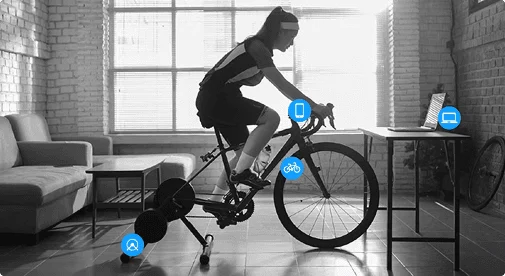
Designing KINIX meant rethinking every assumption about interaction. Players aren’t sitting still—they’re pedaling, steering, and looking at a screen from a distance. With only directional inputs to work with, traditional mobile patterns simply didn’t apply.
The main challenge was to create a UI that stayed readable, responsive, and effortless even while players were in motion. At the same time, I needed to unify early, inconsistent mockups into a single visual direction that actually felt like KINIX.
Key Design Decisions
Interaction Principles for a Cycling Game
Unlike typical UI work, players here interact while moving their whole body. They’re cycling, shifting posture, and glancing at a screen that might not be at eye level — only with directional controls. So instead of just “making screens,” the real job was figuring out how to keep the experience smooth and understandable while players are in motion.
Visual Direction to Define the Game’s Feel
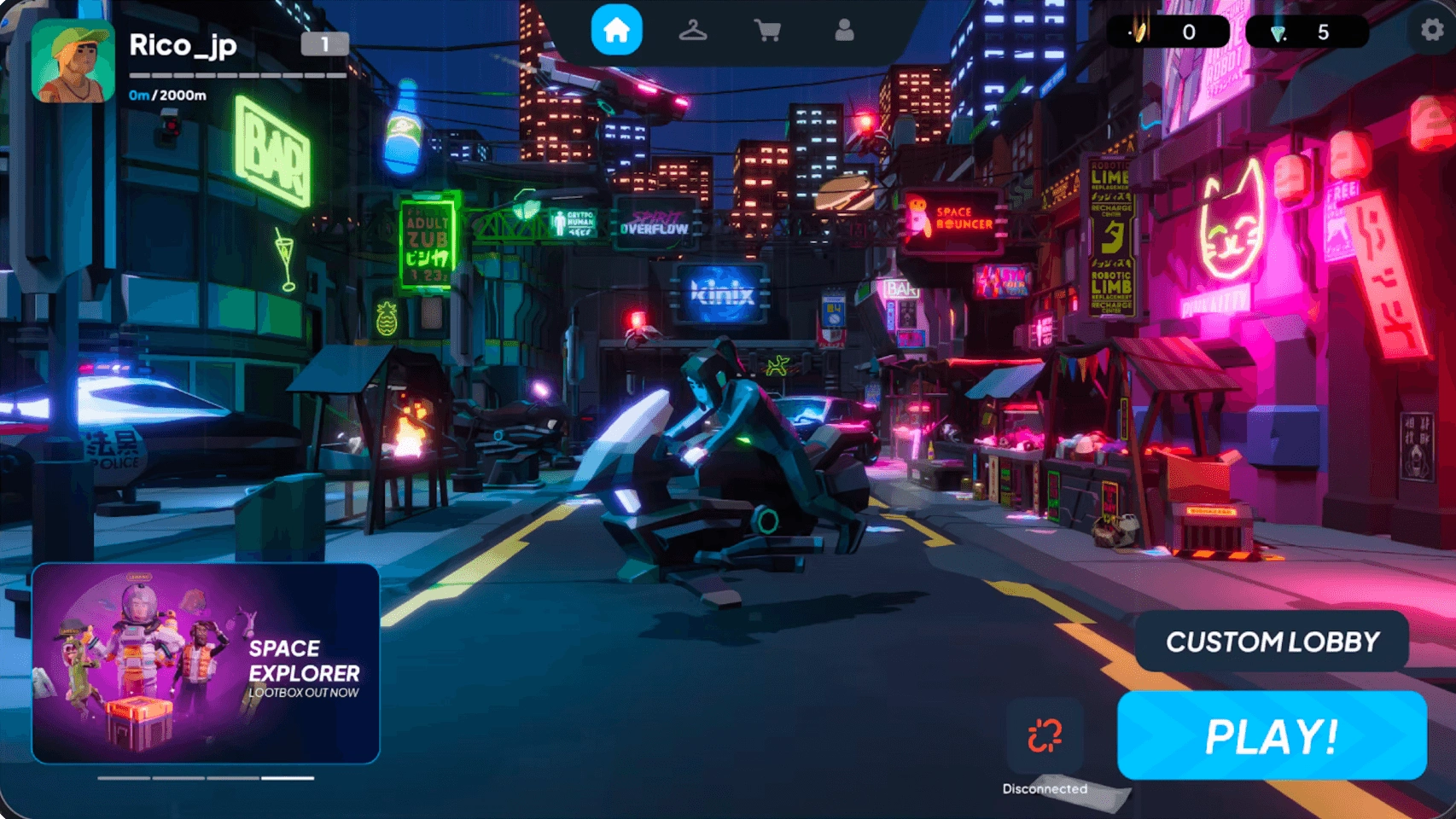
The early mockups leaned heavily on bright yellows and mixed visual styles. The new UI now matched KINIX’s branding energy and atmosphere.
UI System & Components for Implementation
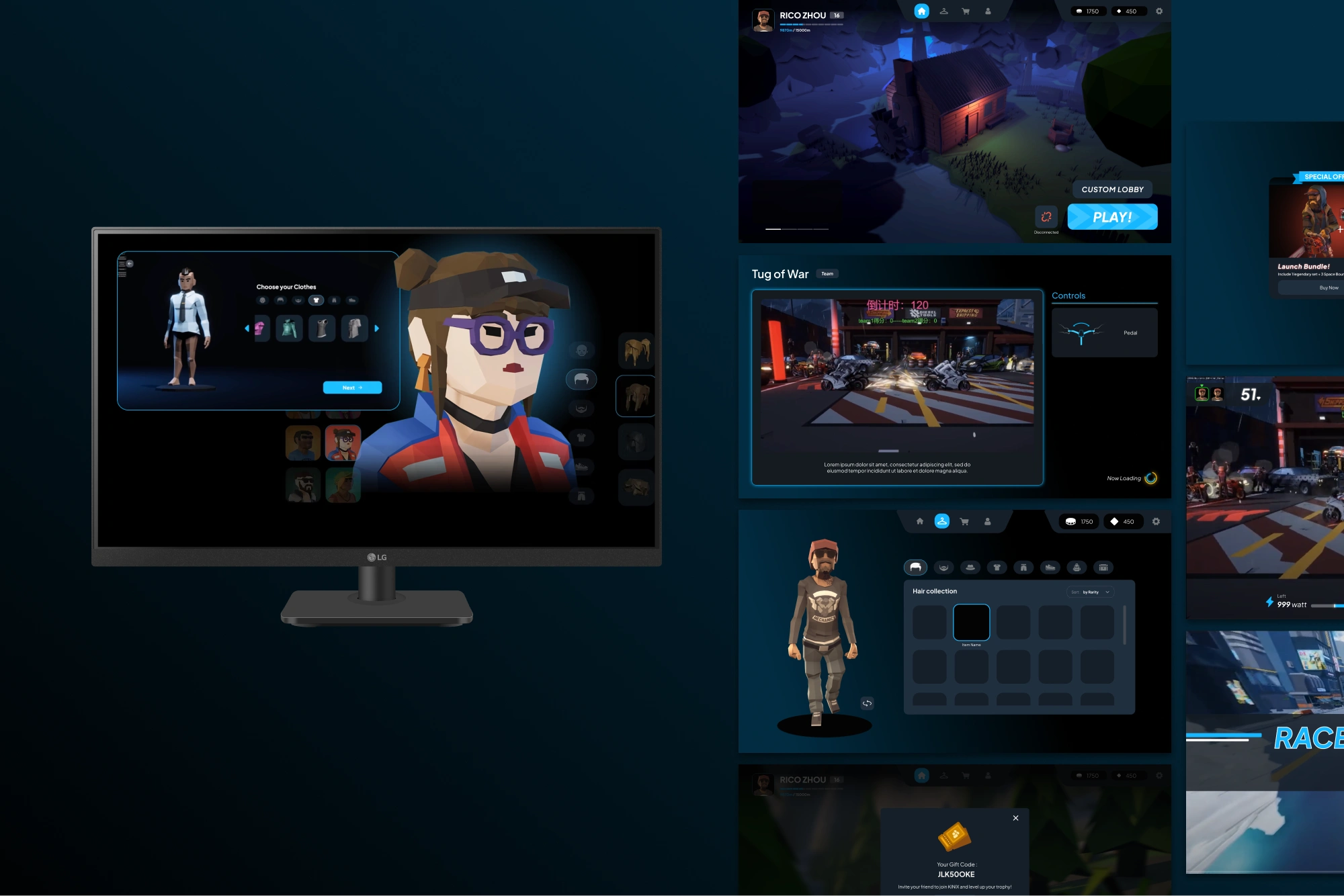
To support development and keep the game consistent as new screens were added, I built a complete UI system that the team could reliably implement. This meant creating not just assets, but rules and structure. Buttons, cards, HUD elements with interaction states, icon & badge styles, and all other assets..
Results
My work shaped the foundation—visual direction, system, screens, and all the UI assets that players interact with.
The result was a playable first version of KINIX with an interface that felt intuitive, game-like, and consistent across the entire experience.
What this project taught me:
Working on KINIX pushed me to think beyond screens and consider the player’s physical state as part of the UX. I learned how crucial predictable flows and clear hierarchy are when users can’t rely on touch or fine control.
Building the design system also reinforced the value of scalable rules, not just polished visuals.
Most importantly, this project taught me how adaptable UX principles become when applied to entirely new interaction models.
Like this project
Posted May 13, 2026
Designed UI/UX for KINIX, a cycling-controlled multiplayer fitness game, ensuring intuitive interaction during gameplay.
Likes
0
Views
5