AI-Powered Predictive Maintenance System

Mohamed MSALEK


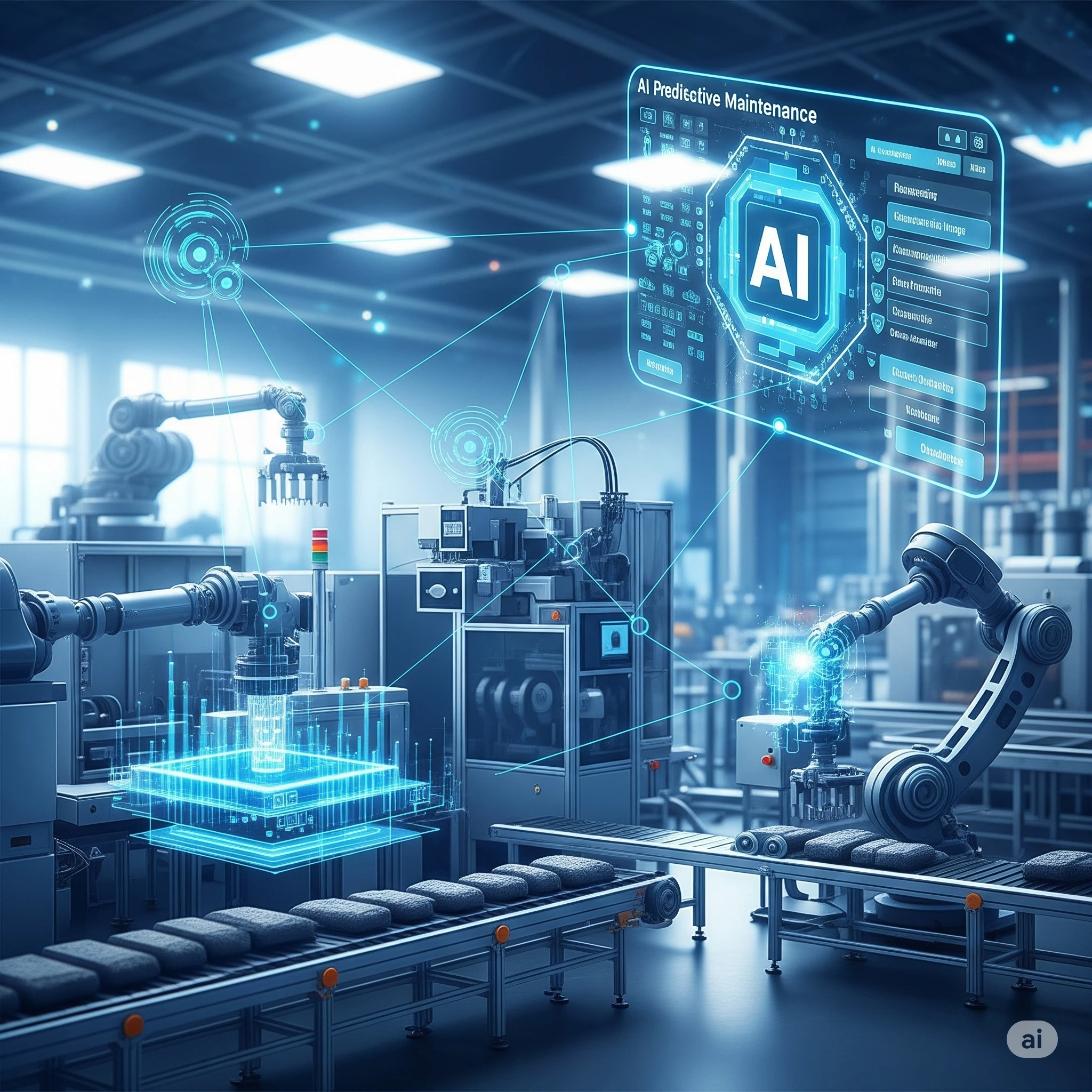
AI-Powered Predictive Maintenance System
This project focuses on using Artificial Intelligence to predict equipment failures before they occur, optimizing maintenance schedules and reducing downtime.
✦ The Challenge
Traditional industrial maintenance often operates on a reactive or time-based schedule, leading to significant inefficiencies. Reactive maintenance results in unexpected equipment breakdowns, causing costly unscheduled downtime, production losses, safety hazards, and rushed, expensive repairs. Time-based maintenance, while better, can lead to unnecessary maintenance too early (wasting resources) or still miss critical issues if intervals are too long. The core problem is the lack of foresight into when and why machinery will fail, hindering operational efficiency and increasing costs.

✦ The Solution
The solution is an AI-Powered Predictive Maintenance System. This system continuously collects vast amounts of sensor data (e.g., vibration, temperature, pressure, current) from critical machinery. This raw data is then processed and fed into advanced machine learning models (such as LSTMs or Gradient Boosting algorithms) specifically trained to identify subtle patterns and anomalies indicative of impending equipment failure. The system provides real-time health monitoring and, critically, predicts the probability of failure or estimates the Remaining Useful Life (RUL) of components. Automated alerts are triggered to notify maintenance teams well in advance of a potential breakdown.
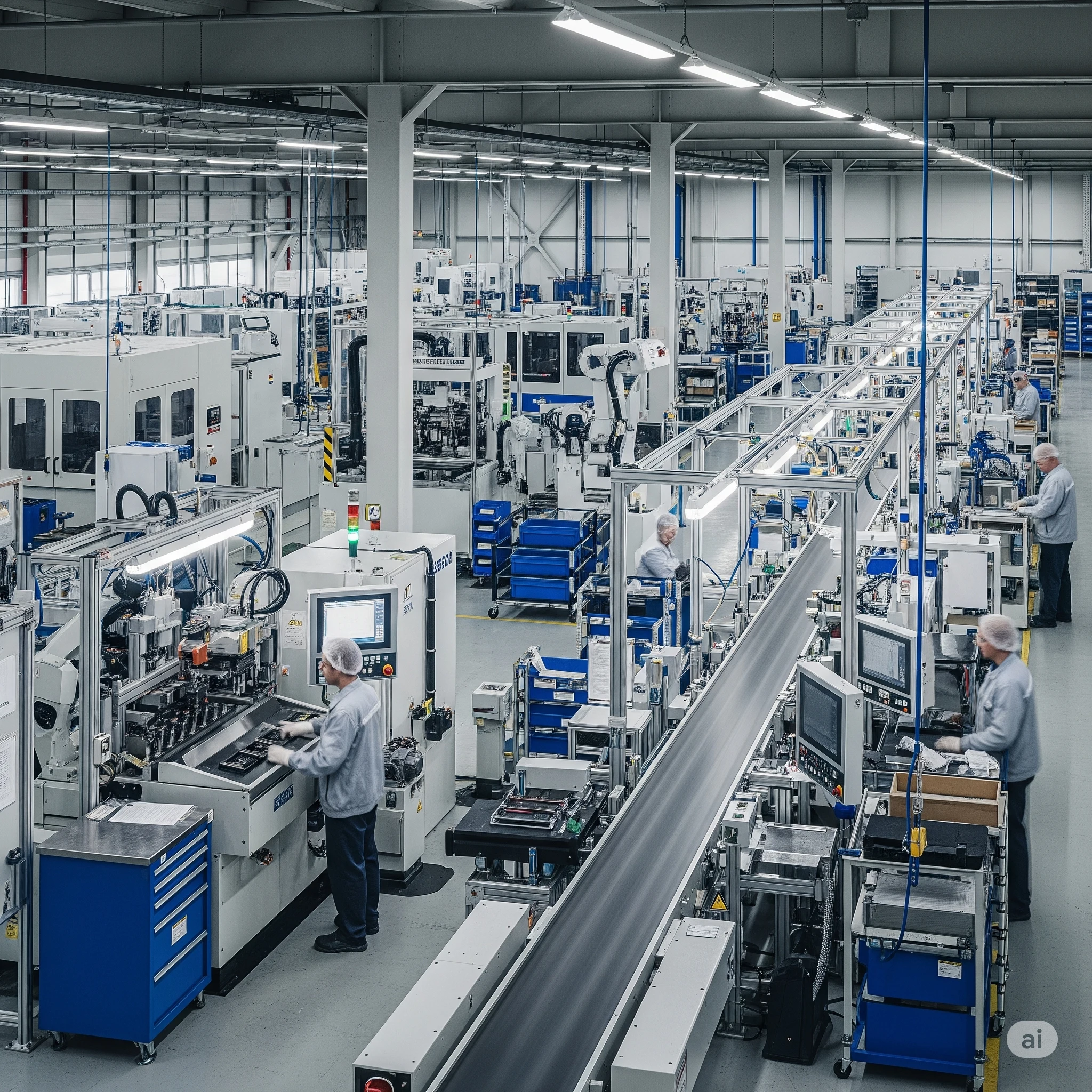
✦ The Outcome
The implementation of this system results in several significant outcomes:
Reduced Downtime: By predicting failures, maintenance can be scheduled proactively during planned downtime or before a critical breakdown occurs, drastically minimizing unscheduled interruptions.
Cost Savings: Lower repair costs due to planned interventions (rather than emergency fixes), reduced need for excessive spare parts inventory, and optimized maintenance crew utilization.
Extended Asset Lifespan: Proactive maintenance prevents minor issues from escalating into major failures, thereby extending the operational life of expensive machinery.
Improved Safety: Identifying potential mechanical failures before they become critical reduces the risk of accidents and improves workplace safety.
Enhanced Operational Efficiency: Smoother production flow, better resource allocation, and a data-driven approach to maintenance planning.
Like this project
Posted Jul 13, 2025
AI-driven system predicts equipment failures for proactive maintenance.
Likes
1
Views
13
Timeline
Feb 3, 2024 - Jul 28, 2024