Relevance AI – AI SaaS Website Design & Development (Framer)

Lalit Yadav
Verified


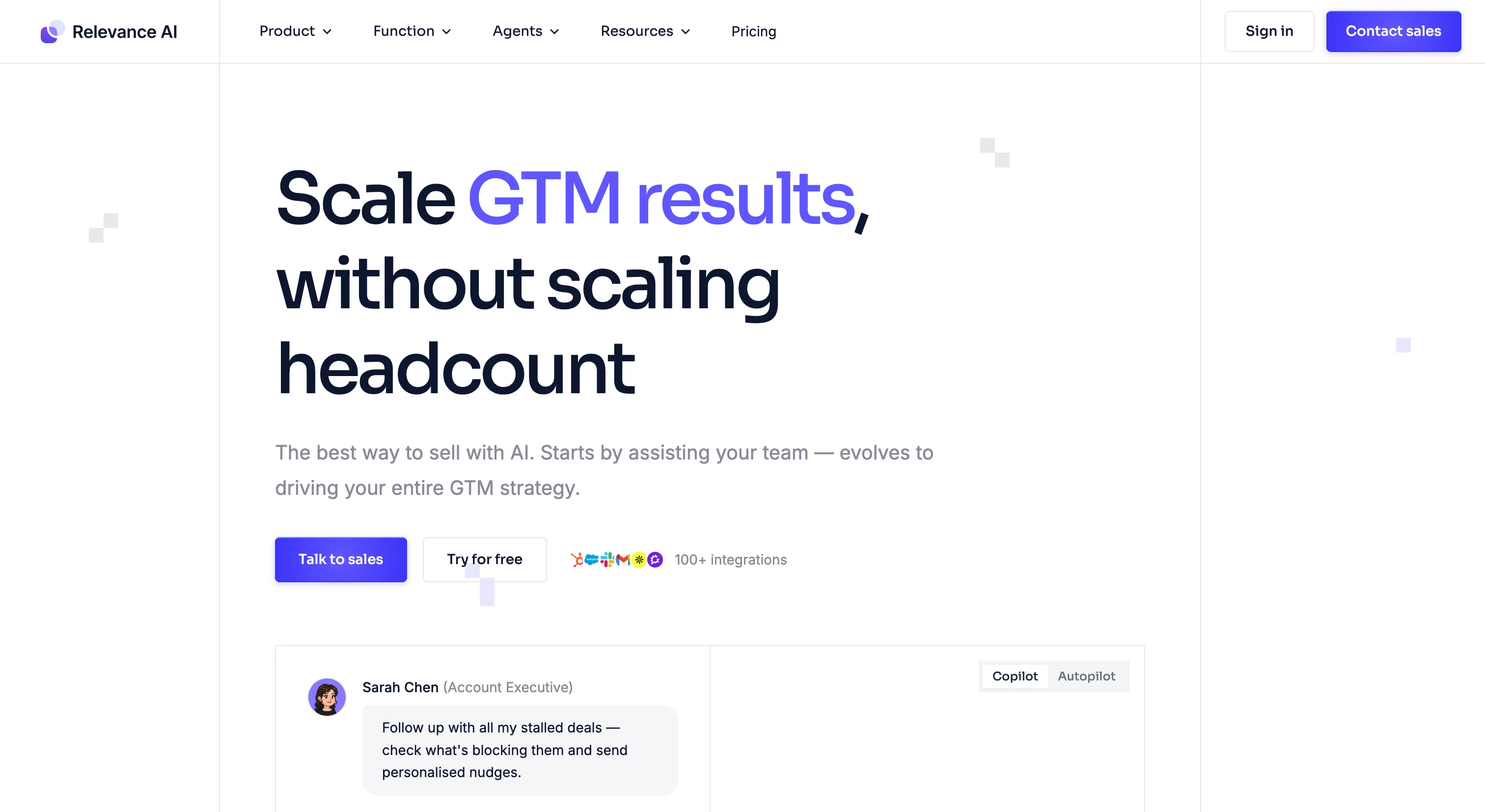
Relevance AI – High-Performance AI Platform Website Development Case Study
Overview
Relevance AI required a modern, scalable, and performance-driven website capable of representing a fast-growing AI platform while maintaining exceptional speed, flexibility, and developer scalability.
The objective was to create a highly optimized digital experience that could support rapid content growth, product expansion, SEO scalability, and enterprise-level performance expectations.
The website was developed using Astro and deployed on Vercel, enabling a modern frontend architecture focused on speed, maintainability, and high-performance rendering.
Project Goals
The primary goals of the project were:
• Build a high-performance marketing website for an AI platform
• Create a scalable frontend architecture for long-term growth
• Improve page speed and Core Web Vitals performance
• Support SEO scalability for organic acquisition
• Deliver a smooth and responsive user experience across devices
• Create a modern developer-friendly architecture
• Optimize deployment workflows and scalability using Vercel
Challenges
The project involved balancing visual richness with technical performance.
AI platforms often require:
• Dynamic content presentation
• Multiple landing pages
• Product-focused storytelling
• Interactive sections
• High SEO visibility
• Fast-loading experiences globally
The major challenge was ensuring that the website remained lightweight and extremely fast despite having modern UI components, animations, and content-heavy pages.
Additional challenges included:
• Managing scalable content architecture
• Maintaining fast page rendering across regions
• Optimizing frontend performance without sacrificing UX
• Structuring reusable components for rapid expansion
• Supporting technical SEO at scale
Strategy & Approach
The approach focused on combining modern frontend architecture with performance-first engineering principles.
The project was structured around:
1. Performance-First Frontend Architecture
Astro was selected due to its partial hydration model and ability to ship minimal JavaScript to the browser.
This allowed:
• Faster page loads
• Better Lighthouse scores
• Reduced client-side rendering overhead
• Improved SEO performance
2. Scalable Component System
A reusable component architecture was implemented to support:
• Rapid landing page creation
• Consistent UI patterns
• Easier maintenance
• Scalable content updates
This reduced development complexity while improving design consistency.
3. SEO & Content Scalability
The website structure was optimized for:
• Search engine discoverability
• Semantic page structure
• Structured metadata
• Optimized heading hierarchy
• Clean URL architecture
This helped support long-term organic growth initiatives.
Technical Implementation
Astro-Based Development
The frontend was developed using Astro to maximize rendering efficiency and minimize unnecessary JavaScript delivery.
Benefits included:
• Static-first rendering
• Faster Time to Interactive (TTI)
• Improved Core Web Vitals
• Better caching capabilities
• Lightweight frontend delivery
Vercel Deployment Infrastructure
The platform was hosted on Vercel for:
• Global CDN distribution
• Fast deployments
• Preview environments
• Edge optimization
• Continuous deployment workflows
This created a streamlined developer experience and improved scalability.
Responsive Engineering
The website was optimized across:
• Desktop
• Tablet
• Mobile devices
• Large-screen displays
Special attention was given to spacing, typography scaling, and interaction responsiveness.
Performance Optimization
Several optimization strategies were implemented:
Code Optimization
• Component-level optimization
• Reduced JavaScript payloads
• Efficient rendering patterns
Asset Optimization
• Optimized image delivery
• Lazy loading strategies
• Efficient font loading
SEO Optimization
• Metadata optimization
• Semantic HTML structure
• Open Graph integration
• Structured page hierarchy
Key Features
Modern AI-Focused UI
A visually polished interface designed to communicate innovation and technical credibility.
High-Speed Performance
Optimized frontend architecture delivering extremely fast page loads.
Scalable Design System
Reusable UI components supporting rapid iteration and future expansion.
SEO-Friendly Architecture
Structured for long-term search visibility and content scalability.
Enterprise-Ready Infrastructure
Built with deployment scalability and maintainability in mind.
Results
The final outcome delivered:
✅ High-performance frontend architecture
✅ Faster loading speeds and improved Core Web Vitals
✅ Scalable SEO-ready platform
✅ Improved responsiveness across devices
✅ Cleaner development workflows
✅ Enterprise-level scalability using Astro + Vercel
The website now provides a strong digital foundation capable of supporting Relevance AI’s rapid growth, product expansion, and global audience reach.
Technologies Used
• Astro
• Vercel
• Component-Based Architecture
• Responsive UI Engineering
• SEO Optimization
• Performance Optimization Techniques
Final Thoughts
This project demonstrates how modern frontend technologies like Astro combined with Vercel hosting can create an extremely fast, scalable, and future-ready digital experience.
Instead of relying on traditional frontend approaches, the platform was engineered with performance, maintainability, and scalability at its core — helping deliver a premium AI-focused web experience optimized for both users and long-term growth.
Like this project
Posted Apr 28, 2026
Designed and developed a Framer-based website with responsive layouts, smooth animations, and optimized to simplify complex AI solutions and boost conversions.