Jet Lag: Causes, Effects and Remedies

Said Qabbaah


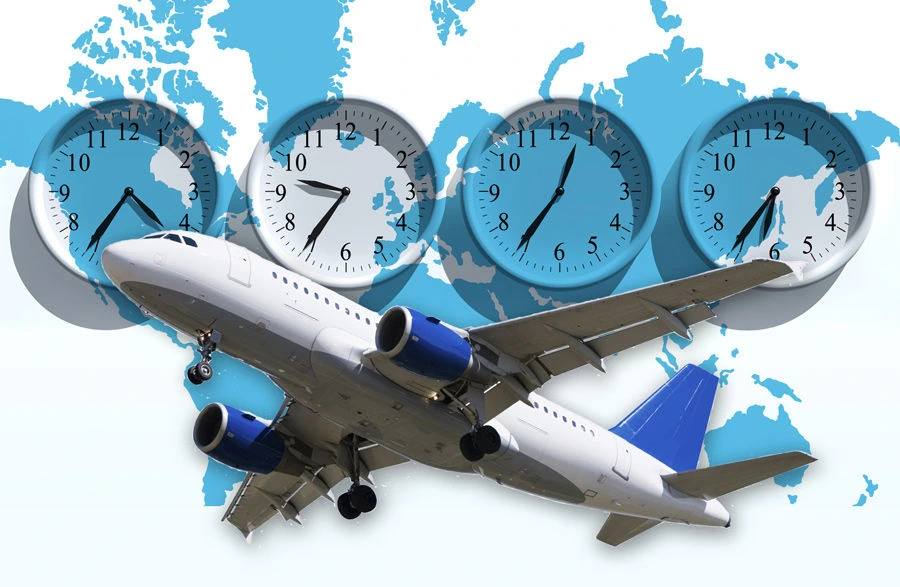
Travelling across time zones can be exciting, but it often comes with a familiar and uncomfortable consequence: jet lag. This temporary sleep disorder can affect anyone who travels quickly across multiple time zones, disrupting the body's internal clock and leading to a range of physical and mental symptoms.
Understanding what causes jet lag, how it affects the body and how to reduce its impact can make travel a much more pleasant experience.
What Is Jet Lag?
Jet lag is a condition that happens when a person’s circadian rhythm (the internal process that regulates the sleep-wake cycle) becomes misaligned with the local time at their destination. This natural biological rhythm is affected by different environmental cues, particularly daylight and darkness, and it helps determine when we feel awake or sleepy.
When you cross time zones, especially rapidly by air, your body clock struggles to adjust to the new schedule. For example, if you fly from Amman to California where the time difference is 10 hours, your body may still operate on your original time zone, making it difficult to stay awake during the day or sleep at night in your destination.
While jet lag usually resolves on its own as the body gradually adjusts to the new time zone, the symptoms can be quite unpleasant, particularly in the first few days after arrival.
What Are the Causes?
The main cause of jet lag is the mismatch between the body's internal clock and the external environment after crossing time zones. Several factors can influence the severity and duration of jet lag.
For instance, the more time zones crossed, the bigger the disruption to the circadian rhythm. Usually, symptoms become more noticeable after crossing three or more time zones. Travelling east tends to cause more significant jet lag than travelling west, because advancing the body clock (shortening the day) is generally more difficult than delaying it (lengthening the day). Also, flights that land at night or in the early morning can make it harder for the body to adjust, especially if the person tries to stay awake during their normal sleeping hours.
Other factors such as age, general health and chronotype (whether someone is naturally a morning or evening person) can affect how someone experiences jet lag. Older adults and those with irregular sleep patterns may find it more challenging to adapt.
Effects of Jet Lag
Jet lag can have a range of symptoms, which vary from person to person. These symptoms are usually temporary, but they can be uncomfortable and disrupt daily functioning.
Sleep disturbances: Insomnia, early waking and excessive sleepiness are common. People may find it hard to fall asleep at bedtime or may wake up in the middle of the night and struggle to return to sleep
Fatigue and low energy: Persistent tiredness and a general lack of energy can happen often, affecting physical activity and motivation
Difficulty concentrating: Jet lag can impair attention, memory and the ability to make decisions, which can be particularly problematic for travellers with demanding schedules, such as business professionals or athletes
Digestive issues: Upset stomach, constipation or a change in appetite may occur as the digestive system also operates on a daily rhythm that can be disrupted
Mood changes: Irritability, anxiety or feelings of confusion are also possible, brought on by the sleep disruption and physical exertion
These symptoms usually get better as the body begins to adjust to the new time zone. Most people recover within a few days, although the adjustment can take longer depending on the individual and the extent of the time change.
What Can Be Done to Help?
Although jet lag cannot be entirely prevented, several things can help reduce its severity and help the body adjust more quickly.
Gradual schedule adjustment - Before departure, try shifting your sleep and meal times closer to the destination time zone. Going to bed and waking up an hour earlier or later each day, depending on the direction of travel, can ease the transition
Light exposure - Exposure to natural light is one of the most effective ways to reset your internal clock. Spend time outdoors during the day at your destination to help your body adapt. In contrast, limiting exposure to bright light at night can signal to your body that it’s time to rest
Strategic nap time - Short naps lasting 20 to 30 minutes can help reduce sleepiness without interfering with night-time rest. Avoid long naps, especially late in the day, as they can make it harder to sleep at night
Staying hydrated - Air travel can lead to dehydration, which may worsen feelings of fatigue. Drinking water before, during and after the flight is recommended. Avoid excessive caffeine or alcohol, as they can disrupt sleep and contribute to dehydration
Consider taking certain supplements - Supplements that contain melatonin, which is a hormone that helps regulate the sleep-wake cycle, may help promote sleep and shift the circadian rhythm when taken shortly before bedtime at the destination. However, it’s very important to consult a doctor before using such supplements, especially for regular or high-dose use
Good sleep practices - Creating a relaxing sleep environment can better support adjustment. This includes keeping the room cool and dark, avoiding screens before bed and maintaining a consistent bedtime routine
Healthy lifestyle habits - Eating balanced meals, engaging in light physical activity and avoiding stimulants near bedtime can all support the body's adaptation to a new time zone
Summary
Jet lag is a common experience for international travellers and, while usually short-lived, it can be rather inconvenient. However, with a bit of planning and a few simple adjustments to your schedule and environment, you can leave jet lag behind, and arrive feeling ready, rested and in rhythm.
Like this project
Posted Oct 8, 2025
Travelling across time zones can be exciting, but it often comes with a familiar and uncomfortable consequence: jet lag.