The Hidden Mental Battles that Ended Three Careers

Samuel Fernandes


Behind the Pitch: The Hidden Mental Battles that Ended Three Careers
Football’s “Silent Era” is a thing of the past. Today, players are encouraged to speak openly about their mental health.
4 min read
·
1 day ago
The Silent Era: When Vulnerability Was Seen as Weakness
Until the 2000s, mental health was a taboo topic in men’s football.
Overcoming pressure and performing at an elite level was the consensus that came with the job.
Footballers were supposed to suppress their emotions and endure in silence.
Players who vented out their struggles with mental health were often scrutinised rather than supported.
After England’s defeat against West Germany in the 1990 World Cup semifinal, Paul Gascoigne was mocked for an emotional outburst on the pitch.
Gascoigne’s tears received a mixed response at the time. Tabloids labelled him as a “Cry baby” and former FA chairman Sir Bert Millichip reaffirmed the stigma:
“Crying on the pitch? That’s not what English football’s about.”
In the following years, Gascoigne’s mental health deteriorated further as he battled alcoholism and depression.
The Awareness Era: Prioritising Support and Wellbeing
The death of German goalkeeper Robert Enke in 2009 marked a shift in the perception of mental health within the sport.
The German national team goalkeeper silently combated severe depression throughout his career until he took his own life.
Robert Enke’s death inspired others to initiate difficult but necessary conversations regarding mental health and propelled football towards a new era.
National and international governing bodies have incorporated mental health education into player development programs.
FIFA, UEFA and other establishments have launched campaigns to destigmatize mental illness and spread awareness.
It is now standard practice for clubs to house mental health professionals to support coaches and players.
Despite ongoing efforts to combat mental health, in 2024, 52.5% of footballers expressed mental health symptoms.
Which 3 players retired from professional football due to mental health illness?
Over the years, various football players suffered from mental health issues.
Some have managed to recover and continue their careers — but for these three players, the severity of their symptoms forced them to walk away from the game:
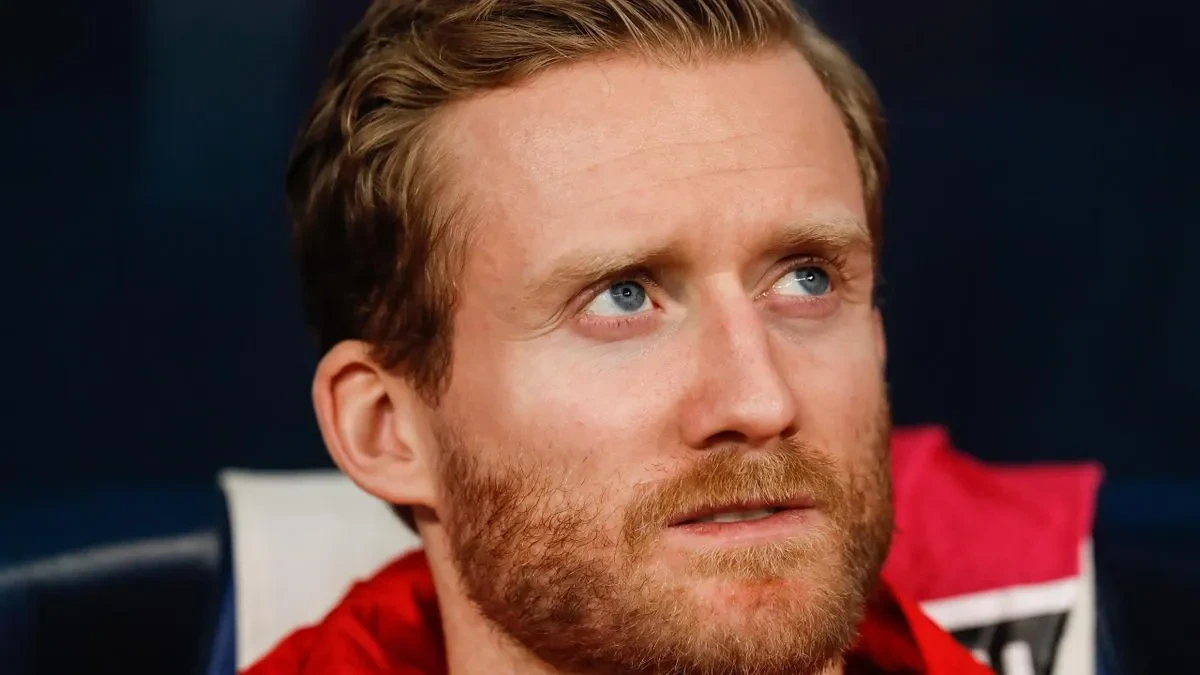
André Schürrle
Billy Kee
Brian Lenihan
André Schürrle
André Schürrle began his senior career at FSV Mainz 05 in Germany. In the years that followed, Schürrle played for Bayer Leverkusen, Chelsea, Wolfsburg and Borussia Dortmund.
The lethal winger played a significant role in Germany’s 2014 FIFA World Cup triumph.
Schürrle regularly featured as a substitute, decisively contributing goals and assists.
Despite winning trophies at the club and international level, in July 2020, André Schürrle announced his retirement from football at just 29 years old.
The German had been contemplating the decision for a while:
“The depths became deeper and the highlights less and less.”
Schürrle had been undergoing strain on his mental health due to the pressure and expectations from fans and the media.
Schürrle also spoke about the mental health taboo that still existed within football:
“Only performance on the pitch counts. Weakness and vulnerability must not exist at any time.”
Billy Kee
Six months prior to André Schürrle’s retirement, Billy Kee announced his retirement from professional football due to battles with depression, anxiety and Bulimia.
Billy Kee spent his professional career playing for various clubs across England’s lower professional leagues.
Kee featured for Leicester City, Torquay United, Burton Albion, Scunthorpe United and Accrington Stanley.
In April 2018, Billy Kee was crowned EFL League Two Player of the Season. Kee was the division’s top scorer with 25 goals, he also stacked 8 assists for Accrington Stanley.
The next season, Kee missed the club’s pre-season preparations as he silently struggled with his mental health symptoms.
After opening up about his struggles, Accrington Stanley mutually agreed to terminate his contract.
During interviews, Kee revealed the severity of his mental health symptoms:
“It got to a point where I’d drive to training and just sit in my car crying. I couldn’t handle the pressure anymore.”
Brian Lenihan
Brian Lenihan’s promising professional football career ended abruptly at age 23.
The Irishman made his senior debut for Cork City in 2012 and proceeded to play for Hull City until April 2018 when he announced his retirement from the sport.
Three years prior to retirement, the right-back suffered a serious knee injury which eventually affirmed his decision to retire.
A year later, speaking to the Hard Knocks Sports podcast, Lenihan revealed the reason he decided to retire was due to mental health concerns instead of merely the physical injuries sustained.
“The reason why I did retire was due to illness, not injury. On 15 December, I attempted suicide. I was brought to hospital and had 12 sessions of electroconvulsive therapy in three months.”
The Irishman also noted, “It was the pressure and the stress of football” that caused his mental health to deteriorate.
Final Thoughts
Mental health awareness is growing within sports and society. The landscape of men’s football has changed over time and continues to break down barriers.
Countless players suffered from mental illnesses during the silent era, causing tragedies like self-harm, public humiliation, early retirement and death.
Thankfully, football has moved on towards the awareness era where the “macho man” stereotype is rapidly becoming outdated and the public eye encourages vulnerability instead of denying it.
After all, footballers have lives, responsibilities, and emotions beyond the pitch. They experience the same highs and lows as anyone else.
Written by Sam Fernandes
Freelance writer specializing in lifestyle, wellness, and digital content.
Like this project
Posted Nov 14, 2025
Article on mental health challenges faced by footballers and its impact on careers.
Likes
0
Views
20