The Stolen Car and the Kind Neighbor

Sanjay Ahuja

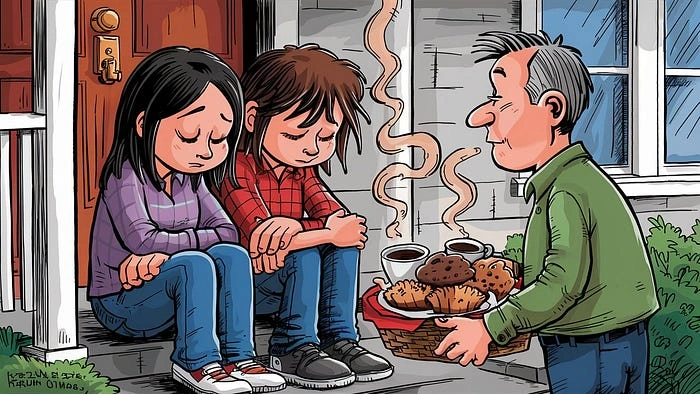
This story happened back in July 2001. We were living in Greater Kailash, Part 1, New Delhi.
One early morning, the polite Bihari boy who washed our car every day came and told us it was missing. I was surprised. Did I park it somewhere else? I looked down from the balcony where we could usually see the car. It was gone.
Startled, I rushed downstairs to look for it myself. It didn’t take long to realize my car had been stolen.
Dejected, I returned home and broke the news to my wife. She was devastated and began to cry. This wasn’t just any car; it was the first new car we had ever purchased, and it meant a lot to us. I didn’t know what to do.
I knew I had to report the theft to the police, but I wasn’t sure how to go about it. All sorts of worries clouded my mind. How would I get to work? My office was a good 26 kilometers away. How would I repay the car loan?
Our neighbor must have sensed something was wrong. He came over and asked what was happening. I explained the situation. We hadn’t interacted much before; we just exchanged polite greetings whenever we saw each other. His nameplate outside identified him as Mr. Juneja.
Without hesitation, Mr. Juneja used his mobile phone to call the police control room, giving them our complete address. Then, he called his wife and requested her to send breakfast for both of us.
I tried to politely decline, but he wouldn’t hear of it. He knew we were in no state to cook. He simply sent the food without asking.
Within minutes, hot aloo parathas arrived at our doorstep. We were incredibly grateful for his help.
By afternoon, we had somewhat recovered from the ordeal. My wife and I went to return the utensils used for the breakfast.
However, Mr. Juneja’s kindness had a more profound impact than just brightening our day. It made me think about our own behavior. We often have good intentions but fail to act on them. Why do we miss opportunities to bring joy to others’ lives?
While Mr. Juneja’s gesture was heartwarming, it made me realize how rarely I did the same for others. I’m sure if he had called and offered help politely, like many of us do, we would have politely declined. But he didn’t ask; he simply sent us food, which made all the difference.
Saying “Let me know if I can help” often feels hollow and empty, much like saying “We must catch up sometime.” We both know this is true.
I reflected on the numerous times I might have offered help to friends, only to be declined. We frequently offer help without following through because people rarely ask for assistance directly.
Consequently, we miss opportunities to help others. We ask “How can I help?” when we should be asking ourselves the same question and then taking action. Proactive help is incredibly rare, and perhaps we should all strive for it.
My neighbor’s gesture reminded me of an old quiz question: Three crows are sitting on a tree branch above a pond. One crow decides to fly away. How many crows are left on the tree?
Take a guess. Did you say two? Or maybe zero, assuming the other crows would follow suit? Or perhaps you said three?
If you answered three, congratulations! You’re right. The crow only decided to fly, it didn’t actually do it. Aren’t we all a bit like that sometimes?
We plan, we decide, and we think, but we don’t always take action. Have you decided to lose weight? Great! But why haven’t you lost weight despite deciding to three months ago? Success in life doesn’t come from simply deciding to do things; it comes from doing them. Results are born from action, not intention, as Nike famously reminds us: “Just do it.” We could all benefit from building a strong bias for action. Become someone who doesn’t just think or talk about it, but someone who does it.
So, the next time you want to help a friend or a neighbor in trouble, don’t ask if you can help. Have you been thinking about calling that old uncle you haven’t spoken to in years? Stop thinking about it.
Have you been meaning to help a friend searching for a job? Do something about it today. Don’t ask, “How can I help?” or “Let me know if I can help.” Chances are, most people won’t ask you for help.
So, next time, don’t ask. Just do it.
Like this project
Posted Jul 8, 2025
A story of a stolen car and a neighbor's unexpected kindness.
Likes
0
Views
2