Embracing Slow Running for Recovery and Form Improvement

Stephen Hands

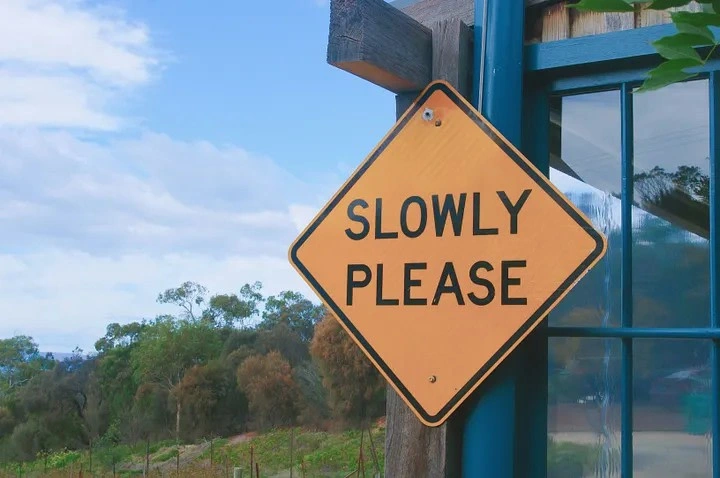
Photo by Rainy Wong on Unsplash
Runners like to push themselves. You want to run faster, so you train hard to prepare for faster races. Until you get injured.
As you age, you expect to lose pace. When returning from injury, you expect to lose pace. Combine the two, and you have the perfect pace-losing storm. It should be the ultimate runner's frustration. To begin with, it most definitely was. But something happened. I started to realize I loved slow running!
Pace is relative
Your running pace can become all-consuming, particularly when new to the sport. PRs are the name of the game, and everything is geared to that aim.
Of course, pace is relative. One person’s fast pace may not seem so fast to someone else. Yet, that is irrelevant. It is fast to the one person that matters: the person doing the running.
However, what happens when you can’t run as quickly as you once did? Not being able to do what you once could is a general gripe in life as you get older. It is not something exclusive to runners.
However, when you have been injured and are on the comeback trail, slow running is usually the order of the day.
Instead of getting grumpy about this, you should embrace running slower miles with open arms. At least you are running again. The bottom line is that it is slow-running, to begin with, or not running. For me, the choice is a no-brainer.
Not so long back, you were grumpy because you couldn’t run. Therefore, getting grumpy because you aren’t running as fast as you would hope feels a little ungrateful at best.
Slow running is when you are running below your normal pace. You can easily hold a conversation. You may call it a jog. It should feel comfortable and less challenging than your regular runs.
But there are other reasons why you should learn to embrace and love slow running.
1. More enjoyable
Running is rewarding, but darn, it can be hard too when pushing yourself to the max. After a stint on the sidelines through injury or as you move through the decades, this effort seems to intensify further.
Once you have swept aside any notions that deliberately running slower is inherently wrong, you soon realize it is enjoyable. You may find it more enjoyable than running at a breakneck pace!
Most runners will include an easy-paced, longer run in their training schedule. Slow running is simply an extension of this, one that relieves potential mental stress from trying to hit pacing targets too soon.
It is chilled running for a more chilled runner.
2. Less likely to quit
Slow running reduces the chance of quitting in a huff because you are not hitting ambitious pacing targets on your return from injury.
There is a point to this that can’t be stressed enough. You are still running, regardless of the pace. The physical and mental benefits of slow running still far outweigh the alternative of quitting and returning to couch life.
Running slower miles, at least at the start when coming back from injury, removes unrealistic pacing aims that could otherwise suck all the fun out of your running and derail your comeback.
3. Allows you to concentrate on form
When the body is in its prime, running fast can seem a natural extension of a mechanical beast operating at maximum efficiency. When the body is not in its prime, the mechanics can feel like they need constant tinkering.
Running at a slower pace allows you to concentrate on your stride. You can concentrate on your running form and iron out any glitches.
When I returned to running after a lengthy injury break, I was running on the toes of my left foot. This imbalance created an inefficiency in my running style that threatened further injury issues.
Running at a slower pace provides an opportunity to focus on and correct such issues. Faster running focuses on performance over technique and would likely have me back to square one on the injury front.
4. Reduces injury risk
Slow running reduces the force of the impact on the joints, muscles, tendons, and ligaments. Slow running also reduces the risk of over-striding and pulling muscles.
When you run at a slower pace, you are giving your body more time to adjust to being back running.
You may still have faster running as your aim, but to achieve that, you need your body to stay healthy. Slow running can form the base from where you gradually increase your mileage while minimizing the risk of aggravating old injuries.
Need some more reasons to embrace slow running?
Patience is a virtue. This is a statement you often hear and one which, perversely, you can become impatient of hearing. However, it needs to be heeded when you have not run for some time.
While a general level of fitness may have survived your injury lay-off if you have found other ways to exercise, how quickly your ‘running fitness’ vanishes can still be a nasty surprise. This is particularly so as you get a little older.
However, you can’t rush recovery from injury or you will soon be crocked again. Once you accept a patient approach, the idea of slow running becomes more amenable.
If you remain unconvinced about slow running, let me offer further benefits.
Improves recovery: muscles are less fatigued, which allows you to build a base that aids continued recovery from injury.
More energy: you feel fresher and more energized after a run, which boosts confidence and motivation.
Builds mental strength: slower running may not come naturally, but the discipline involved in prolonged slow runs can boost mental endurance going forward in your comeback.
More time to ponder: faster running requires more concentration, whereas when you run at a slower pace, you have more time to admire the world around you and think about whatever takes your fancy. Creative types can look forward to coming up with new ideas while out on a run. Just make sure you remain aware of your surroundings!
Builds an aerobic base: the run may be slow, but it still serves a purpose in building your aerobic fitness to provide the base for building in faster running when appropriate.
Final thoughts
Slow running was not a choice when I returned from a long injury lay-off, but an inevitability. A gentle jog was all I could muster while I regained fitness levels and the confidence that my body wouldn’t break down again.
The pace may have increased now, but much of my running can still be classed as slow. It continues to form the base from where I gradually increase mileage and pace.
Eventually, I hope to reintroduce some form of speed session, but for now, a weekly steadier run combined with slow runs is seeing good, gradual improvements.
I am enjoying running again. I have come to embrace running slow miles as part of my training routine.
Less physical and mental stress from slow running is aiding my recovery, preventing further injury setbacks, and allowing me to focus on improving my running form.
Go on. If you are on the comeback trail or finding running has lost its edge, give slow running a whirl. You will be surprised how enjoyable and rewarding it is.
Like this project
Posted Nov 18, 2025
Freelancer embraced slow running, aiding recovery and improving running form.
Likes
0
Views
4