Flare! Campus Safety Solution

Andrew Kim


Link to project: https://andrewsong.kim/flare-ibm
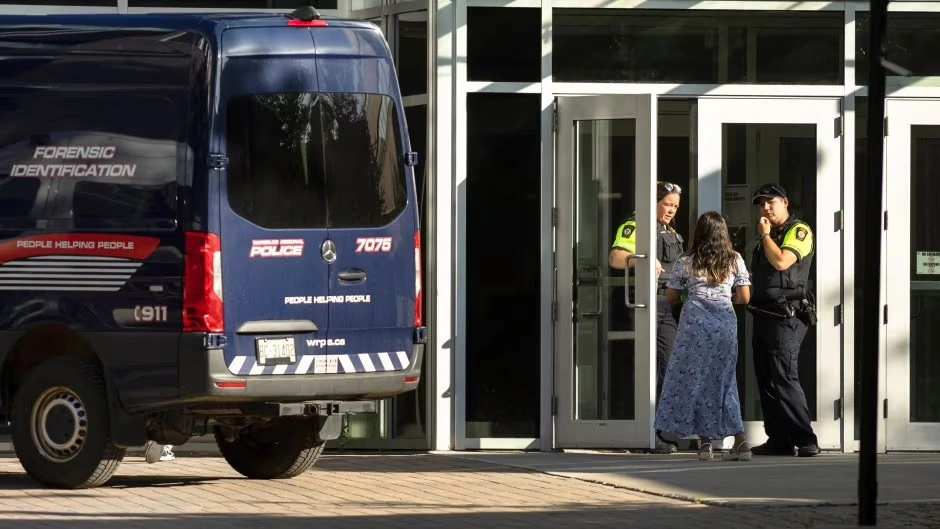
It started like any other day on campus until an unexpected incident tested the university’s safety system. It failed. Many students never received alerts, or got them 90 minutes late.
This experience led us to ask: Why weren’t students engaging with the safety system? What was getting in the way of preparedness? Our research pointed to optimism bias* which discourages students from taking proactive safety measures and weakens crisis response.
To bridge the gap between perception and preparedness, a research question was proposed:
How can we improve existing campus response systems to mitigate optimism bias and encourage proactive emergency preparedness, promoting a safer campus environment?
To first guide our research, we first used an assumption map to visualize our research and plotted them on an impact-effort matrix to identify which themes were the most important to further validate and test.
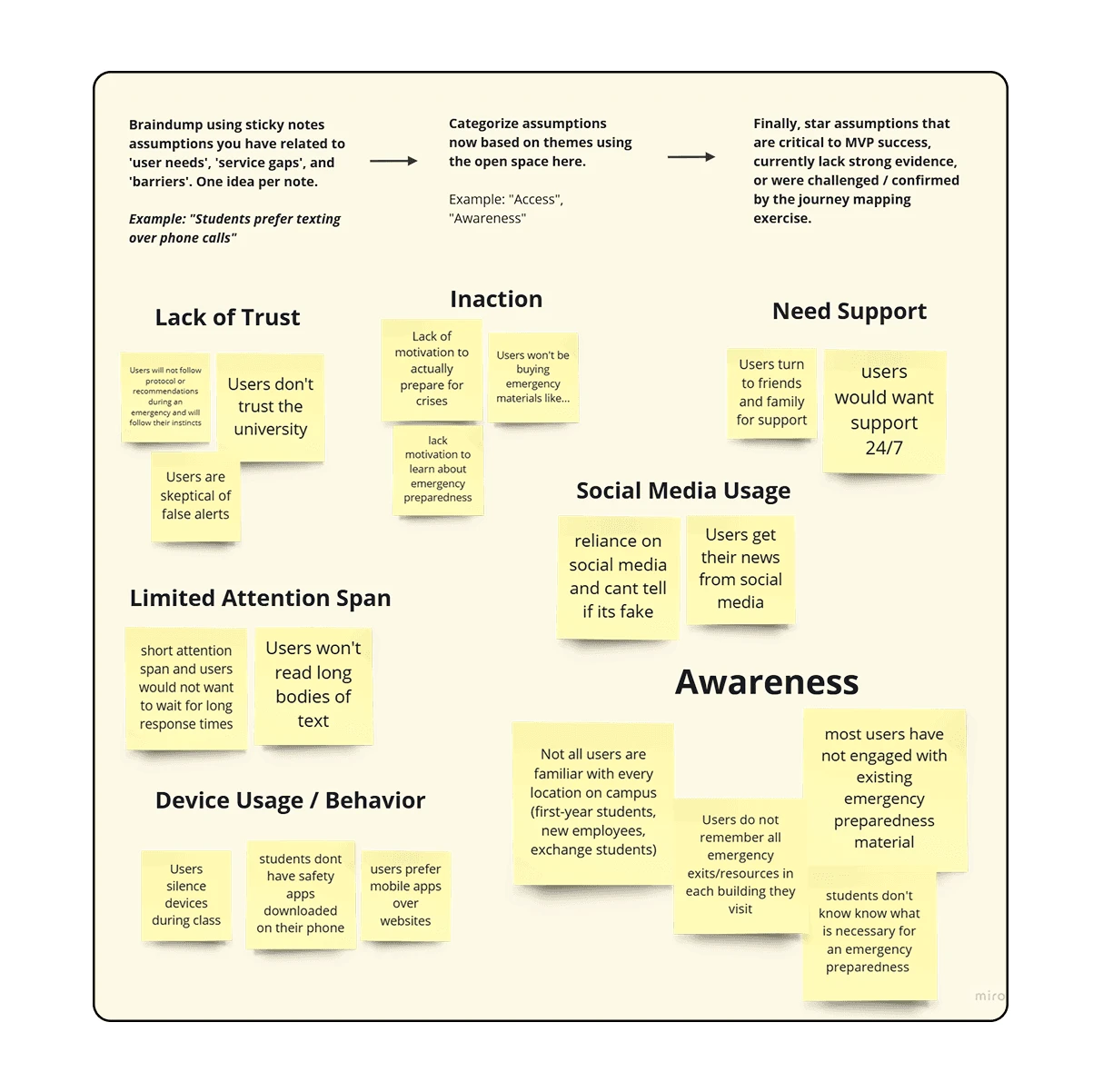
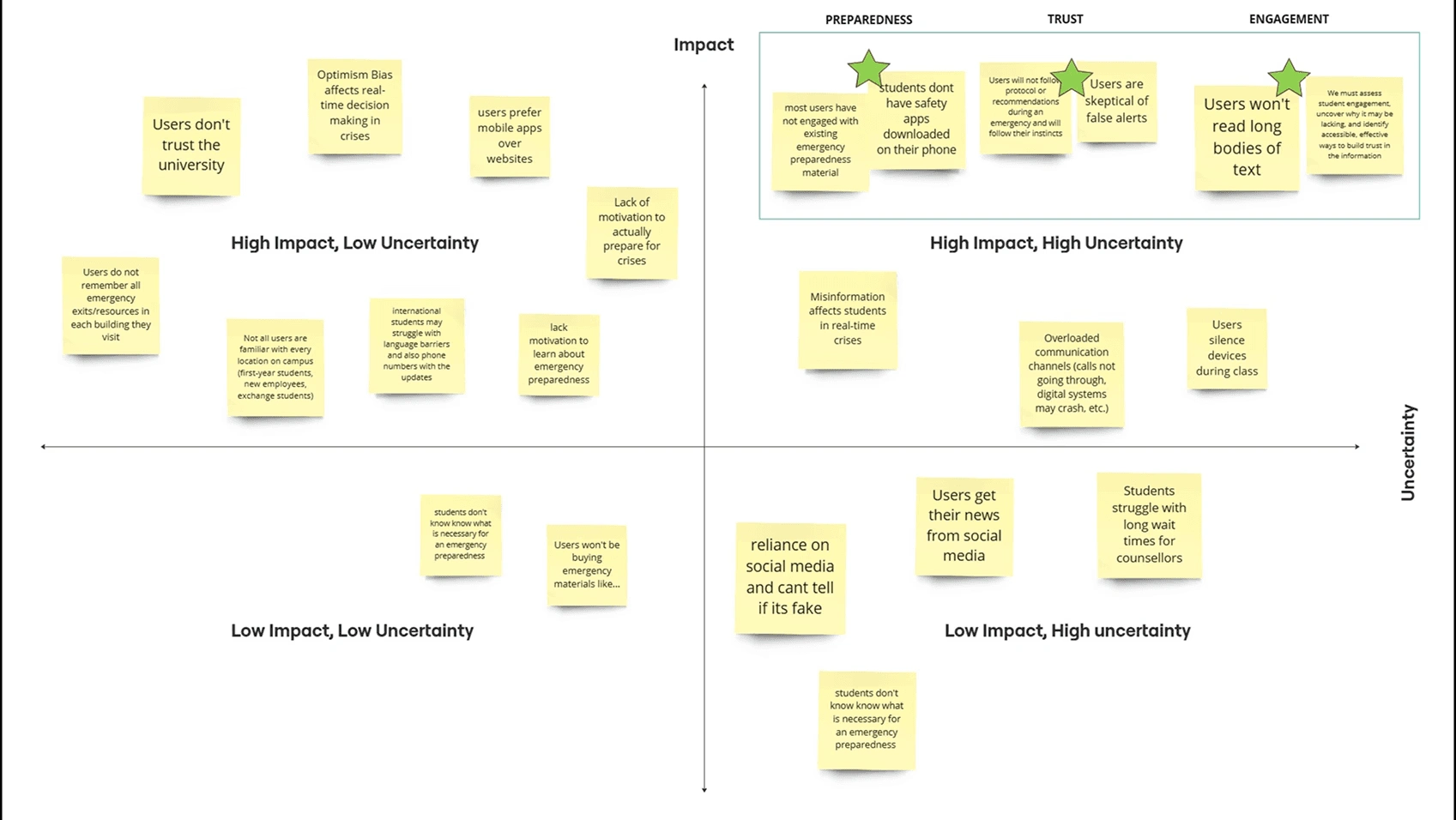
Looking at the top right, I concluded words that described the three core themes were the most impactful and required more research. These included preparedness, trust, and engagement.
We then brainstormed methods to test each core theme. With this information in mind, we began our primary research design.
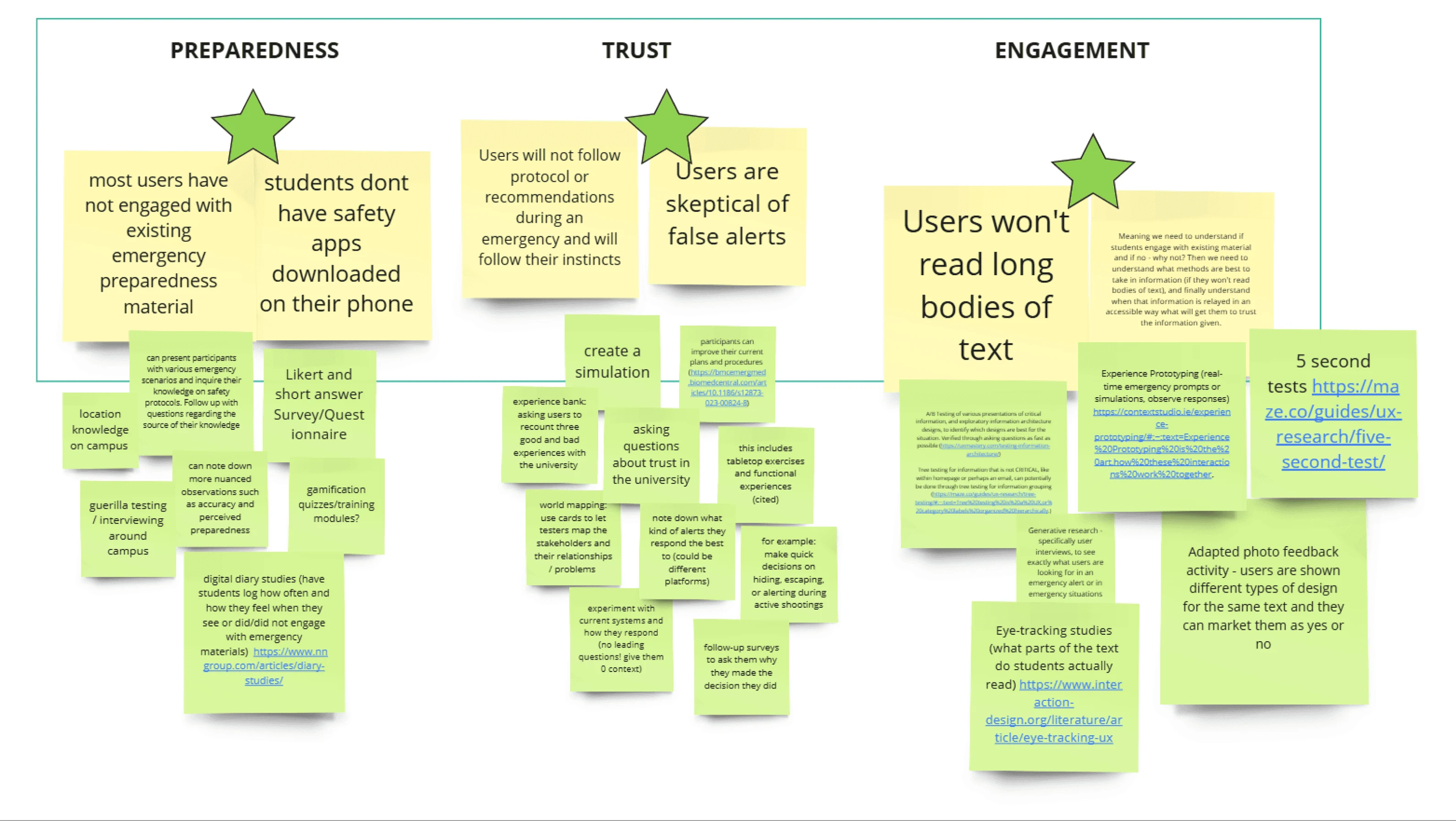
Starting with our survey, it had 4 sections consisting of; demographic information, emergency preparedness, trust and engagement in communication sources, and responses to emergency scenarios.
To round out our survey we ended with a reflection question to see if the survey had changed their perspective on their own preparedness and if they were encouraged to take further actions.
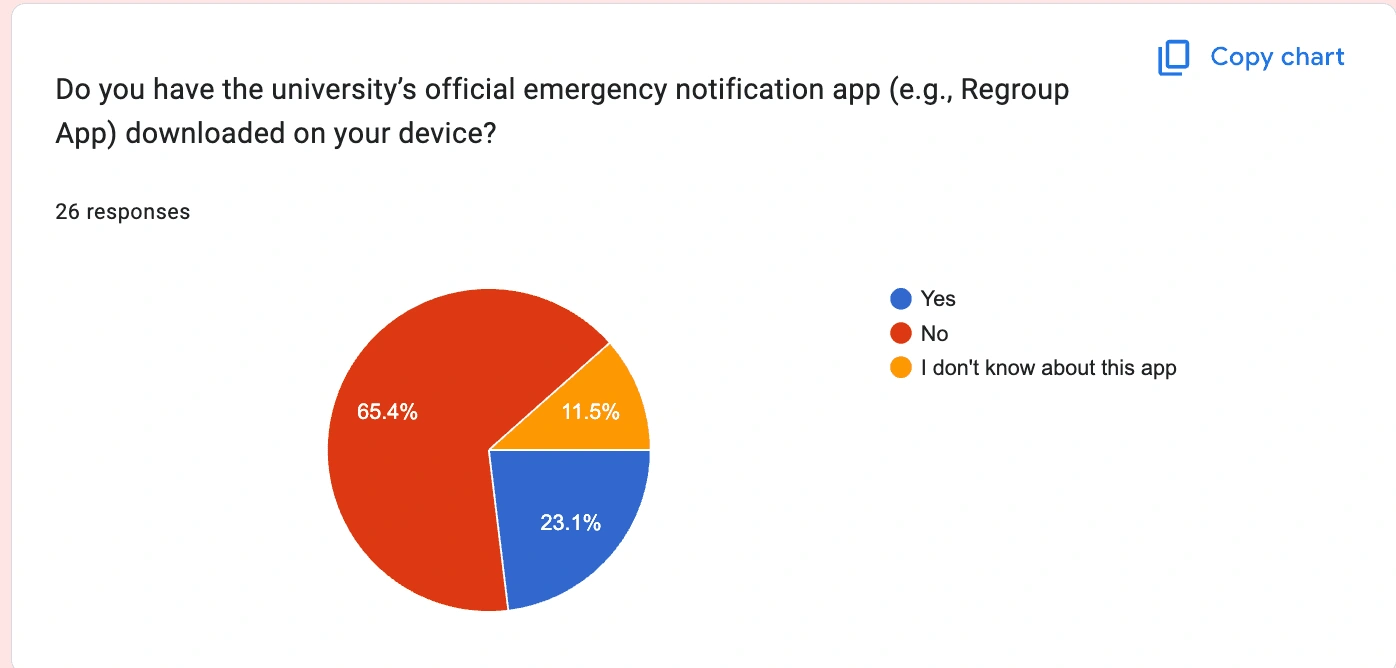
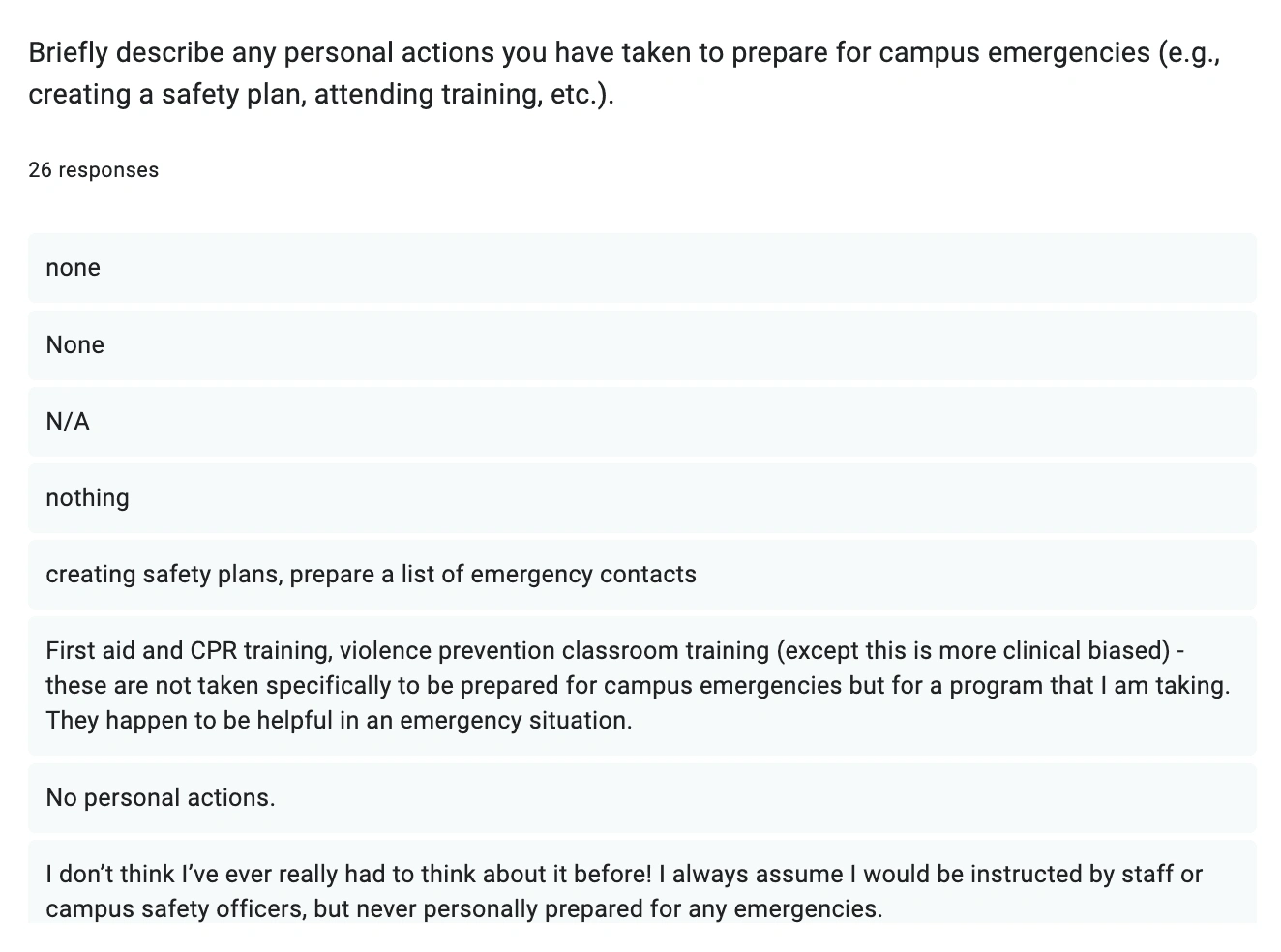
Figure 3: Survey response examples in 'preparedness' section in terms of action and preparing for crises.
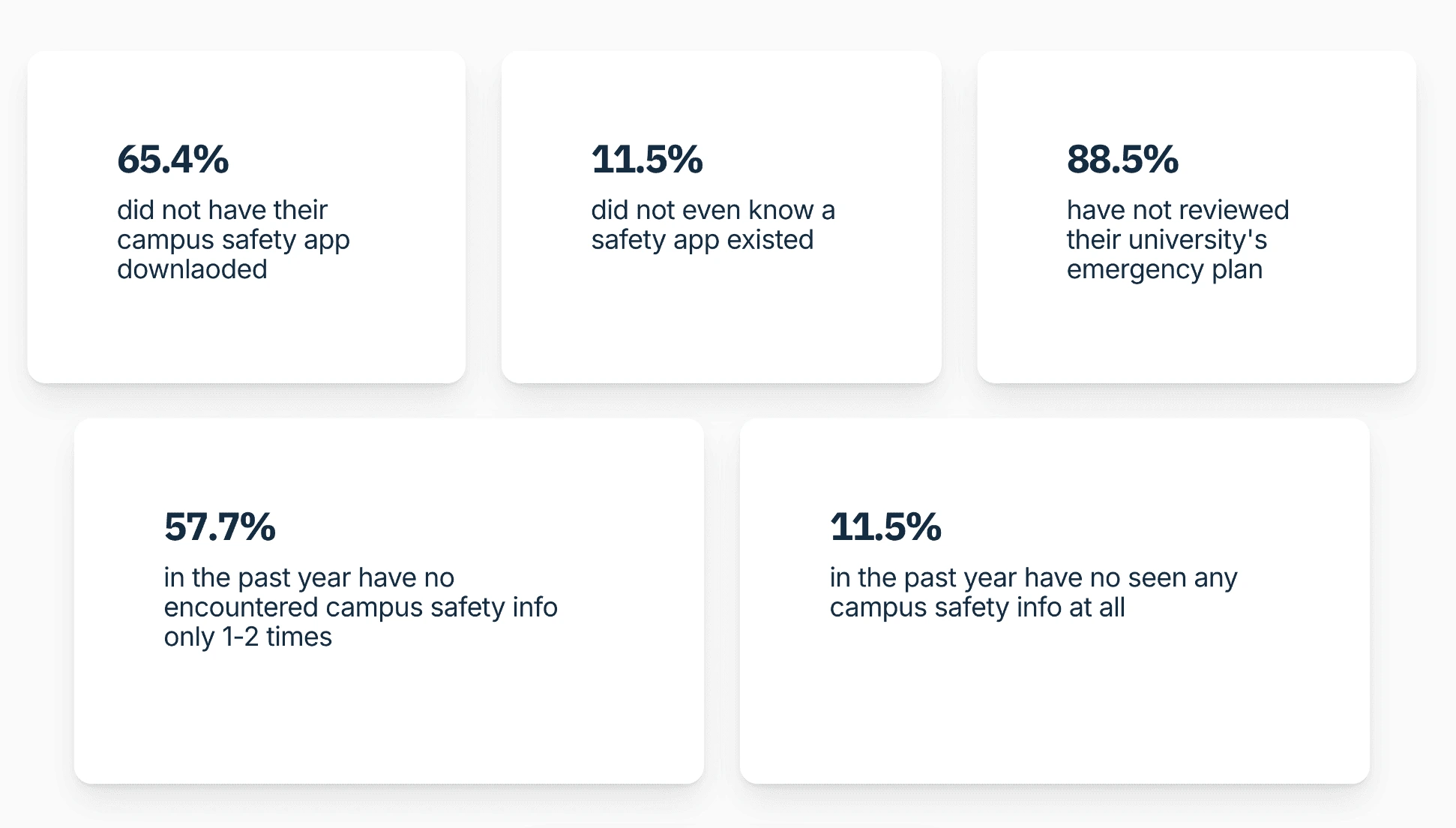
Our survey of 26 students across Ontario revealed a concerning trend:
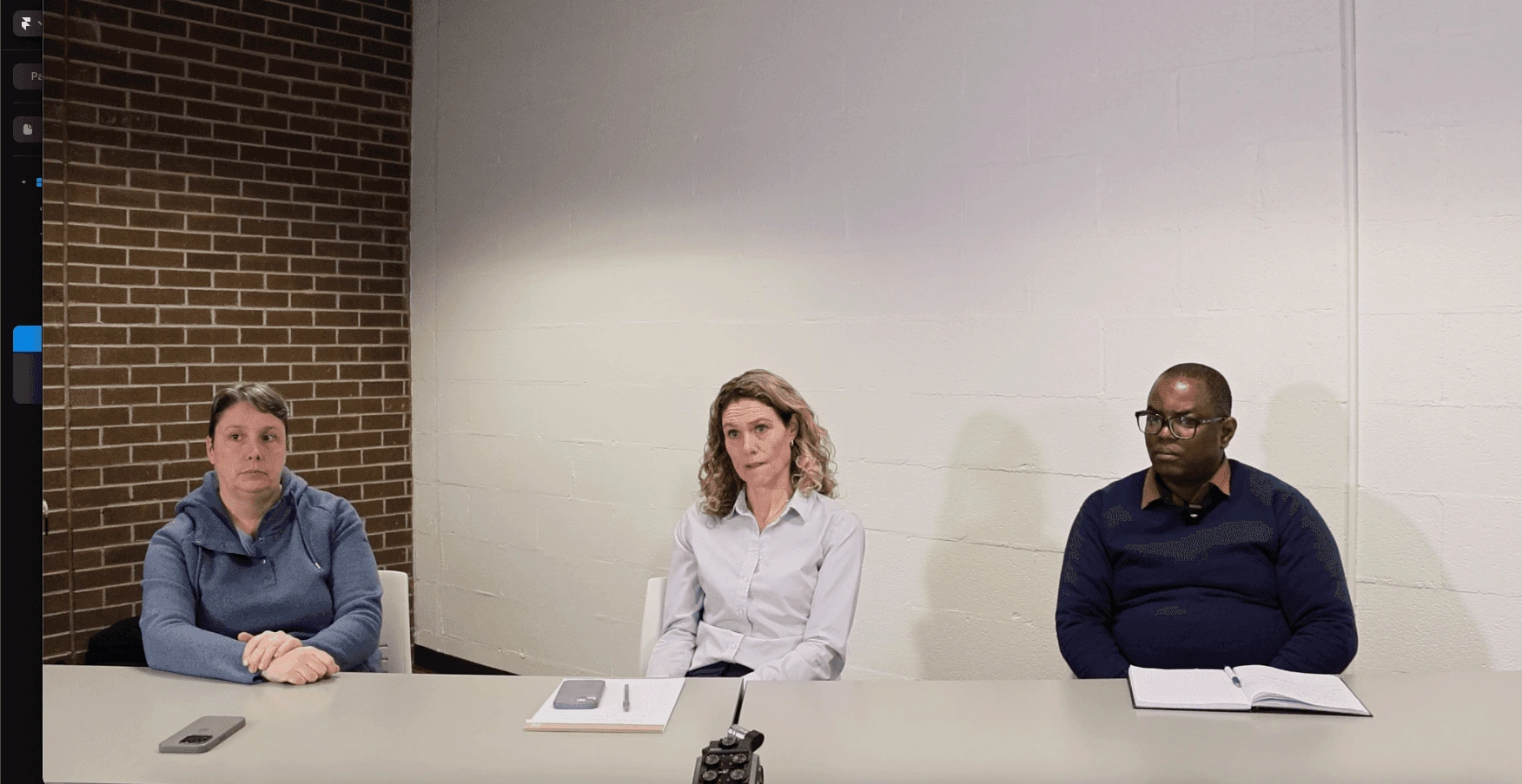
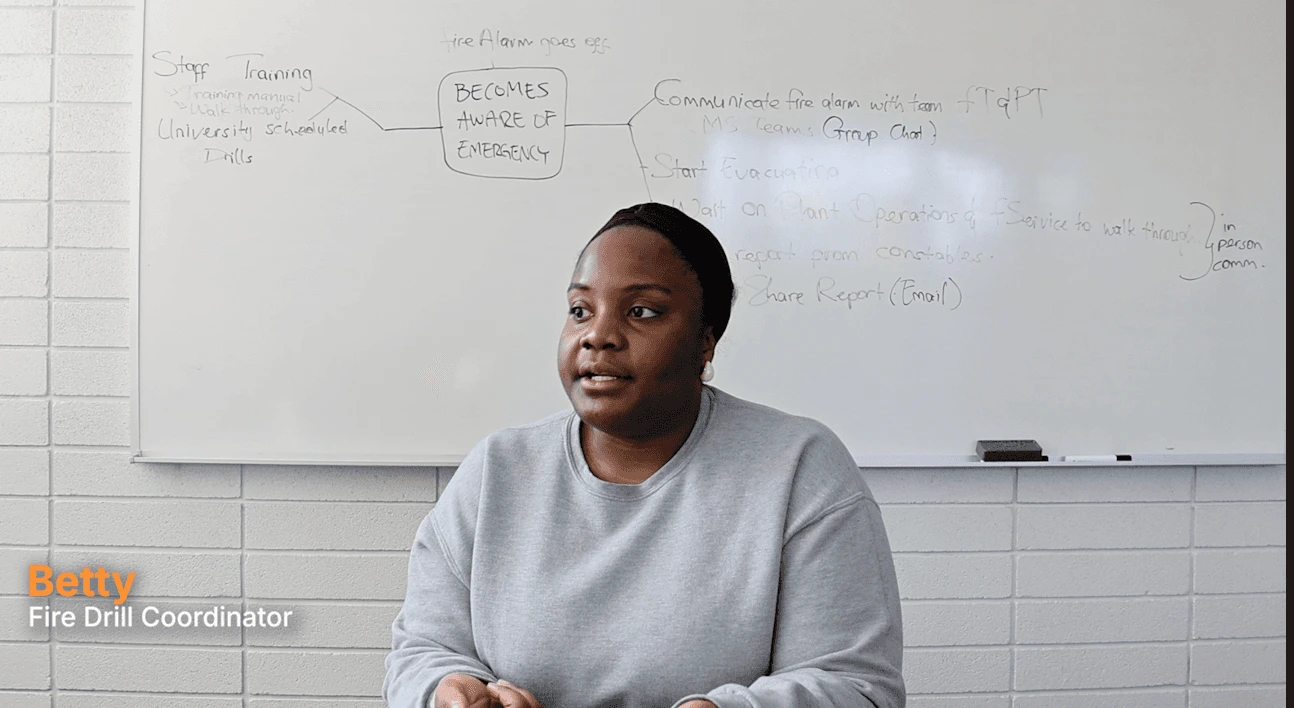
After the survey, I conducted stakeholder interviews along with my team by crafting semi-structured interview questions and conducted activities for the participants to test insights with current systems and/or competitors.
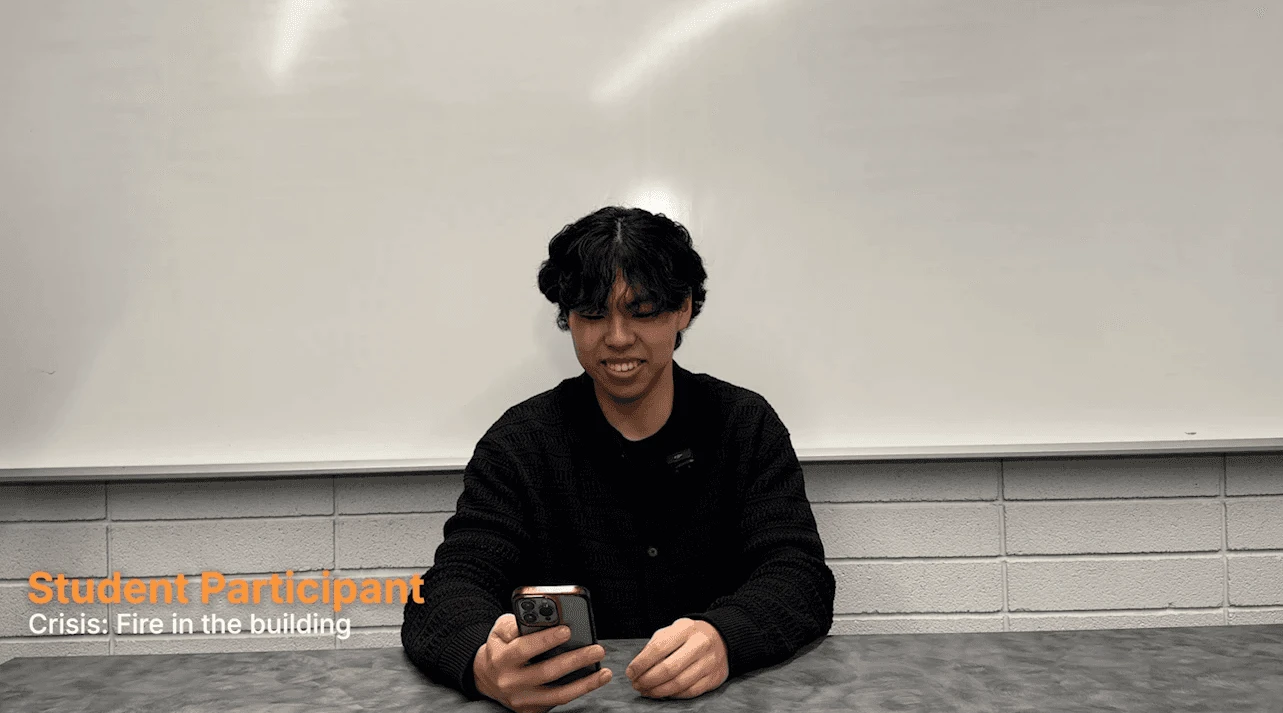
I designed and conducted a five-second engagement test mainly for the front-end stakeholders which are the students. My goal here was to use 5-second tests on current designs to assess users' recall and measure what information users take away while also asking follow-up questions regarding trust and preparedness.
In short, our research confirmed three key insights:
Existing communication protocol falls short.
Training makes a difference, but existing designs are not engaging.
Campuses lack a culture of preparedness
After our primary and secondary research, we conducted multiple brainstorming sessions to visualize solutions that address these gaps. At this stage of the project, my role continues as a videographer and marketer, while also allowing me the exciting opportunity to contribute to the brand identity of Flare!.
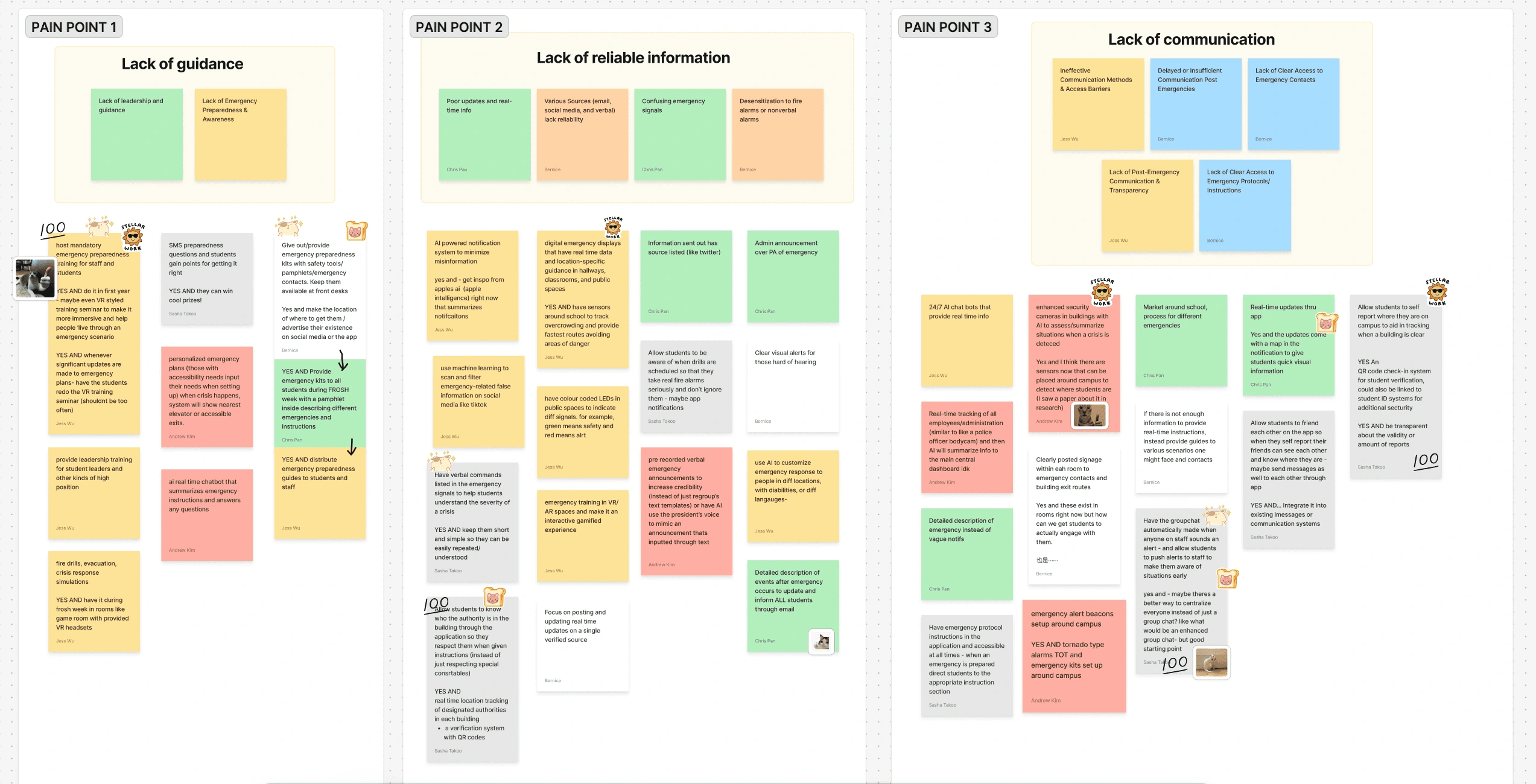
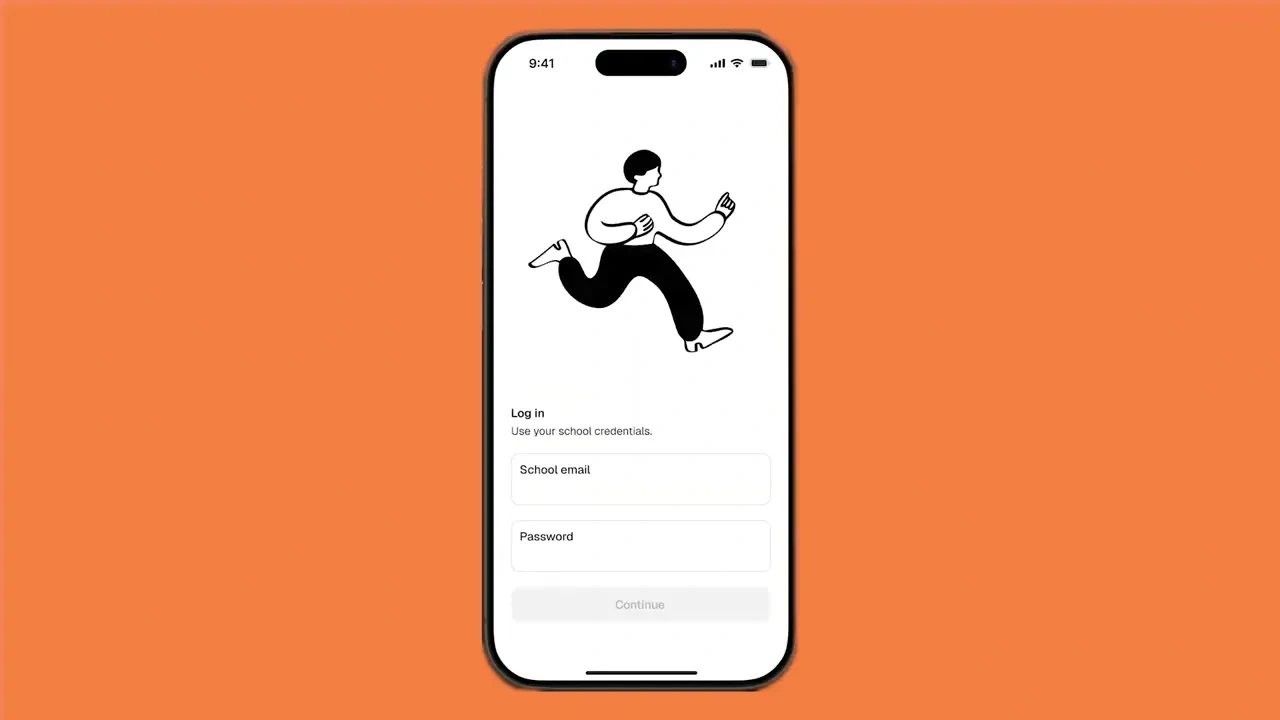
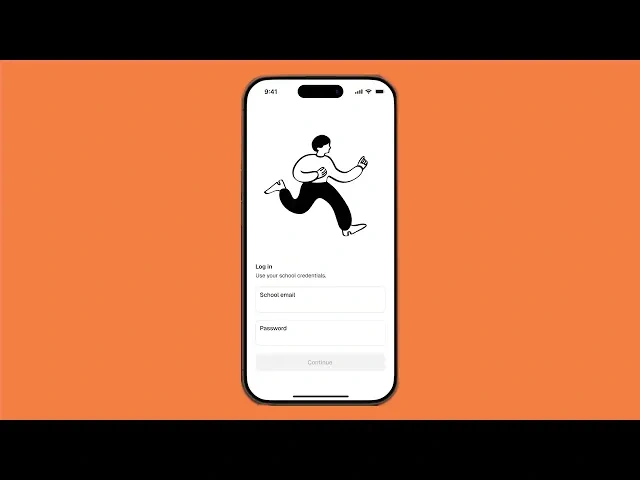
In comes Flare, our full-circle 3-pillar safety solution for campuses, combining mobile, web, branded physical outreach, and a managed business backend to make preparedness visible, actionable, and scalable. To showcase our solution in the most depth, here I utilized Adobe After Effects and Adobe Premiere Pro to visually story tell the experience of Flare! through the user journey of Anaya.
To view the whole 10-minute video including real footage from our stakeholder interviews which I fully edited, you can watch the full thing here.
That’s why Flare doesn’t just act as a tool. It builds a culture of preparedness,= one that actively combats optimism bias, the dangerous belief that “it won’t happen to me.” By showing up in students’ lives regularly through physical outreach, engaging training, and a useful alert system, we normalize safety behaviours and keep preparedness top-of-mind, not out-of-sight until it’s too late.
This culture reinforces good habits early, before students ever face a crisis. It encourages proactive learning, builds confidence, and makes awareness a shared value
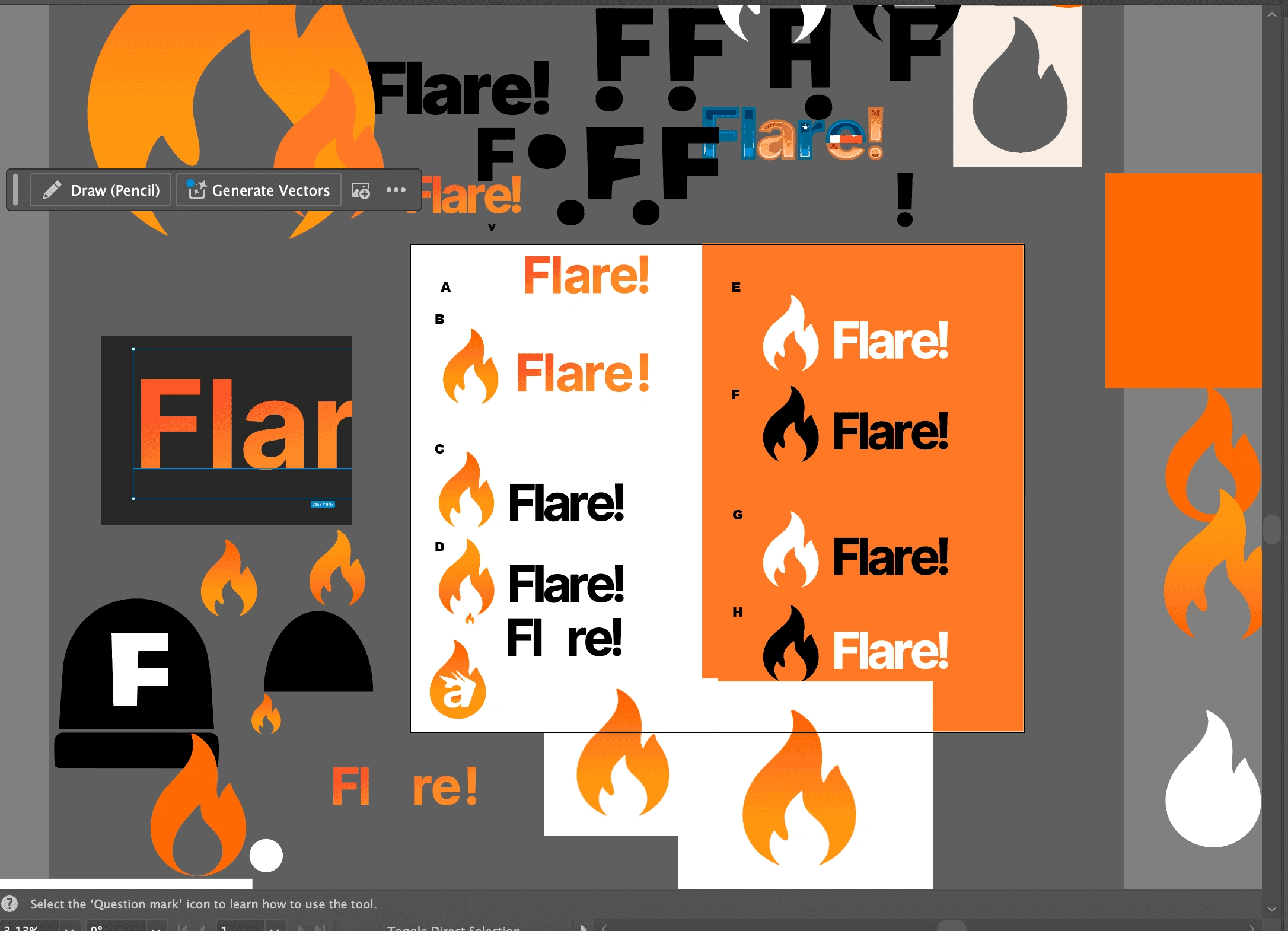
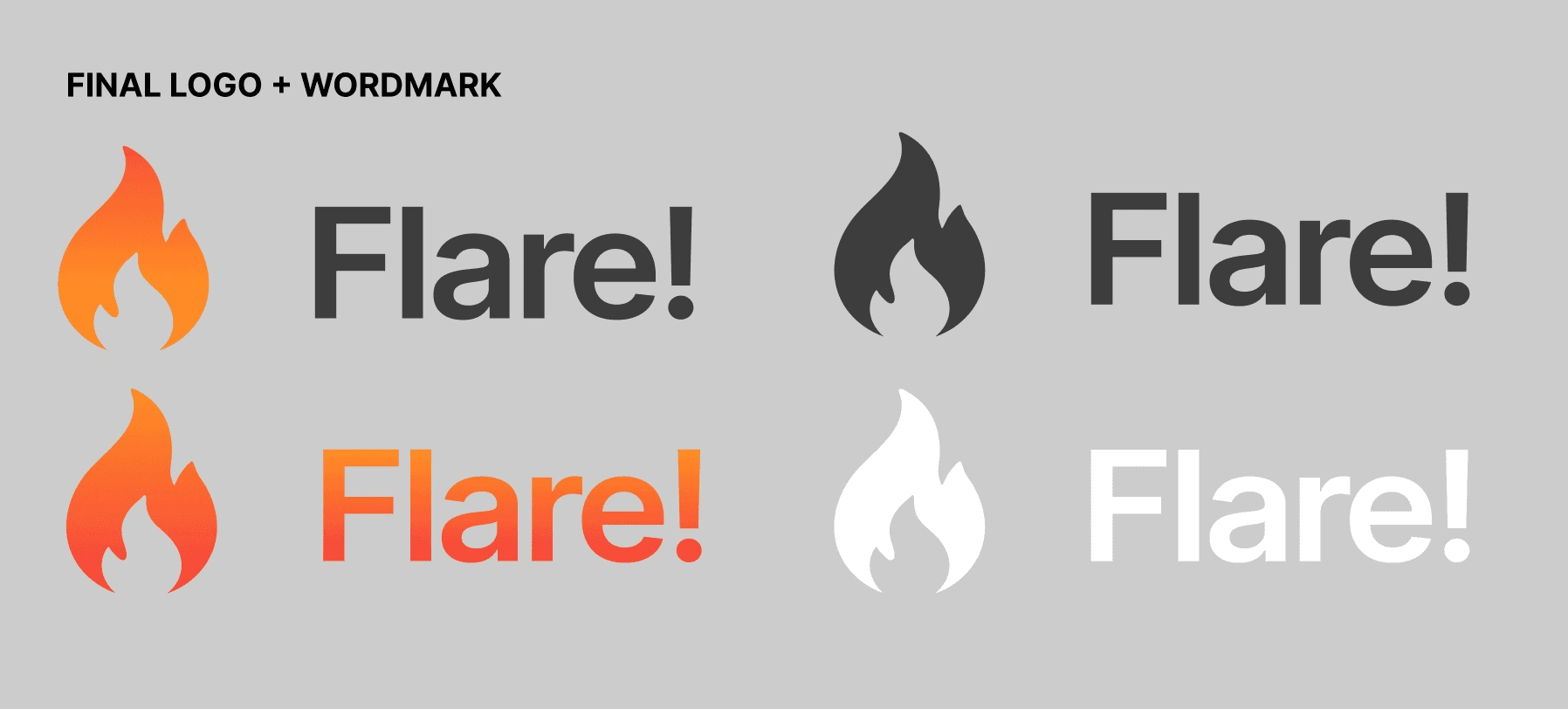
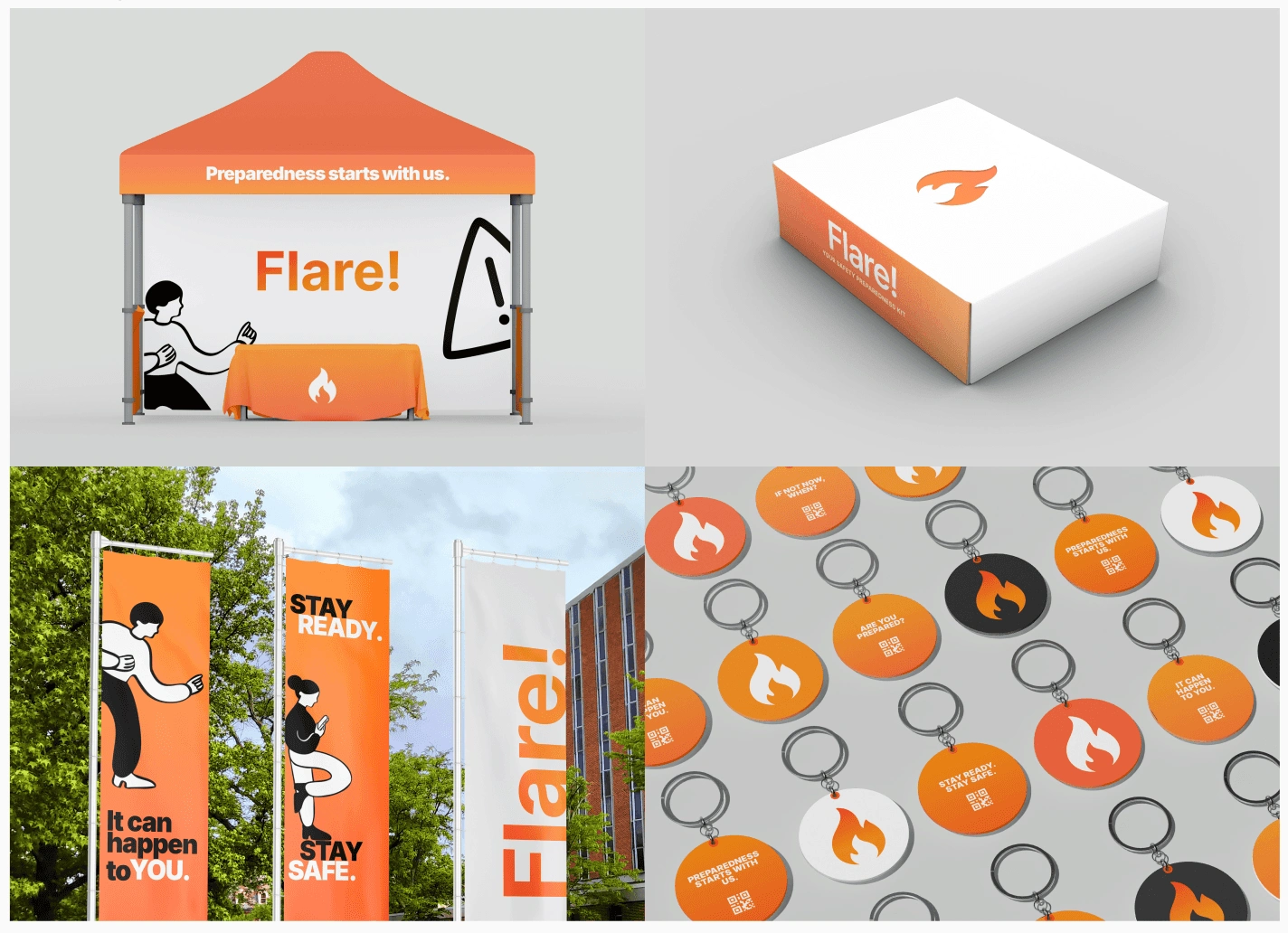
After countless iterations in both Adobe Photoshop and Adobe Illustrator, I helped establish wordmark as well as icon logo to Flare!'s brand. As well as physical mockups such as branded keychains and event mockups.
Like this project
Posted Jul 2, 2025
Developed Flare!, a campus safety solution, using Adobe tools to enhance emergency preparedness.