Business Plan Development for Bastara at KBMK 2021

Yudi Yusanto Susanto


KBMK 2021
Kompetisi Mahasiswa Nasional Bidang Ilmu Bisnis, Manajemen dan Keuangan (KBMK)
We're making a business plan about Bastara for KBMK 2021 Competition.
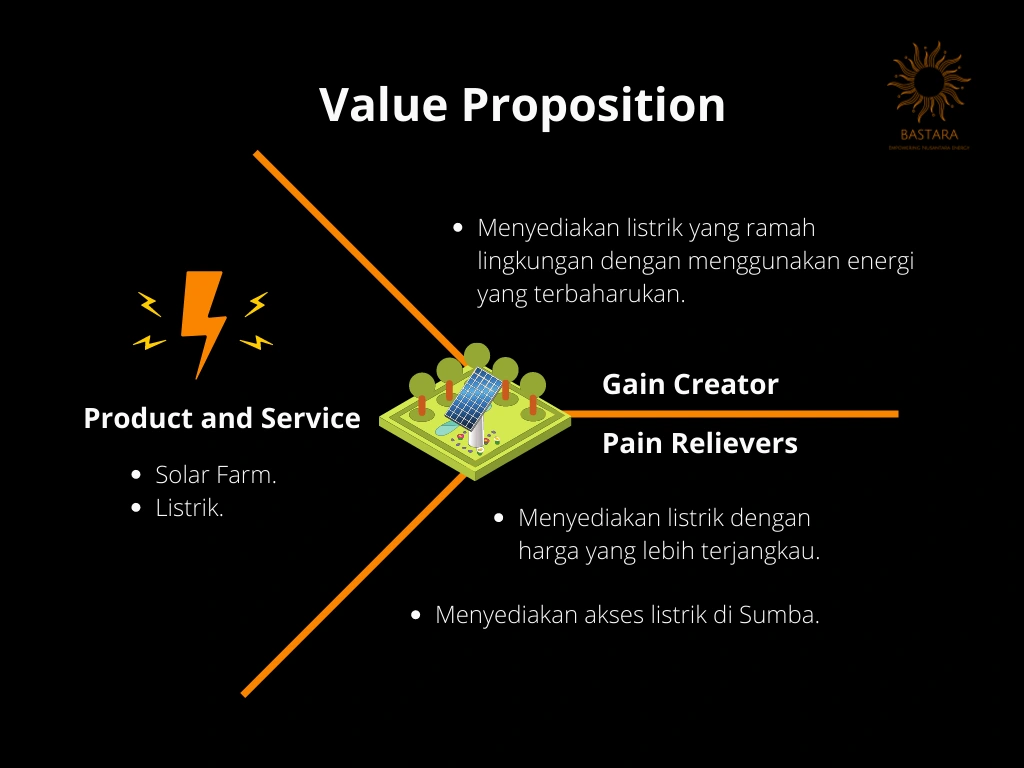
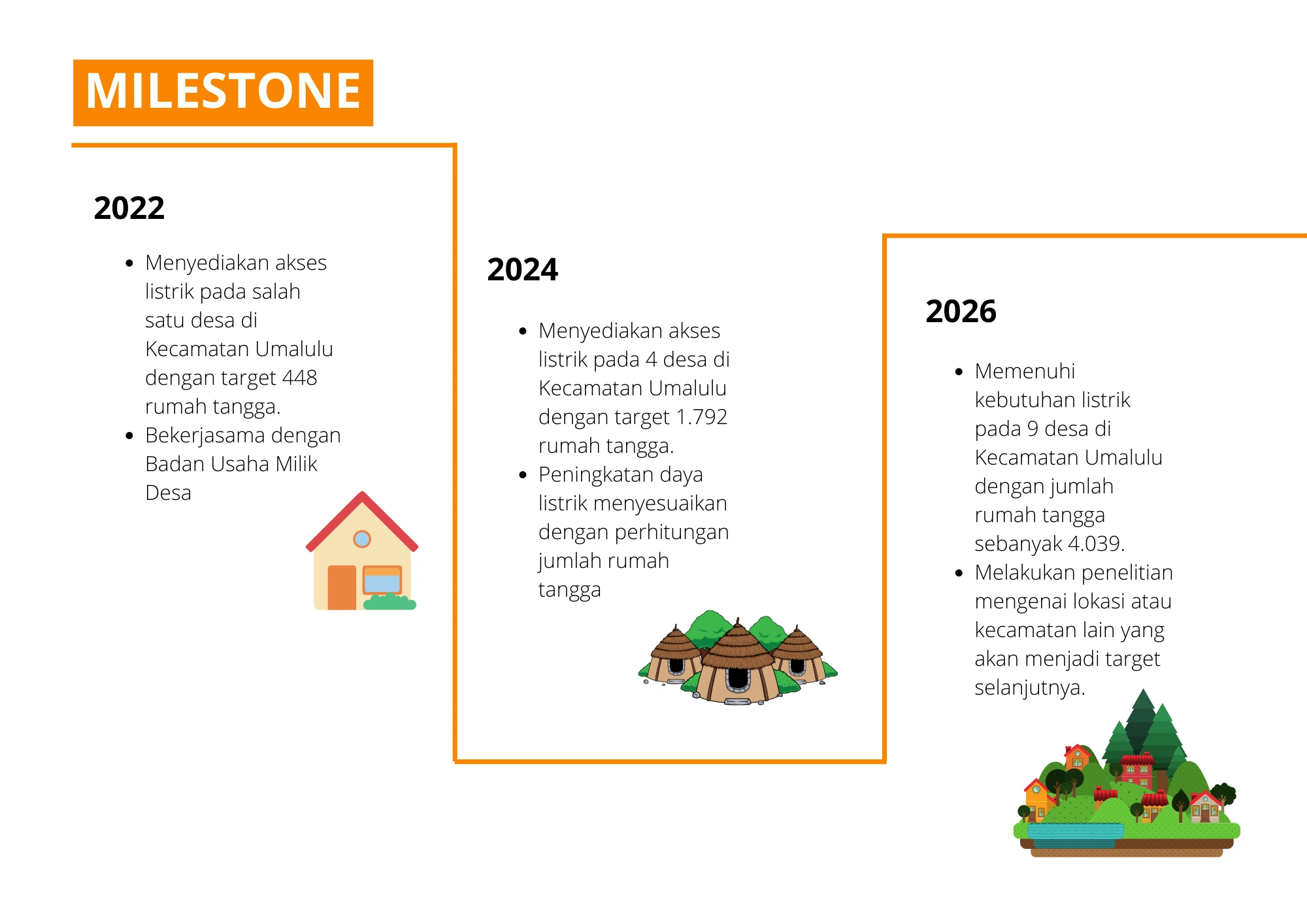
Bastara is a startup that aims to support the use of renewable energy through solar power by collaborating with BUMDes to make it easier for the community to build solar fields. In addition to this, this startup also supports the procurement of electricity and the improvement of educational infrastructure in the Sumba area.
Bastara Logo
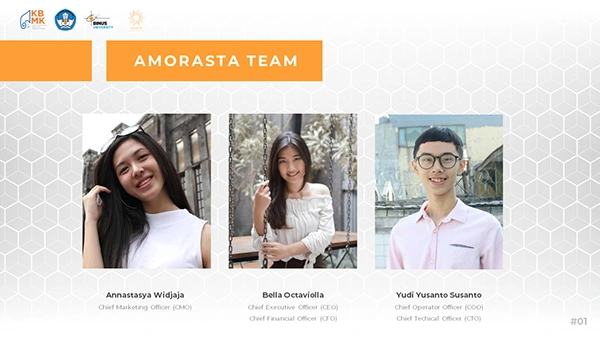
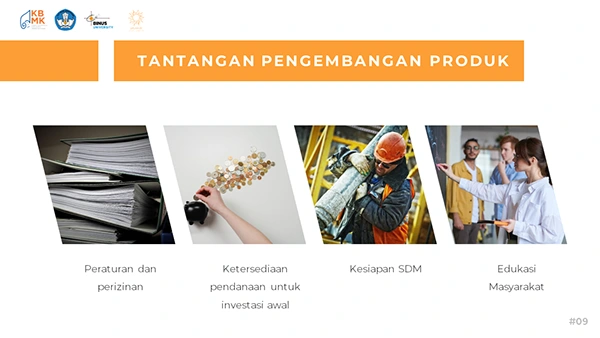
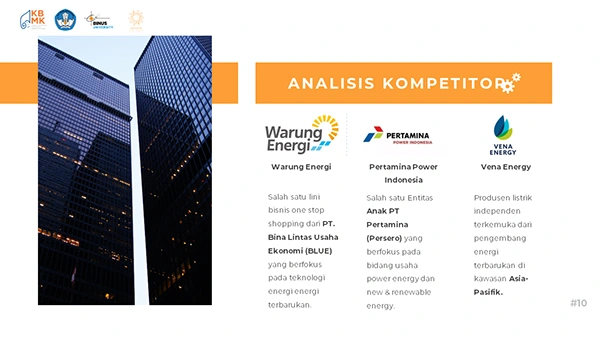
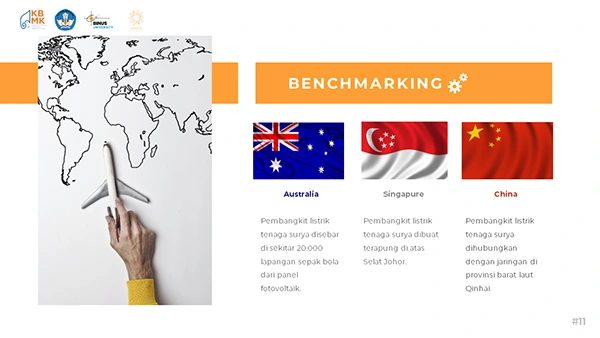
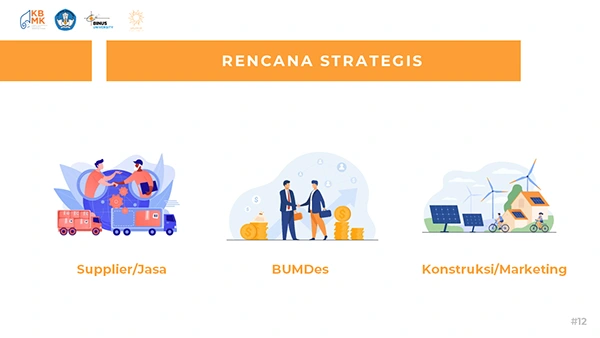
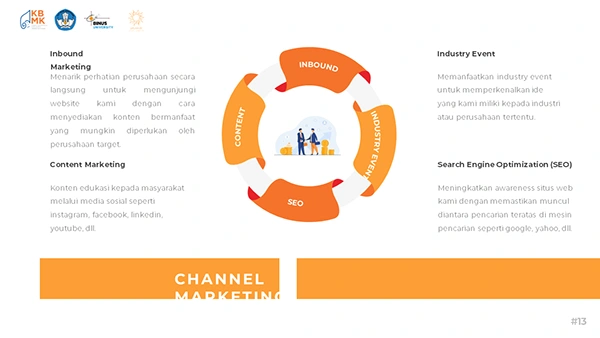
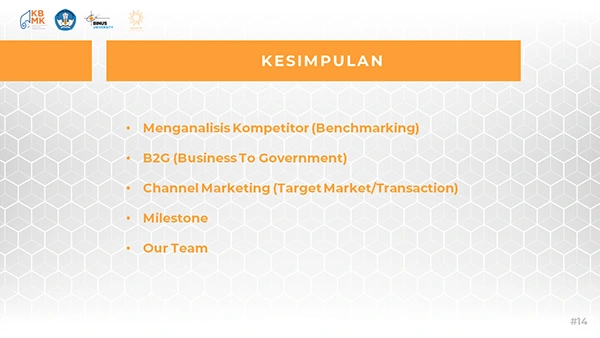
Bastara Pitch Slides
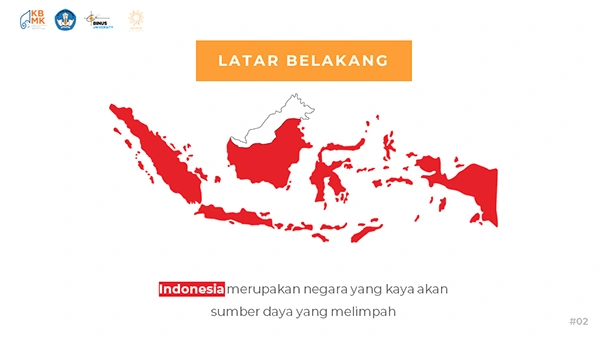
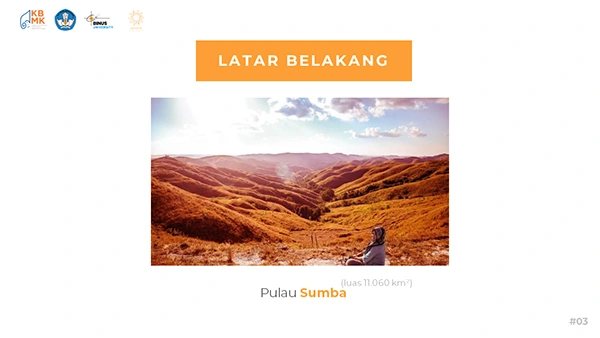
Indonesia is a country rich in abundant resources. These resources make Indonesia more advanced and able to compete with other countries. Both in terms of human resources, culture or various products spread from Sabang to Merauke. One of them can be found in the southern part of the East Nusa Tenggara Islands. Sumba Island, an area which has an area of 11,060 km² with a dry season lasting for 7–9 months, has also contributed to his work and expressed his local wisdom (Widiyono and Wahyu 2008). But the infrastructure owned by Sumba Island can be said to be lower than other islands. We can see this from the lack of electricity and water on Sumba Island.
Electricity is an important thing in our daily life. Especially during the current COVID-19 pandemic, it is absolutely necessary for online learning purposes. That's why we created a bastard where we use solar technology to generate electricity for our daily needs.
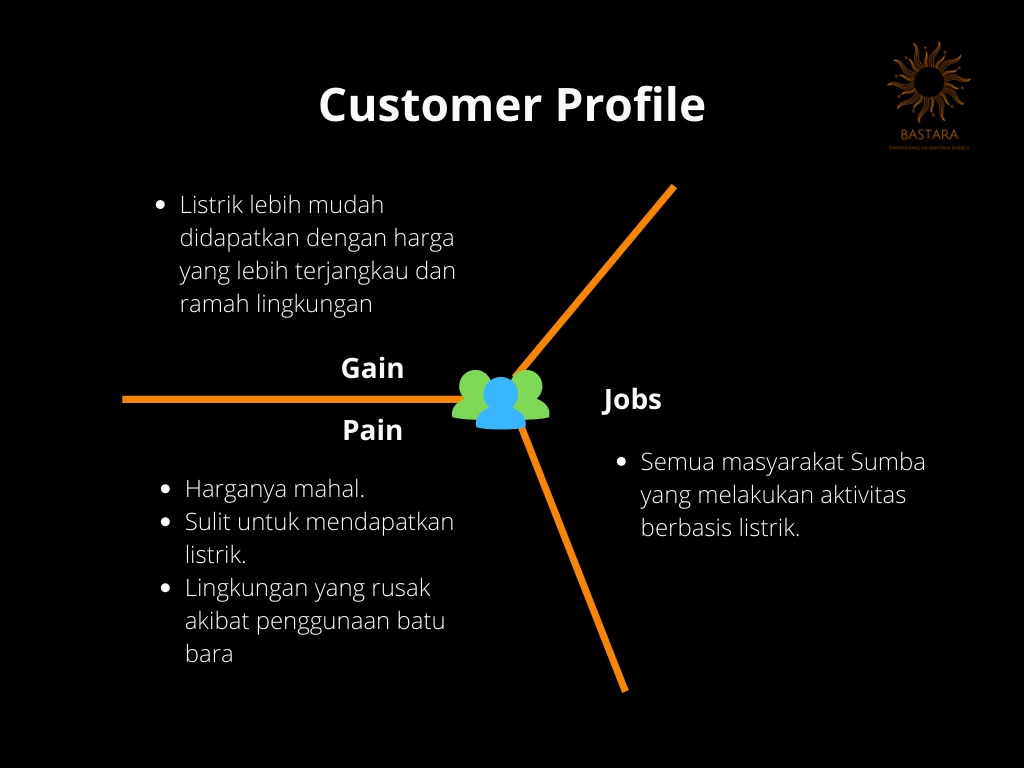
According to the results of our analysis using PESTEL analysis, on the part of Indonesian politics it is necessary to seek and present the use of alternative energy so that it will provide greater space for local governments to manage consumption and supply energy sources. In terms of technology, it is undeniable that the use of technology must be supported by adequate electricity. On the economic side, during the pandemic the increased use of electricity made it difficult for people to pay electricity bills. In the social section, we identified a problem where the people of Sumba have difficulty carrying out activities in the afternoon until the evening because of the difficulty of accessing electricity. On the environmental side, we see Sumba as having enormous natural resource potential. And legally, the Regulation of the Minister of Energy and Mineral Resources of the Republic of Indonesia Number 12 of 2017 concerning Utilization of Renewable Energy Sources for the Provision of Electric Power point a explains that in order to realize national energy security and reduce the level of carbon dioxide (CO2) emissions, the use of renewable energy sources for the interests of electricity must be prioritized.
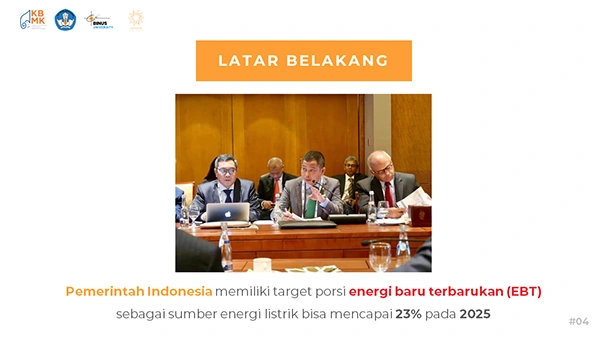
In addition, the Government of Indonesia has a target for the portion of new and renewable energy (EBT) as a source of electrical energy to reach 23 percent by 2025. However, until the end of 2017, the portion of EBT has only reached 12.15 percent. According to the Chairman of Commission VII of the Indonesian House of Representatives, Sugeng Suparwoto in September 2020, he emphasized that the potential for solar energy on Sumba Island could reach 60 gigawatts. In addition, Sumba Island has the highest intensity of solar radiation in Indonesia, which is 5.7 kilo watt hour per square meter per day according to Harris, Director of Various New and Renewable Energy at the Directorate General of EBTKE, Ministry of Energy and Mineral Resources in December 2020. This data shows that Sumba Island is very suitable for using solar panels as a solar power plant (PLTS).
Therefore, we, consisting of Annastasya Widjaja, Bella Octaviolla and Yudi Yusanto Susanto from Creativepreneurship BINUS University, created a startup called Bastara to answer this problem.
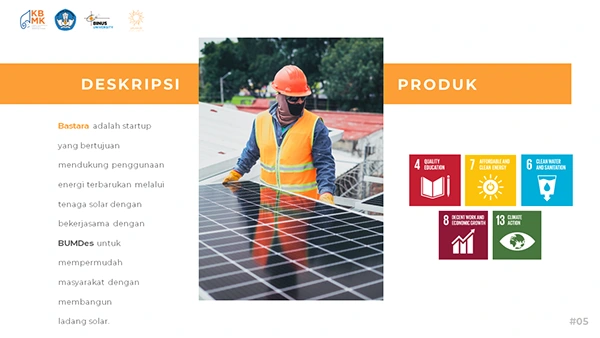
Bastara is a startup that aims to support the use of renewable energy through solar power by collaborating with BUMDes to make it easier for the community to build solar fields. In addition to this, this startup also supports the procurement of electricity and the improvement of educational infrastructure in the Sumba area. The main focus of this startup is sustainable development or SDGs at point 4 regarding education, point 6 regarding the availability of clean water, point 7 regarding affordable and sustainable energy, point 8 regarding economic growth and labor and point 13 regarding pollution.
A solar field is a collection of solar panels. Solar panels are power plants that use Solar Photovoltaic (PV) solar cells. PV is usually made in the form of units called modules. The solar module consists of many solar cells arranged in series or parallel. Solar is a semiconductor element that can convert solar energy into electrical energy on the basis of the photovoltaic effect. The power plant is a form of renewable energy in the use of an alternative energy source that is environmentally friendly.
Solar panels are an environmentally friendly power plant. This system does not emit harmful greenhouse gas emissions such as carbon dioxide and does not contribute to climate change. In addition, the resource it uses is the sun where the sun is the most abundant source of energy. Furthermore, the lifetime of solar panels tends to be long, reaching 20-30 years so that users can minimize replacement costs. In addition, to facilitate distribution and access to the community, we collaborate with BUMDes so that this collaboration benefits all parties involved. And as a social responsibility, we will use 10% of the profits to improve educational infrastructure in the surrounding area so that with the Bastara startup, the Sumba area will have access to electricity and improve education infrastructure so that children can learn to the fullest. This is what makes Bastara different from its competitors.
To summarize the business plan that we made, here is the business model canvas from Bastara (shown BMC Bastara).
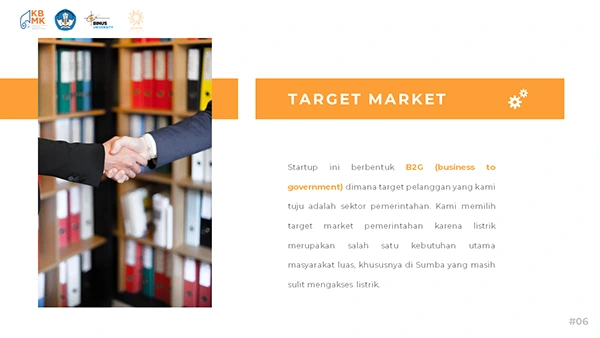
Because we work directly with BUMDes, the business model we use is B2G (Business to Government). Our approach to BUMDes is that we will take a direct approach by conducting counseling, providing an explanation of what benefits will be obtained when using solar panels as a power plant. In addition, we will also use social media to attract investors' attention.
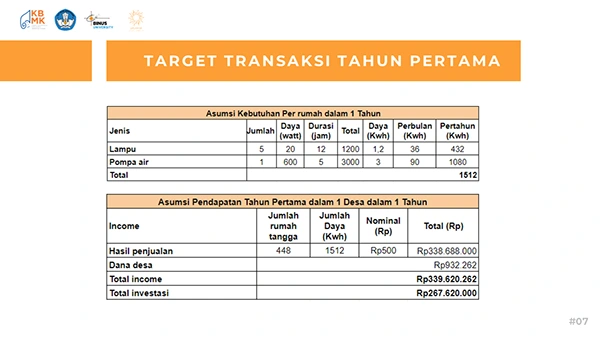
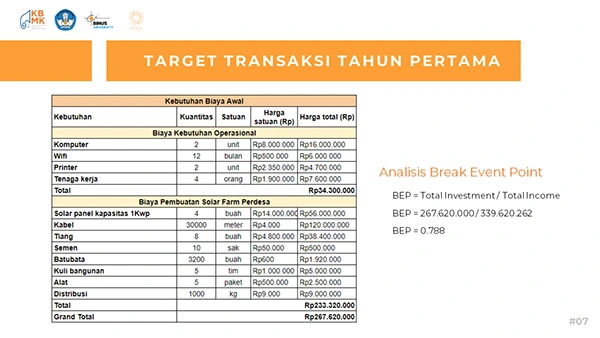
To realize this business idea, we need an initial capital of 106.4 million rupiah, and assuming the first year's income is 5,475,000, the break even point will occur in the 19th year, but there can be an acceleration every year following price increases and the number of investors and the number of grants from the government.
Thus, it can be concluded that this business planning project with a focus on improving infrastructure, the economy, and the environment is feasible because:
1. This startup can improve infrastructure in Sumba and Indonesia as a whole
2. Improving the economy and welfare in Sumba
3. Reducing the drought that occurred in Sumba
4. Improving the standard of living of the people in Sumba
5. Making Indonesia one of the largest producers of Solar Power Plants (PLTS) in the world
6. Improving education in Sumba
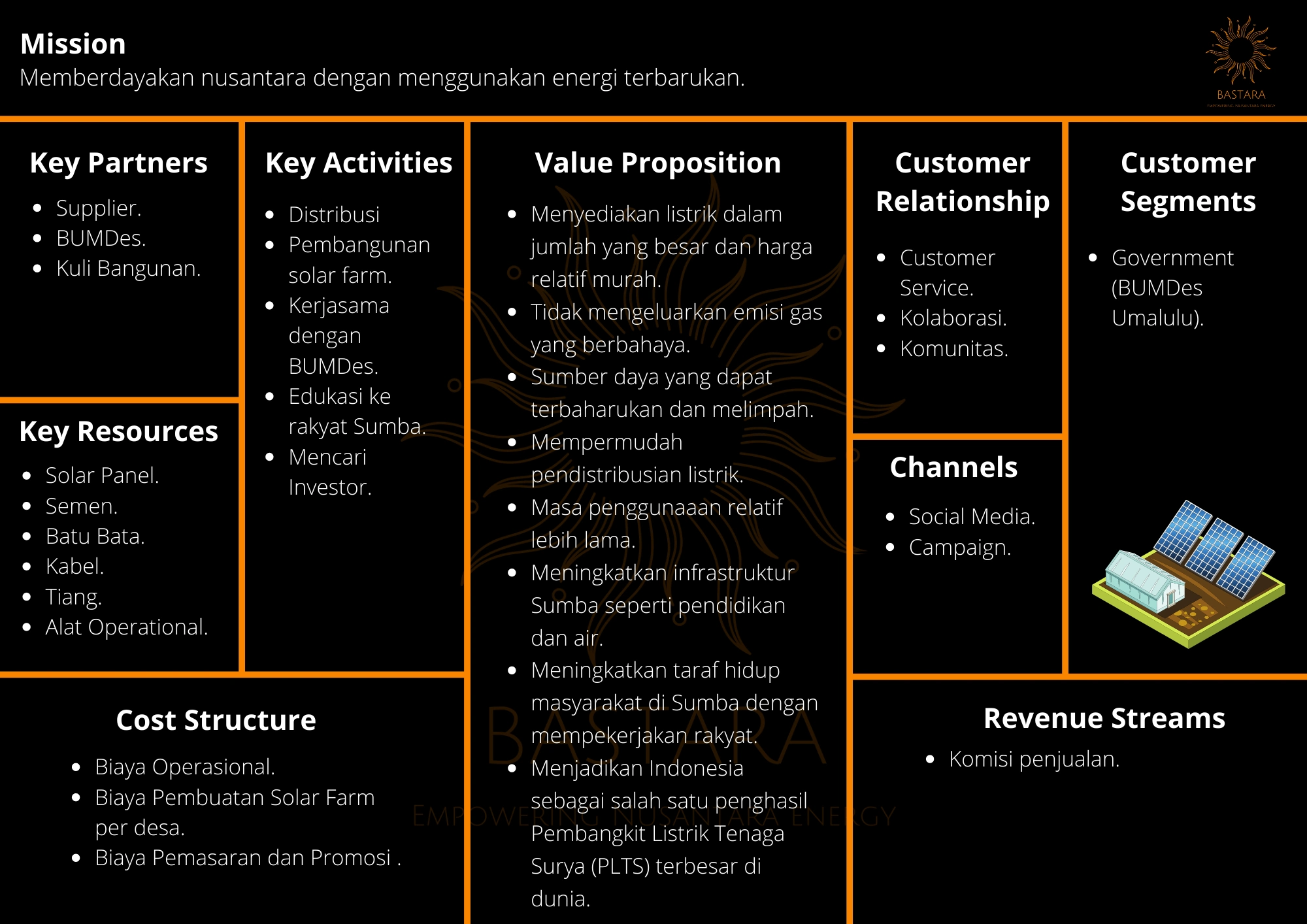
Business Model Canvas (BMC)
Like this project
Posted Aug 29, 2026
Developed a business plan for Bastara, a renewable energy startup, for KBMK 2021 or national competition that being held in Indonesia. The topic is energy.