FoodLover: High-Performance Digital Menu Platform

Mustafa Rbiah


Overview
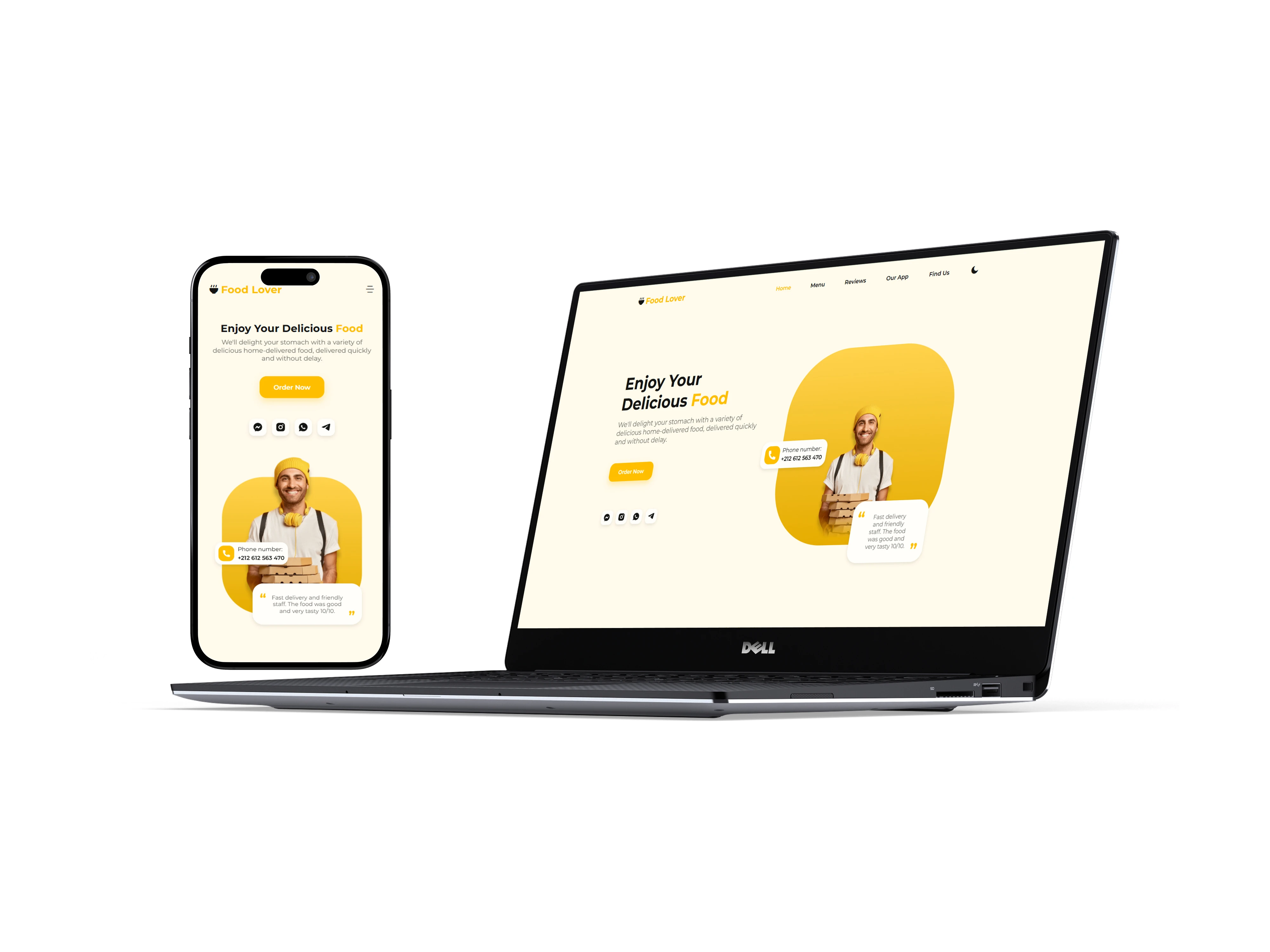
FoodLover is a premium digital menu platform engineered to replace static restaurant menus with a fast, interactive web experience. The goal was to build something that loads instantly on any device, lets customers browse categories and customize orders with zero friction, and feels as polished as a native app without the overhead of one.
Engineering Approach
Zero-Dependency, Framework-Free Architecture
Like all my performance-critical builds, FoodLover runs on Vanilla JavaScript (ES6+) with no frameworks, no bundlers, and no runtime dependencies. Every interaction (category filtering, order customization, dynamic rendering) is handled through hand-written DOM manipulation. The result: a tiny JS footprint and full control over every render cycle.
Dynamic Rendering Engine
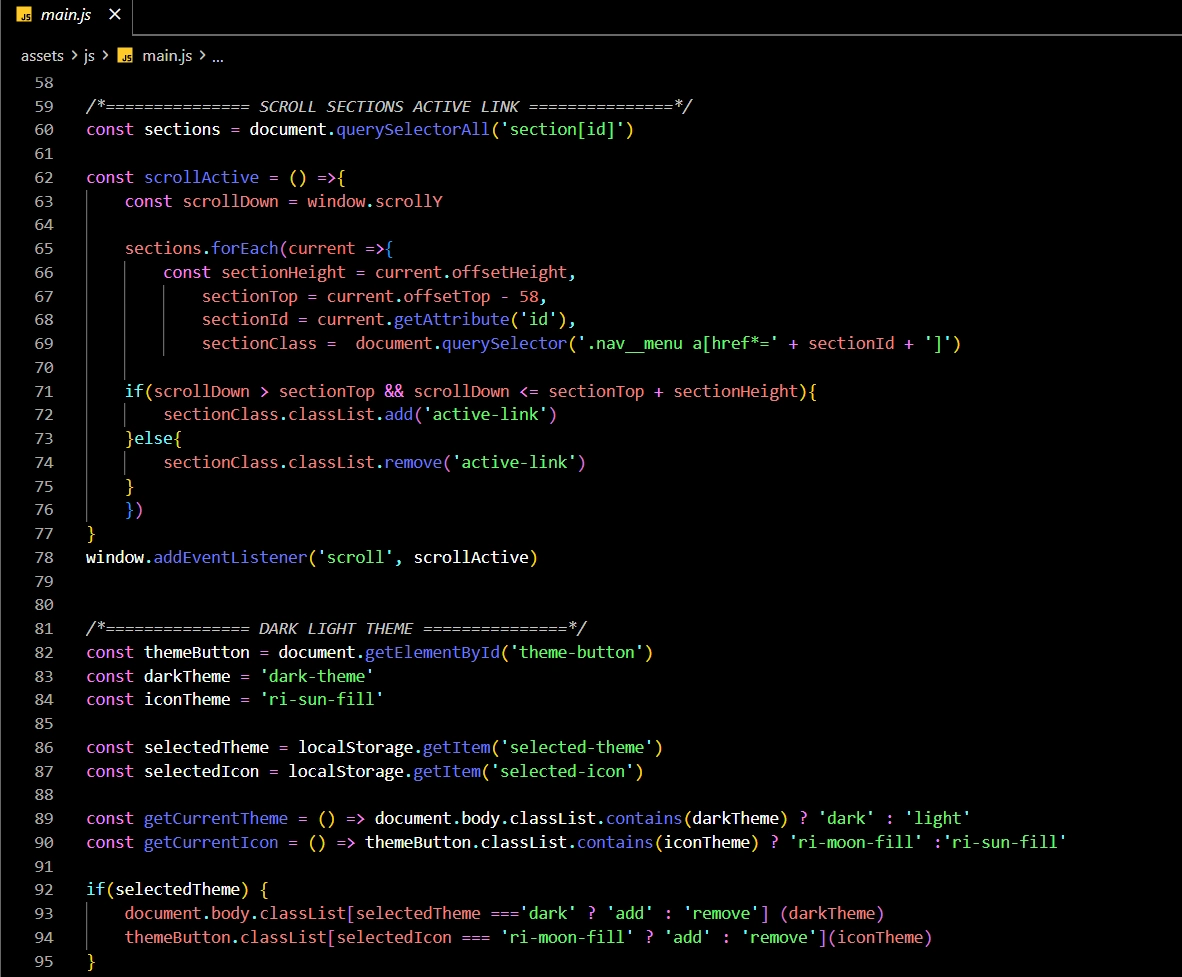
The menu system is entirely data-driven. Food items, categories, and pricing are rendered dynamically from structured data, meaning the entire menu can be updated without touching markup. Key implementation details:
Event delegation for all interactive elements, keeping listener count constant regardless of menu size.
Lazy rendering of off-screen categories to minimize initial DOM weight.
State management handled through a lightweight module pattern, no external store library needed.
Performance Engineering
Speed was non-negotiable for a restaurant context where users are often on mobile networks:
Critical CSS inlined, non-critical styles deferred to eliminate render-blocking resources.
Image optimization with responsive srcset and lazy loading for food photography (the heaviest assets on any restaurant site).
Sub-second Time to Interactive on 3G connections, verified through Lighthouse and WebPageTest.
Total JS payload under 5KB gzipped, keeping the experience snappy even on low-end devices.
Mobile-First Responsive Architecture
The entire layout was engineered mobile-first from 320px upward:
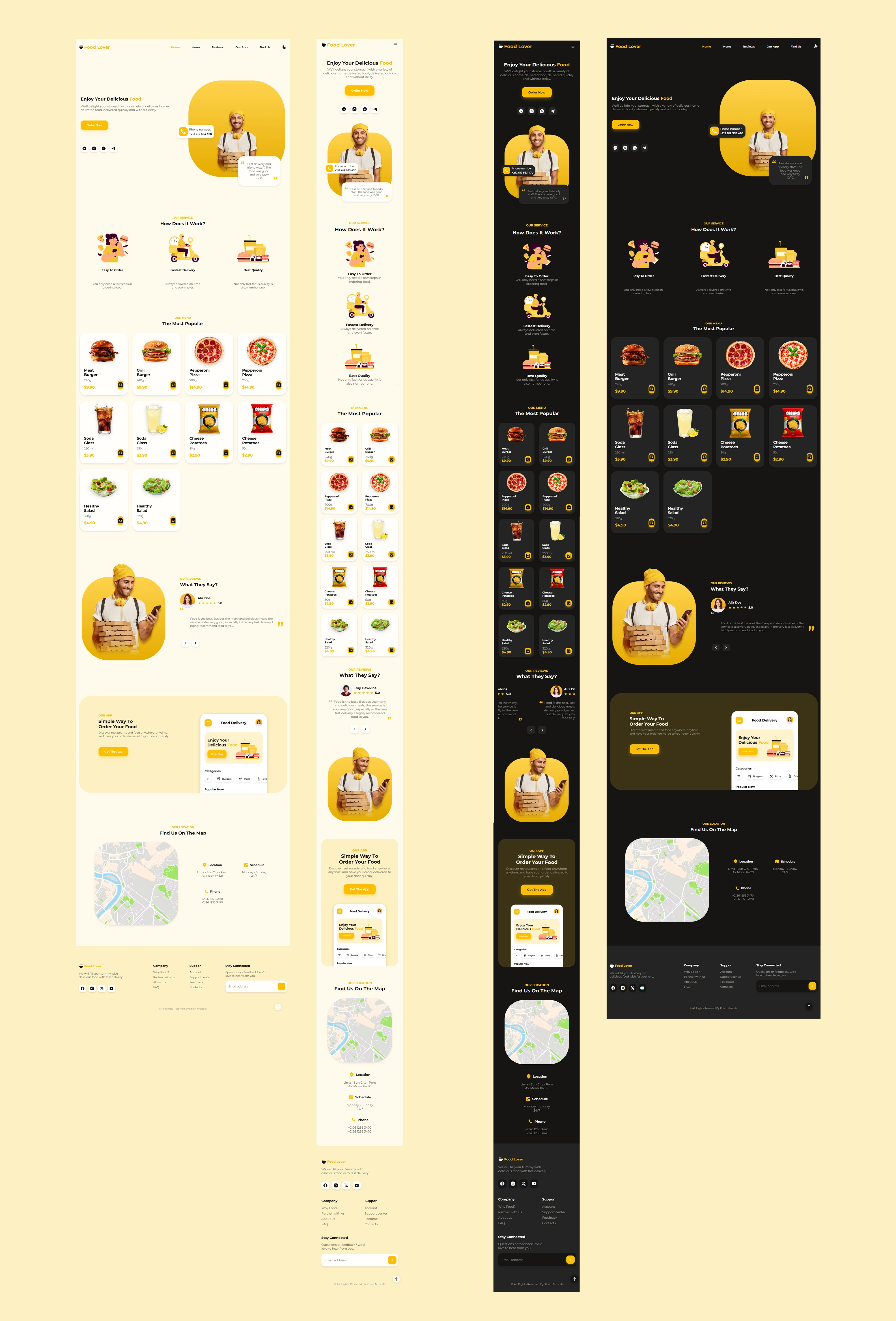
CSS Grid and Flexbox for all layout structures, with no fixed-width containers or absolute positioning hacks.
Touch-optimized interaction targets sized for thumb navigation, with appropriate spacing between tappable elements.
Viewport-aware typography using clamp() for fluid type scaling across breakpoints.
Design-to-Code Execution
The visual design was built in Figma with a focus on appetite appeal and clean hierarchy. Translating it to code meant preserving the visual warmth of food photography while keeping the interface functionally minimal. Every spacing token, color value, and type scale was implemented as CSS custom properties, making the design system maintainable and themeable.
Technical Outcome
FoodLover ships as a production-ready restaurant web application that bridges the gap between physical menus and digital convenience. It loads in under a second, runs on zero external dependencies, and handles dynamic content rendering without a framework. The project demonstrates that complex, interactive web applications can be built lean when the engineering fundamentals are solid.
Live site: foodloverrestaurant.vercel.app
Like this project
Posted Jul 13, 2026
Digital menu built with Vanilla JS & CSS Grid. Zero-dependency architecture with sub-second load times, mobile-first design, and dynamic data-driven rendering.
Likes
1
Views
15