Building a System Inside a Tool Never Meant for One

Bruno Peixoto

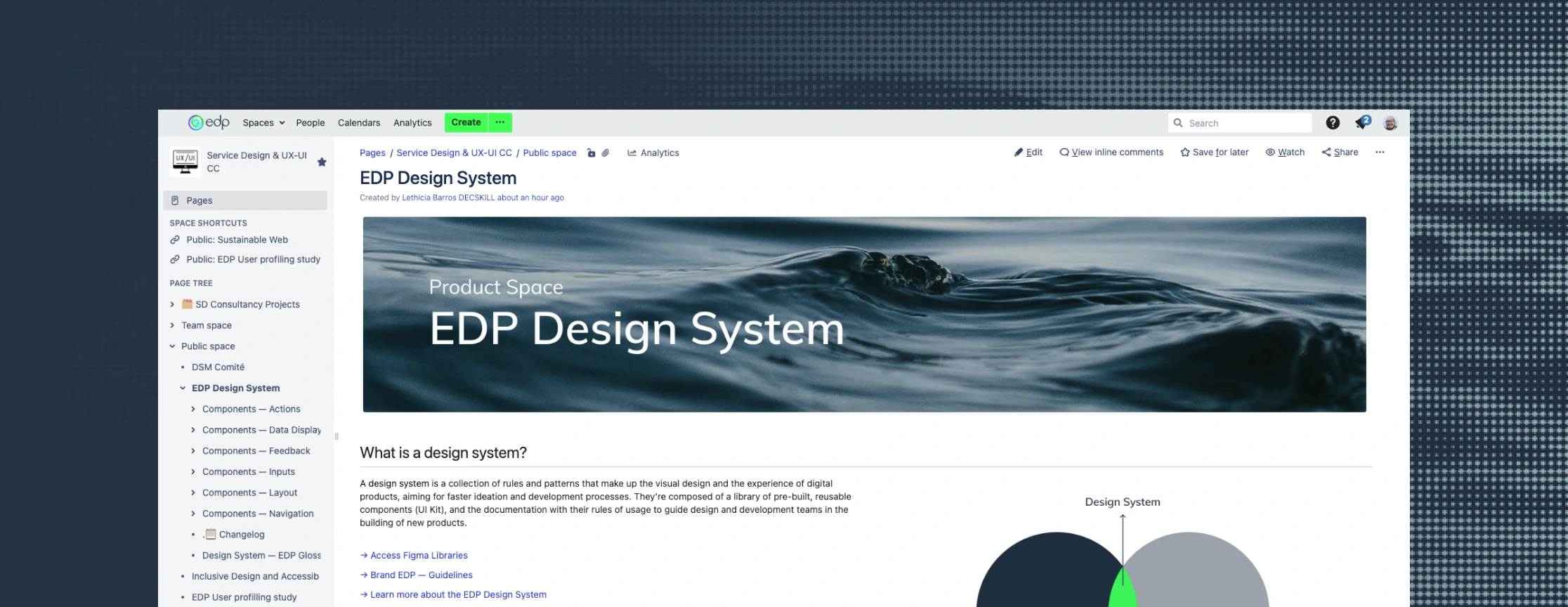
Proof a system doesn't need the right tool to start working.
The problem
Six teams building digital products independently, each with their own way of doing things, and no centralised reference point for any of it. My job was to build one… inside Confluence.
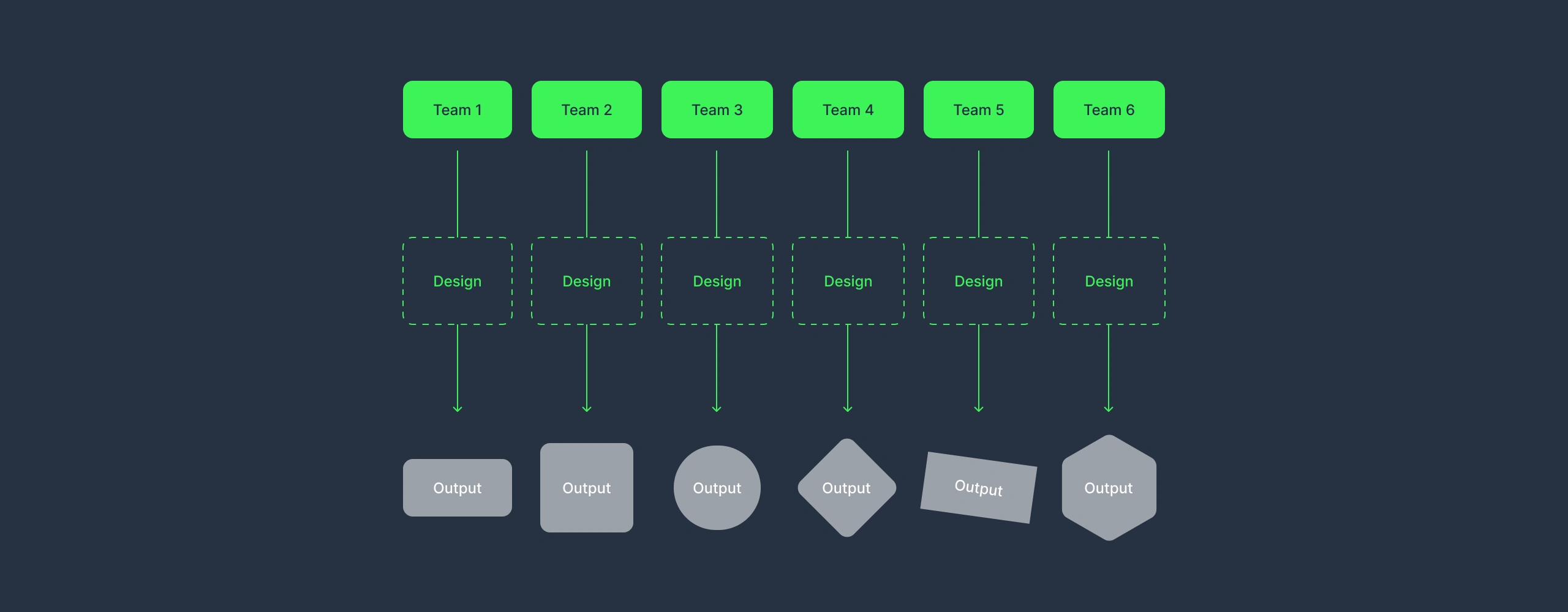
Each team designed independently
The constraint
Confluence is (obviously) not a design system tool, it's a wiki. No component support, no variant logic, no visual documentation out of the box. Everything had to be structured manually: how components were categorised, how they connected to each other, how layout rules were documented, how updates would be communicated. Every decision about the system's architecture was mine to make, and then mine to maintain.
The alternative was waiting for better tooling. I didn't think that was the right call as the teams were building inconsistently every day the system didn't exist, and a tooling conversation could take months with no guarantee of landing anywhere (trust me, I gave it a little shot).
Better to build now, in what was available, and start delivering value.
How I built it
I ran it on sprints. Audited what existed across all six teams first: components, patterns, where things clashed. After the first few weeks, and having all available outcomes, I then built the documentation architecture and got stakeholder buy-in on the structure before filling it.
I also presented the structure to the various teams, as they were my main primary target and had a chat with them to understand their most urgent needs.
With the research done, the structure defined, and everyone on board, I moved to document section by section, following the priority levels that were setup.
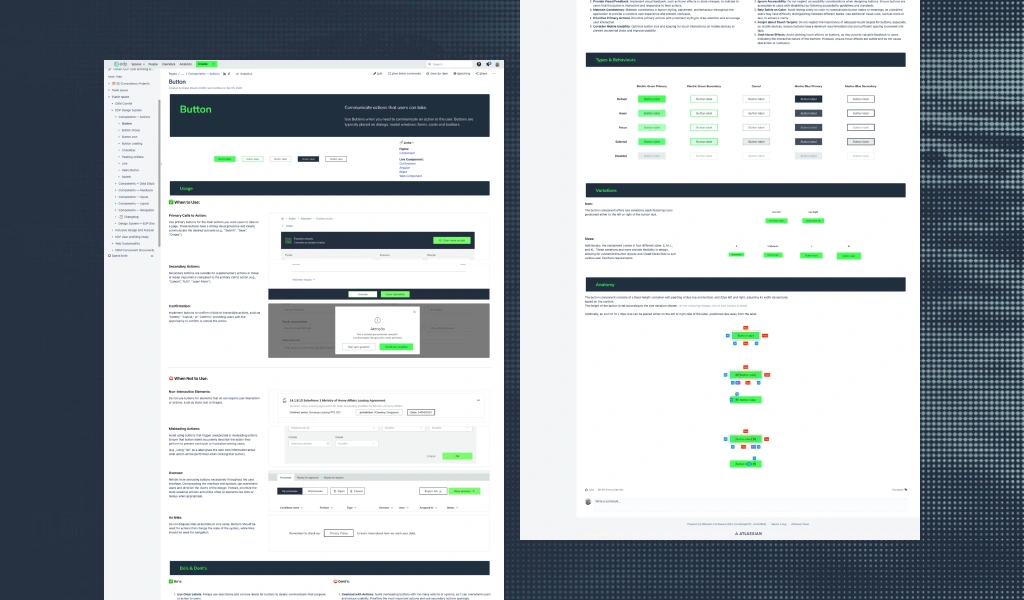
Low-quality image to prevent leaking of sensitive information
Where it ended up
Cross-team inconsistencies dropped 16% while the project was running. Then budget cuts came. Company-wide, nothing to do with the work, and the project closed with around 30% of components and 60% of layouts documented.
Not finished. But working, and already making a difference.
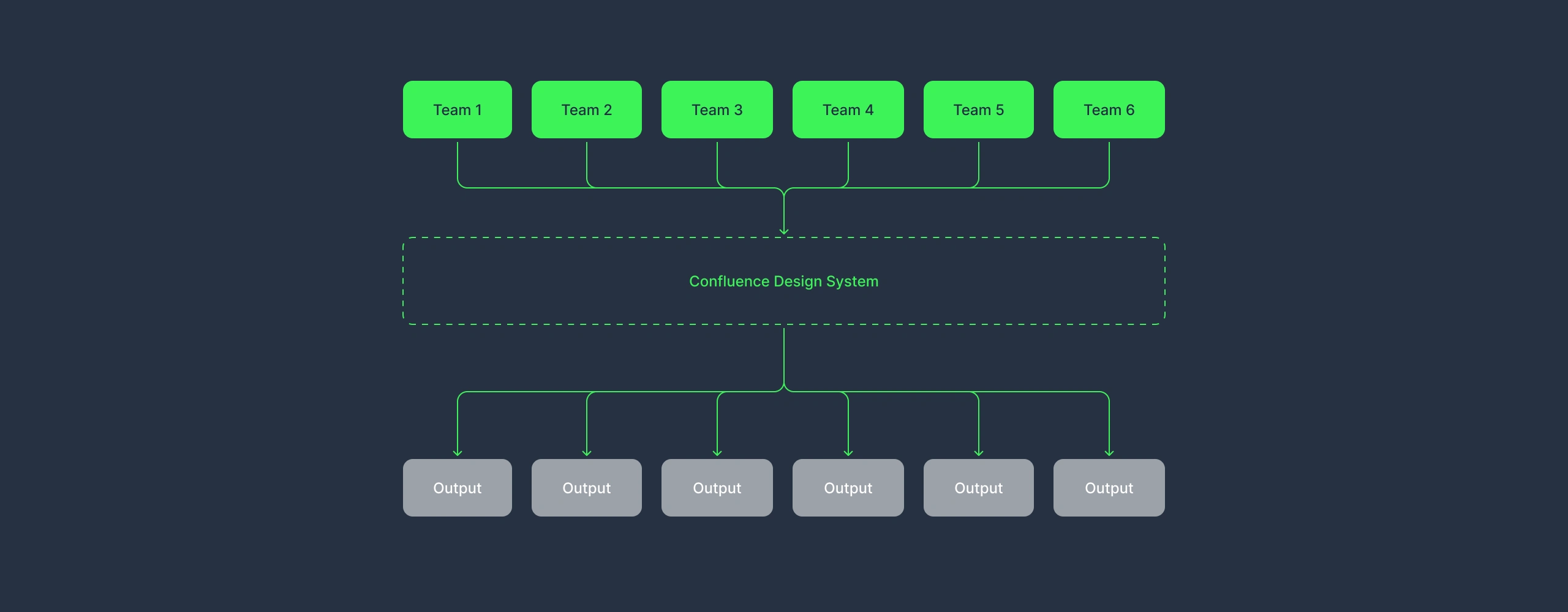
Single source of truth = uniform outputs
Like this project
Posted Oct 1, 2026
Built a design system in Confluence to reduce cross-team inconsistencies.
Likes
0
Views
1