
pro
Omujale Oghenefego
Product Designer


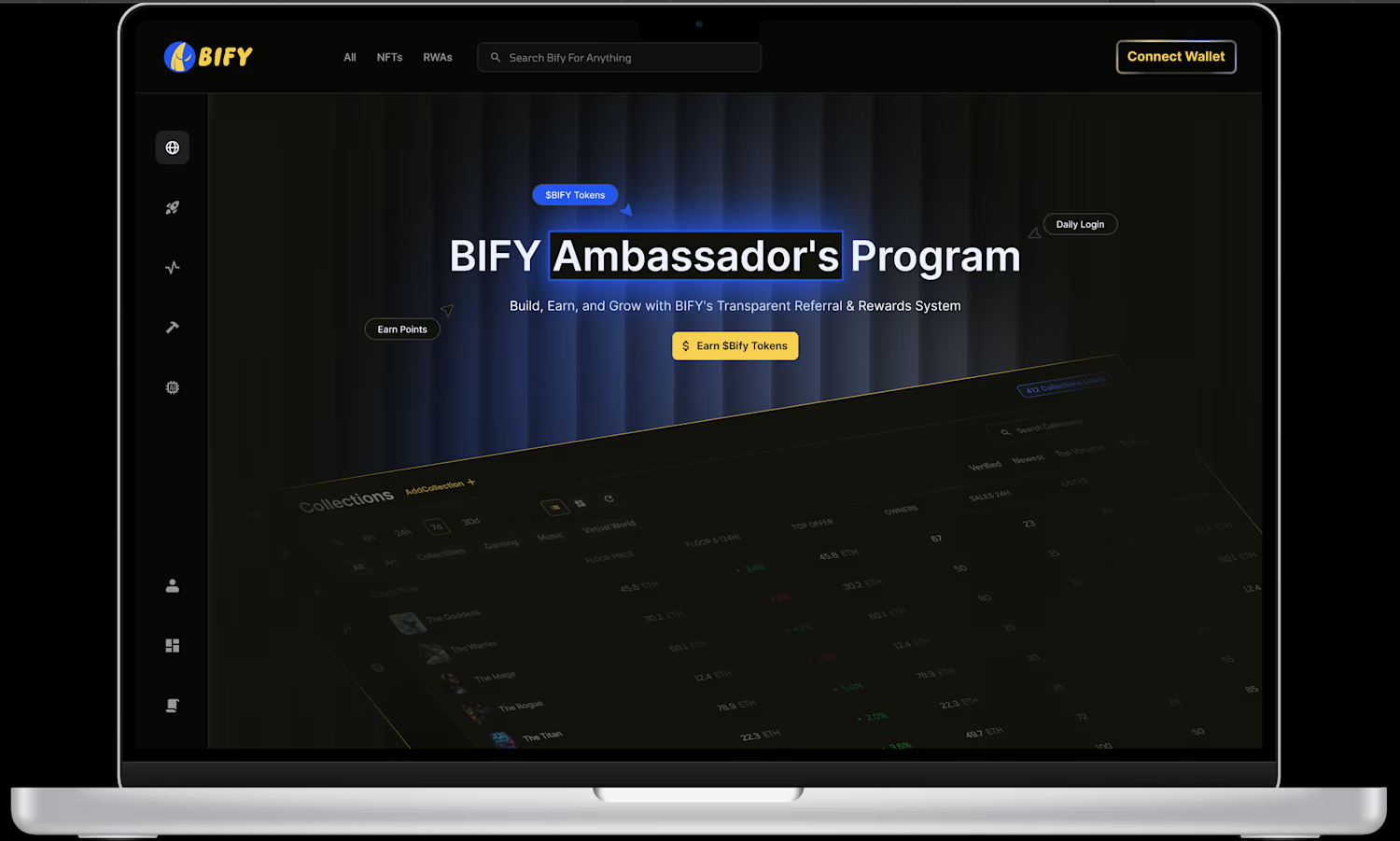
BIFY — Ambassador Program
A referral and rewards system designed to sit on top of a live NFT
and RWA marketplace, not beside it.
The challenge: ambassador programs usually get buried on a settings
page nobody visits. This one had to feel like a destination while
staying visually part of the marketplace it belongs to.
Approach:
— Dark interface built for long sessions and live market data
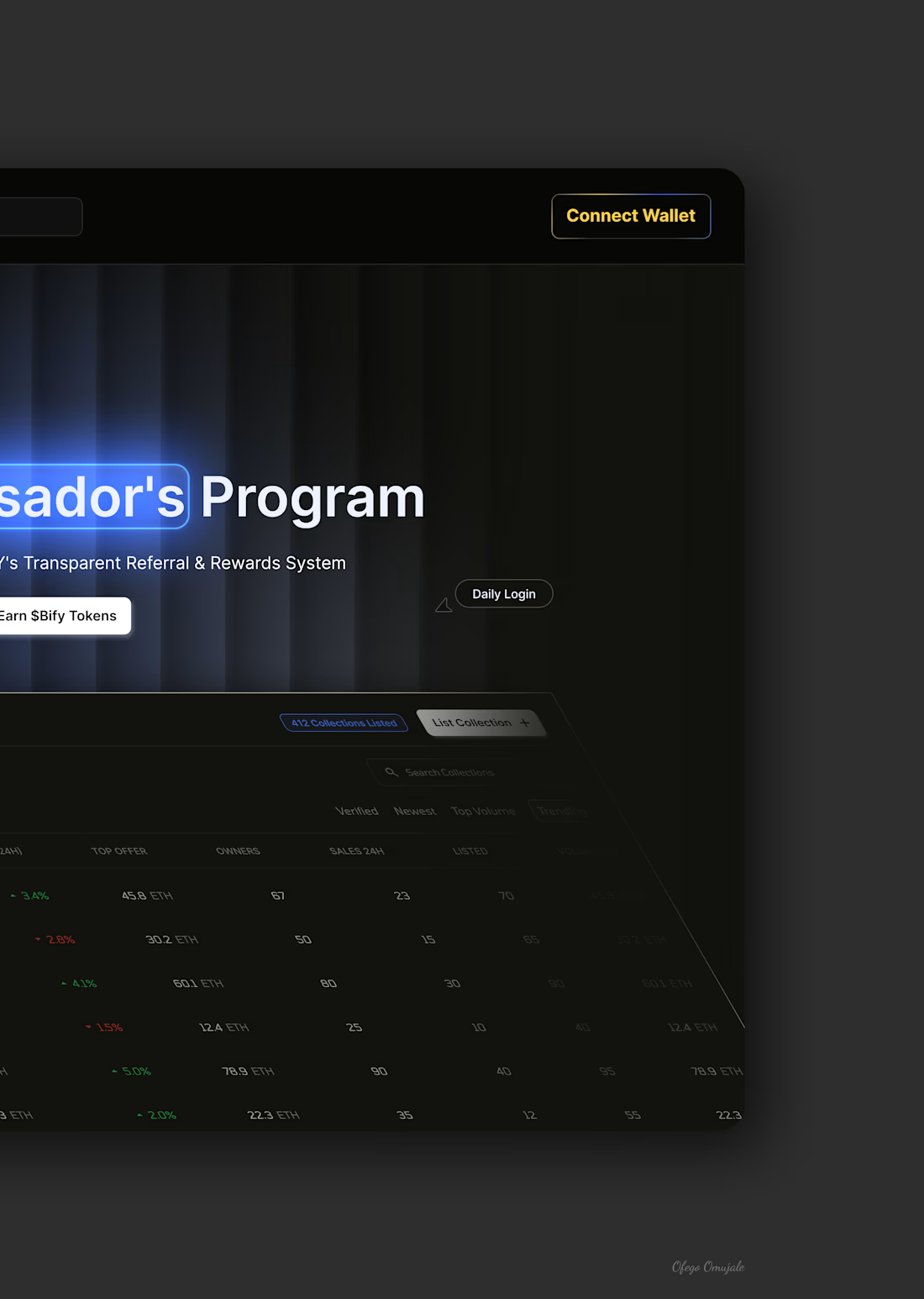
— Stage-lit hero treatment to separate the program from the trading
surface without a jarring theme switch
— Marketplace data kept visible underneath, so the reward system
reads as connected to real activity rather than a floating promo
page
— Single primary action, with secondary earning paths kept quiet
Web3 product design · NFT marketplace · dashboard UI · dark mode
interface · referral systems
Available for product design work — permanent or contract.
0
4
Most AI features fail for a boring reason: they live somewhere nobody
goes.
You ship an AI panel. It sits in a tab. The tab stays closed. The
feature quietly dies while the roadmap says it launched.
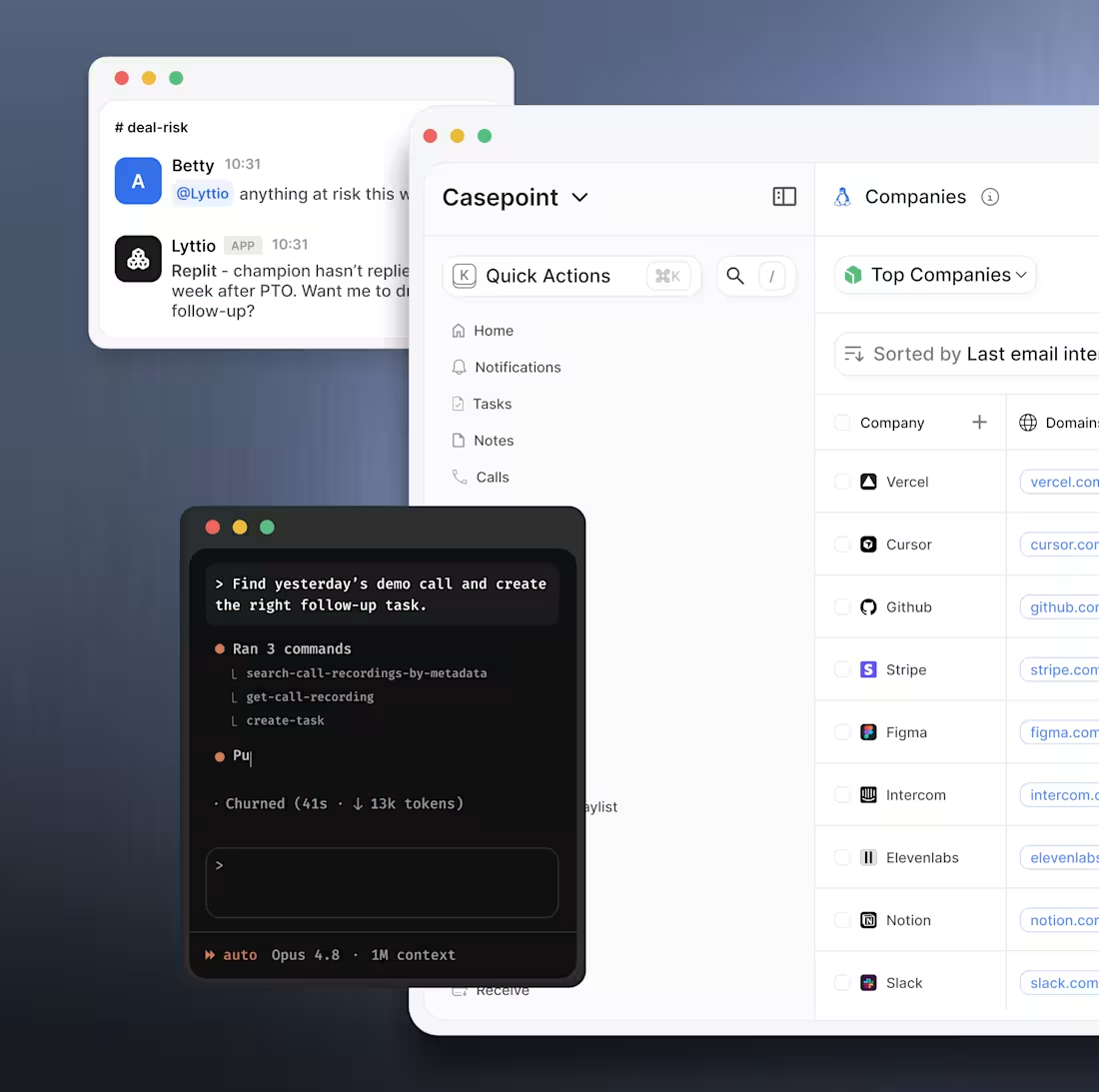
So I designed this one to have no home screen at all. It is a design from attio
It answers in Slack, where the deal conversation is already happening.
It writes to the CRM, where the record already lives. It runs in the
terminal, where the technical team already works.
Three surfaces. No new place to check. No new habit to build.
The design question wasn't "what should the AI look like." It was
"where does the work already happen, and can we meet it there instead
of asking people to move?"
That reframe kills a lot of beautiful dashboards. It should.
I'm a product designer working across marketing surfaces and complex
product systems. Open to product design roles — permanent or contract,
remote.
Founders: what percentage of your users have ever opened the AI
feature you shipped?
1
19
Most testimonial sections are decoration. This one was costing conversions.
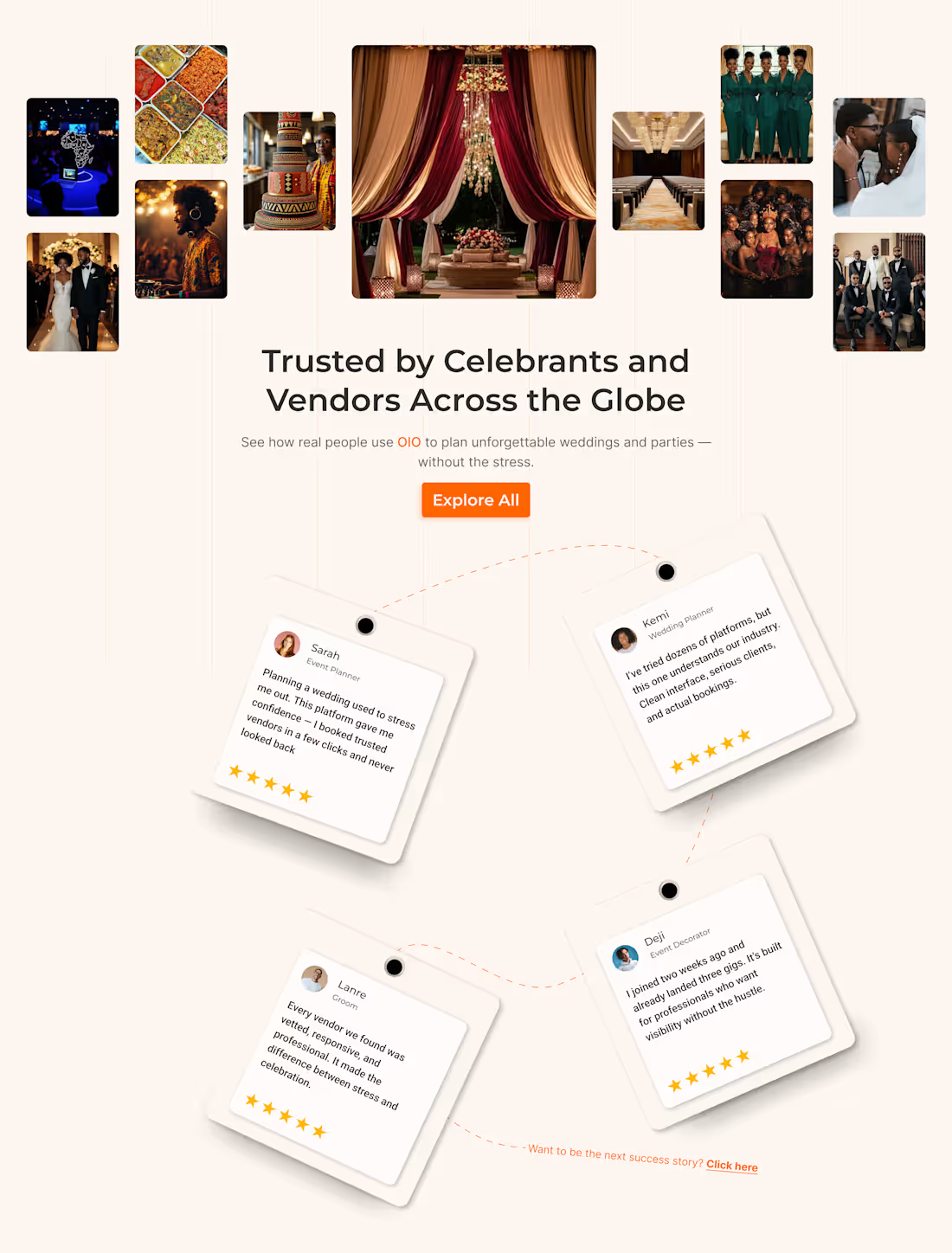
A client's social proof section looked beautiful. It also took four
full screens of scrolling to read four sentences, the text was tilted
12° so it was genuinely uncomfortable to read, and one of the
"customers" on a wedding platform was a web developer talking about
his portfolio.
Nobody was reading it. Which means nobody was being convinced by it.
What I changed:
→ Straightened the cards. Pretty is worthless if the words are hard
to read.
→ Deleted the decorative connector line. It implied the reviews were
in some order. They weren't.
→ Cut the section height by more than half. Same content, one screen.
→ Rewrote the reviews to name actual outcomes: "two weddings booked in
my first month" instead of "great platform."
The "before" is the more designed one. The "after" is the one that
does its job. Knowing the difference — and being willing to delete
your own good idea — is most of the job.
I'm a product designer working across marketing surfaces and complex
product systems (this section, and a multi-chain wallet dashboard in
the same month). Open to product design roles — permanent or contract,
US or remote.
Founders: when did you last read your own testimonials section all
the way through?
1
11
Is this a $1500 or $4500 hero design?
Designed with claude and Gemini
1
36