
Omar Daghestani
AI full stack developer
New to Contra
Omar is ready for their next project!

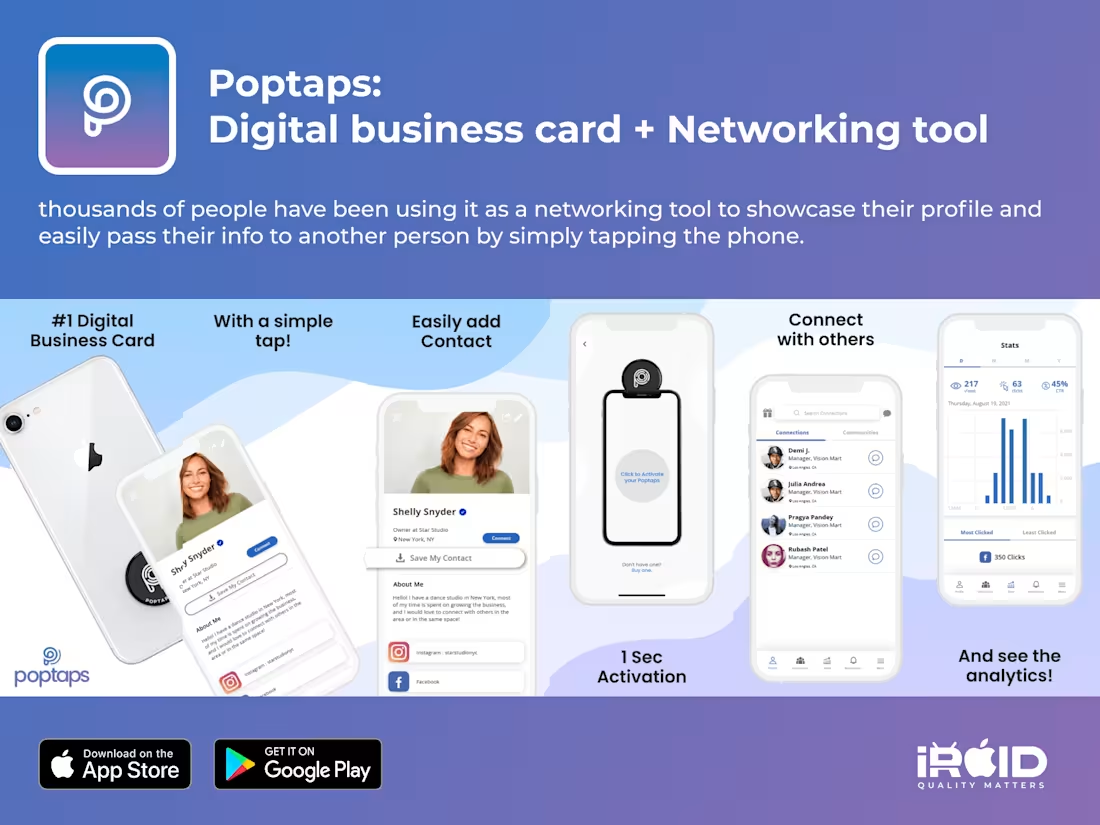
Poptaps is an NFC tag that is turned into a personalized digital business card, thousands of people have been using it as a networking tool to showcase their profile and easily pass their info to another person by simply tapping the phone.
0
3
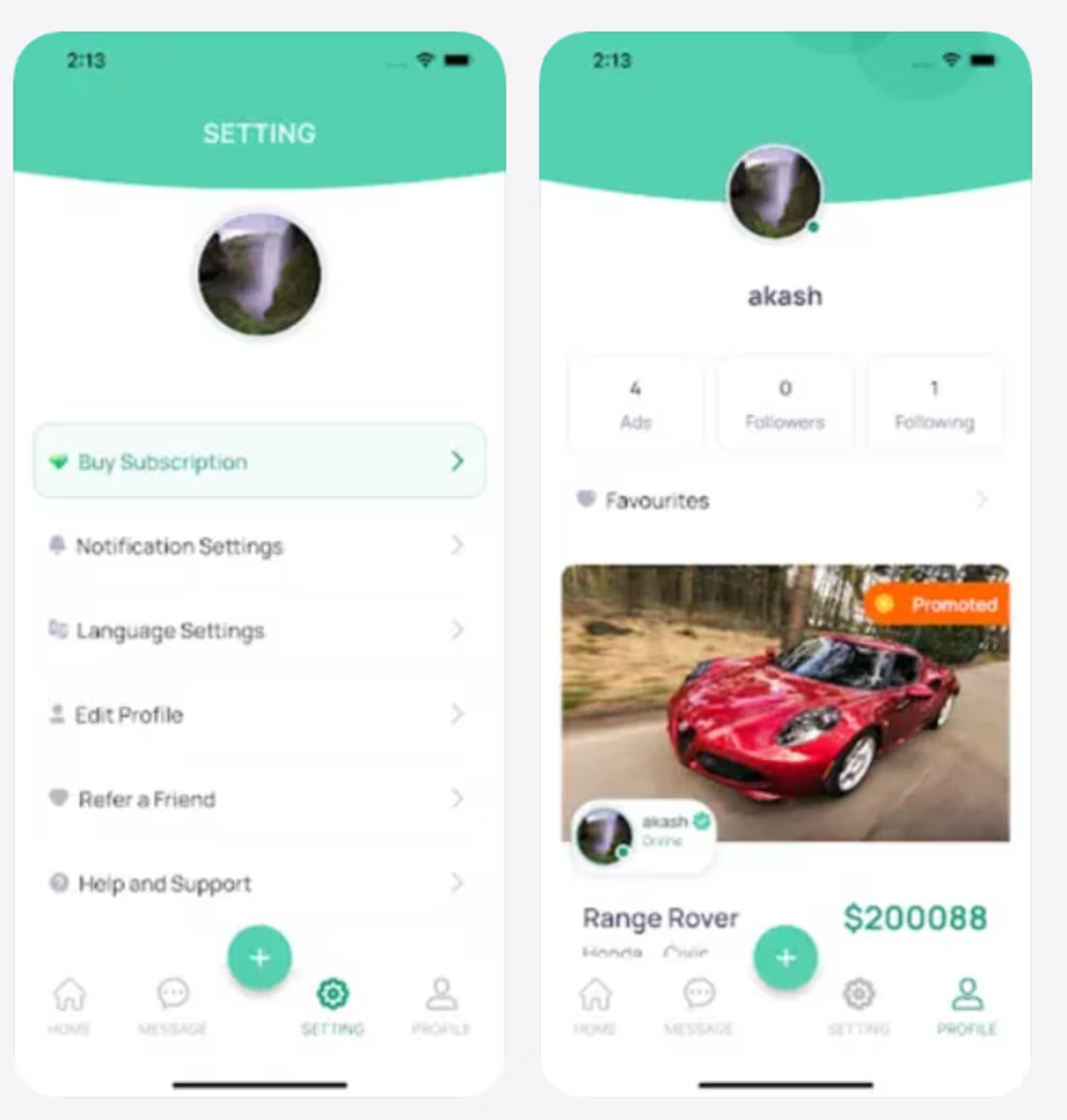
HDiDA is an iOS car marketplace that connects private sellers and dealerships with buyers in their area. It is live on the App Store, built universal for iPhone and iPad, and monetized through subscription tiers and a listing boost package rather than commission on sales.
The product is two sided inside a single app. Buyers browse and filter inventory by the attributes that actually matter when car shopping, meaning make, model, year, price, mileage, condition, and proximity, then open a listing with a full photo gallery and vehicle detail. Sellers move through a guided listing flow that handles multi photo upload, description, and pricing. Both sides meet in an in app messaging thread where they can ask questions, arrange a test drive, and negotiate without ever exchanging phone numbers.
The interesting engineering was in the parts users never notice. Photo heavy listings get created on phone networks, so that flow needed client side image compression, resilient uploads, and optimistic UI so a seller with six photos and two bars of signal does not lose a draft. Search had to stay fast against growing inventory with location filtering layered on top of attribute filtering. Messaging needed real time delivery, push notification fallback, and read state that stays consistent when a user switches devices.
Monetization runs through StoreKit with weekly, monthly, and annual tiers plus a boost package that promotes a listing in search results. That meant receipt validation, entitlement state that survives reinstall and device change, and ranking logic that gives boosted listings visibility without making organic results feel worthless. Trust and safety was a hard requirement rather than a nice to have, so the app includes identity verification at signup to cut fraud and spam, encrypted handling of personal and contact data, and privacy disclosures that cleared App Store review at an 18 plus rating.
1
11
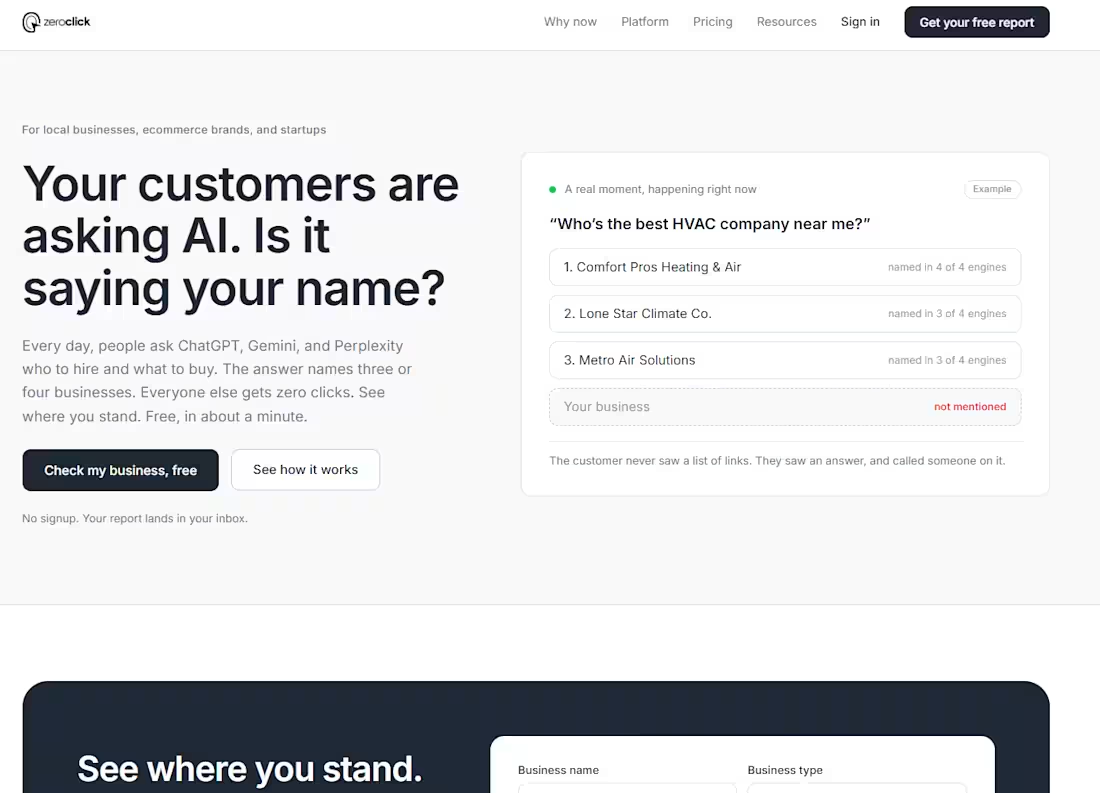
Zeroclick is an answer engine optimization platform I built for local businesses and the agencies that serve them. The premise is that local search stopped ending in ten links and started ending in one AI generated answer that names three or four businesses. If you are not in that answer you do not lose the click, you never existed. Zeroclick measures whether AI names your business, tracks that over time, and tells you what to fix.
The core of the system is a prompt simulation engine. It generates the questions real customers actually ask at local granularity, meaning this service in this city in this zip rather than a national average, then runs them on a weekly or daily schedule against ChatGPT, Claude, Gemini, Perplexity, and Google AI Overviews. Every returned answer is parsed for brand mentions, competitor mentions, cited source domains, and sentiment. That rolls up into a visibility score, a per engine breakdown, and a share of presence ranking against local competitors.
The hard parts were not the interface. LLM answers are non deterministic and unstructured, so mention detection had to handle name variants, partial matches, and businesses with generic names without generating false positives. Scores had to stay stable week over week so a client sees real movement instead of model noise. And running tens of thousands of prompts a month across five engines meant a scheduled job pipeline with rate limit handling, retries, cost controls, and result caching.
Sitting on top of the measurement layer is the action layer, which is a fix checklist ranked by impact, a site audit, a content library, and one click publishing to WordPress. The whole thing is multi tenant for agencies, with brands, markets, and prompt quotas metered per plan and add ons purchasable without a plan change.
1
11
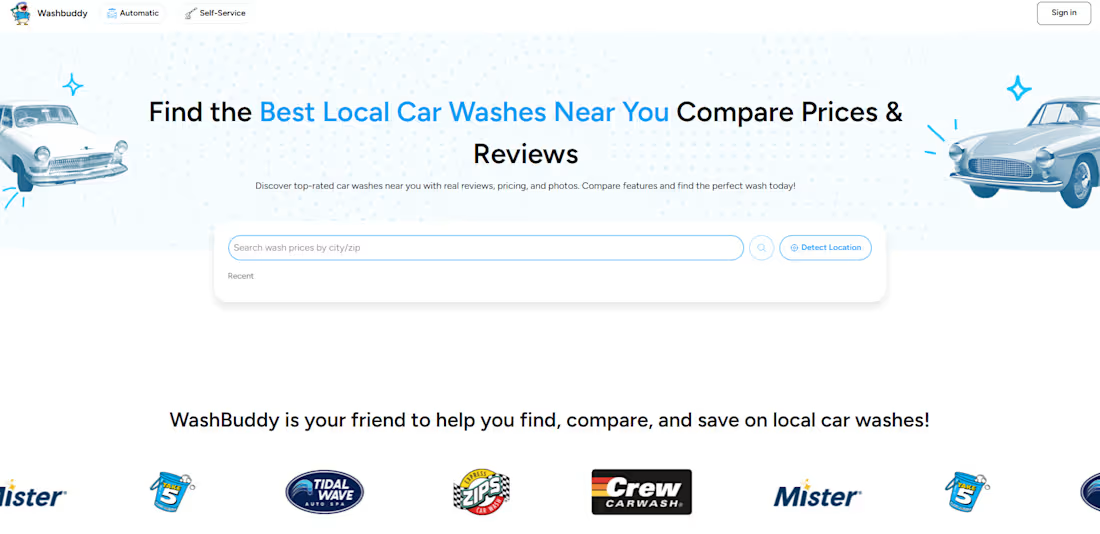
WashBuddy is a car wash discovery and comparison platform I designed and built end to end. It closes a real gap in local search, which is that Google Maps will tell you where a car wash is but not what a specific wash package costs, what equipment it runs, or whether the self service bays are worth the drive. WashBuddy structures that data and makes it filterable.
The consumer side is a location first search experience. Users detect their location or enter a ZIP code and get nearby washes with per package pricing, wash type, photos, and filters built around the things that actually differentiate a wash, meaning package tiers, chemicals, and equipment rather than generic business categories. The marketing site runs on Astro for static performance and SEO, and the application itself is a separate Next.js front end against a Django API.
The other half of the product is an operator portal. Car wash owners claim their listing, publish verified pricing, upload photos, and manage offers themselves. That side needed a claim and verification flow, role based access, and a data model that keeps operator submitted pricing distinct from crowd sourced data so the two never silently overwrite each other.
Reviews, a rewards layer, and a standalone mobile build are in progress.
1
17