
Muhammad Zunnurain Hussain
Cybersecurity Leader | AI & Cloud Innovator | SaaS
New to Contra
Muhammad is ready for their next project!

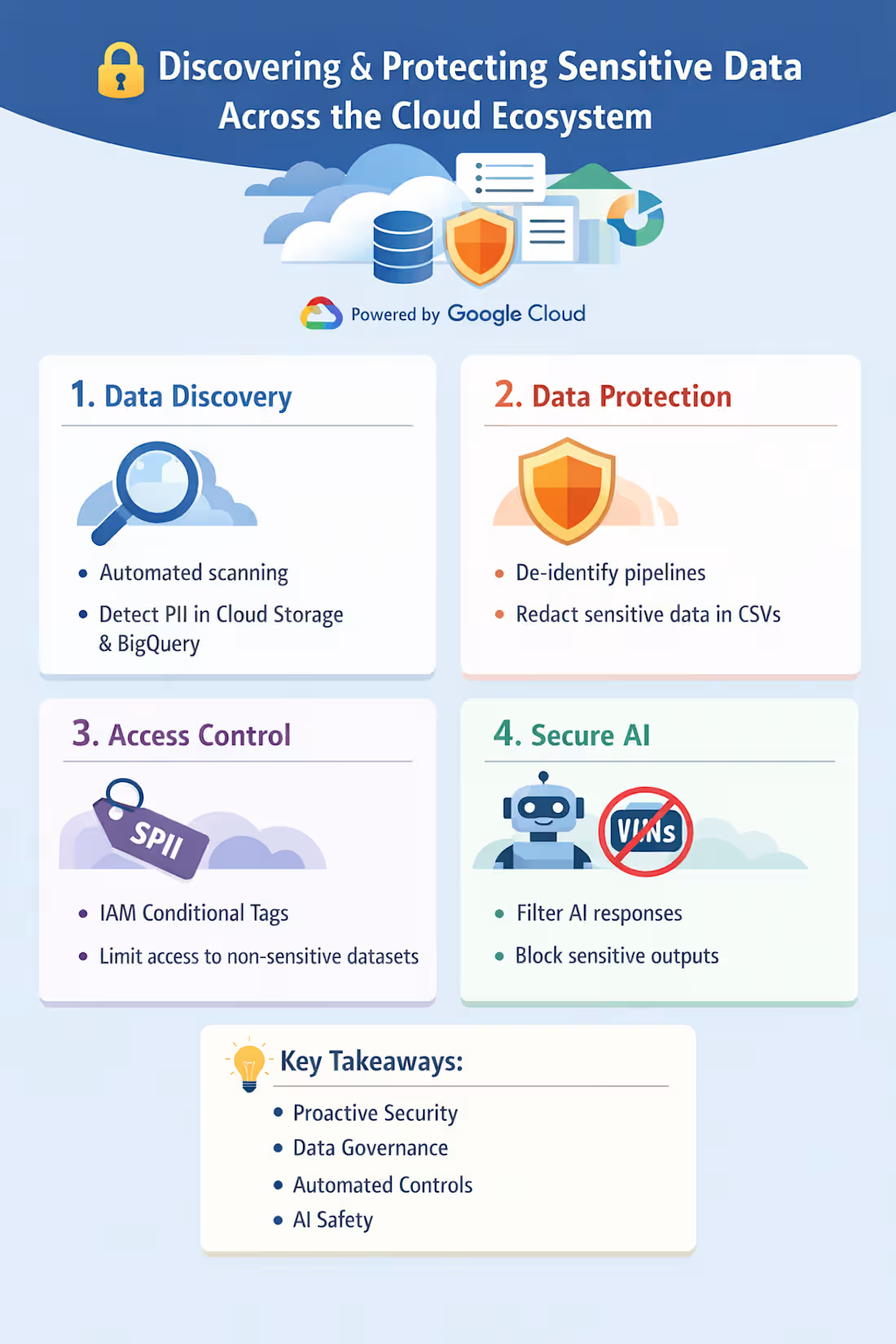
This journey reinforced several important principles:
✔ Security must be proactive, not reactive
✔ Data classification is the foundation of governance
✔ Automation is essential for scale
✔ AI systems must be secured just like traditional systems
Most importantly, it demonstrated how cloud-native tools can help organizations build privacy-first architectures without sacrificing performance or innovation.
0
24
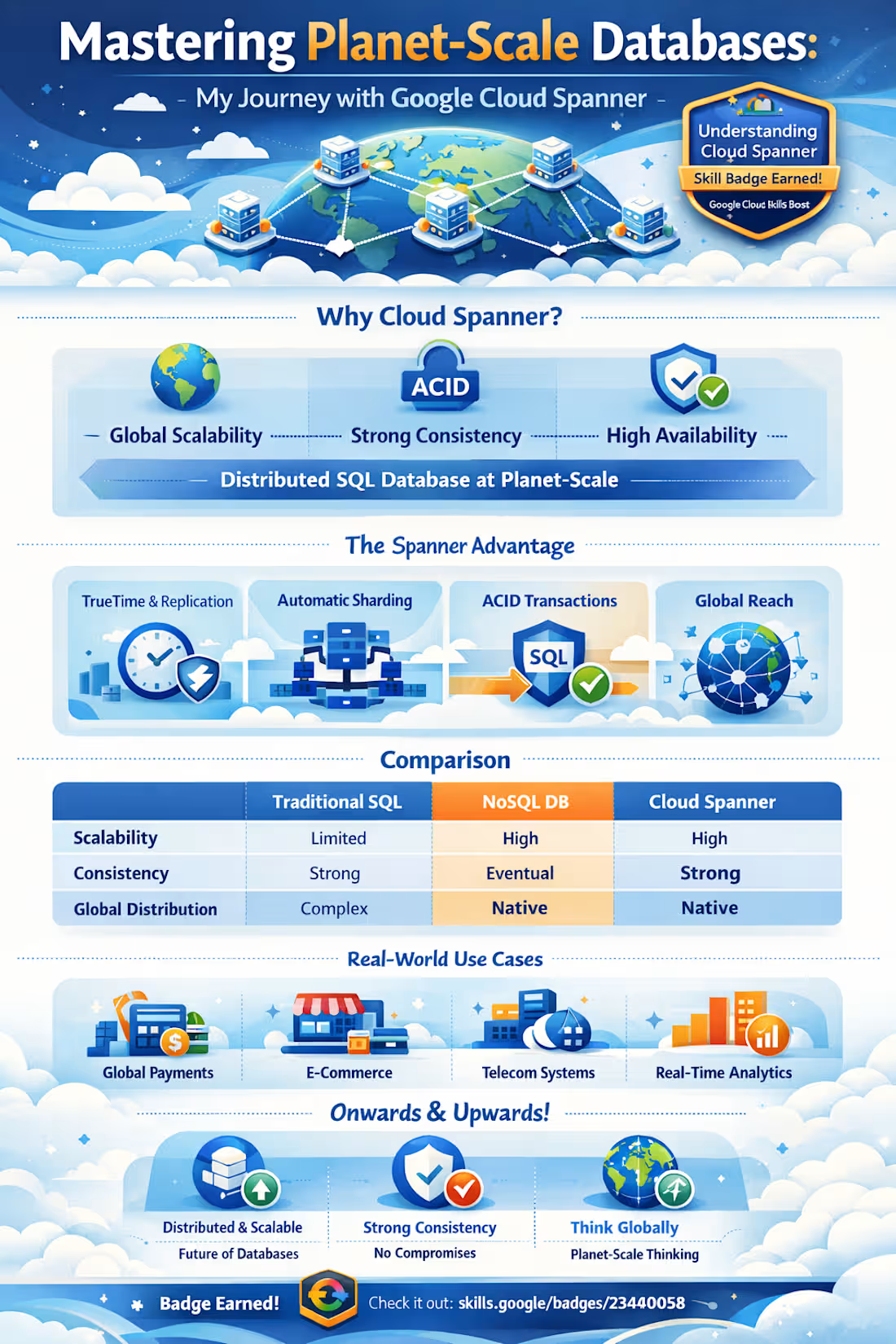
I explored how modern enterprise-grade systems are built using Spanner. Some key insights include:
1. 🌐 Global Distribution Without Complexity
Spanner abstracts the complexity of distributed systems. Developers don’t need to manually manage shards, replicas, or failover mechanisms.
👉 Everything is handled automatically—allowing engineers to focus on business logic instead of infrastructure.
2. 🔐 Strong Consistency at Scale
Unlike many NoSQL systems that sacrifice consistency for availability, Spanner maintains strict ACID guarantees even across regions.
This is crucial for applications like:
Financial systems 💳
Healthcare platforms 🏥
Supply chain systems 🚚
Where data correctness is non-negotiable.
3. 📈 Horizontal Scalability
Spanner scales seamlessly as your data grows. Whether you're handling thousands or billions of transactions:
No downtime
No manual scaling
No performance bottlenecks
This is what makes it ideal for AI-driven systems, SaaS platforms, and global enterprises.
4. ⚡ Real-World Use Cases
Spanner is not just theoretical—it powers real-world applications such as:
Global payment processing systems
E-commerce platforms serving millions
Telecommunications infrastructure
Real-time analytics systems
It is designed for organizations that cannot afford failure.
0
25
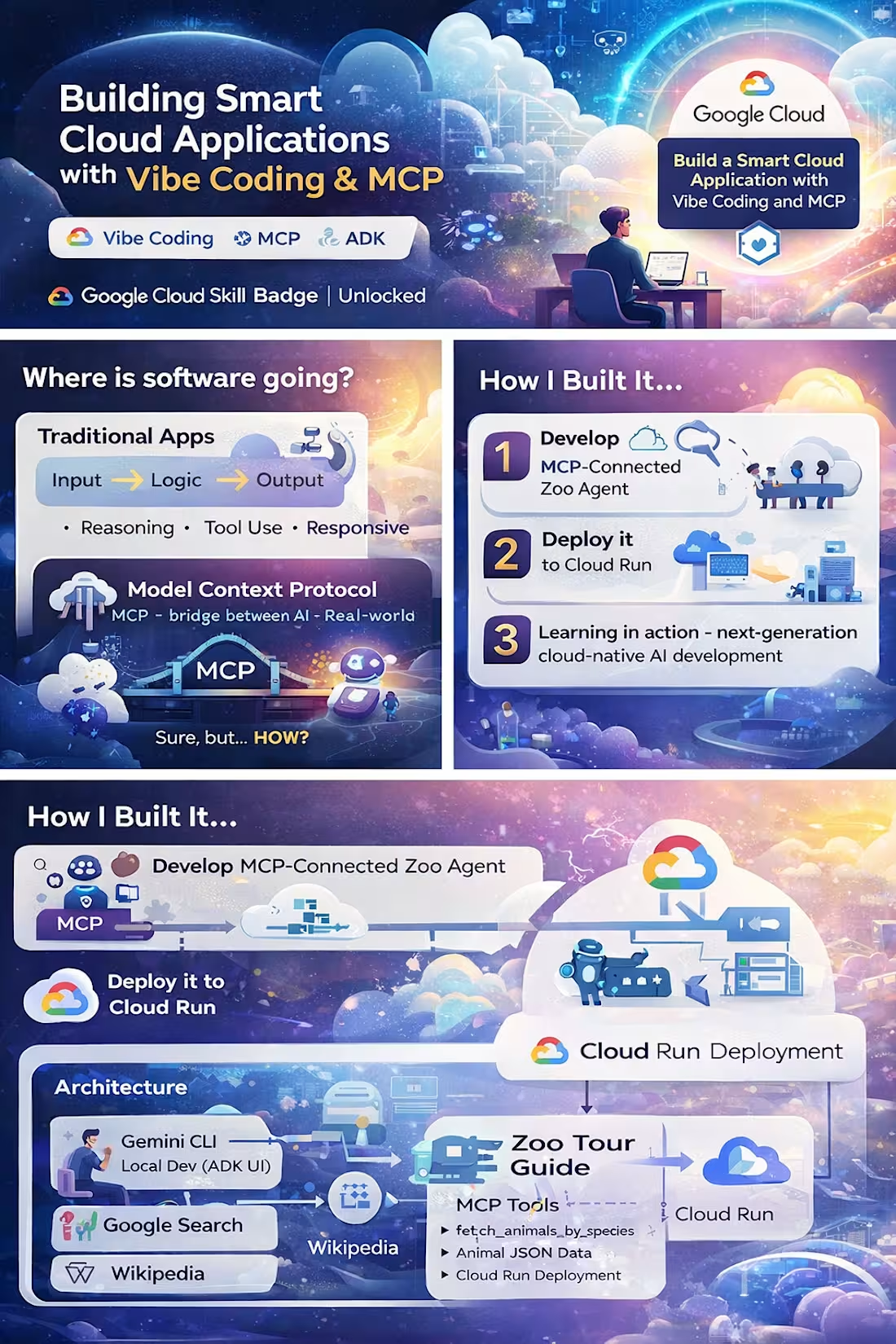
1. Agentic AI is the New Paradigm
Applications are evolving into systems that can think, reason, and act autonomously.
2. Integration > Implementation
The real power lies not in building isolated systems, but in connecting them intelligently.
3. Cloud + AI = Unlimited Potential
Combining cloud infrastructure with AI agents unlocks unprecedented capabilities.
4. Developers as Orchestrators
The role of developers is shifting from writing code to designing intelligent ecosystems.
0
30
designed a workflow
0
27