
pro
Michał Bańbura
CGI Product showcase artist and animator | Motion Engineer
New to Contra
Michał is ready for their next project!
Lilliac — A Tinder-style hiring marketplace built with Stitch
I spent the last few days building Lilliac from scratch using Google Stitch — a two-sided freelance hiring platform where companies swipe through talent and freelancers swipe through projects. When both sides say yes, it's a match.
Here's what's inside:
— Full swipe deck with hero images and expandable portfolio cards
— Two completely separate user modes, hiring and freelancer, with no crossover
— Match celebration screen with both sides connected
— Team builder to manage hired freelancers per project
— 30+ screens including onboarding, chat, notifications, settings, billing and more
— Animated splash screen, consistent design system throughout
How I used Stitch
Everything was designed and prototyped in Stitch. I used Gemini Pro to generate screens iteratively — starting with the core swipe flow, then building out both user journeys, then layering in auxiliary screens. The back-and-forth with the model to fix navigation, wire interactions, and maintain design consistency across 30+ screens was the real workflow.
What worked:
The speed of going from concept to prototype is genuinely impressive. Describing a screen in plain language and seeing it rendered in seconds changed how I think about early-stage product design. The design quality out of the box is higher than I expected.
What I'd improve:
Cross-screen state management is something I had to work around carefully, especially keeping two user modes completely separate. More control over component-level wiring would make complex prototypes significantly more reliable.
Try it here: (best on mobile!)
https://lilliac-814153272946.europe-west2.run.app
#stitchchallenge
6
5
416
Full Ad from the new FLICK Credit Project!
Had the honor to direct and produce this piece🔥
All done In-House @studio.szum (https://szum.studio)🧠
2
4
260
PanKowalski pt.2 Cinematic Animation
2
5
451
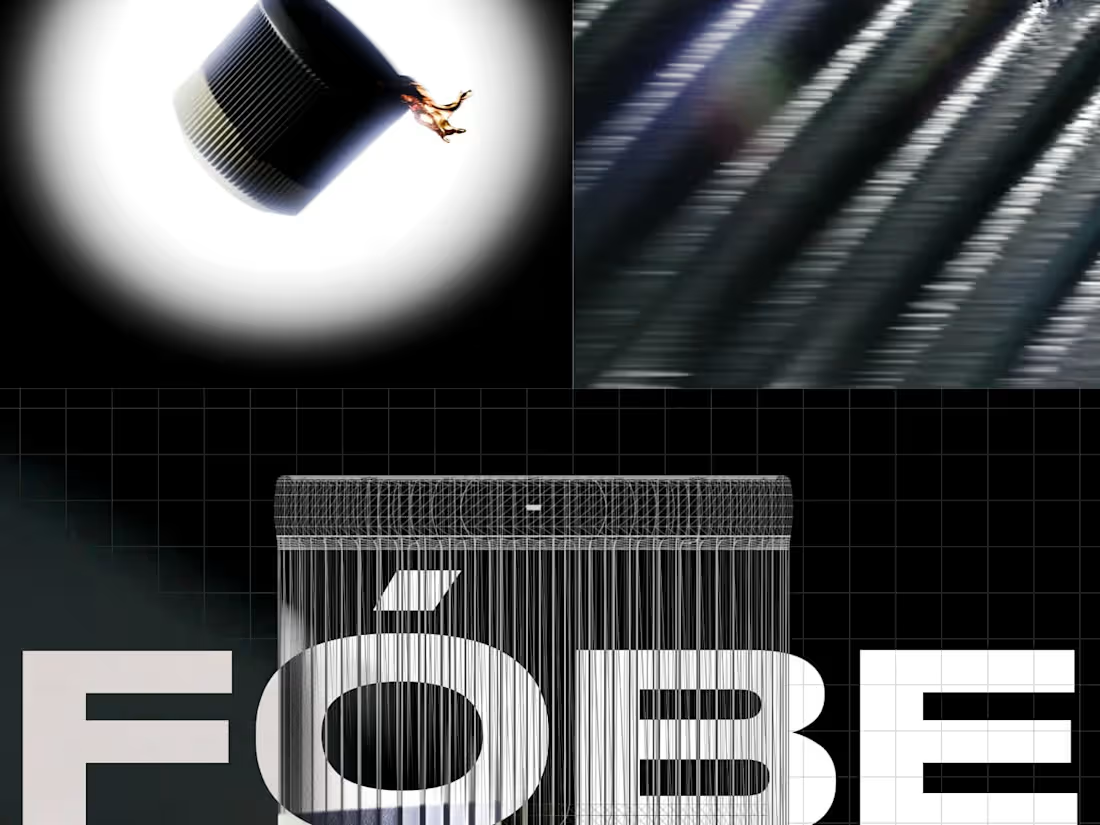
FÓBE R&D Project
1
220