
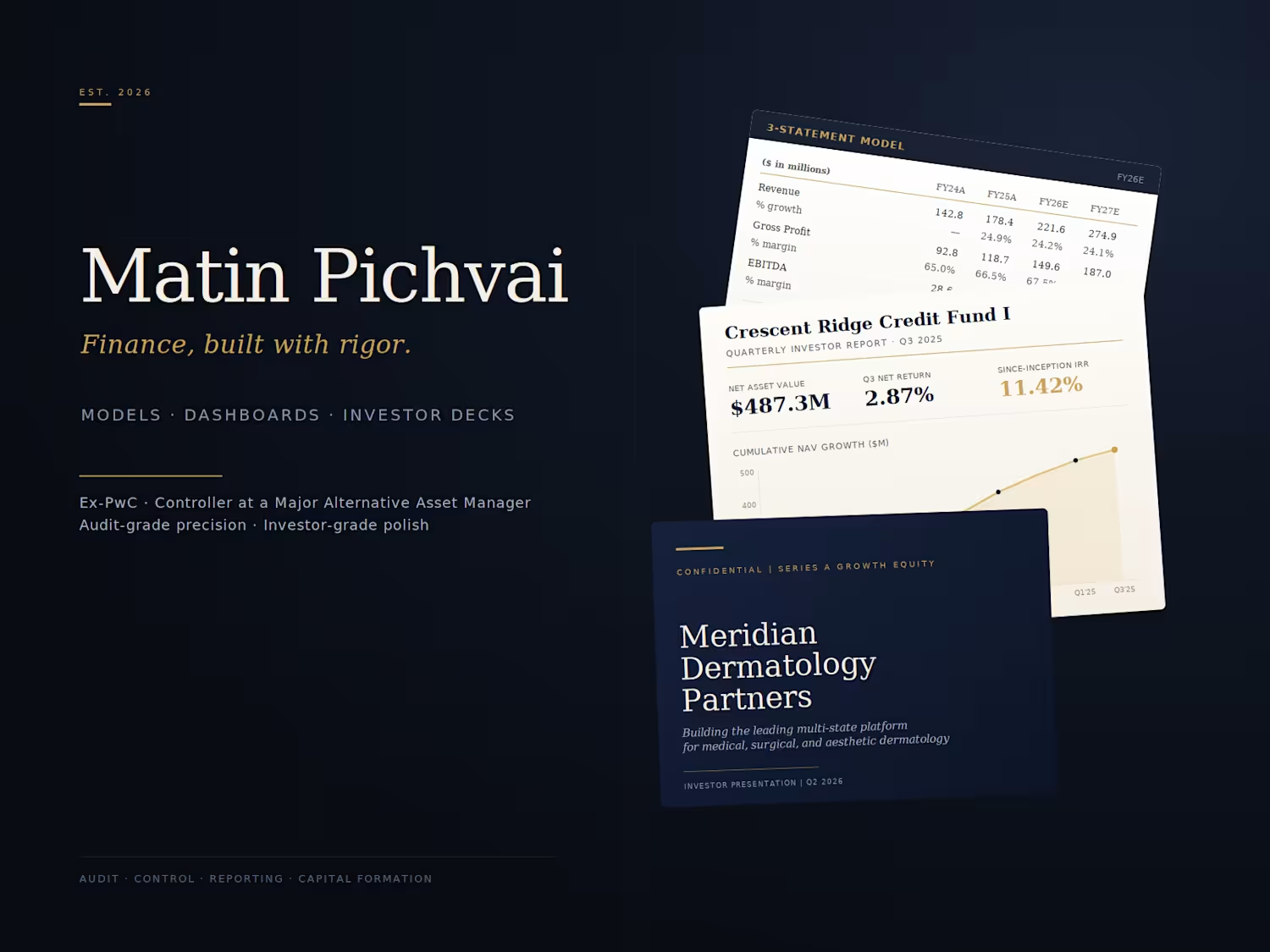

Series A pitch deck for a healthcare growth equity raise. A 12-slide investor presentation built for a multi-state dermatology platform raising Series A capital. The deck covers the investment thesis, market opportunity, unit economics, growth strategy, financial projections, and use of funds — structured the way institutional investors actually read pitches.
Built from my background in audit at PwC and as a controller at a major alternative asset manager, where I've spent years on both sides of investor materials: building them for portfolio companies and reviewing them as a capital allocator. That dual perspective shapes how I structure narrative, defend numbers, and anticipate diligence questions.
Mock content built for portfolio purposes. Happy to discuss approach, layout choices, or adapt the structure for your raise.
0
65
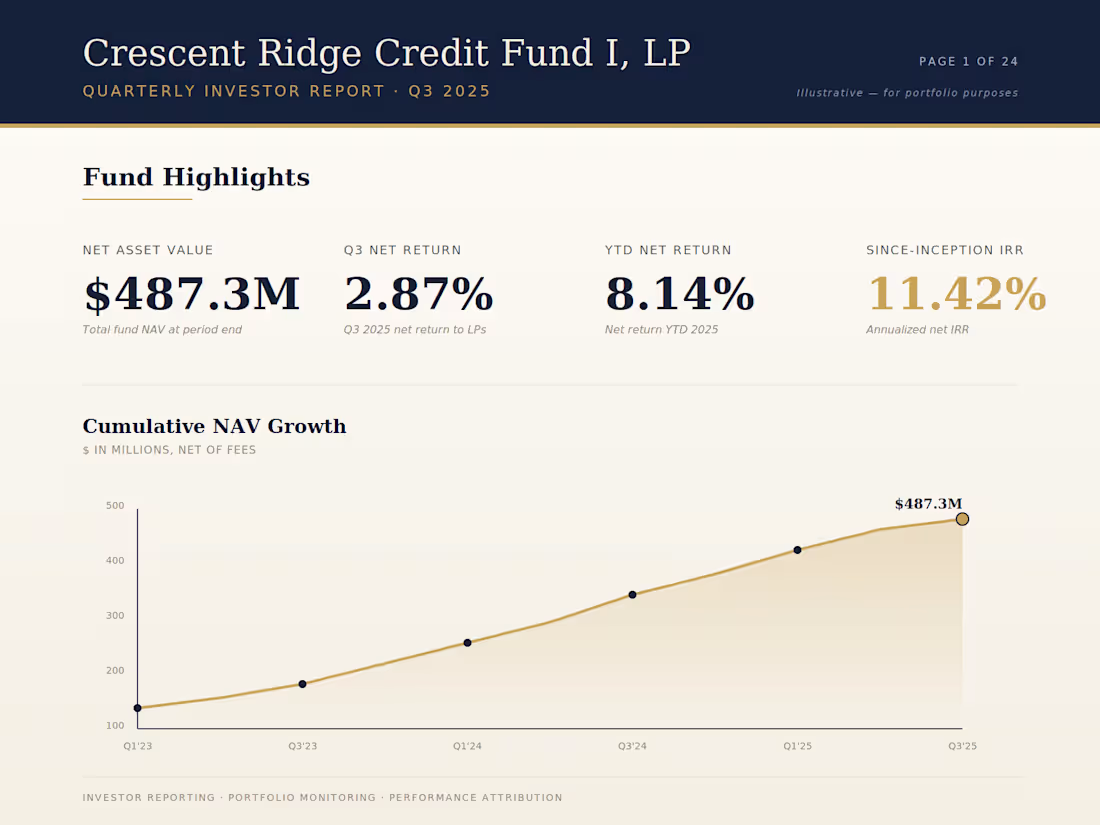
Quarterly investor report for a private credit fund. A full LP-facing reporting package covering fund-level performance (NAV, returns, IRR), portfolio composition, credit metrics (LTV, DSCR, weighted yield), and manager commentary. Built in Excel with linked source data, formula-driven KPIs, and an output layer formatted to read like a polished investor letter.
The work most LPs see from their GPs is exactly this kind of report. My background — controller at a major alternative asset manager, audit at PwC and CohnReznick — is on the production side: building the systems that make these numbers reliable, then presenting them in a format institutional investors trust. That means the report ties cleanly, the underlying logic is auditable, and the commentary aligns with the data instead of contradicting it.
Illustrative sample built for portfolio purposes. Happy to adapt the structure for a specific fund, asset class, or LP reporting cadence.
0
55
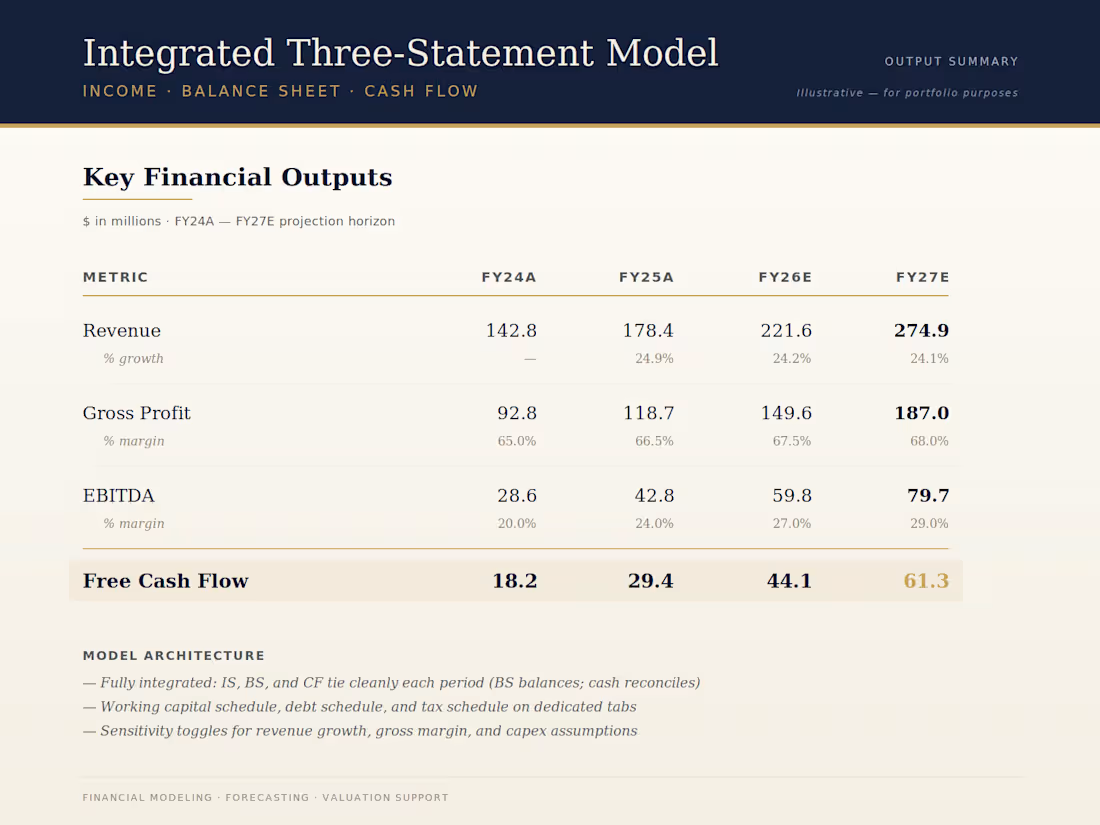
A fully integrated three-statement model — income statement, balance sheet, and cash flow — built for a growth-stage company across a four-year forecast horizon. Working capital, debt, and tax schedules sit on dedicated tabs and flow into the consolidated outputs. Built so the balance sheet balances every period and cash reconciles cleanly between the indirect cash flow and the cash line on the balance sheet.
Sensitivity toggles on revenue growth, gross margin, and capex assumptions let users stress-test the forecast without breaking the model. Audit-grade discipline throughout: no hard-coded outputs, clear input/calculation/output separation, formula transparency on every line.
My background is in audit at PwC and as a controller at a major alternative asset manager — so I've spent years reviewing models for what breaks under pressure, then building them to a standard that holds up to that review.
Illustrative sample built for portfolio purposes. Happy to adapt for your specific business — SaaS, services, consumer, marketplace, or other.
0
53
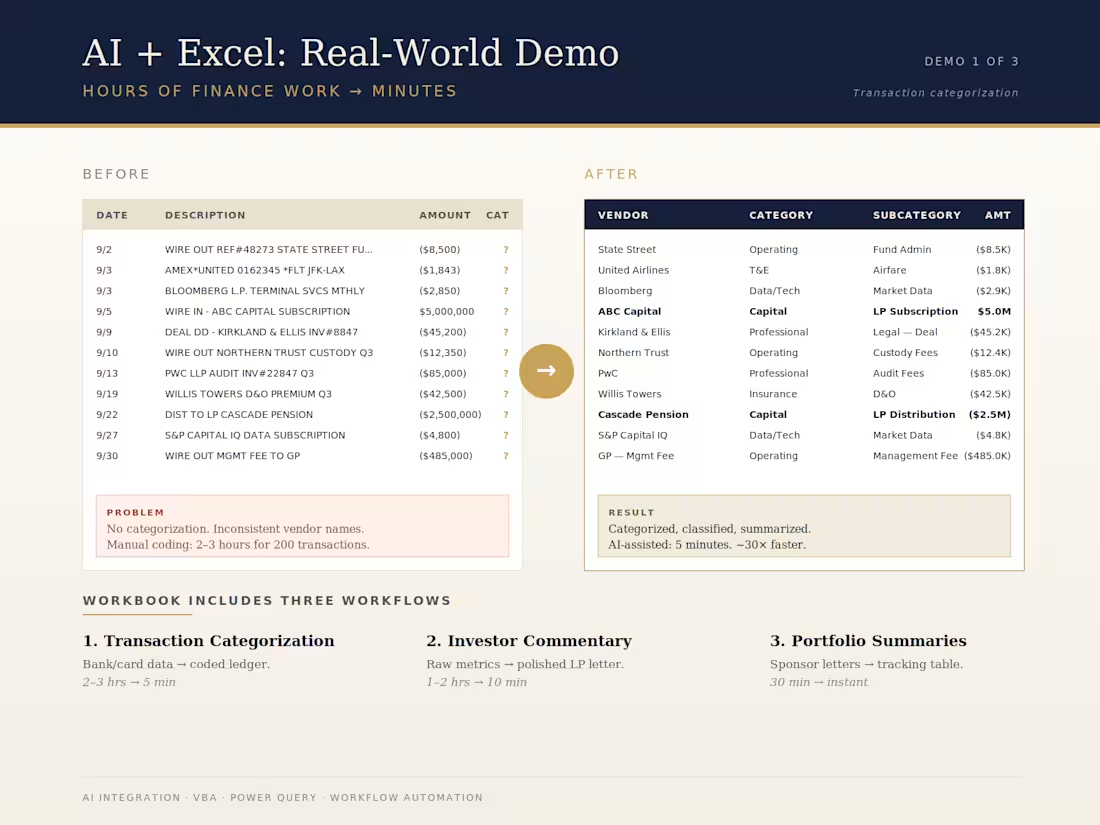
A working demonstration of how AI integration replaces hours of finance work with minutes. Three real workflows shown end-to-end with before/after data:
Transaction categorization. Messy bank/card transactions (wires, AMEX charges, vendor descriptions) auto-categorized, vendor-cleaned, and pivoted into a category summary. Manual: 2–3 hours for 200 transactions. AI-assisted: 5 minutes.
Investor commentary drafting. Raw quarterly performance data (NAV, returns, watchlist movement, pipeline) turned into polished investor letter copy. Manual: 1–2 hours of writing per quarter. AI-assisted: 10 minutes of editing.
Portfolio company summarization. Unstructured sponsor letters and press releases parsed into a structured tracking table with revenue, margins, leverage, and status flags. Manual: 30–45 min per company. AI-assisted: instant. The integrations are built INTO existing Excel workflows — no new tools for the team to learn. Two common patterns: copy/paste with Claude, or direct API integration via VBA / Office Scripts. The "after" sheets look like normal Excel because they are; AI just did the manual work. Illustrative samples built for portfolio purposes. Happy to scope an automation for your specific finance workflow.
0
69