
Kariuki Mwangi
n8n Architect: Automating property management with AI logic.
New to Contra
Kariuki is building their profile!
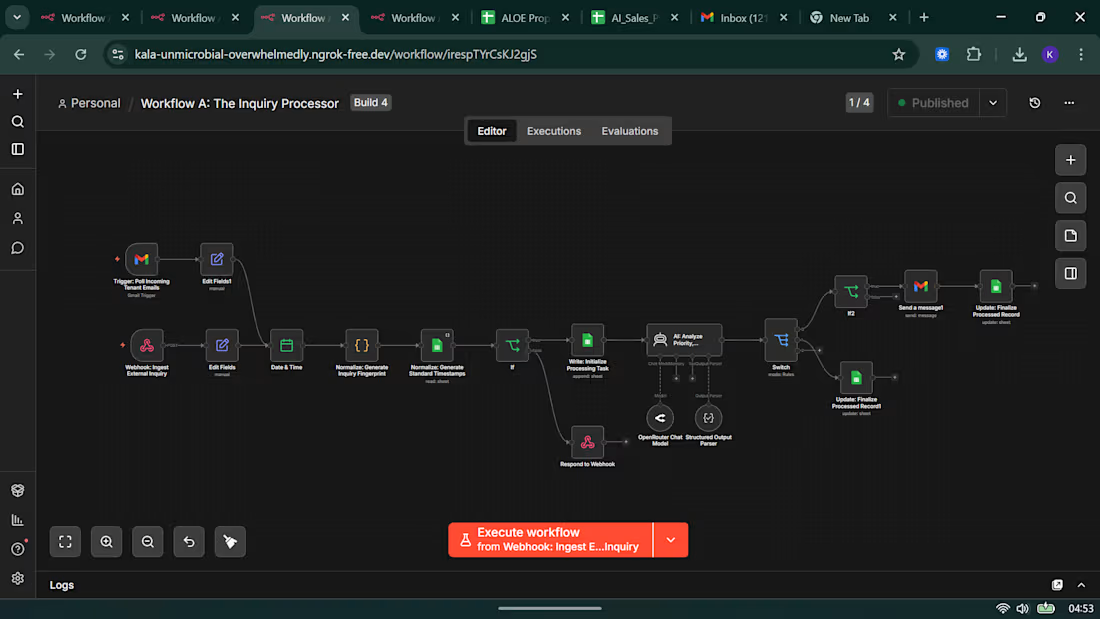
The following summaries outline the technical architecture and business logic of the two automation engines.
1. The Inquiry & Triage Processor
This workflow serves as a centralized ingestion hub for incoming business requests.
Ingestion: The system triggers via Webhook or a Gmail polling mechanism to capture new leads and tasks.
De-duplication: It utilizes a custom JavaScript node to generate a deterministic "fingerprint" based on the task data, ensuring no duplicate records are created in the database.
AI Analysis: An integrated AI Agent analyzes the request text to automatically assign a priority level, functional category, and recommended next action.
State Management: The engine logs the entry into Google Sheets and updates the record status from "In Progress" to "Processed" upon successful triage.
1
1
32
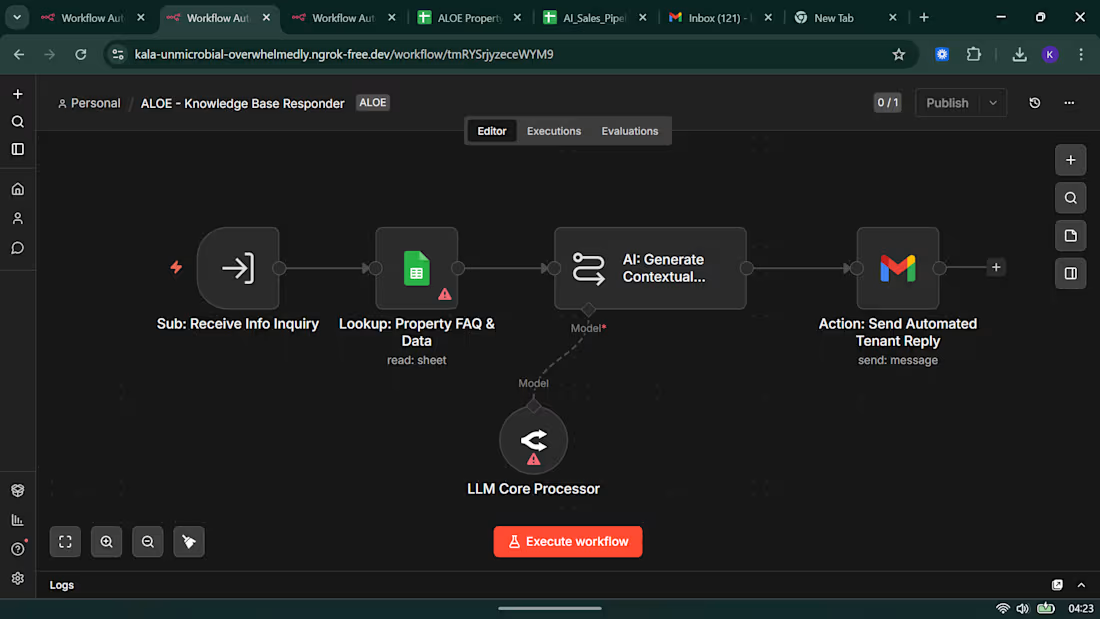
ALOE - Knowledge Base Responder
The 24/7 AI Support Agent
Logic: Queries a property-specific knowledge base to resolve tenant FAQs (like Wi-Fi passwords or utility rules) instantly.
Action: Uses an LLM to synthesize data into professional, friendly replies, escalating to management only when information is not found in the database.
0
12
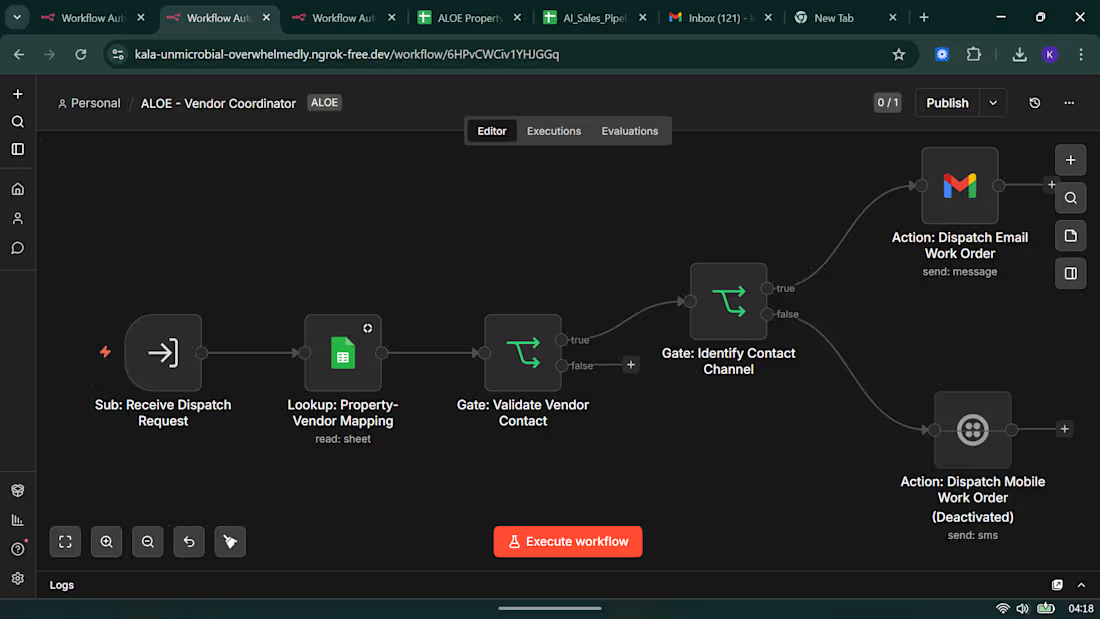
1. ALOE - Vendor Coordinator
The Smart Logistics Dispatcher
Logic: Automatically identifies the correct repair professional by mapping property IDs to a central vendor database.
Action: Dispatches detailed work orders via Email or WhatsApp based on the vendor's preferred contact channel to ensure immediate response.
0
12
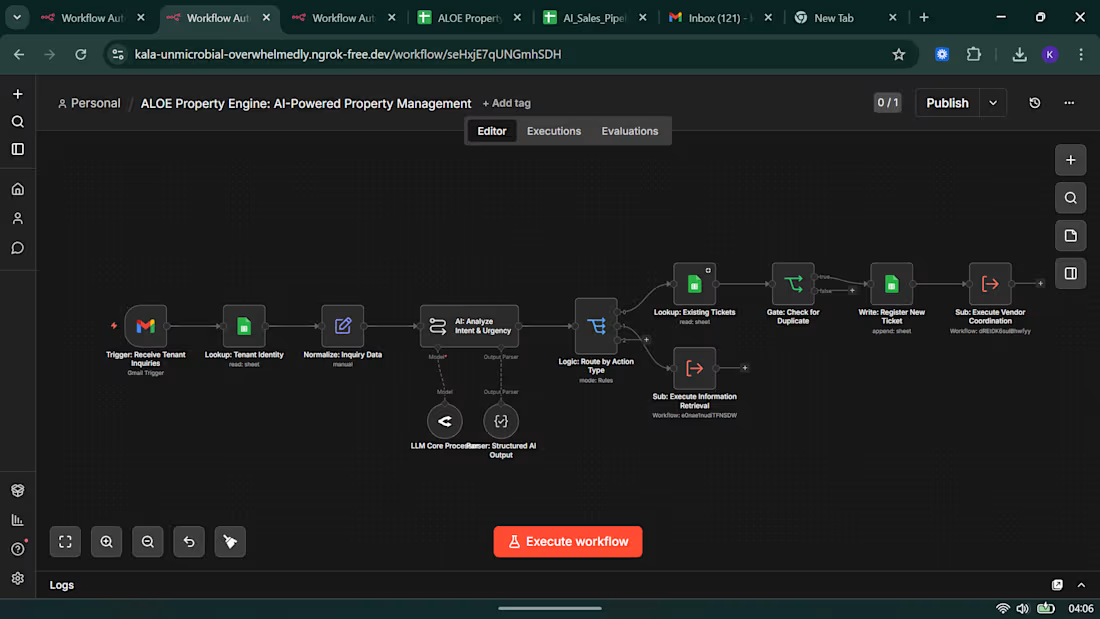
A modular n8n core that uses AI to triage property inquiries with 100% accuracy, featuring built-in de-duplication and automated subworkflow dispatching to eliminate manual administrative overhead.
0
8