

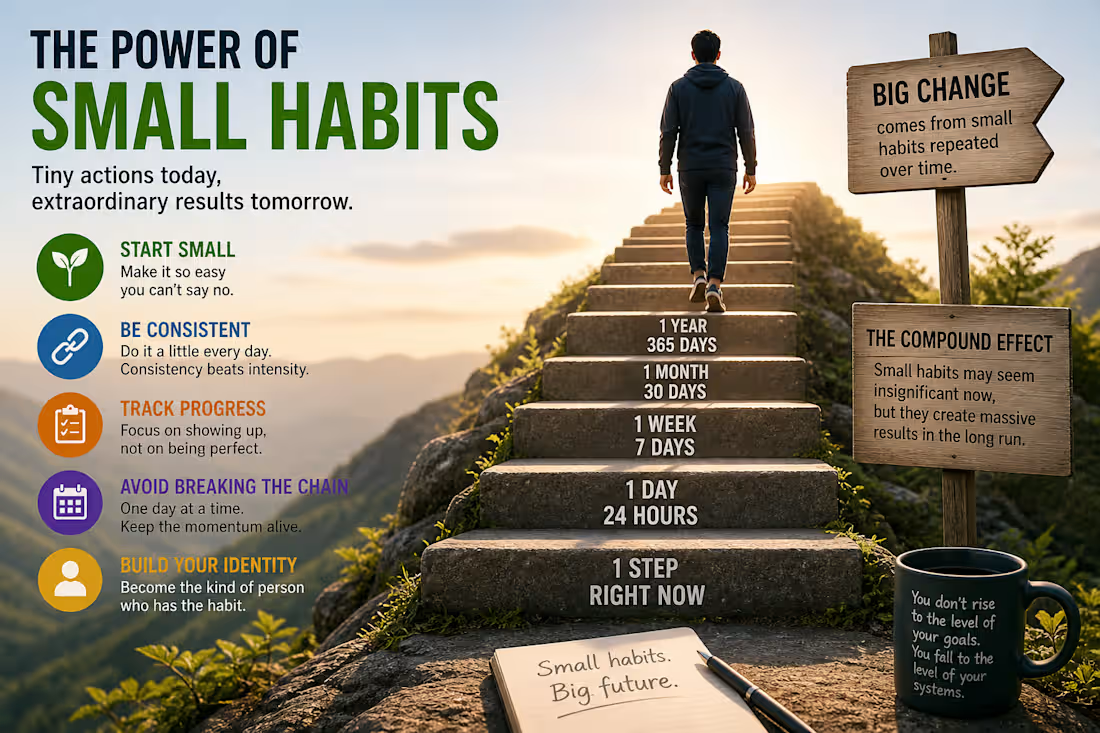
😊 The Power of Small Habits: How Tiny Actions Shape Big Change
0
24
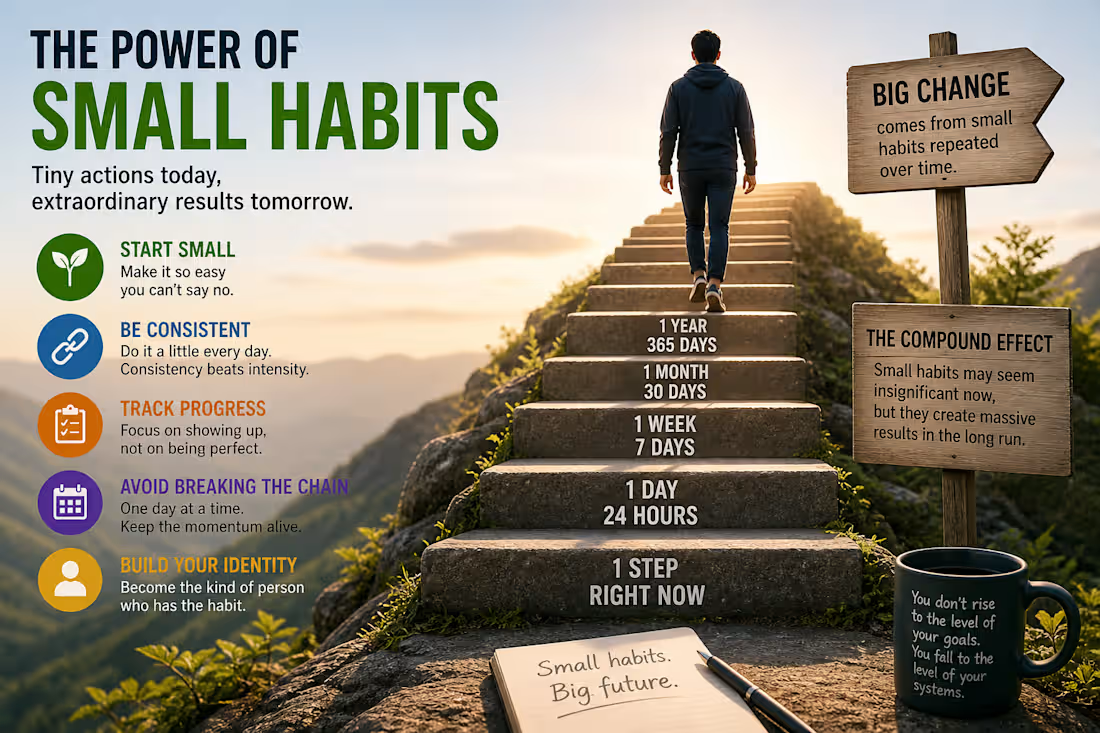
The Power of Small Habits: How Tiny Actions Shape Big Change
0
24

The Quiet Power of Starting Small
In a world obsessed with big wins, overnight success, and viral moments, the idea of starting small can feel almost insignificant. Yet, behind nearly every meaningful achievement lies a series of small, consistent actions—often unnoticed, often underestimated.
Starting small is not about thinking small. It’s about creating a foundation strong enough to carry something big.
Why Small Steps Matter
When people set out to achieve a goal—whether it’s making money online, getting fit, or building a skill—they often aim too high, too fast. The result? Burnout, frustration, and eventually giving up.
Small steps, on the other hand, are manageable. They reduce overwhelm and make it easier to stay consistent. Writing one page a day feels doable. Saving a small amount of money each week feels realistic. Learning one concept at a time builds confidence.
Consistency beats intensity every time.
Momentum Is Built, Not Found
Many people wait for motivation before they begin. But motivation is unreliable—it comes and goes. What truly drives progress is momentum, and momentum is created through action.
When you take small steps daily, something shifts. What once felt difficult becomes routine. What once felt impossible starts to feel within reach.
Think of it like pushing a heavy object. At first, it barely moves. But with steady effort, it begins to roll—and eventually, it becomes easier to keep going than to stop.
The Psychology of Progress
Small wins trigger a powerful response in the brain. Every time you complete a task, no matter how minor, your brain rewards you with a sense of accomplishment. This builds confidence and reinforces positive behavior.
Instead of focusing on how far you have to go, focusing on what you’ve already done creates a healthier mindset. Progress becomes visible, and that visibility fuels motivation.
Real Growth Takes Time
We live in an age of instant gratification—fast internet, fast food, fast results. But real growth doesn’t follow that timeline.
Skills take time to develop. Businesses take time to grow. Even personal change requires patience. Starting small allows you to respect that process instead of rushing it.
The people who succeed are not always the most talented. Often, they are simply the ones who didn’t stop.
How to Start Small (But Smart)
Starting small doesn’t mean being random. It means being intentional with manageable actions:
Break big goals into tiny tasks
Focus on daily consistency rather than perfection
Track your progress, even if it’s minimal
Celebrate small wins—they matter more than you think
Final Thought
You don’t need a perfect plan. You don’t need massive resources. You don’t need to have everything figured out.
You just need to start.
One small step today can become something powerful tomorrow.
0
26

The Quiet Power of Starting Small
0
20