
Haile Asaye
Agentic AI Engineer | LangGraph, RAG & Full-Sack Developer
New to Contra
Haile is building their profile!
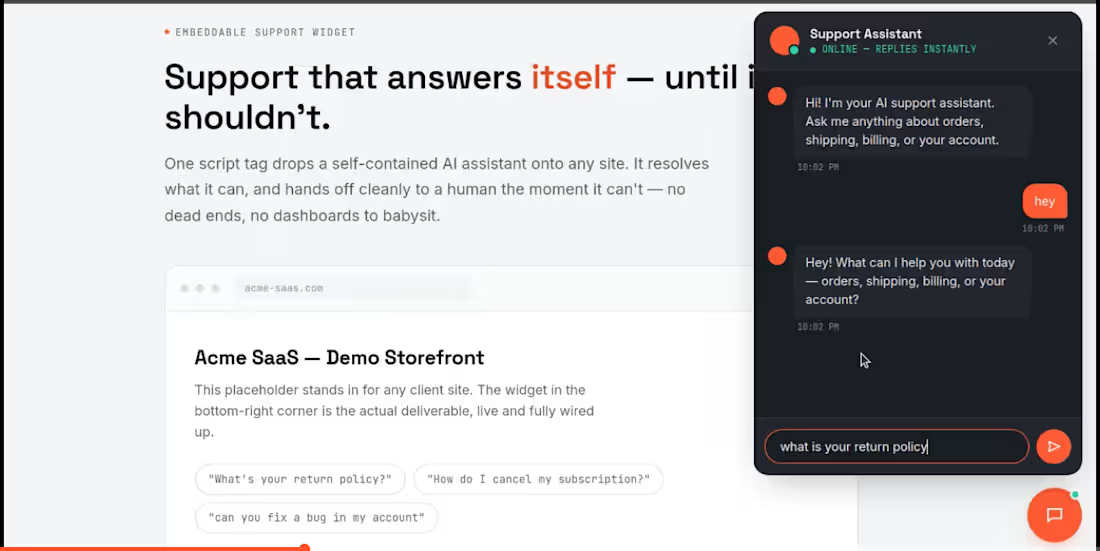
Customer support teams burn most of their time answering the same handful of questions over and over. This agent takes that load off entirely: it understands what a customer is asking, pulls the accurate answer from your knowledge base using RAG, and holds context across the full conversation — not just a single reply.
The real value is in what it doesn't do. When a query falls outside what it can confidently resolve, it hands off to a human cleanly instead of guessing or looping the customer in circles — so support quality holds up even on the edge cases.
Built on LangGraph and LangChain for the reasoning layer, FastAPI for the backend, giving support teams a first line of response that's fast, accurate, and honest about its own limits.
1
30
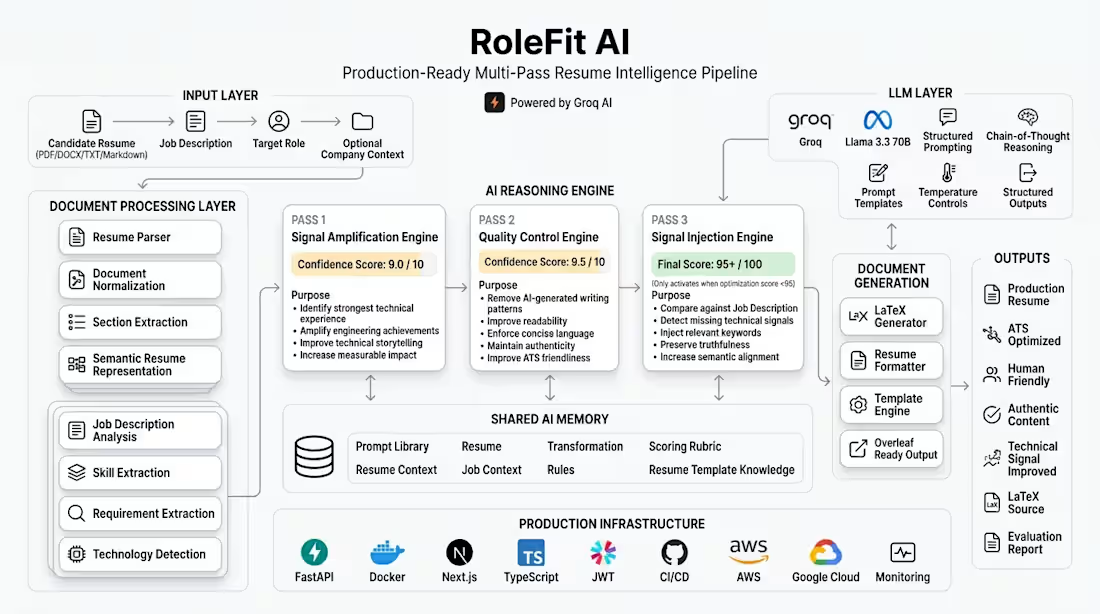
Built an AI-powered resume intelligence tool that analyzes a candidate's resume against a job description and scores the actual fit — skills match, experience alignment, and gaps — instead of relying on keyword matching alone. Gives structured, explainable output so both candidates and recruiters know exactly why a match scored the way it did.
1
29
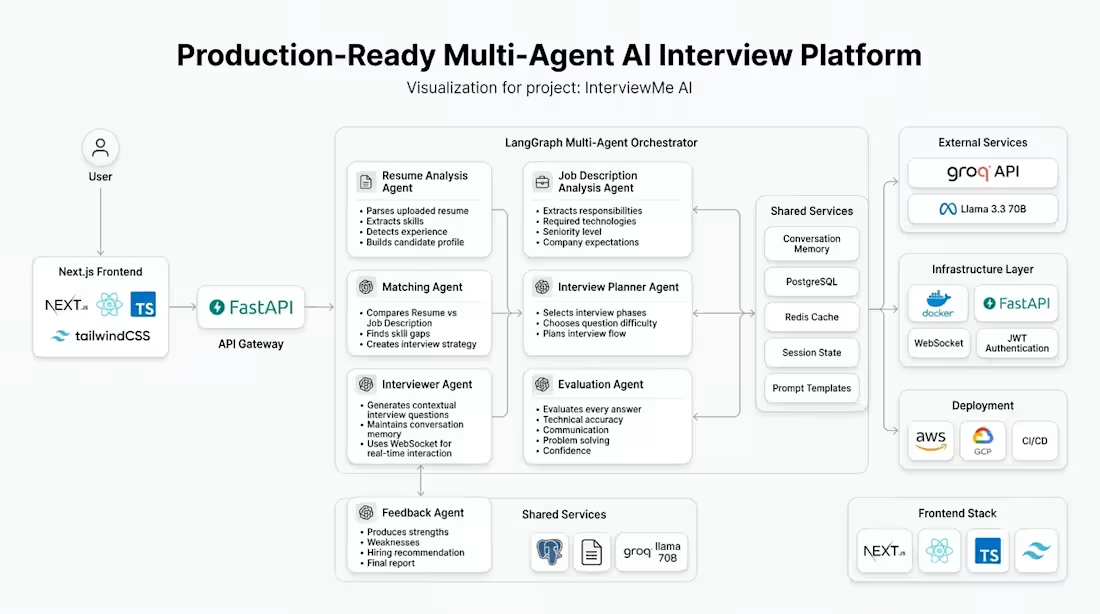
Built a multi-agent interview platform using LangGraph to coordinate distinct agent roles — one conducts the interview, one evaluates responses, one generates feedback — working together through a shared, structured flow rather than a single prompt trying to do everything.
The system adapts its questions based on how the candidate is answering, and produces structured, actionable feedback at the end instead of a generic pass/fail score.
Result: a practice interview experience that behaves less like a chatbot and more like a real interviewer — with feedback candidates can actually act on.
1
38
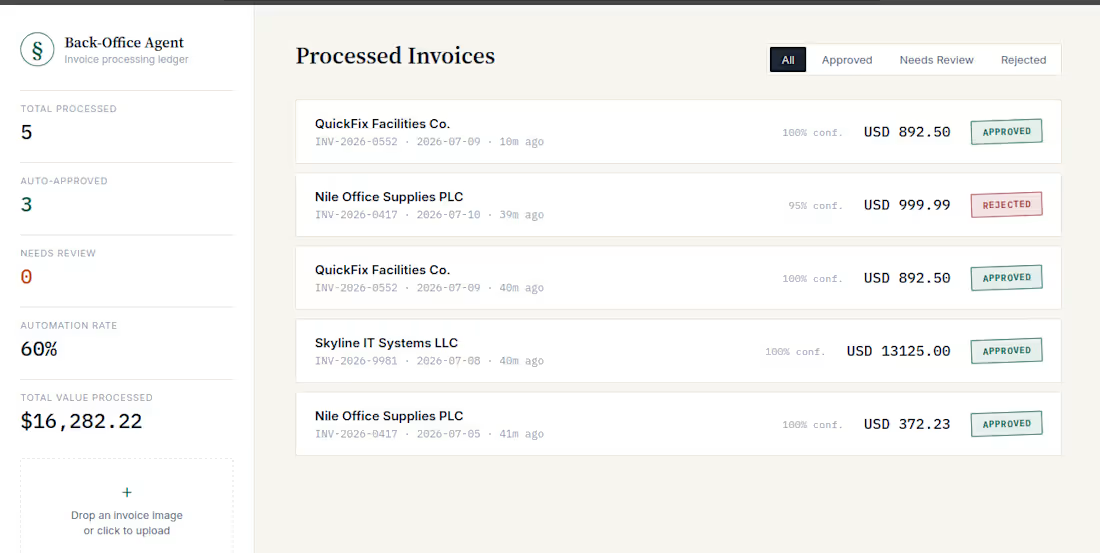
An AI agent that automates invoice processing end-to-end. It reads incoming documents using vision-based OCR, extracts structured data (vendor, amount, date, line items), and checks each one against a vector database to catch duplicate payments before they happen.
Runs on a FastAPI backend that orchestrates the pipeline and writes clean records to a database. Fully tested against real invoice data, and hardened by fixing a credential-exposure issue — moved to a local embedded vector setup for better security and easier deployment.
Result: manual invoice entry replaced with a pipeline that runs unattended and only flags what needs a human.
1
46