
Giuseppe Luigi Sinisi
Bringing your Italian ancestors' stories back to light.
New to Contra
Giuseppe Luigi is ready for their next project!
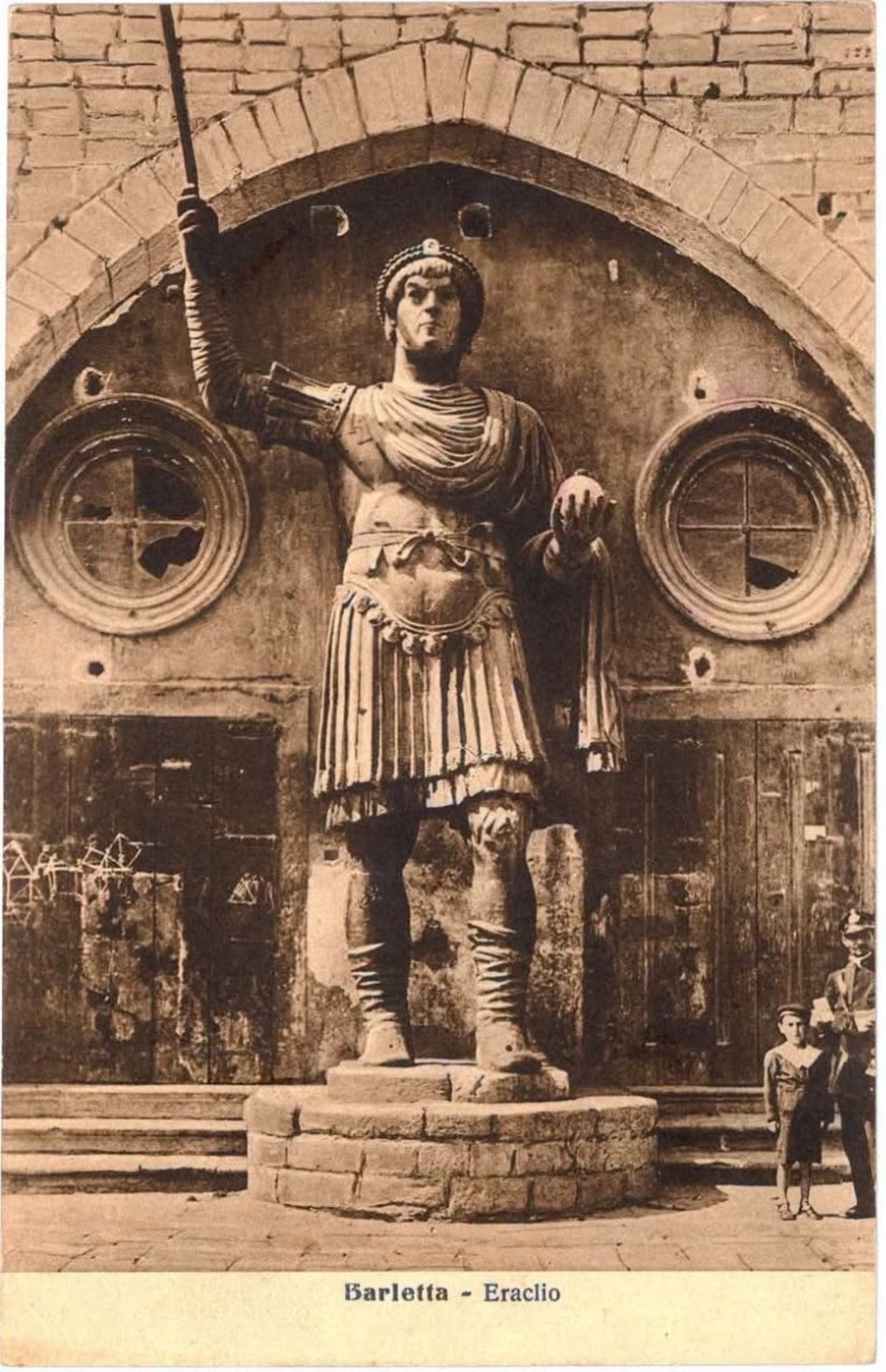
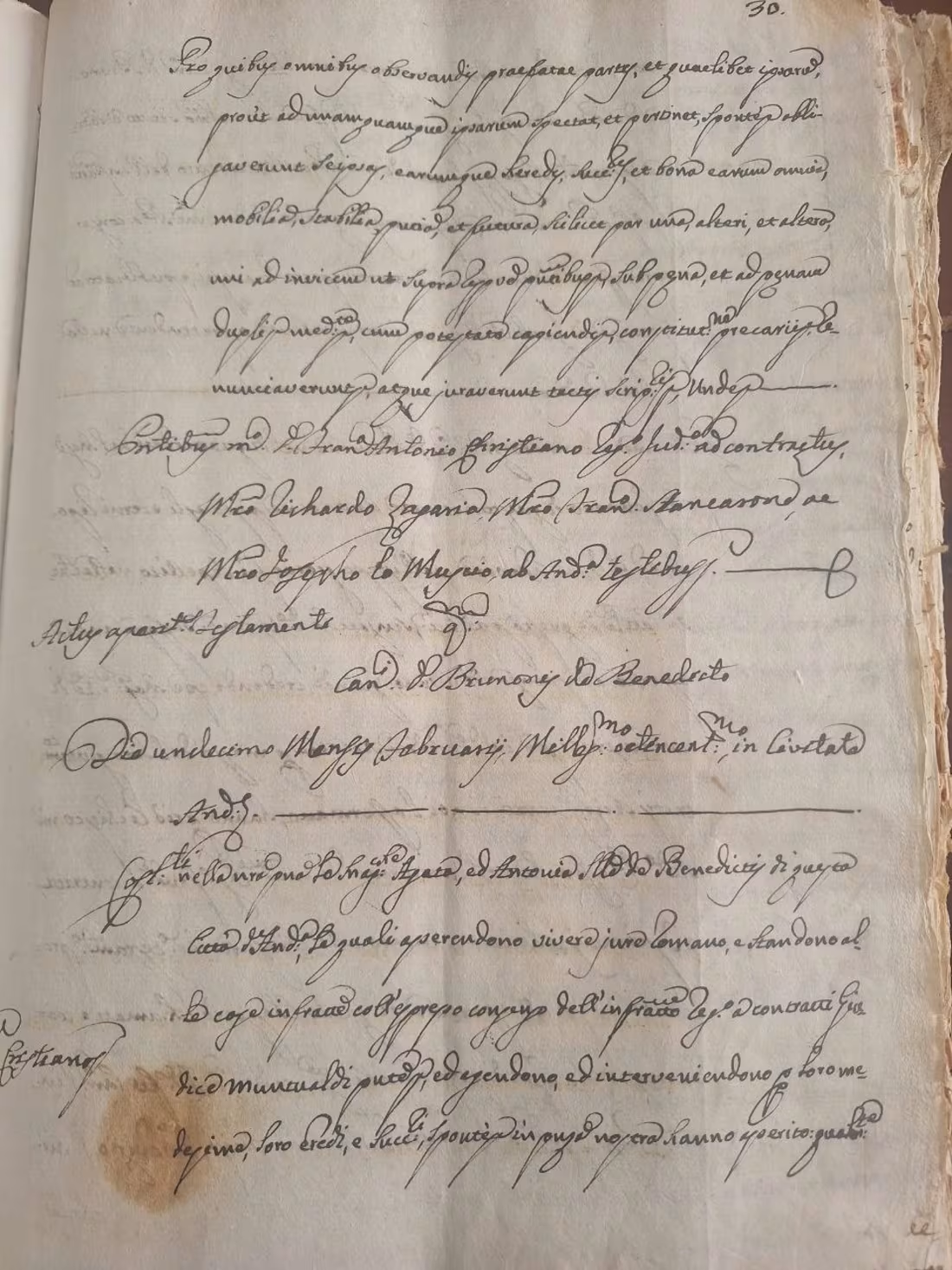
Researching 1803 inheritance acts at the Notarial Archives of Trani. Notarial records open a window into our ancestors' private lives. By analyzing early 19th-century wills, successions, and estate divisions, I can map out family relationships, discover what properties they owned, and uncover how wealth (or debt) was passed down through generations.
1
47
Analyzing military sheets (Fogli Matricolari) at the State Archives. > These records are a goldmine for Italian genealogy. They detail an ancestor’s physical traits, education, military service, and campaigns. Researching these documents allows me to reconstruct the military history of World War I and 19th-century soldiers, adding vivid, personal stories to the family tree.
1
43
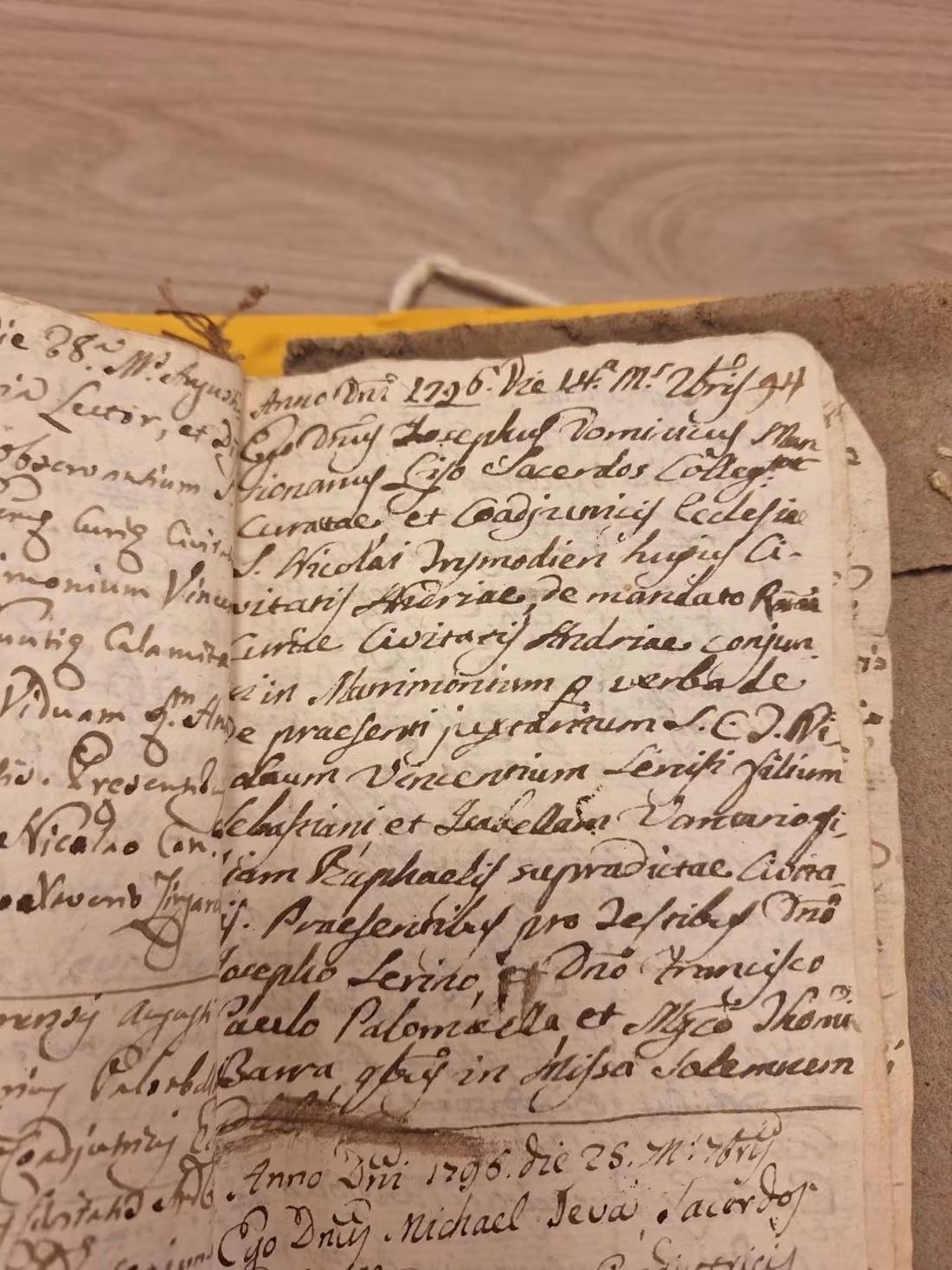
Reviewing pre-1809 parish records at the Diocesan Archives of Andria. > Before official civil registries began in Southern Italy, church records were the only trace of our ancestors. Digging through these centuries-old Latin registers allows me to bypass the 1809 barrier, deciphering ancient baptisms and marriages to trace lineages back into the 1700s and 1600s.
0
26
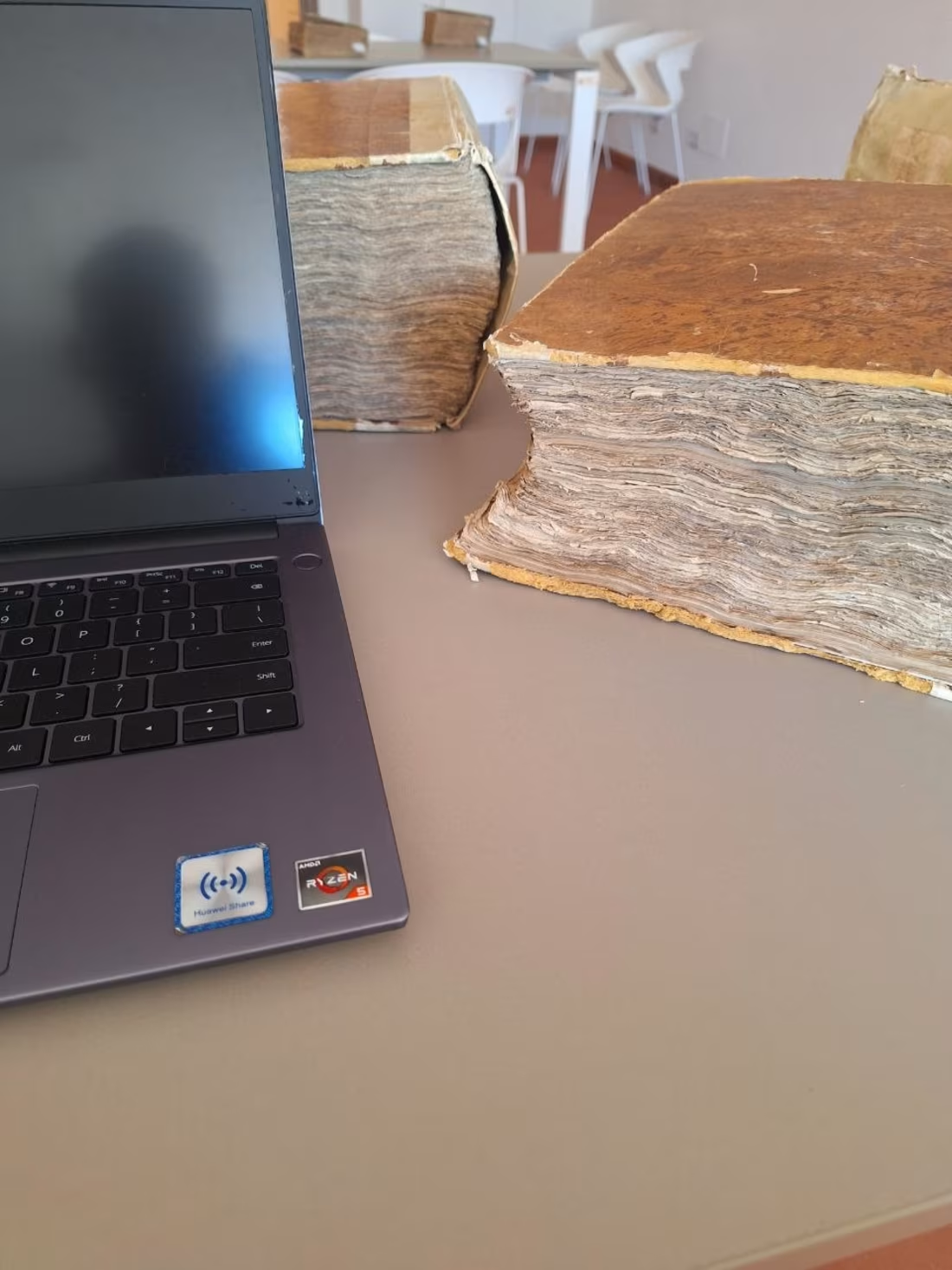
Researching the 1740s Catasto Onciario at the Barletta State Archives. > The Catasto Onciario is a unique 18th-century Bourbon tax registry. It provides an incredible snapshot of Southern Italian families, listing names, ages, professions, and assets. By deciphering these ancient documents, I can reconstruct deep family histories and uncover how ancestors lived centuries ago.
1
31