
Fatika Umar Ibrahim
ML Engineer predictive models for veterinary and businesses
New to Contra
Fatika is building their profile!

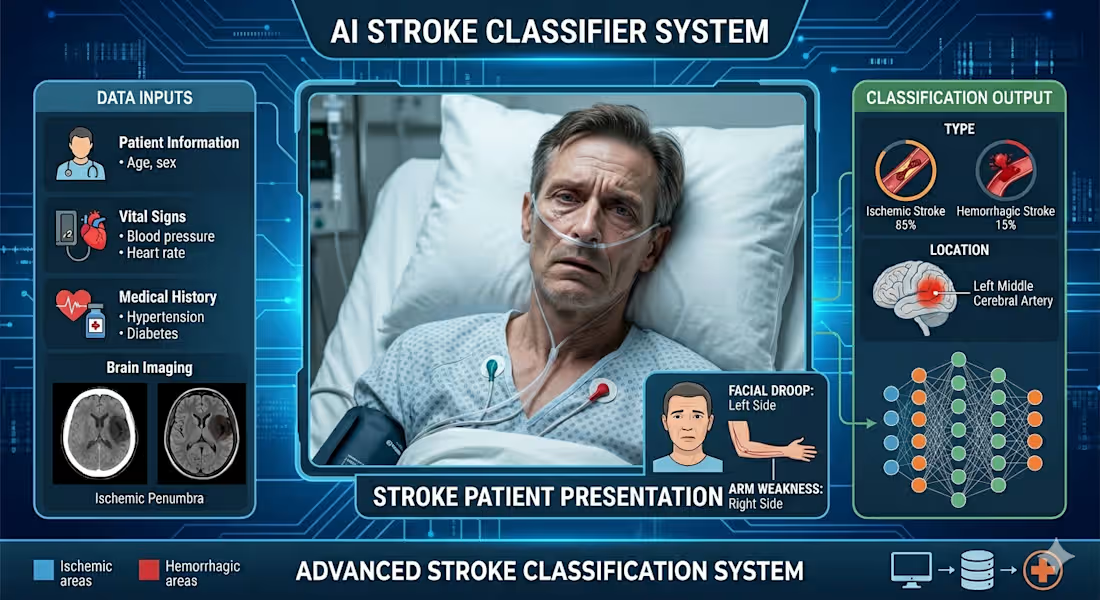
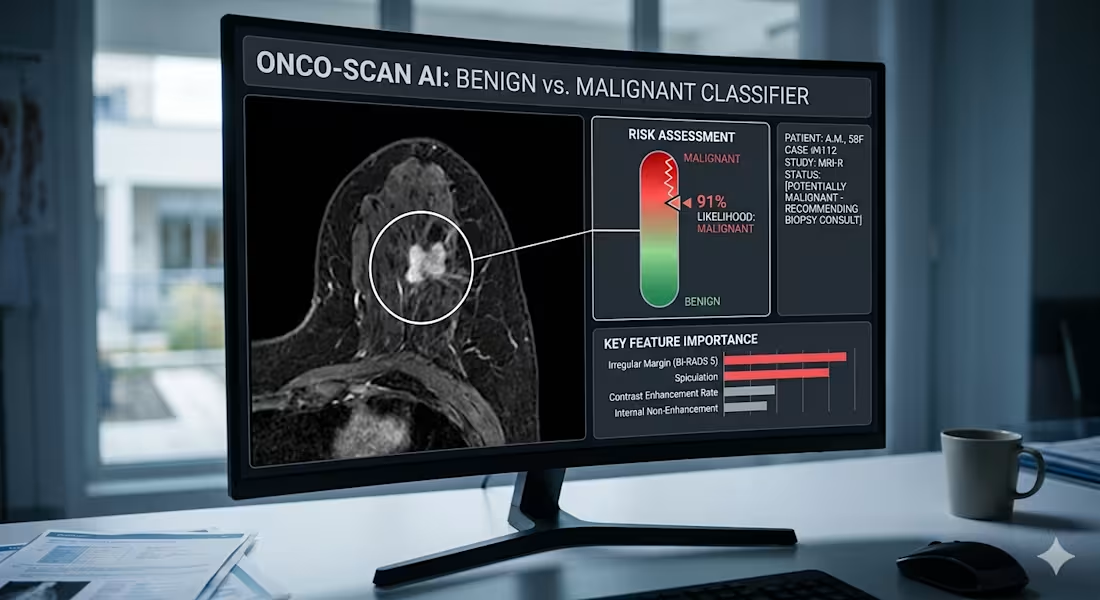
an "AI Stroke Classifier System" that evaluates potential stroke patients like the recorded non-smoking, non-diabetic male. The system takes key data inputs, including physical patient information (vitals like systolic and diastolic blood pressure, and BMI) and brain imaging (CT or MRI scans), which are then analyzed by a neural network model to generate a classification output. For the example patient shown with facial droop and arm weakness, the AI has determined an Ischemic Stroke in the Left Middle Cerebral Artery, and has automatically assessed the condition's severity to provide appropriate treatment recommendations, such as tPA or thrombectomy.
0
14
This model is a Clinical Veterinary Triage Tool designed to classify canine masses by analyzing key physical and biological indicators. By integrating Tumor Size (cm) and Mitotic Index (cell division rate) with demographic data like Dog's Age, the classifier identifies statistical correlations between rapid growth and malignancy. It also factors in physical examination findings, such as Mobility (whether the mass is "fixed" or "free-moving") and Growth Rate, to provide a risk-stratified output. This data-driven approach assists veterinarians in prioritizing high-risk cases for immediate biopsy or surgical intervention.
0
19
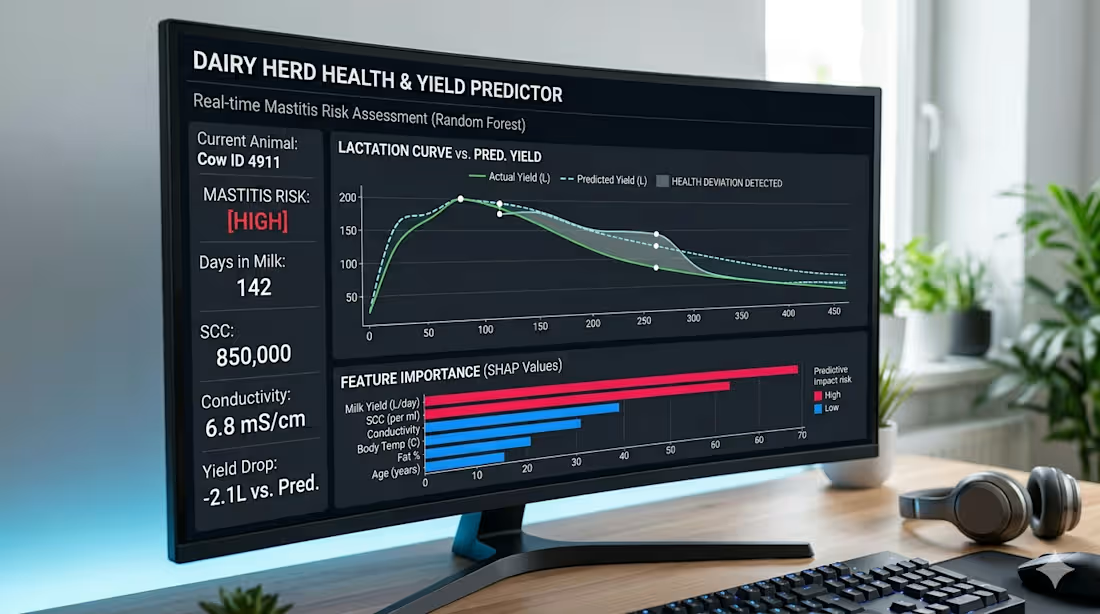
This project features a machine learning pipeline that utilizes a Random Forest Classifier to predict milk yield fluctuations and detect subclinical mastitis in dairy cattle. By integrating multi-parameter data including Somatic Cell Count (SCC), electrical conductivity, and lactation stages,the model identifies early-stage health deviations that often bypass manual inspection. This proactive approach enables precision livestock management, allowing for targeted veterinary intervention to minimize production losses and improve overall animal welfare.
0
26
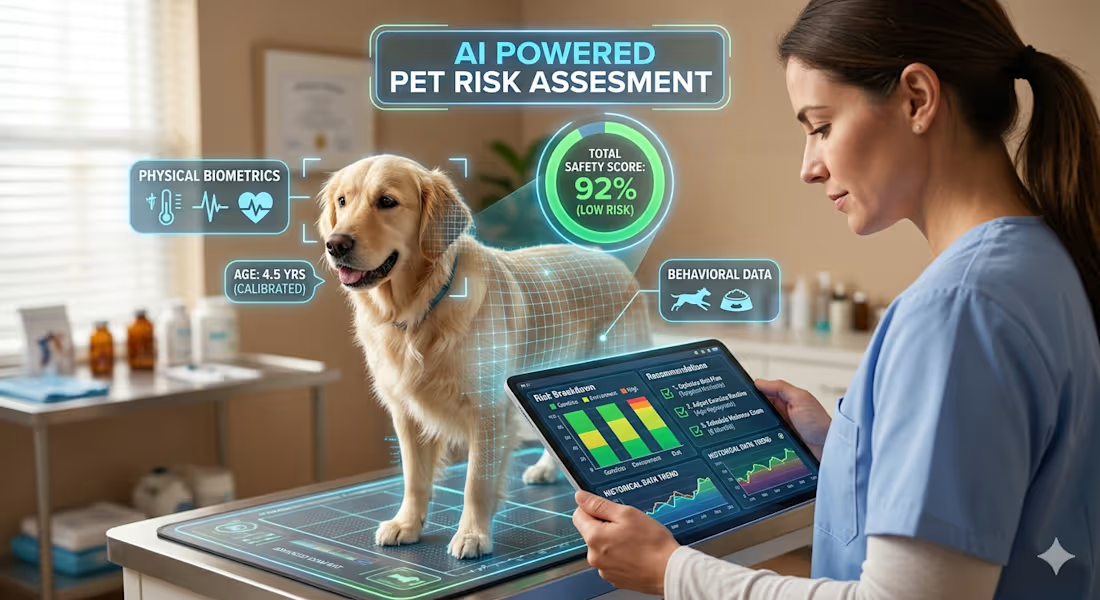
AI-Powered Pet Care: Risk Assessment & AI Engine
Turn raw pet data into proactive health insights. In the pet-tech industry, tracking is no longer enough. This project offers a data-driven Risk Assessment Model designed to identify health vulnerabilities before they become emergencies. Whether for a vet portal, wearable integration, or nutrition app, this AI transforms biometrics into actionable, veterinary-informed insights.
0
27