
Anna D.
UX Designer, Product Designer, Visual Designer


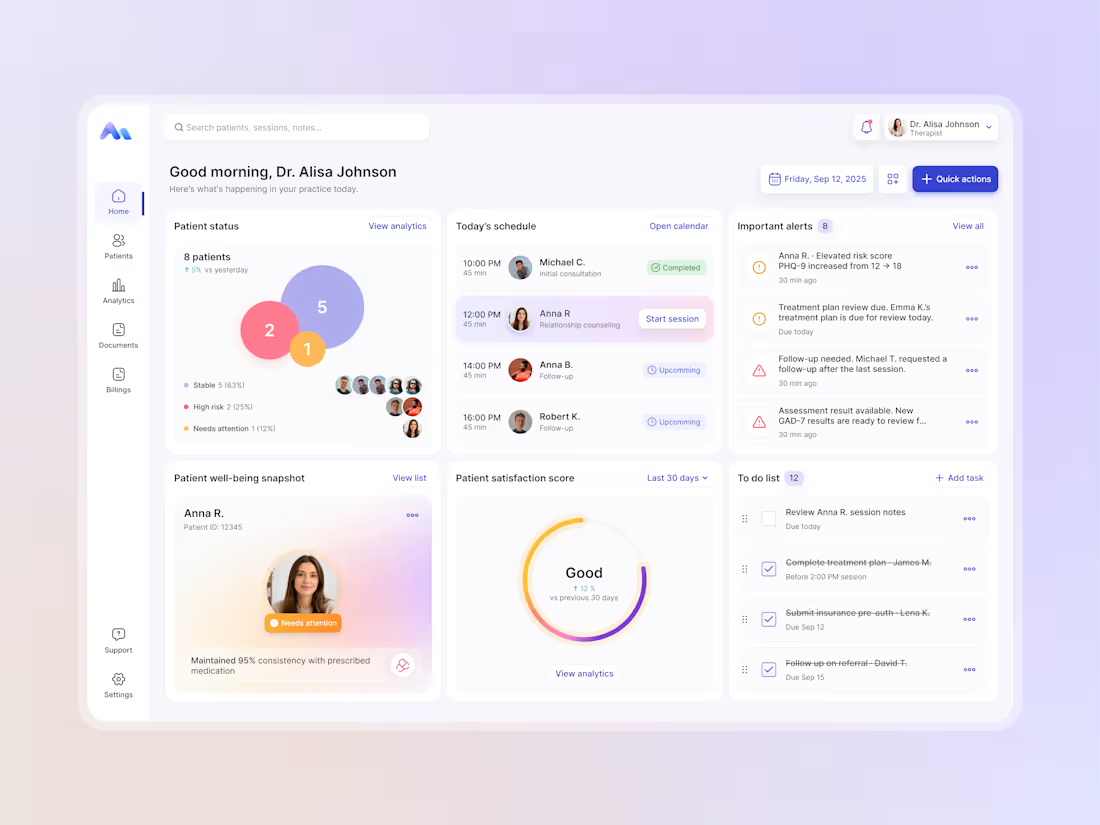
Therapist Dashboard UX Concept
2
7
NATURE, ARCHIVED
What if the painting outlived the landscape?
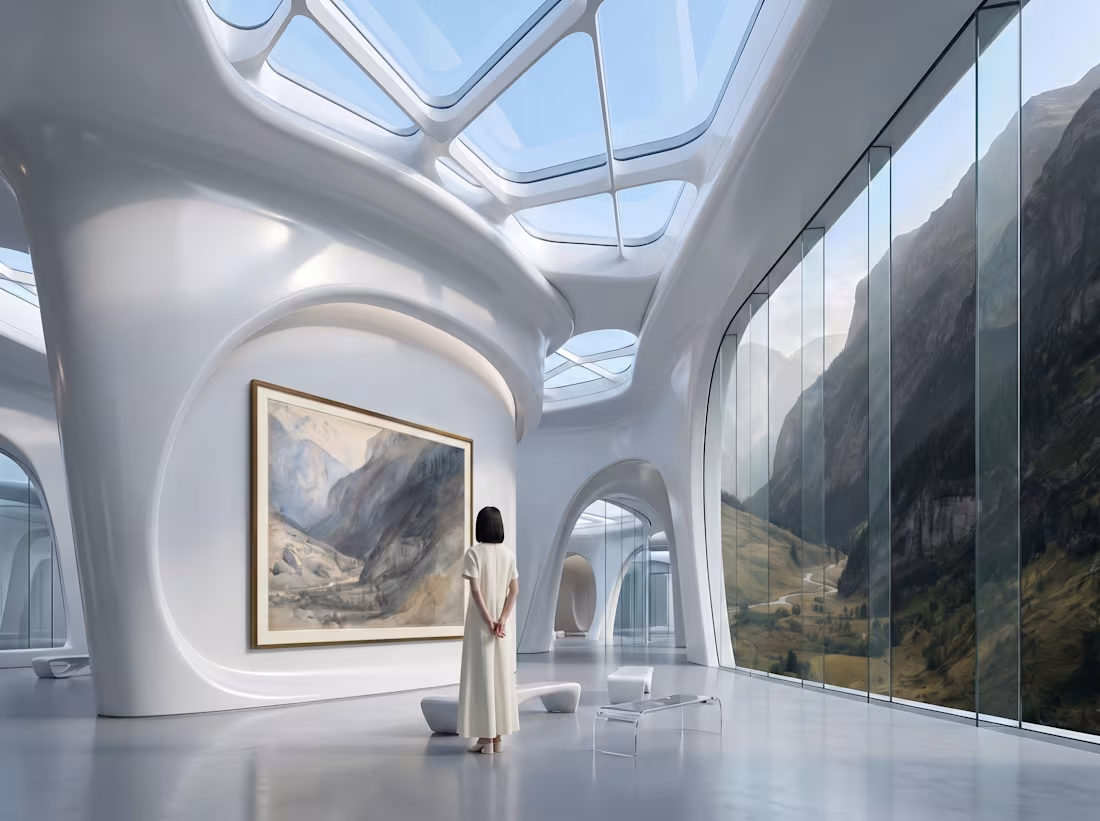
The project was inspired by John Ruskin’s The Valley of Lauterbrunnen, Switzerland (ca. 1866), from The Metropolitan Museum of Art’s Open Access collection. Ruskin’s watercolor captures the Alpine landscape through layers of light, shadow, distant peaks, and atmospheric haze.
Before generating, I mapped the idea into six scenes, each supporting a different part of the story. In FLORA, I worked iteratevly , and eplored several AI models, refining references, motion, scale, and composition to preserve photographic realism and visual consistency.
Rather than remaking the painting, I imagined a future in which Ruskin’s work is no longer simply an image of a place. It has become an archive of something humanity can no longer encounter in the physical world.
The museum preserves the artwork, but also reconstructs the world contained within it: its scale, atmosphere, movement, and sense of life. The painting becomes a portal between two realities — a record of what once existed and a way for future generations to experience what has been lost.
The artwork survived. The landscape didn’t.
For us today, the painting is a representation of nature.
For people of the future, it is nature.
Created in @ for the #FLORAMuseum challenge.
🖼️ Original artwork: John Ruskin — The Valley of Lauterbrunnen, Switzerland, ca. 1866 (https://www.metmuseum.org/art/collection/search/359021?utm_source=chatgpt.com)
🎨 Project link Nature, Archived (https://app.flora.ai/join-project/a0596e28-6868-4c6a-a21f-a53a807d44e1)
5
9
738
At some point in adulthood, something just clicks — you start paying more attention to nature. For me, it was birds 🦉
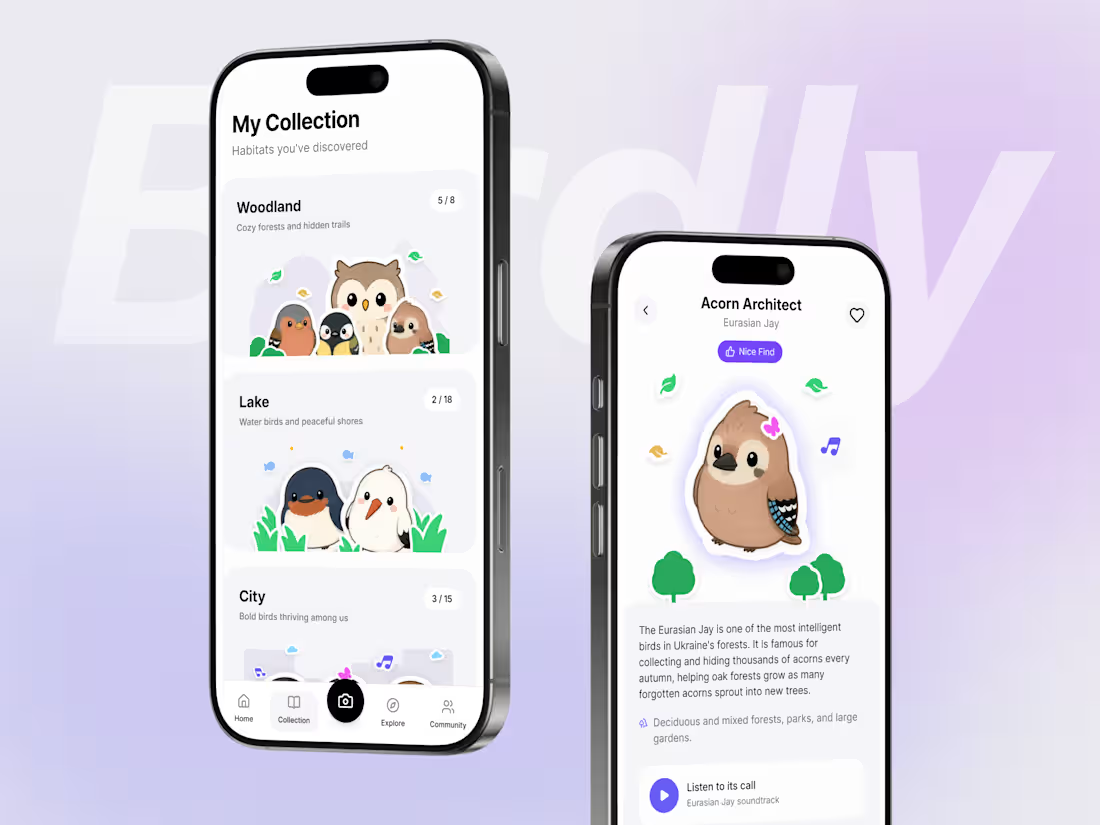
For the #FlowstepChallenge, I created Birdly (naming is hard, okay? 🐦) — a bird recognition app that turns every discovery into a collectable illustrated sticker. Users can identify birds by photo or sound, build personal collections, unlock achievements, explore nearby bird hotspots, and connect with a community of bird explorers.
For the design process, I followed my usual design workflow, starting with the product vision, user flows, and a moodboard, but decided to skip wireframes and design directly in Flowstep. I quickly learned that the best results came from working screen by screen, refining prompts, and creating a design guidelines file to keep the UI consistent.
I also experimented with different Flowstep features, which helped me overcome creative blocks and explore new directions. Flowstep helped me iterate quickly, explore different directions, and turn an idea into a complete interactive prototype.
I'm really happy with the final result and learned a lot along the way. Thanks to @Flowstep and @Contra HQ for organising the challenge! 🔥
📱 Flowstep file: https://app.flowstep.ai/file?activeFileId=a37d6cf5-a264-41b9-9c87-9810c3a5be8b
6
13
708
Hi everyone! 👋
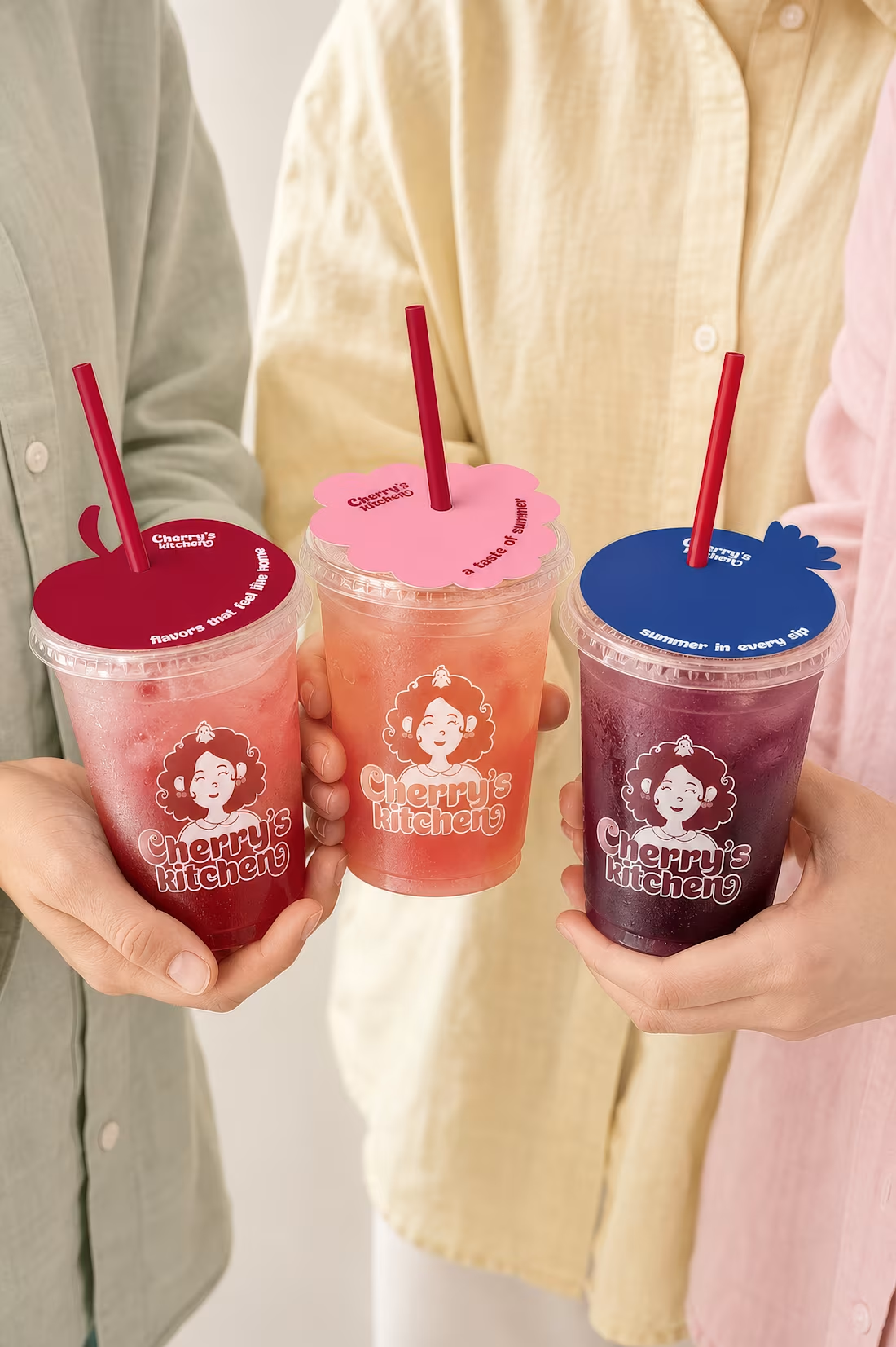
For the #envatochallenge, I wanted to explore Envato in as many ways as possible, from stock assets and fonts to AI image generation, video creation, animation, mockups, and even the music for this video. To do that, I created Cherry's kitchen — a cozy café brand inspired by warm summer afternoons, homemade cherry desserts, and family gatherings.
Throughout the project, I used Envato as my main creative toolkit while bringing everything together in Figma. I designed the mascot, visual identity, packaging, café interiors, animations, and brand guidelines. And honestly... I just couldn't stop exploring. Every time I finished one part of the project, I found another way to bring the brand to life.
One of my favorite parts of the process was deciding what truly belonged in the brand identity. I explored different concepts and made the creative decision, choosing what to keep, what to refine, and what to leave behind.
Check out the process video below! I'd love to hear your thoughts on the project 🍒😍
19
37
3.5K