
I create websites and MVPS to help ambitious businesses grow


I create websites and MVPS to help ambitious businesses grow
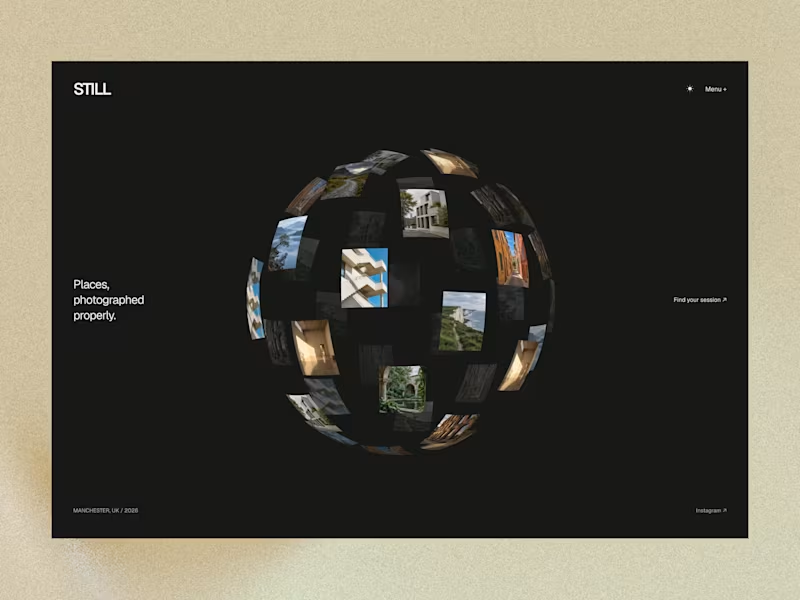
I built STILL, an independent photography studio based in Manchester: https://light-and-still.lovable.app
Getting clients through the front door is only half the battle. For solo photographers, the real nightmare is the busywork after someone asks to book: chasing prep forms, sending photoshoot directions, reminding people about remaining balances, and following up on stalled leads.
STILL solves both sides of the counter:
The front door: Clients explore an interactive photo globe, pick their session, check live studio slots, and lock it in with a deposit. Confirmation, calendar invites, and photoshoot prep go out immediately.
Automated follow-through: The studio desk tracks every photoshoot's lifecycle. Pre-shoot questionnaires, 48-hour balance reminders, and location guides can be sent in one tap or set to run automatically.
No lost revenue: If someone abandons halfway through checkout or goes quiet on an inquiry, STILL catches it and drafts a tailored follow-up to recover the booking.
Studio control: The owner can set custom studio hours, block out multi-day holidays in one click, and deliver finished high-res photo galleries directly to clients.
From initial inquiry to final photo handoff, without the owner spending their evenings playing receptionist.
2
217
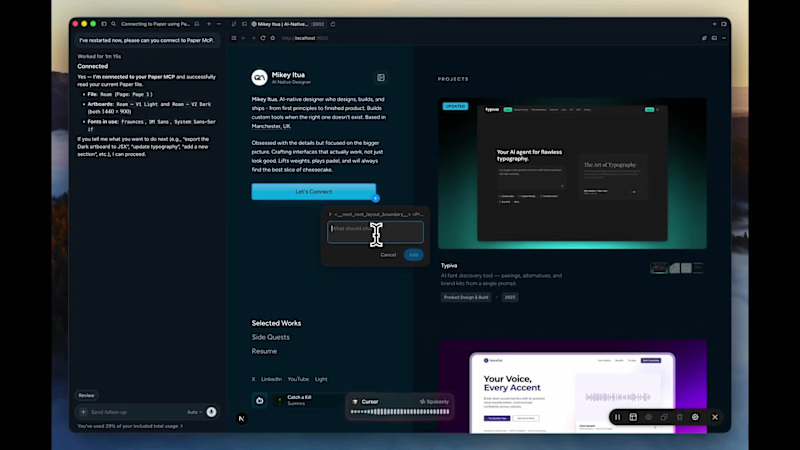
For this challenge, I used several tools connected to Paper and Paper's Canvas to build Roam - a restaurant, eatery, and activity finder for Manchester.
I wanted to create it because, coming back from uni with time to finally explore the city, I needed a way to visualise places I'd been meaning to visit on a map.
I started by using Claude Code in the terminal to pull a button from my portfolio repo, then rebuilt and redesigned it in the Paper canvas for this project. From there, I used Claude Code and Gemini CLI to generate screens and variants via Paper MCP, picked my favourite, and brought it to life as a functional design in the new Lovable Desktop app using Paper MCP connection.
I then synced the project to Cursor via GitHub and continued iterating - adding advanced features like maps, a light/dark mode using colour styles from my Paper Canvas, and a chatbot, both designed with Claude Code and Paper MCP. I finally powered the chatbot using Lovable AI and used the Paper metal shader for the chatbot button.
Check out my post on X where I also have a longer version of the process video: https://x.com/ituadesign/status/2044547467488772264?s=20
4
657


Building high-performance games and their backend systems
- $10k+
- Earned
- 1x
- Hired
- 5.0
- Rating
- 23
- Followers
Building high-performance games and their backend systems
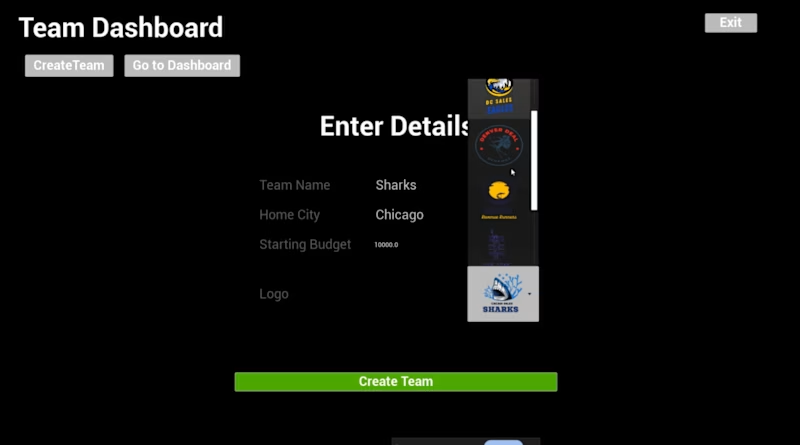
I recently built a Team Ownership & Economy Simulation System in Unreal Engine 5, inspired by franchise-style management modes where players run a team as a business. The system includes team creation, a weekly simulation loop, and a management dashboard that tracks revenue, expenses, performance score, and team valuation. Revenue is generated from game wins, sponsorships, and media exposure, while expenses include player salaries, marketing spend, and operational costs. Ownership decisions like marketing, facilities, and staff upgrades use escalating costs to encourage strategic trade-offs, with all logic handled through a modular, extensible team manager designed to support multiple teams and future persistence.
1
2
305

I worked on Sand Bullet (Unity 3D) a top-down shooter indie title and owned the full development cycle from early concept to final deployment. I built the core tech including enemy AI, a flexible weapon system, and in-game power-ups, then pushed it through release on Steam, where it picked up real user traction and feedback that helped shape polish and iteration.
2
21
598


Built a Collab Viewer style toolset inside the UE5.5 project and made it reliable for dedicated-server multiplayer. I migrated/merged the Collab architecture into a my project (GameMode, PlayerController, Pawns, PlayerState), fixed reference/compile issues, and wired the tools to our custom UI for both First Person and Orbit pawns.
Key work included replication/RPC cleanup so tools work over a server, plus integrating tools like annotations (text, paint and erase), transform, Datasmith runtime loading (replicated so one client’s load appears for others), measuring/dimension tool (place/edit/delete and unit switching), and bookmarks (place, list UI and teleport with rotation).
A network-ready collaboration layer in custom with UI-driven workflows and server-validated replication, ready for packaging/testing and ongoing polish
1
1
373