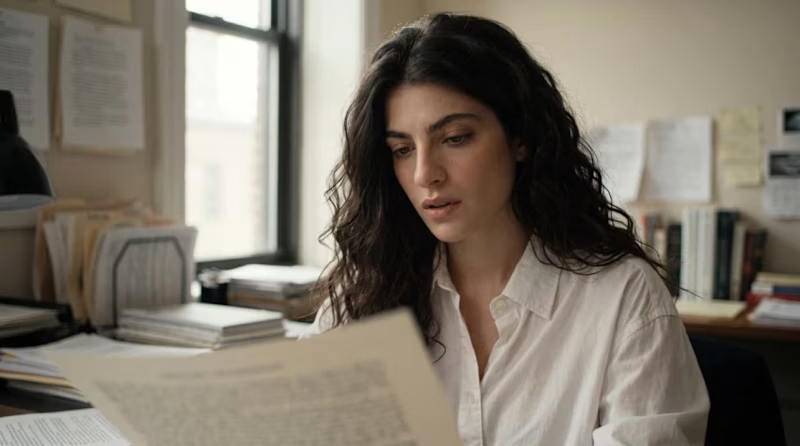
A little look at my workflow inside Magnific for AI teaser production.
I really like building my own process instead of relying on a one-click workflow.
Usually, I start with the characters first.
Then I shape a loose storyboard inspired by the book/story, selecting the scenes that would actually make sense in a teaser.
From there, I generate base images and use those as the foundation for multiple variations — mostly to explore different framings, compositions, and emotional tones.
If you look closely, you can also see a lot of wrong generations in this board — and that’s exactly why having access to tools with generous or unlimited generation options matters so much.
For this phase, tools like Nano Banana 2.0 and Kling 2.5 inside Magnific are incredibly useful, because they let me generate a large volume of images, compare, curate, discard, and refine without being overly precious too early in the process.
My workflow usually looks like this:
— build the characters
— generate base stills
— create variations for framing and continuity
— select the strongest images
— make light fixes / upscale where needed
— test prompts and reactions in motion
Once I find something that really works, I usually replicate or polish it in Kling 3.0, or sometimes re-run it in Kling 2.5 at 1080p.
I mostly save Seedance for moments where I specifically want to work with audio, but honestly… it gets expensive fast 😅
If I were using Seedance more heavily, I’d probably consider a separate Dreamina plan just for that part of the workflow.
What I like about working this way is that it feels much closer to an actual creative process:
not just generating random beautiful shots, but developing visual consistency, testing scene logic, and building a teaser with intention.
AI helps a lot — but curation, taste, and structure are still doing most of the heavy lifting.
1
129
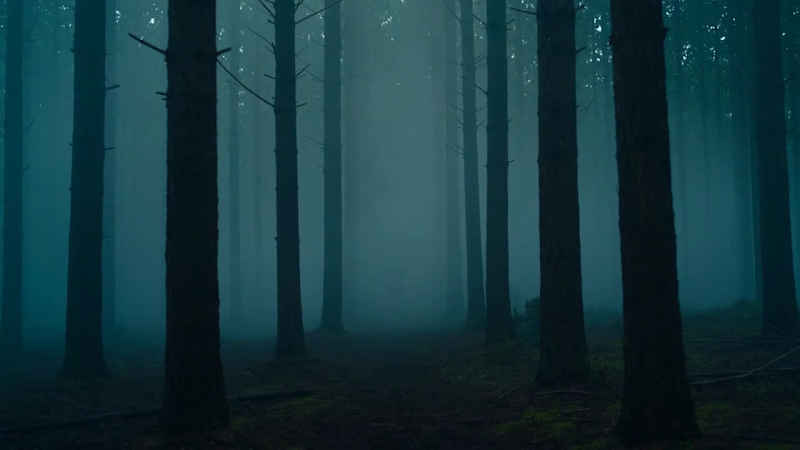
INDEPENDENT CONCEPT FILM - SPORTSWEAR CAMPAIGN - FROM MIST TO FLIGHT
My interpretation of a sportswear campaign that breaks reality.
It's not about running faster. It's about having the courage to jump when the ground ends.
Forest in the mist -> Open field sprint -> Cliff jump into the clouds -> Flight on a dragon towards the sunset.
Everything produced 100% with Artificial Intelligence, from scratch. No crew, no location, no CGI studio.
This is the future of commercial filmmaking - where a fashion ad can become a fantasy epic.
Full project + behind the scenes on my Instagram: https://www.instagram.com/reel/De9zqOeRKf7/?hl=pt-br
What do you think of the concept?
0
31
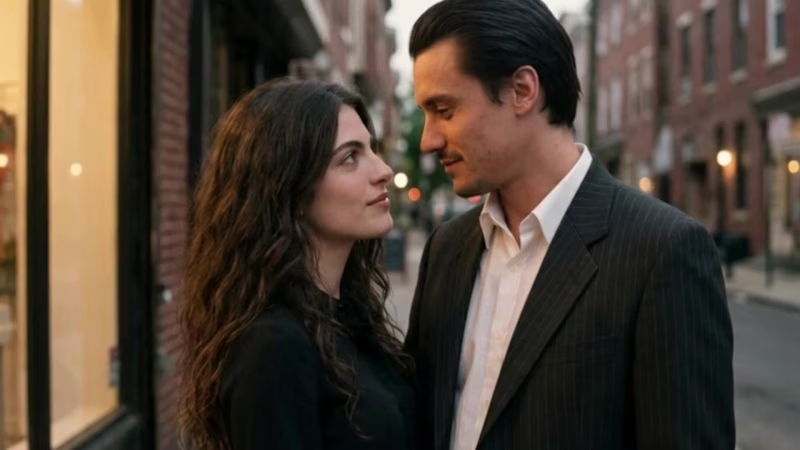
If you’re an author, would you want a teaser like this for your book?
I’ve been thinking a lot about how books are introduced visually before they even have a finished campaign around them.
This is a shorter, more emotional teaser for Harness, a novel I’m still developing. I wanted it to communicate the feeling of the story before explaining the story itself.
I cut it to “Where Is Gone?” by Fontaines D.C. and ROSALÍA, which I’m completely obsessed with right now, and it ended up fitting the emotional tone of the project almost too well.
There’s something interesting about giving a book a cinematic language while it’s still being written. Not a trailer that explains the plot, but something that lets you feel the world first.
As an author, would you find this kind of teaser useful for building interest around a book?
1
133
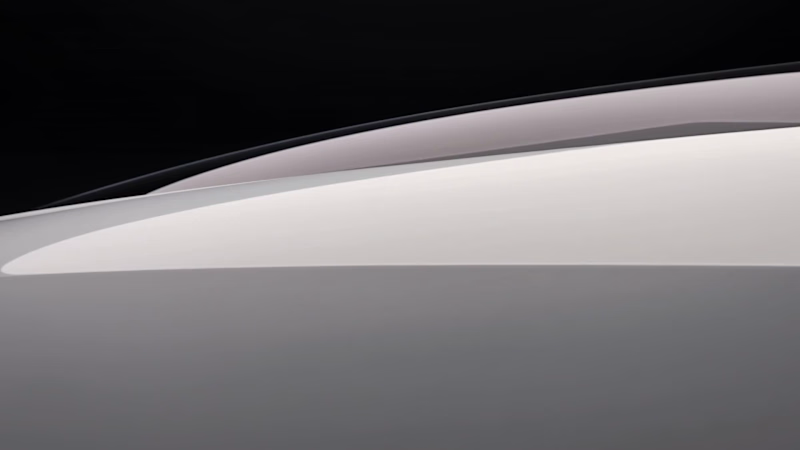
I developed a concept film to explore what a campaign for the new Roadster might look like. The core concept: BEYOND GRAVITY. The narrative is structured in three acts: Pure Design: A studio presentation to highlight the vehicle’s lines. City of the Future: A performance on a suspended thoroughfare, with other Roadsters flying in the background—normalizing the extraordinary. Destination: Arrival at a mountain home, featuring a close-up of a wheel as another Roadster takes off toward the horizon. Everything was produced 100% using Artificial Intelligence, from scratch. No film crew, no physical locations, no actual car. It serves as an exploration of the future of automotive advertising: how to create cinematic, scalable campaigns without the physical limitations of traditional production. I believe that the next major differentiator for brands won’t just be the product itself, but the ability to tell stories without boundaries. I am open to conversations with agencies and brands interested in exploring this format.
If you’d like to see more videos like this, follow me on Instagram: https://www.instagram.com/p/DesV5-TlRal/
What do you think of this approach for automotive marketing? #InteligenciaArtificial (https://www.linkedin.com/search/results/all/?keywords=%23inteligenciaartificial&origin=HASH_TAG_FROM_FEED) #AIVideo (https://www.linkedin.com/search/results/all/?keywords=%23aivideo&origin=HASH_TAG_FROM_FEED) #Publicidade (https://www.linkedin.com/search/results/all/?keywords=%23publicidade&origin=HASH_TAG_FROM_FEED) #MarketingAutomotivo (https://www.linkedin.com/search/results/all/?keywords=%23marketingautomotivo&origin=HASH_TAG_FROM_FEED) #Tesla (https://www.linkedin.com/search/results/all/?keywords=%23tesla&origin=HASH_TAG_FROM_FEED) #ProducaoAudiovisual (https://www.linkedin.com/search/results/all/?keywords=%23producaoaudiovisual&origin=HASH_TAG_FROM_FEED) #Inovacao (https://www.linkedin.com/search/results/all/?keywords=%23inovacao&origin=HASH_TAG_FROM_FEED)
1
20
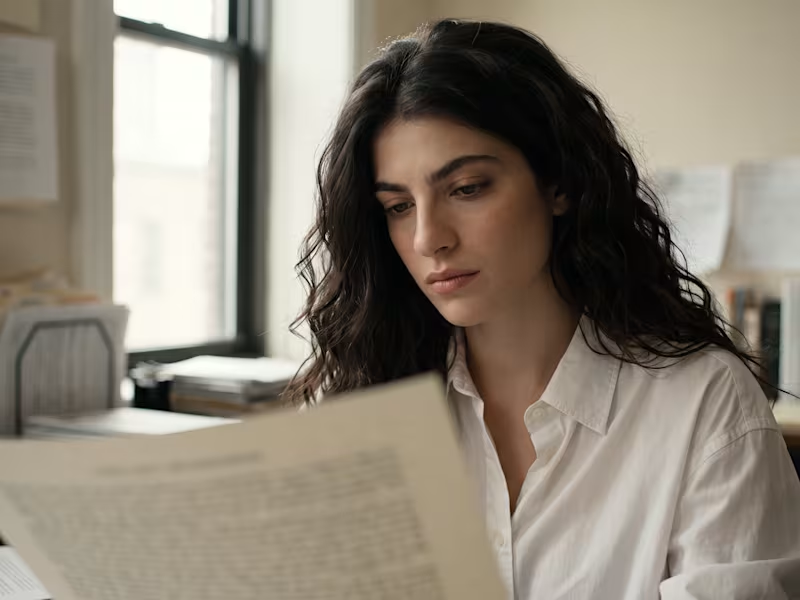
AI Book Trailer — Original Fiction Project
A cinematic, realistic book trailer created for an original fiction project currently in development.
I developed the visual direction and built the trailer using an AI-assisted workflow across Seedance, Nano Banana and Kling, with a strong focus on realism, character consistency, atmosphere and cinematic continuity between shots.
The process involved generating and refining visual references, creating consistent environments and characters, directing motion across multiple AI video models, and shaping the final sequence through editing, pacing, sound and visual rhythm.
Rather than treating each generated shot as an isolated image, the goal was to make the piece feel like a cohesive live-action trailer with its own visual world.
The book itself is still in development, so the trailer focuses on mood, tone and cinematic identity rather than revealing the full story.
4
6
314
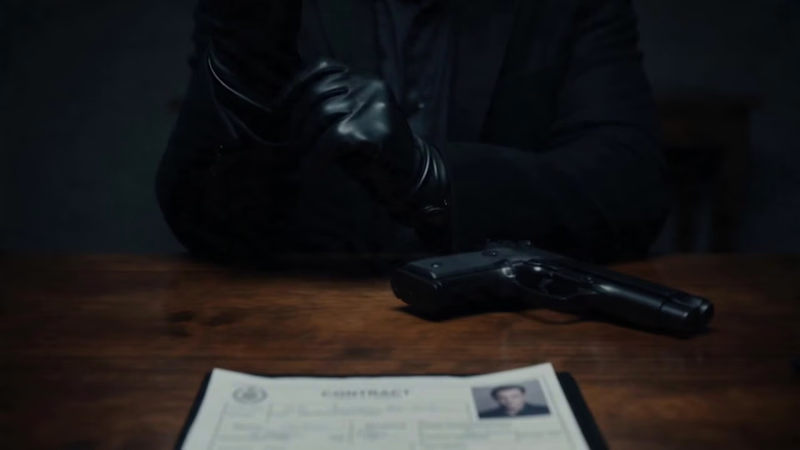
This case study explores the creation of a 15-second cinematic short-film trailer titled “The Last Contract”, a fictional action-thriller concept with a dark, elegant, and suspense-driven atmosphere.
The project focuses on building tension through premium cinematic visuals, high-contrast lighting, moody neon environments, sharp cuts, controlled pacing, and a refined trailer-style structure. Each scene was designed to gradually reveal the story: a contract file, a silent preparation sequence, a neon-lit corridor, and a fast action montage leading to the final title reveal.
The goal was to practice creating a short cinematic narrative using AI video tools, combining visual storytelling, dramatic atmosphere, suspense, character presence, and movie-trailer pacing in a polished format.
0
108
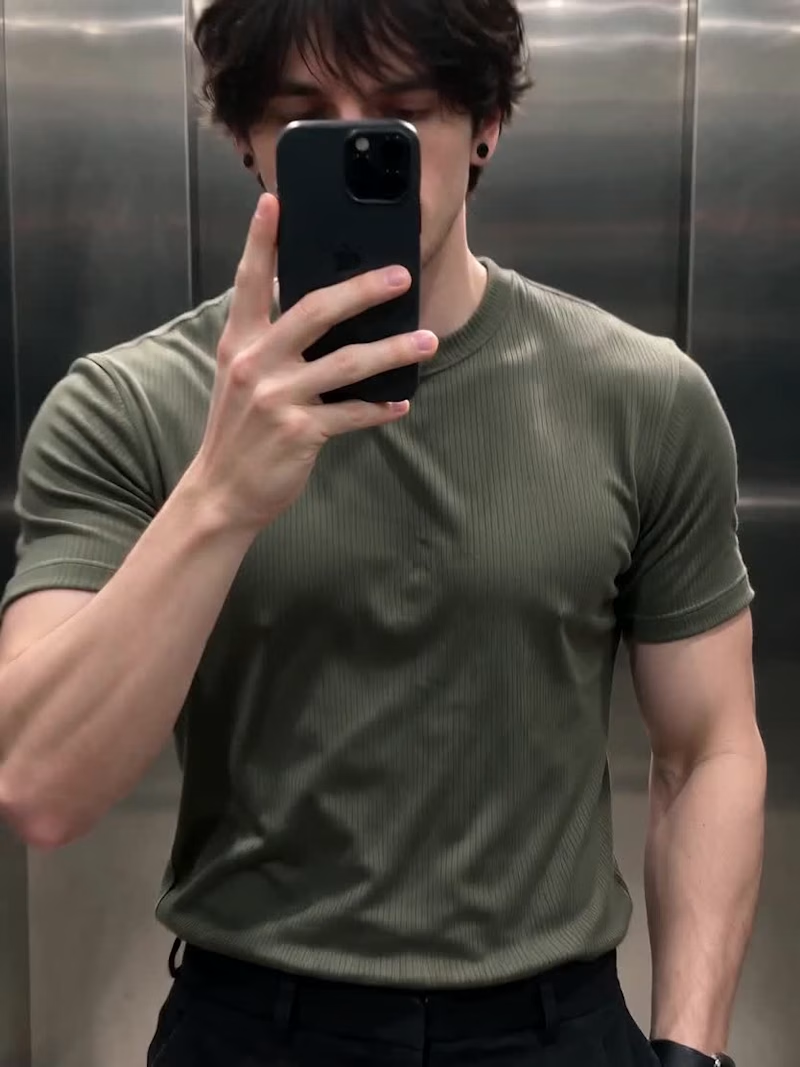
This piece was created as a realism test using Kling 3.0, focused on a content creator filming himself inside an elevator.
The goal here was not spectacle, but naturalism — believable body language, subtle camera behavior, and the kind of small, organic movement that makes a shot feel real rather than generated.
What interests me most in this kind of work is how much the final result depends on direction. Smooth, realistic movement often comes far more from the prompt design and the clarity of the creative intention than from the tool alone. If you let the model solve everything by itself, it often tends to produce movement that feels more abrupt, artificial, or physically unconvincing.
Because of that, a large part of my process is focused on refining prompts and shaping the result with precision. I’m very demanding about realism, especially when it comes to human movement. I pay close attention to the rhythm of gestures, the relationship between body and camera, and the overall natural flow of the shot.
For me, this is where AI video becomes most interesting: not when it looks flashy, but when it feels effortless, subtle, and believable.
Tools used: Kling 3.0
1
154
This piece explores a couple of playful transitions we created using Kling 3.0.
The first one starts with the umbrella positioned separately from the model. By the end of the shot, it has moved directly into his hand, almost like he’s using the Force to pull it toward him.
Yes, very Star Wars. 😂
We also created another fun transition where he exits through a garage and then appears entering a spaceship. It’s a small visual idea, but one that completely changes the energy of the sequence and makes the transition feel much more imaginative.
What I liked most about both results wasn’t just the visual effect itself, but what they represent from a production point of view.
A few years ago, shots like these would likely have required additional setups on set, more coverage, practical tricks, compositing, or much more time in post-production. With current AI video models, we were able to explore the same ideas in a much faster and more flexible way while still keeping the transitions intentional and connected to the visual language of the piece.
For me, that’s where these tools become really interesting. They’re not replacing creative thinking. They’re giving us new ways to solve visual problems, test ideas and create moments that would previously have demanded much heavier production.
Tools used: Kling 3.0
2
184
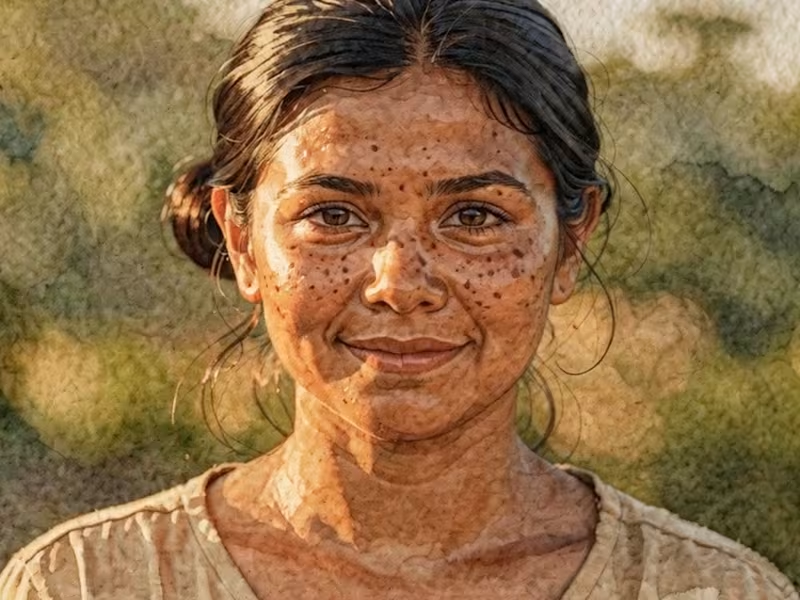
CRIANDO PONTES — Lena
AI-Assisted Narrative Short Film
This piece is part of Criando Pontes, a short film built around four real stories of women living with HIV.
Because the women’s identities needed to be protected, the project required a visual language capable of preserving the emotional truth of each story without exposing the real people behind it. With limited time and budget, I proposed an AI-assisted approach that allowed us to create cinematic visual worlds from scratch while maintaining anonymity and emotional depth.
I initially joined the project as an editor, but my role quickly expanded into the full visual and creative development of the film. Working from the original stories and scripts, I handled the creative concept, narrative adaptation, visual direction, character and scene development, image generation, video generation, sound design, editing and final post-production.
Lena’s story is based on the real experience of a woman living with HIV who lost her partner while pregnant with their child. It is a deeply emotional story shaped by grief, memory, motherhood and transformation. Set in the heart of the Amazon, surrounded by rivers and dense forest, her world needed to feel intimate, raw and alive at the same time.
For this piece, I developed a visual language that blends realism with watercolor textures. I wanted the imagery to hold both the physical reality of Lena’s life and the emotional softness of a story about pain, love and rebirth. The natural environment was especially important here, not just as a backdrop, but as part of the emotional landscape of the film. The rivers, vegetation and atmosphere of the Amazon help carry the sense of mourning, resilience and renewal that defines her journey.
Like the rest of Criando Pontes, this project reflects the way I approach AI filmmaking: using technology in service of story, symbolism and emotional experience rather than spectacle.
The entire visual production was executed by me, working alongside the project’s writer and producer.
Criando Pontes has since been screened at festivals and HIV-focused events, including a UNAIDS event in Rio de Janeiro in 2026. More importantly, the film continues to be used as an educational resource for young people and adults, helping create conversations around HIV through real human stories.
My role: Creative Direction, Narrative Adaptation, AI Filmmaking, Visual Development, Character & Scene Development, Image Generation, Video Generation, Sound Design, Editing & Post-Production
1
3
411
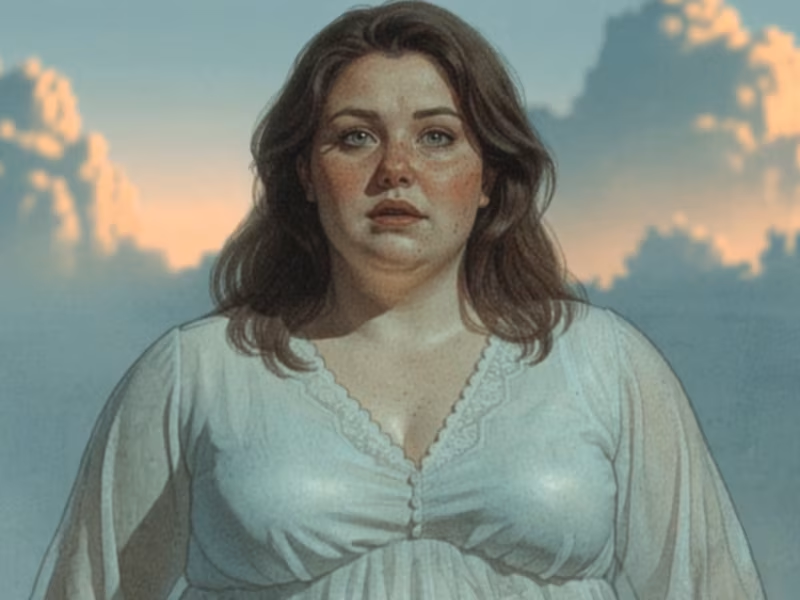
CRIANDO PONTES — Flor
AI-Assisted Narrative Short Film / Visual Excerpt
This piece is part of Criando Pontes, a short film built around four real stories of women living with HIV.
Because the women’s identities needed to be protected, the project required a visual language capable of preserving the emotional truth of each story without exposing the real people behind it. With limited time and budget, I proposed an AI-assisted approach that allowed us to create cinematic visual worlds from scratch while maintaining anonymity and emotional depth.
I initially joined the project as an editor, but my role quickly expanded into the full visual and creative development of the film. Working from the original stories and scripts, I handled the creative concept, narrative adaptation, visual direction, character and scene development, image generation, video generation, sound design, editing and final post-production.
For Flor’s story, I chose a realistic watercolor style to create a softer, more poetic visual treatment while still carrying emotional weight. The blue tones were used intentionally to reflect the sadness, anguish and emotional isolation the character was experiencing. Although HIV is at the center of the story, Flor’s narrative also carries other emotional layers, and I wanted the visual world to hold that complexity rather than reduce her experience to a single theme.
This excerpt was created using Kling 2.5 and Nano Banana. At the time, Kling did not yet offer voice synchronization, so this piece works as a visual mini clip built from some of the moments developed for Flor’s story rather than as a final synced dialogue scene. Even so, I remain very attached to this material because of the atmosphere, visual language and emotional tone created for her arc.
Like the rest of Criando Pontes, this project reflects the way I approach AI filmmaking: using technology in service of story, symbolism and emotional experience rather than spectacle.
The entire visual production was executed by me, working alongside the project’s writer and producer.
Criando Pontes has since been screened at festivals and HIV-focused events, including a UNAIDS event in Rio de Janeiro in 2026. More importantly, the film continues to be used as an educational resource for young people and adults, helping create conversations around HIV through real human stories.
My role: Creative Direction, Narrative Adaptation, AI Filmmaking, Visual Development, Character & Scene Development, Image Generation, Video Generation, Sound Design, Editing & Post-Production
Tools used: Kling 2.5, Nano Banana, Sunno AI and Adobe Premiere Pro
2
182
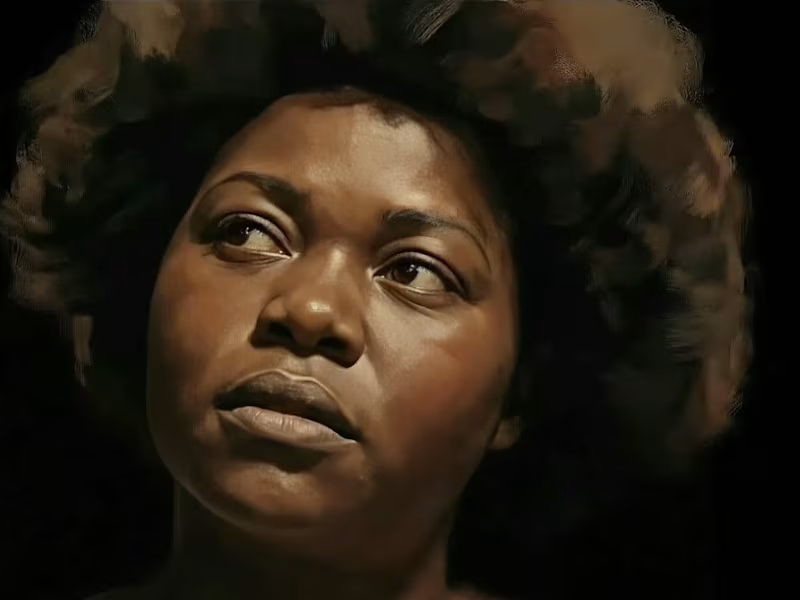
CRIANDO PONTES — Marina
AI-Assisted Narrative Short Film
This excerpt is part of Criando Pontes, a short film built around four real stories of women living with HIV.
Because their identities needed to be protected, the challenge was to find a visual language that could preserve the emotional truth of their stories without exposing their image. With a limited production timeline and budget, I proposed an AI-assisted approach that allowed us to create characters, environments and cinematic scenes from scratch while keeping the real people behind the stories anonymous.
I initially joined the project as an editor, but my role quickly expanded into the full visual and creative development of the film. Working from the original stories and scripts, I handled the creative concept, narrative adaptation, visual direction, character and scene development, image generation, video generation, original AI-generated music, sound design, editing and final post-production.
For Marina’s story, the visual production was created using Nano Banana and Veo 3. At the time, Veo 3 was the strongest option available to us for the level of voice synchronization and performance the project required. I also created an original AI-generated soundtrack specifically for these scenes, shaping the music around the emotional rhythm and atmosphere of the story.
The tools have evolved significantly since the film was completed, but this project remains one of the clearest examples of how I approach AI filmmaking: the technology serves the story, not the other way around.
The entire visual production was executed by me, working alongside the project’s writer and producer.
Criando Pontes has since been screened at festivals and HIV-focused events, including a UNAIDS event in Rio de Janeiro in 2026. More importantly, the film continues to be used as an educational resource for young people and adults, helping create conversations around HIV through real human stories.
My role: Creative Direction, Narrative Adaptation, AI Filmmaking, Visual Development, Character & Scene Development, Image Generation, Video Generation, Original AI Music, Sound Design, Editing & Post-Production
Tools used: Nano Banana, Kling 2.5, Veo 3, Adobe Premiere Pro and Sunno AI.
1
202
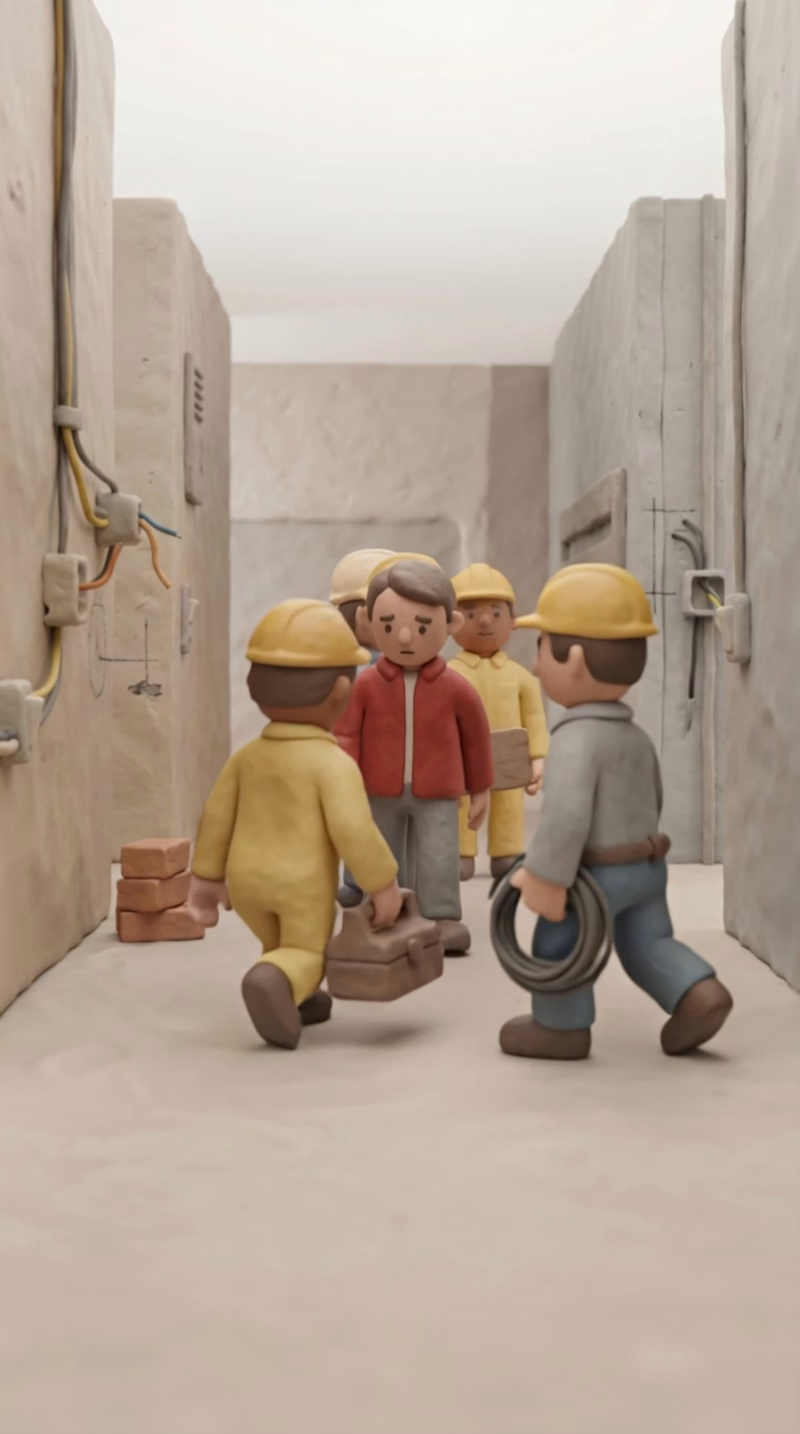
This was one of the most fun AI projects I’ve worked on lately.
For Tecnofas, we created a full clay-style animation, literally building the visual language around that handcrafted, stop-motion look, but produced with AI.
The video above is a compilation of some of the scenes we developed for the project.
The creative challenge was to explain a very technical difference in a way that felt simple and visual: comparing a traditional retrofit construction process with a ventilated façade system, which can reduce the number of workers needed on site by up to 60%.
Tecnofas is the kind of client that really enjoys experimenting with new visual languages, so we had a lot of freedom to explore the concept, test ideas and push the AI workflow beyond a standard corporate animation.
That freedom made the process especially enjoyable. Instead of using AI only to make production faster, we used it to create a visual style that would probably never have been the obvious choice for this kind of industrial communication.
1
17
1K
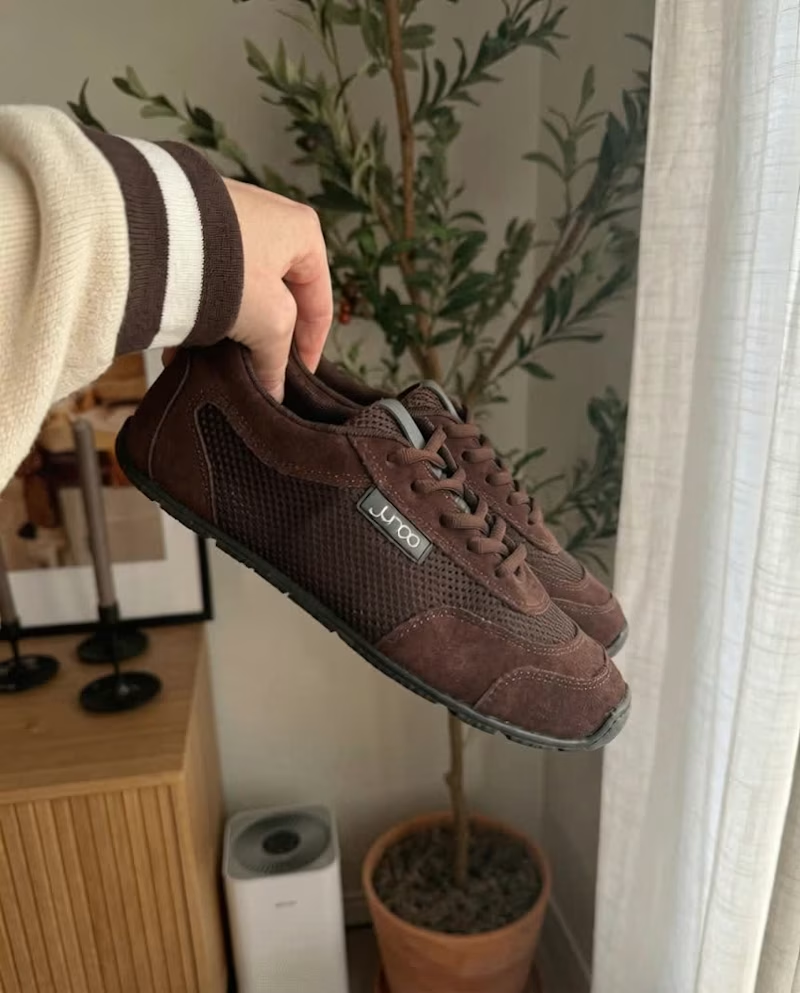
For Junoo, we had already received real product samples for a separate UGC production. The AI piece came in as an additional creative route: a way to explore how much further we could take the campaign without depending on another traditional shoot.
Using real product photography as our reference, we created a fully AI-generated UGC concept from scratch, including the creator, environment, styling and overall visual direction.
The content was developed around the aesthetic the client wanted and adapted to feel relevant to the audience in the target city, while keeping the real product at the center of the piece.
What I like about this kind of workflow is the flexibility it creates. Once the product is in hand and properly referenced, we’re no longer limited to a single casting, location or production setup. AI becomes a way to expand the creative territory of a campaign and produce additional content directions that would otherwise require a completely new shoot.
1
203
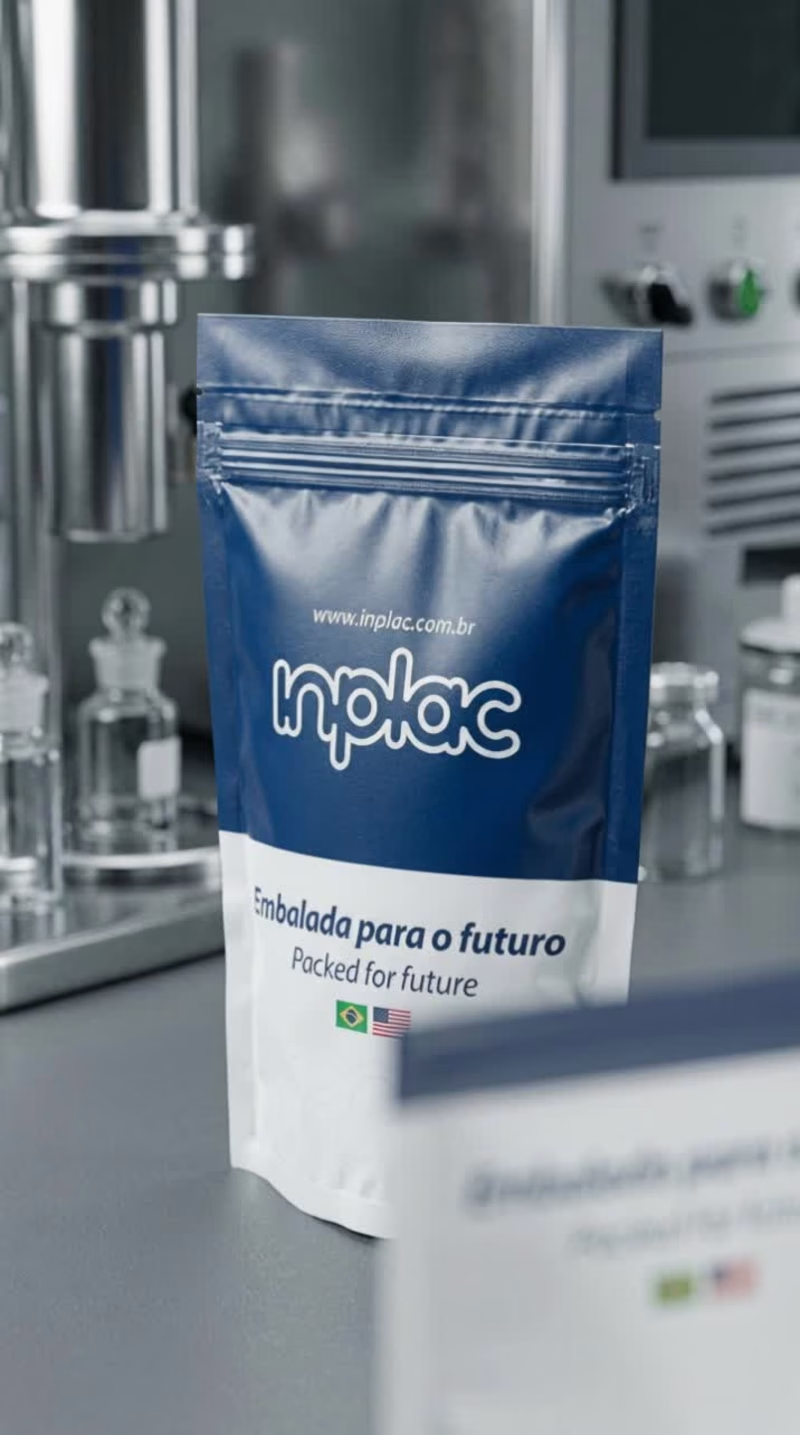
One of the challenges with this Inplac project is that the client doesn’t always have access to strong, current product photography.
I don’t see that as a limitation.
For this piece, we used AI to build highly detailed product visuals from the available references, then developed those images into animated scenes for social content and ads.
The goal wasn’t to create something that simply looked polished. It was to make the product feel tangible, well presented and visually convincing even when the original production material was limited.
A lot of the work comes down to art direction: defining the scene, lighting, materials, framing and movement in a way that still feels coherent with the real product.
For clients with difficult or expensive product shoots, this opens up a lot of possibilities. Limited photography doesn’t have to mean limited content.
1
14
608
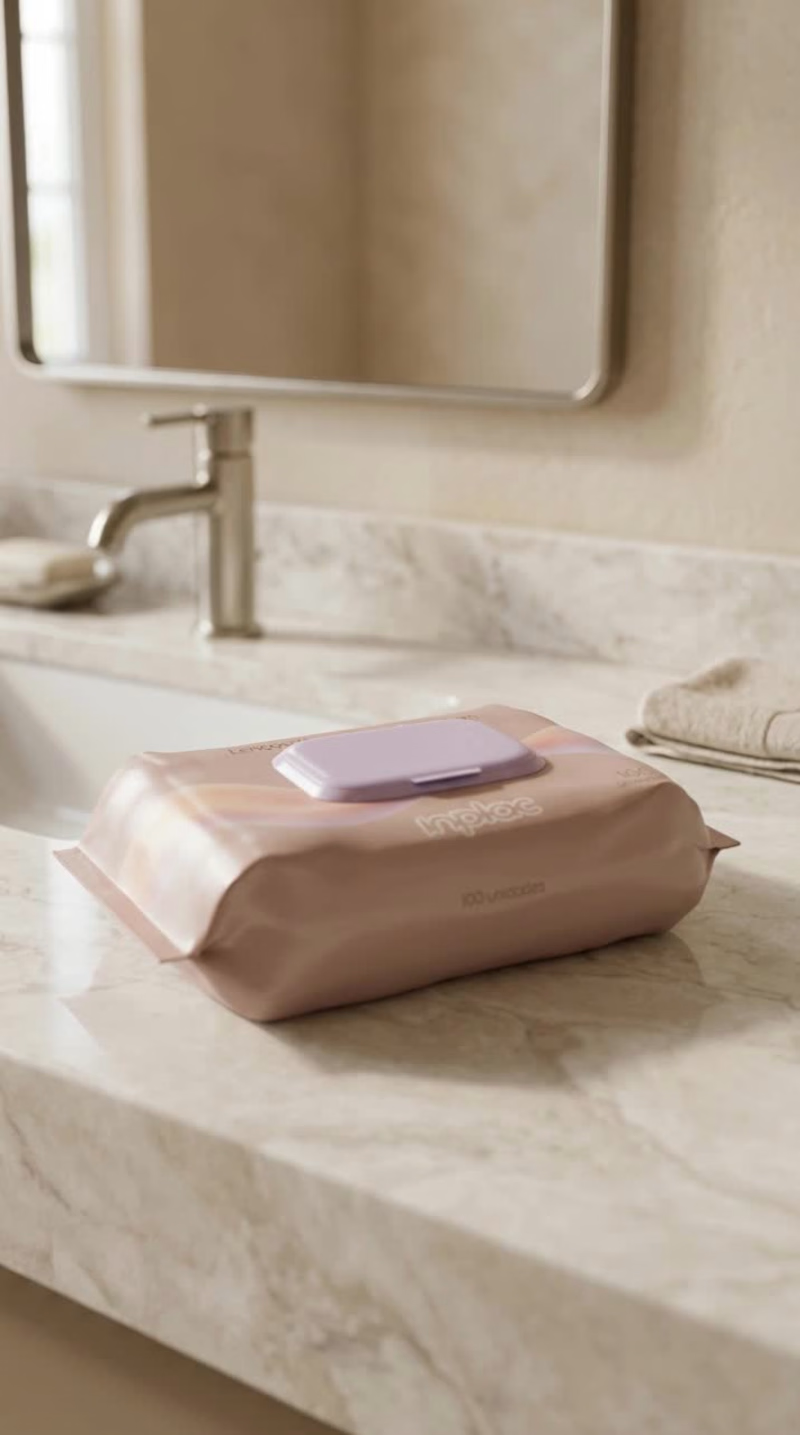
For this Inplac project, the starting point was pretty limited: the client had older product mockups that showed the packaging, but not much beyond that. No real marketing treatment, no lifestyle context, no visual story around the product.
So instead of simply polishing what already existed, we used AI to completely rethink how those products could be presented.
We created new product visuals, placed them into more realistic and human contexts, and then pushed those scenes further through animation, turning static mockups into short pieces that felt much closer to actual campaign content.
The biggest challenge was keeping the product recognizable and consistent while changing everything around it: environment, lighting, composition, scale and movement.
That’s the part of AI work I find most interesting. It’s not about generating something “cool”. It’s about starting with very little and building a visual that actually helps the product communicate better.
1
12
485