Projects using ChatGPT in DublinProjects using ChatGPT in DublinPROJECT NAME
AION PYR — The Aitherioi
PROJECT LINK
https://app.melius.com/projects/029a5c7f-3a2a-4c7b-a24c-e25f36815d91/canvas/98b87dac-fcc4-411b-8695-83b7dc318726
CONCEPT / PROJECT DESCRIPTION
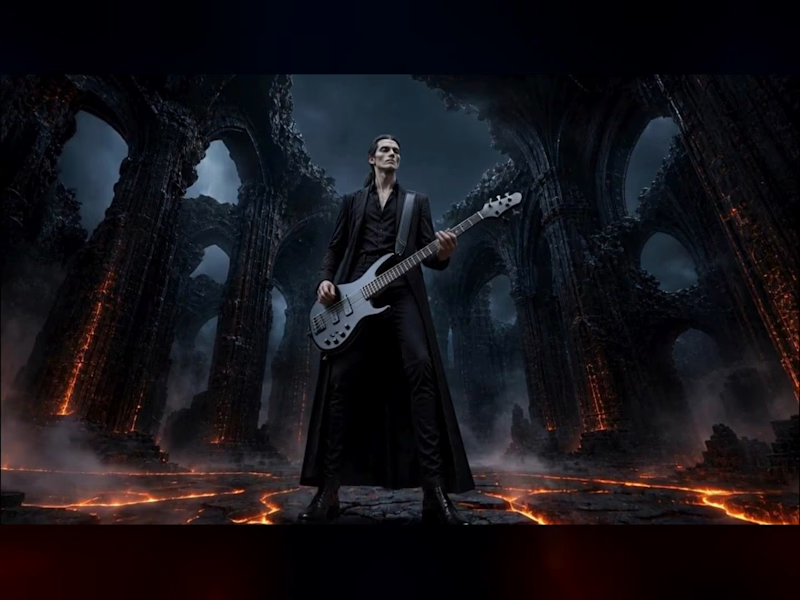
AION PYR is a one-minute instrumental progressive-rock film by The Aitherioi, a fictional trio of pale pre-terrestrial beings older than Earth.
They were here when the planet was born from heat, basalt, and lava, and they remain calm as that world dissolves into stardust. The film follows them performing inside a collapsing volcanic cathedral while lava, steam, lightning, and stone slowly give way to void.
The music is built only from guitar, bass, and drums: slow, heavy, repetitive, bass-led, and cathartic.
PROCESS
I started by defining The Aitherioi: a fictional pre-terrestrial trio with a shared visual identity, pale ethereal bodies, severe faces, long dark hair, and calm expressions.
Then I built the visual system around contrast: fossil-dark basalt, living lava, white steam, lightning, and their stillness inside collapse.
I created character assets, face studies, wardrobe references, instrument references, environment plates, keyframes, and individual video scenes.
The music was built first as a strict one-minute instrumental progressive-rock track using only guitar, bass, and drums. The video was then structured to follow the track: bass opening, wide trio, basalt corridor, guitar catharsis, drummer pulse, matter dissolution, and final void.
Finally, I stitched the scenes together with clean cuts so the film follows the music without extra transitions or title cards.
FEEDBACK ON BUILDING WITH MELIUS
Melius worked best as a production canvas rather than a single-prompt generator.
The node-based workflow made it possible to build the project in layers: character identity, environments, audio, keyframes, video clips, and final assembly. That helped keep the concept coherent while still allowing corrections when individual shots needed refinement.
The biggest challenge was visual continuity, especially keeping The Aitherioi consistent across scenes. The most useful approach was creating strict reference assets first, then using them as anchors for keyframes and video generation.