Business Strategy Projects in DadriBusiness Strategy Projects in DadriClimate Change, Energy Transition, and What Comes Next
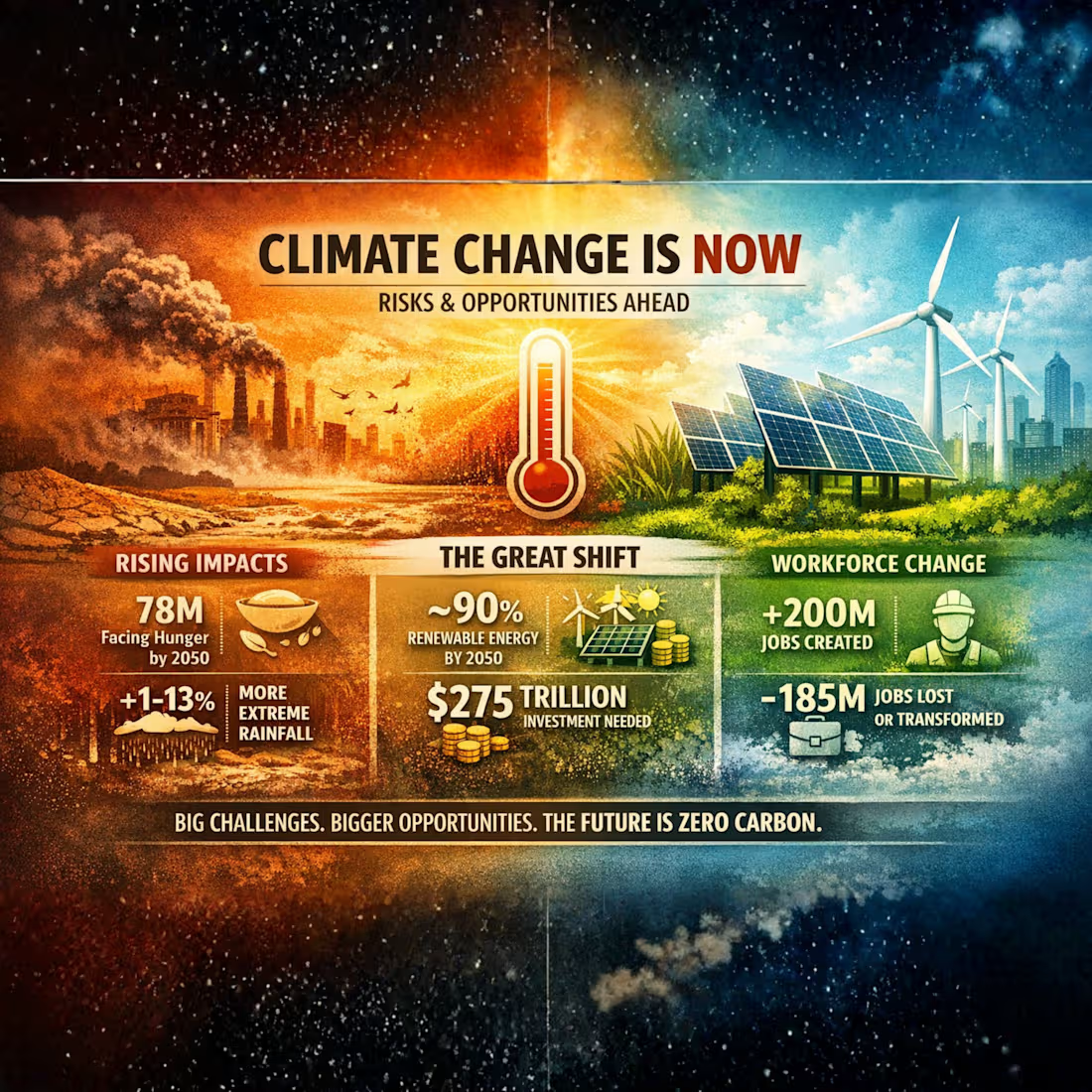
Climate change is no longer a future risk—it is a systemic force already reshaping weather, food security, energy systems, and work. Rising greenhouse gas emissions have intensified heat, altered rainfall, and increased climate volatility, with the heaviest impacts falling on vulnerable regions.
At the same time, the global shift from fossil fuels to renewable energy marks one of the largest economic transitions in history. It will demand unprecedented investment, infrastructure change, and workforce realignment—while opening new pathways for innovation and resilience.
This perspective draws from long-form work I’ve ghostwritten on climate risk and systems transformation.
Where do you see the biggest gap today—policy, capital, technology, or narrative? The global economy is entering a higher-risk, higher-cost, and more selective growth phase.
With slower global growth, energy volatility, geopolitical tensions, and tighter financial conditions, businesses across the built-environment sector are beginning to feel direct pressure.
For India & Asia:
• Inflation, energy costs, and currency pressure remain key risks.
For UAE & GCC:
• Growth opportunities continue, supported by infrastructure, real estate, and non-oil expansion — but with rising governance and execution expectations.
For Furniture, Interiors, Fit-Out, EPC & Construction businesses, the impact is clear:
• Raw material volatility
• Freight escalation
• Working capital stress
• Fixed-price contract risk
• Margin pressure
• Slower decision cycles
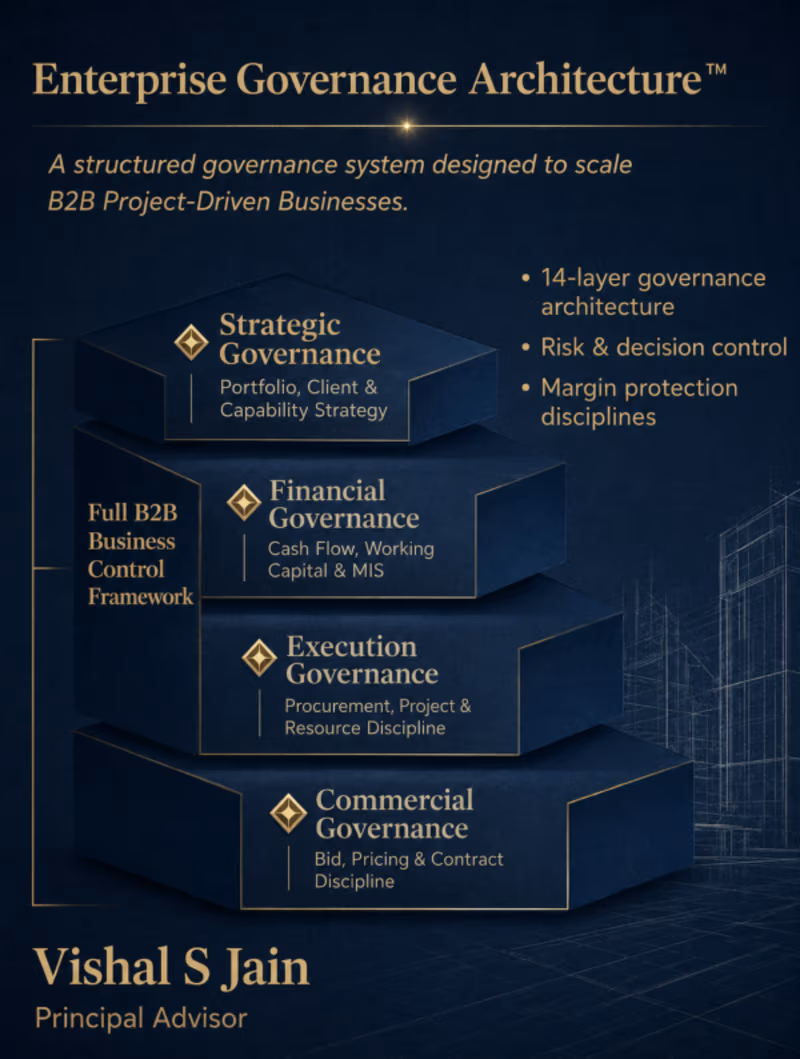
In this cycle, growth without governance becomes financially dangerous.
The future winners in the built environment may not necessarily be the fastest-growing companies — but the most commercially disciplined ones.
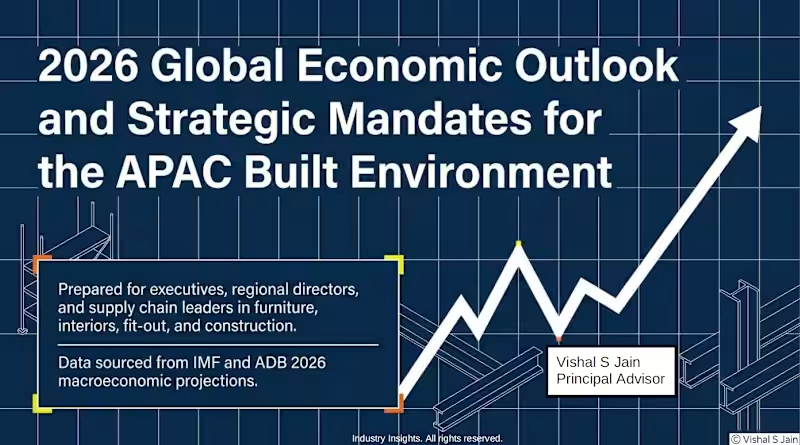
Check Strategic Advisory Report:
“2026 Global Economic Outlook and Strategic Mandates for the APAC Built Environment”