Product Designer | Web3, Fintech & DeFi | Framer & Webflow
- 5.0
- Rating
- 8
- Followers
Product Designer | Web3, Fintech & DeFi | Framer & Webflow

Most fintech apps show how much you’ve saved.
They don’t show what it’s costing you.
Saving for travel can delay debt payoff.
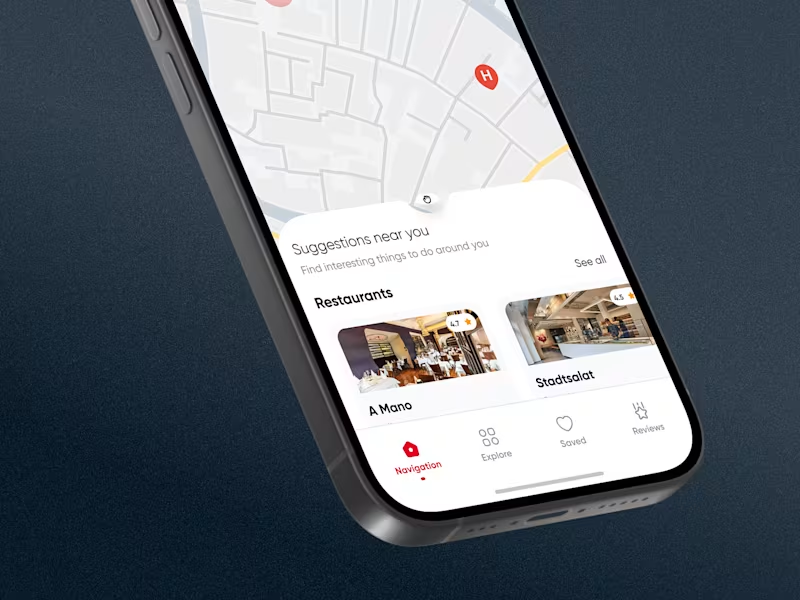
So I explored a better approach: A goal-based savings experience where multiple goals compete for the same income, and users can see the trade-offs clearly.
I used AI across my workflow:
Perplexity to ground the scenario
ChatGPT to refine flows and edge cases
Figma Make to shape early directions
Cursor to prototype the interaction locally.
Then I designed the experience in Figma, focusing on clarity and decision-making.
Key ideas:
• Multiple goals with clear priorities
• A trade-off slider showing how timelines shift
• Scroll interactions that reveal goals progressively
Still refining, but the goal is simple: Help users make smarter financial decisions, not just track savings.
4
181
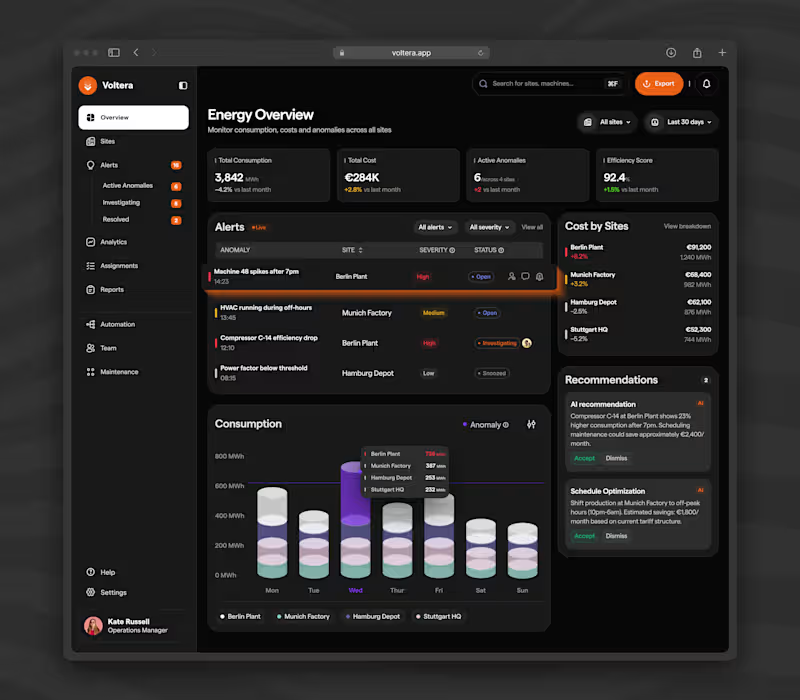
I designed a B2B Energy Management Dashboard for factory operations teams.
The goal was simple: help managers identify where energy is wasted across multiple sites and machines, and decide what to fix within seconds.
The solution focuses on prioritised alerts, clear multi-site KPIs, layered data exploration, and actionable recommendations that turn complex energy data into operational decisions.
#UXDesign #ProductDesign #DashboardDesign
6
1
200

Project: B2B SaaS Onboarding Redesign
Context: 14 day trial, multi user analytics and CRM product
Challenge
Teams signed up but never activated. Admins felt overwhelmed by configuration. Workspaces expired without integrations.
Approach
I defined the core aha moment as “see your own revenue or pipeline data inside a live dashboard”.
Everything in onboarding was designed to drive that outcome.
• Welcome screen asks for user goal, not company details
• Personalised checklist based on role and objective
• Sample data to demonstrate value before setup
• Linear, skippable setup with clear progress and time expectations
• Post integration prompt to invite teammates and drive adoption
Result: A guided experience that reduces cognitive load, clarifies what done means, and aligns the entire setup around first value, not feature exposure
3
142


Startup/expansion/MVP: Full-stack freelance product designer

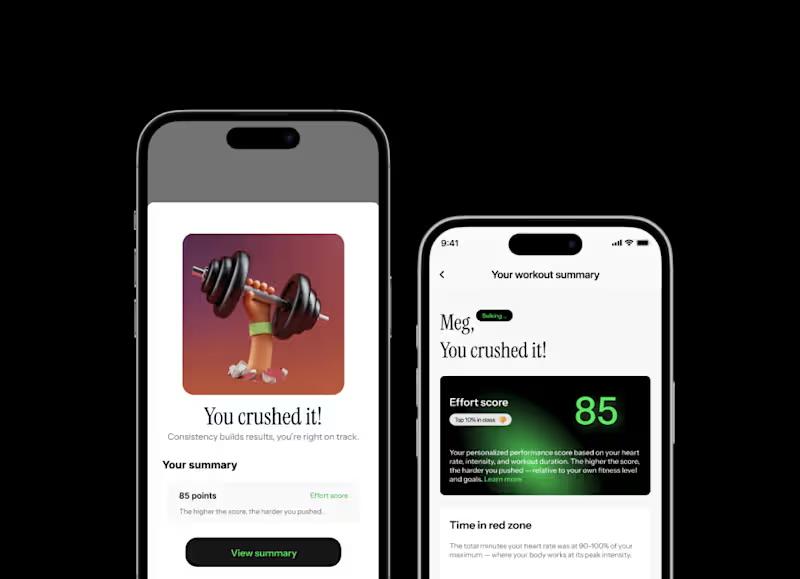
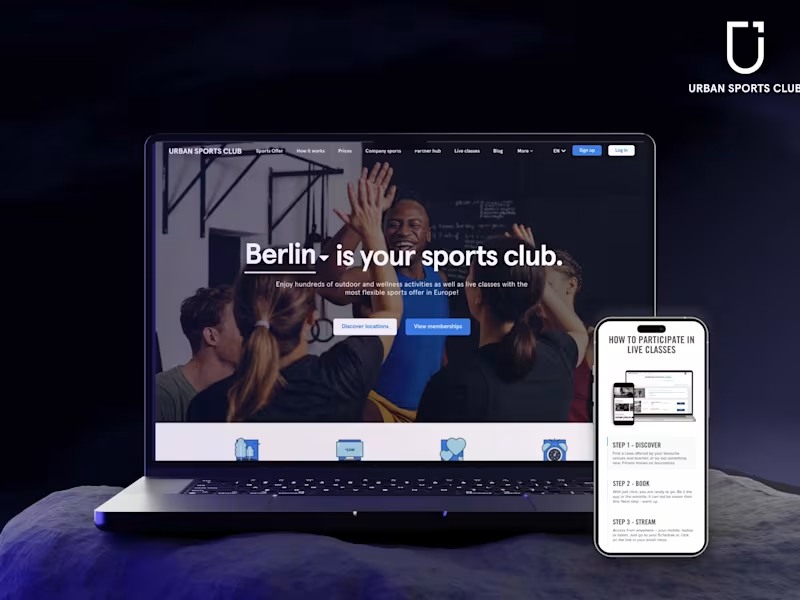
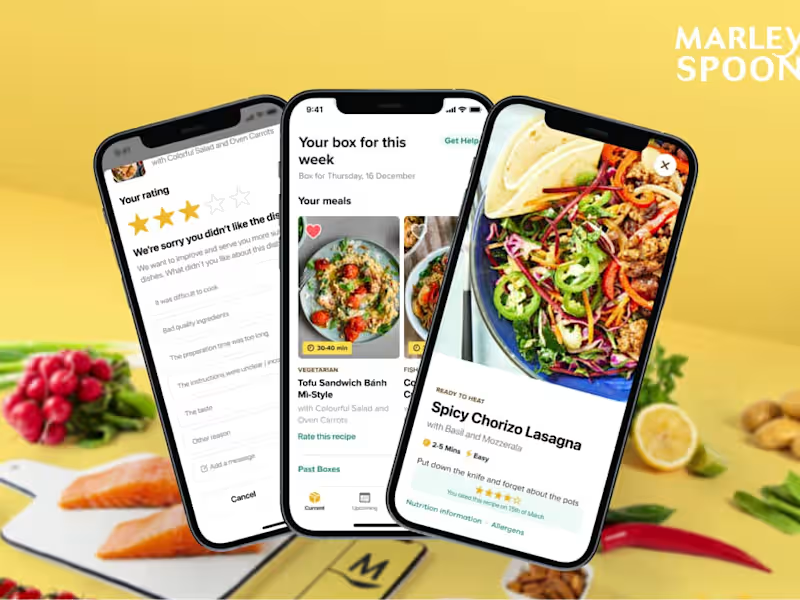


Crafting industry leading user experiences!
Crafting industry leading user experiences!


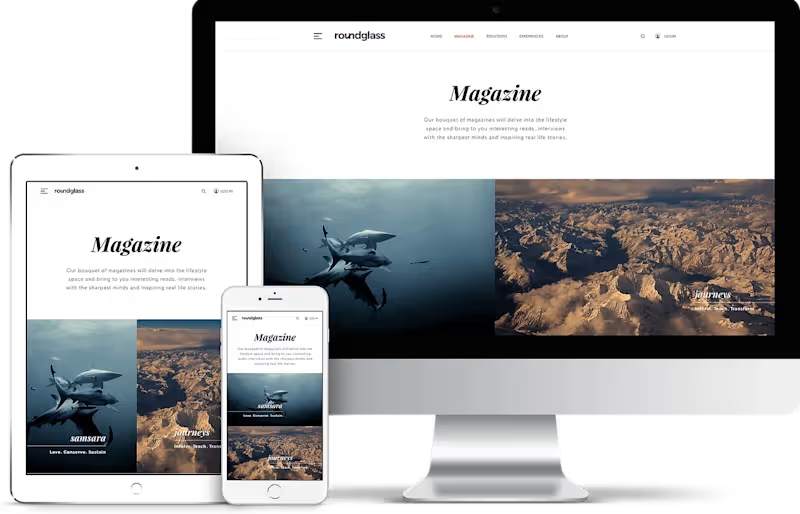


Crafting seamless digital experiences
Crafting seamless digital experiences