
Captivating visuals for beauty & lifestyle brands✨
Captivating visuals for beauty & lifestyle brands✨





Content Creator & Digital Marketing Strategist
Content Creator & Digital Marketing Strategist




Driving results through passion, and innovation!


Custom Software, AI & SaaS Built for Business
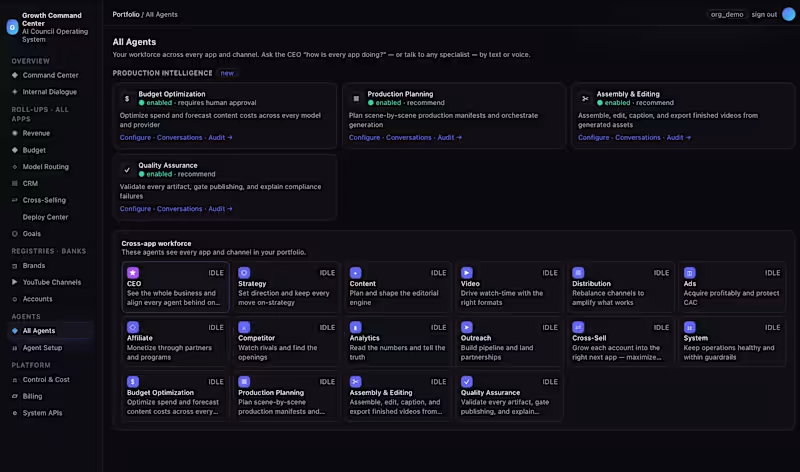
Marketing Master (internal name "content-os") is a multi-tenant AI operating system that manages, produces, distributes, and optimizes content and growth across many applications from a single command center. Each app carries its own brand and content memory that drives high-volume idea generation, scoring, and script writing, which flow into AI media generation and multi-platform scheduling. A council of specialist AI agents deliberates, votes through a deterministic consensus gate, and — under configurable autonomy levels — plans and executes campaigns, outreach, and lead generation. A universal CRM, an outreach engine across email, LinkedIn, SMS, and voice, a shared growth-intelligence graph, and a content-attribution graph tie leads, deals, and revenue back to the content and campaigns that produced them.
1
212
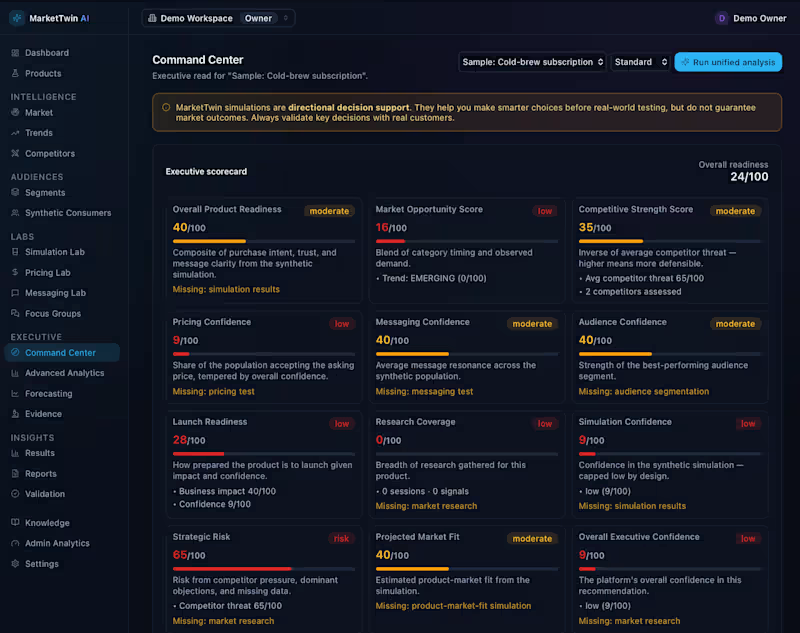
MarketTwin AI lets teams test a product idea, pricing, brand name, ad hook, landing-page copy, audience, or launch strategy inside an AI-generated market. It combines a market-intelligence layer (trend, competitor, review, and ad signals plus demographic and economic context) with audience segments and synthetic consumer personas, then runs agent-based simulations that produce purchase intent, objections, trust, price-fit, and market-readiness scores. Pricing and messaging labs, scenario comparison, confidence and assumptions tracking, and a calibration engine that compares simulations to real launch results round it out. Results feed a launch-strategy generator and exportable reports. The platform is explicit that results are directional decision support, not guaranteed predictions.
2
221
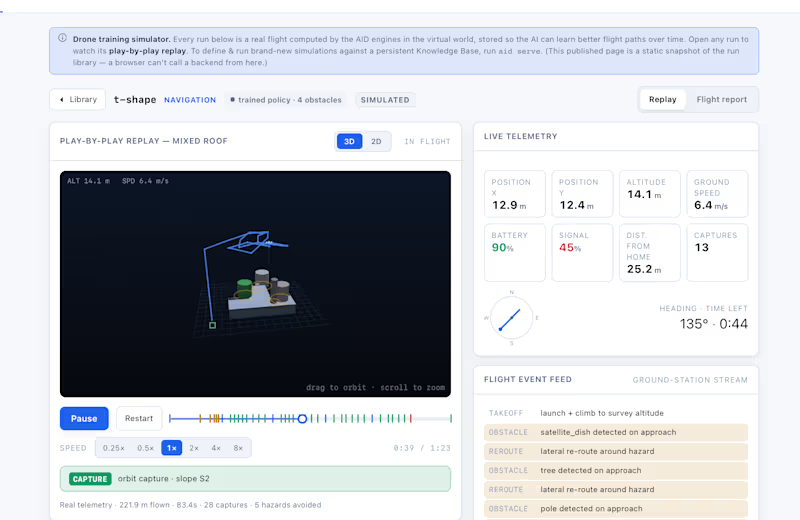
AID is a runnable, offline skeleton of an autonomous drone roof-inspection platform organized as nine coordinated engines bound by a master orchestrator. A mission flows through a fixed pipeline — mission planning, spatial reconstruction, flight execution, computer-vision damage detection, uncertainty and coverage validation, risk and insurance analysis, and reporting — advancing a seven-state mission machine. Several engines are genuine computation: mission planning uses 2D computational geometry to infer roof planes and generate coverage flight paths, coverage is geometrically measured rather than assumed, spatial mapping reconstructs a 3-D digital twin from camera poses, damage runs through a classical computer-vision detector, and risk and insurance produces real construction-cost bands (P10/P50/P90), RCV/ACV depreciation, and claim-eligibility scoring. An orchestrator enforces integrity rules — no orphan data, an uncertainty gate that blocks reporting and triggers re-inspection, and a safety override. It ships a REST API, a SQLite-backed mission store, a fleet scheduler, multi-format report rendering, a Gym-style RL environment, and an operations console UI.
2
293

Crew Tracker is a two-sided workflow with separate portals over one backend. On the internal side, offices post jobs, review crew applications, invite eligible crews matched by trade and zip coverage, compare bids, and award work. Awarding a job automatically creates a payout record with a 3% referral fee. Crews apply and get verified, set trades and service areas, view invited and eligible jobs, submit bids, confirm schedules, upload categorized job photos, and track earnings. Internal users can export a supplement package of job photos and summary data.
1
227

Creative Freelance Writer/Copywriter
Creative Freelance Writer/Copywriter

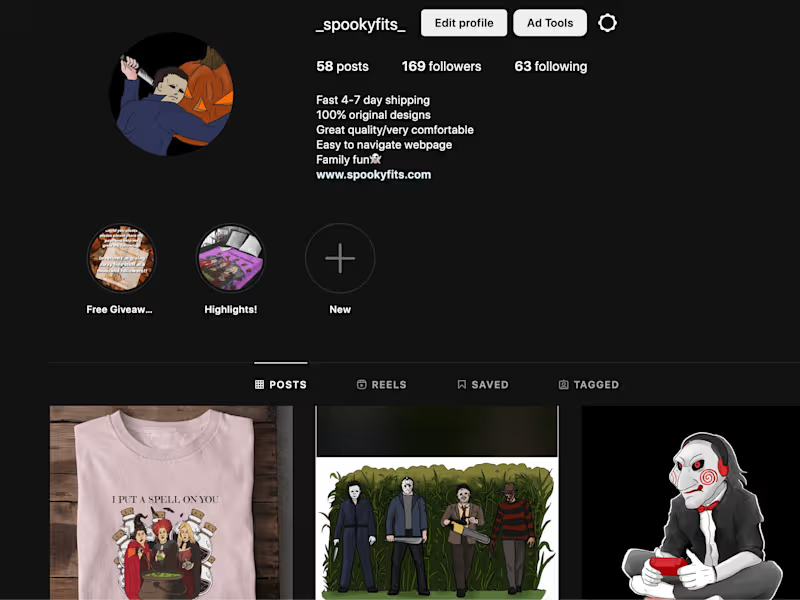


View more →

Food Blogger Turned Social Media Strategist
Food Blogger Turned Social Media Strategist
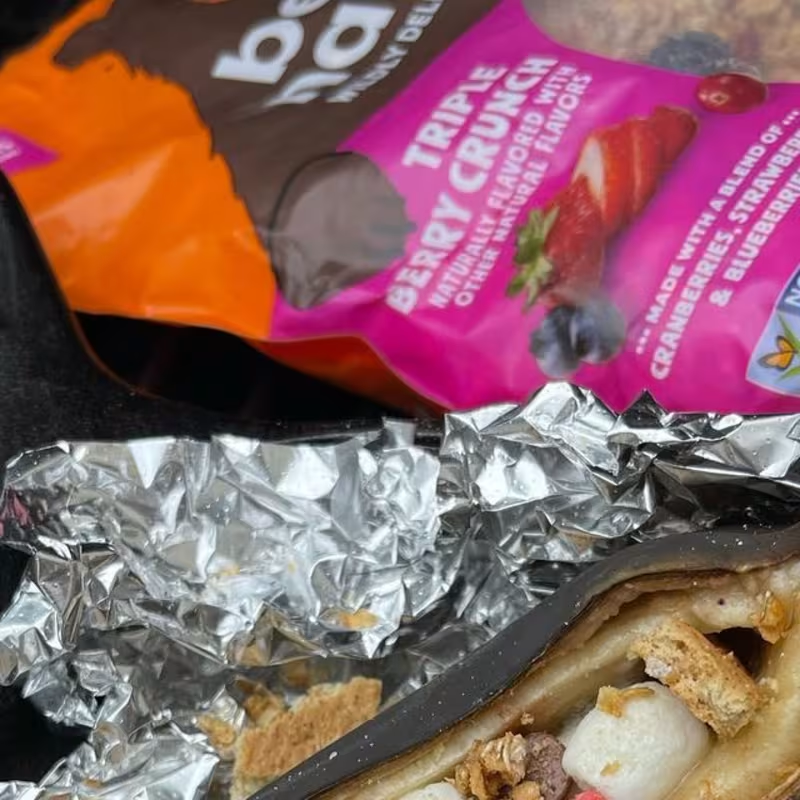



View more →

Here to help with your business needs!
Here to help with your business needs!


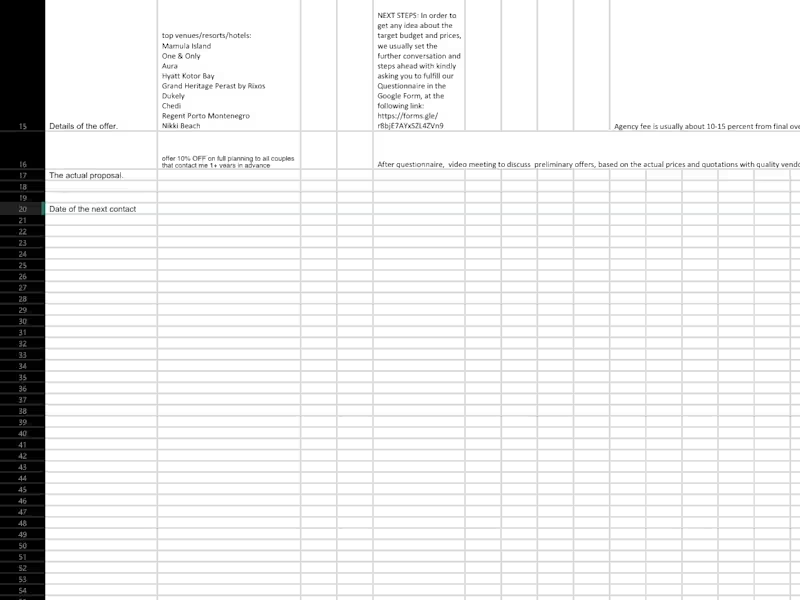

Gen X UGC Creator | Wellness • Beauty • Lifestyle
Gen X UGC Creator | Wellness • Beauty • Lifestyle

Educational Product Content: Authentic product review and demonstration for low-tox EWG verified clean product with health education.
1
37

Fashion Product Review UGC: Authentic product review and demonstration for fashion and lifestyle brands targeting women 50+.
1
50

