
AI Software Engineer


Your Tech partner



IT Solutions – Execute your Concepts
- $25k+
- Earned
- 4x
- Hired
- 5.0
- Rating
- 24
- Followers
IT Solutions – Execute your Concepts


Full-Stack Developer | SaaS, Business Website, Web Apps
- 5.0
- Rating
- 9
- Followers
Full-Stack Developer | SaaS, Business Website, Web Apps
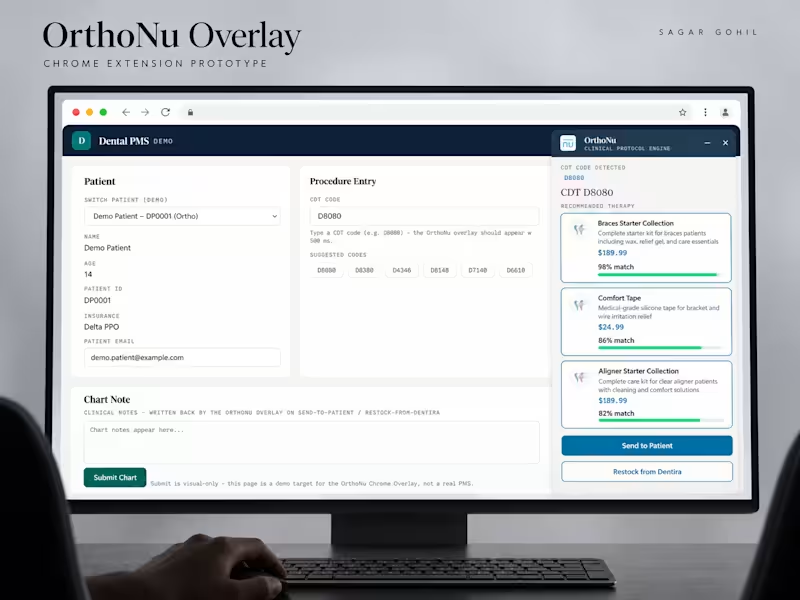

Full Stack Engineer

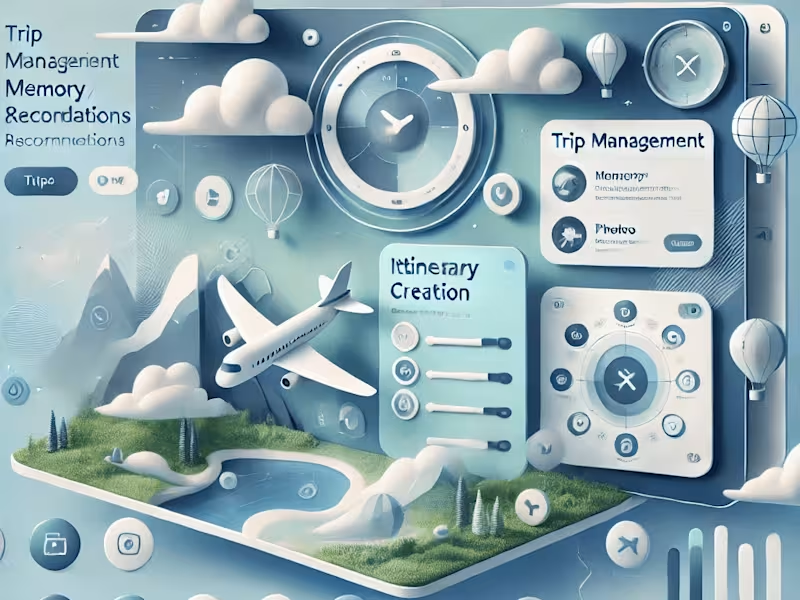


No-Code & AI Automation | Webflow | Bubble | Framer | n8n
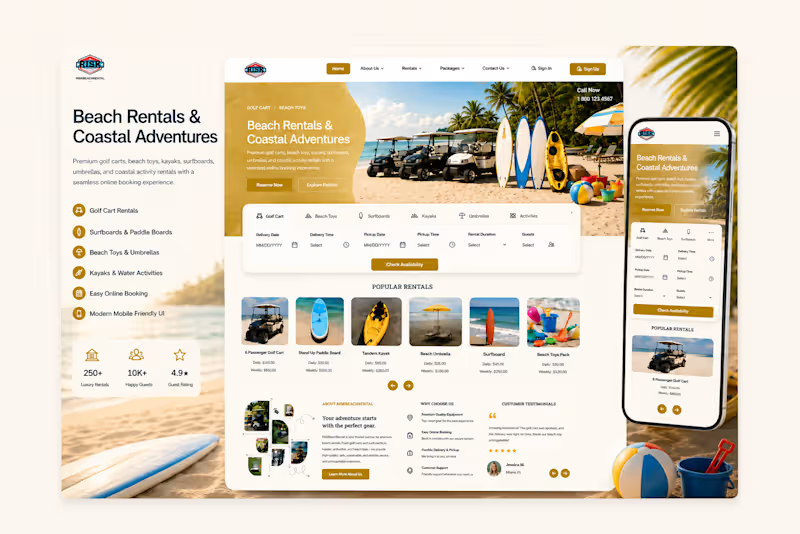
Most rental platforms show you a list of properties and leave you to figure out the rest. This platform was built differently — as a complete vacation experience, not just a booking tool.
Designed for premium coastal properties, it connects travelers with their ideal beachfront stay through intelligent matching, immersive exploration, and end-to-end trip planning — all in one place.
What Was Built
→ AI-powered property matching that surfaces the right rental based on traveler preferences, dates, and budget
→ VR property tours allowing guests to explore spaces before booking
→ Dynamic pricing engine that adjusts rates in real time based on demand, season, and availability
→ Integrated concierge system for personalized guest support throughout the stay
→ Activity booking and local attraction integrations built directly into the guest experience
→ Personalized vacation planning tools that turn a simple rental into a full itinerary
The Outcome
A scalable, full-featured rental ecosystem that does two things exceptionally well — simplifies luxury property management for owners, and creates tailored, memorable beachfront experiences for every traveler.
Built to handle growth, built to impress guests, and built to make every coastal stay feel like it was designed just for them.
3
292
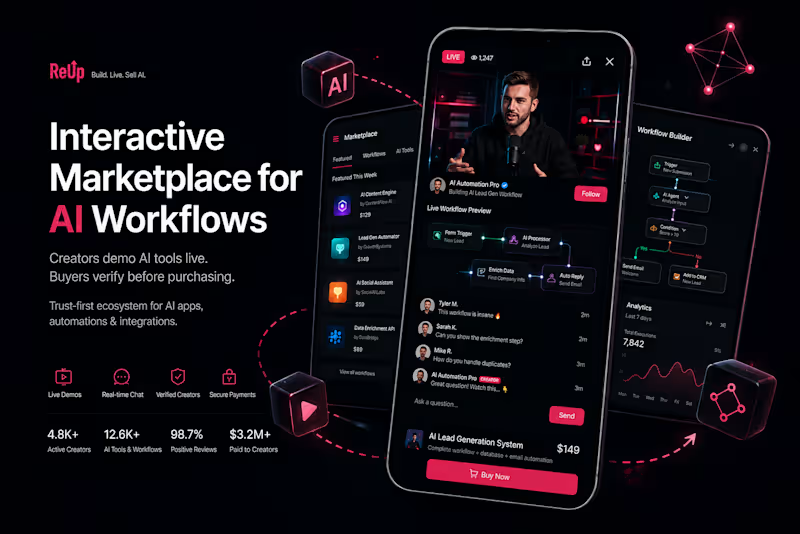
AI Marketplace Platform — Live Demo & Monetization
Most marketplaces ask users to trust a screenshot. This platform lets them interact with the actual product before they buy.
Built for the AI creator economy — a space where tools are complex, buyers are skeptical, and trust is everything. The live demo system bridges that gap by giving buyers a hands-on experience directly inside the marketplace, turning curiosity into confident purchases.
What I Built
A full-stack marketplace platform with creator profiles, structured product listings, and a real-time live demo system. Creators can showcase their AI tools through interactive sessions, and buyers can explore full functionality before committing. The monetization layer handles everything from product pricing to seamless transactions — giving creators a professional storefront, not just a listing page.
The frontend is built for performance and feel — smooth animations, responsive layouts, and fast load times across all devices. The backend is architected to handle real-time communication at scale, supporting concurrent live demo sessions without performance drops.
Core Features
→ Live interactive demo sessions with real-time communication
→ Creator storefronts with product listings and monetization
→ Responsive, animation-driven UI built for engagement
→ Scalable backend supporting high concurrency
→ Secure auth and structured user flows for buyers and creators
2
277
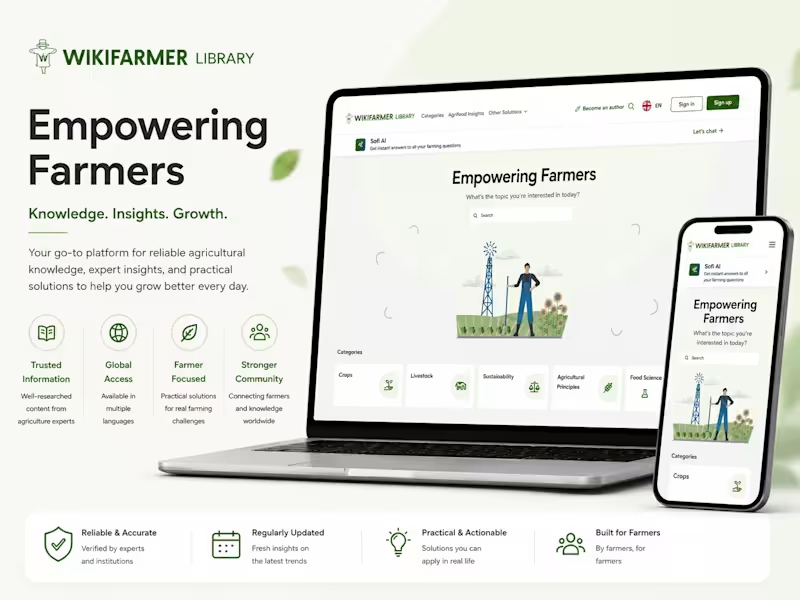
Wikifarmer needed a scalable, trust-driven digital platform to
connect thousands of agricultural suppliers with large global
buyers — eliminating the inefficiencies, price volatility, and
quality uncertainty that plague traditional supply chains.
I contributed to the end-to-end design and development of the
platform, integrating AI-powered features to enhance sourcing
intelligence — including smart supplier matching, dynamic pricing
insights, and automated quality assurance workflows. The platform
covers the full supply chain lifecycle: from harvest and packing
to shipping, logistics, and final delivery.
Key features built include a multi-category product marketplace
(olive oil, fruits, vegetables), a 360° logistics management
system, AI-assisted buyer-supplier negotiation tools, and a
transparent transaction layer ensuring security and accountability
for every order.
The result is a high-performing B2B marketplace that has
revolutionized agricultural sourcing for buyers and producers
across Europe and beyond — reducing procurement costs, improving
cash flow with net-30 financing, and delivering measurable gains
in supply chain efficiency and product quality.
2
310
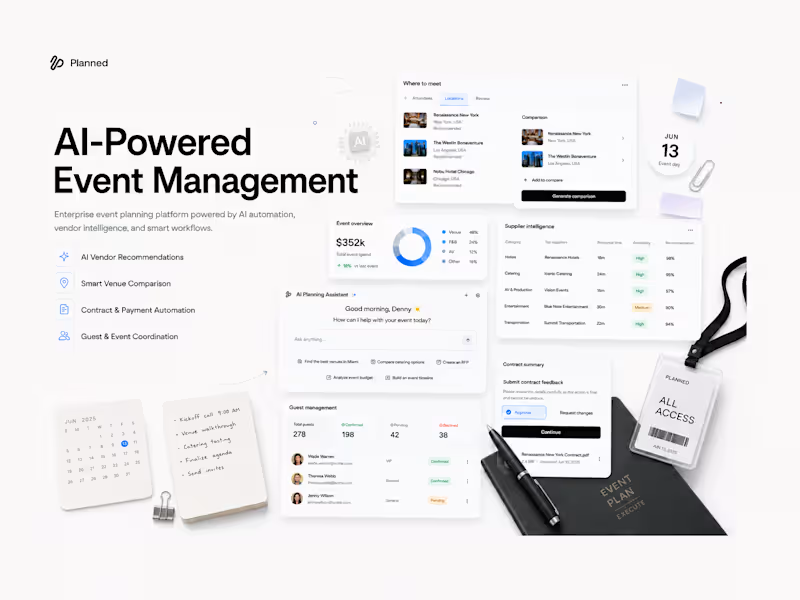
It is an AI-powered corporate event management platform built to simplify the entire lifecycle of planning and executing professional events. From discovering and onboarding vendors to managing contracts and processing payments, everything lives in one unified system
The platform leverages AI to provide intelligent recommendations for vendors, venues, and budgets based on event type and historical data. Automation handles repetitive tasks like follow-ups, approvals, and deadline reminders, significantly reducing manual effort for event teams.
Built with scalability in mind, Planned is designed to handle everything from small corporate meetups to large multi-day conferences. The architecture ensures high performance across devices and deliver seamless event experiences every time.
2
371

I build AI systems & tech solutions for businesses.
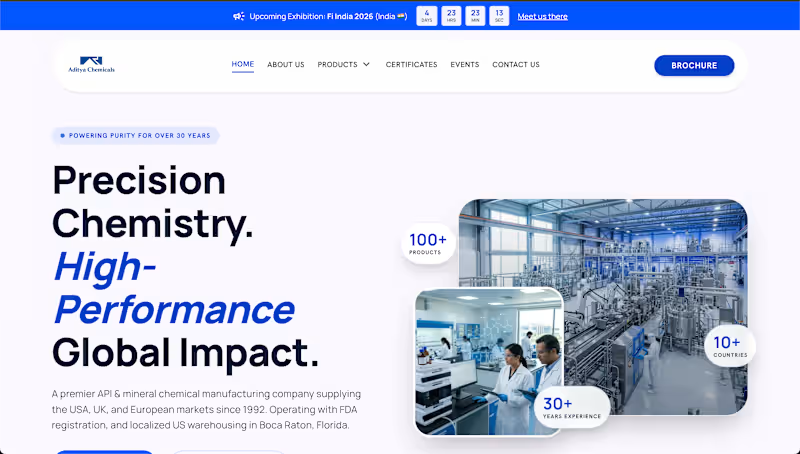
Aditya Chemicals — Corporate Manufacturing Website
Designed and developed the corporate website for Aditya Chemicals, a chemical manufacturing company serving international markets.
The website was structured to communicate the company's manufacturing capabilities, product portfolio, certifications, global presence, and industry experience through a modern and professional digital experience.
Key Features
Corporate website architecture
Product portfolio and product discovery
Product categorization and navigation
Certifications and compliance presentation
Company and manufacturing information
Global presence and market positioning
Events and exhibition announcements
Brochure download functionality
Contact and enquiry flows
Responsive design across devices
Modern, performance-focused UI/UX
My Role
I handled the website development and implementation, translating the company's business requirements and brand identity into a structured, responsive, and professional corporate web experience.
Technology
Next.js · React · TypeScript · Tailwind CSS · Responsive Web Development
Focus: Corporate Website · Chemical Manufacturing · Product Showcase · B2B Website · Global Business · Lead Generation
2
4
346
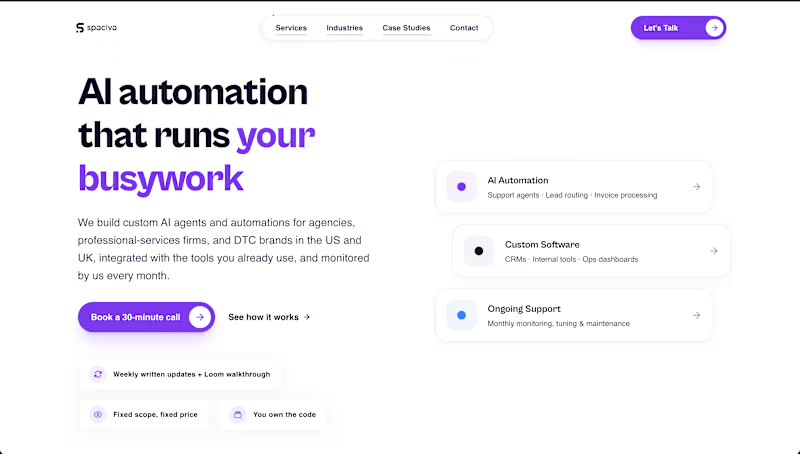
Spaciva — AI Automation & Technology Solutions
Designed and developed the Spaciva website to position the company around AI automation, custom software, and technology solutions for businesses.
The website is structured around a clear service-led journey, helping visitors understand what Spaciva builds, who it serves, and how projects are delivered. The experience focuses on communicating complex technical services in a simple, conversion-oriented way.
Key Features
AI automation service presentation
Custom software development positioning
AI agent and workflow solutions
Business-focused service architecture
Conversion-focused landing page
Clear service and solution navigation
Responsive and modern UI/UX
Lead-generation focused CTAs
Structured content and information architecture
Ongoing support and maintenance positioning
My Role
I handled the website strategy, UI/UX direction, frontend development, content structure, and implementation, creating a digital experience designed to turn technical capabilities into clear business value.
Technology
Next.js · React · TypeScript · Tailwind CSS · Responsive Web Development
Focus: AI Automation · Custom Software · AI Agents · Business Solutions · Web Development · Conversion Optimization
5
335
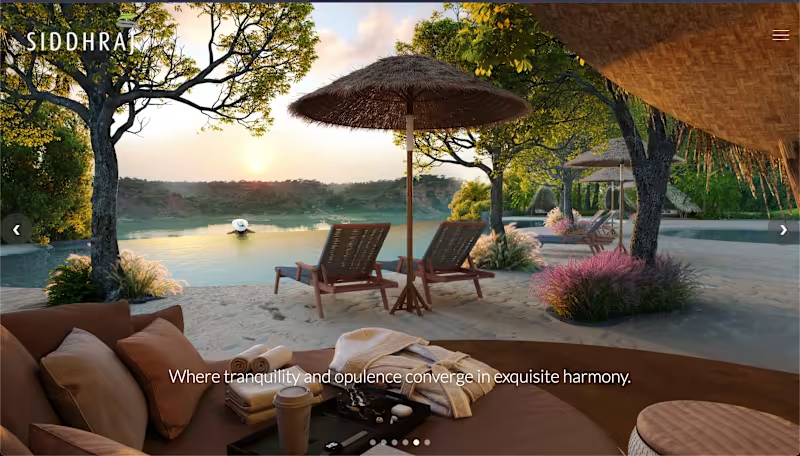
Siddhraj — Premium Real Estate Website
Designed and developed a premium real estate website for Siddhraj, focused on creating an immersive property discovery experience while presenting the brand and its projects with a strong visual identity.
The website combines high-quality property imagery, project showcases, structured information, and enquiry-focused user journeys to help potential buyers explore developments and connect with the business.
Key Features
Premium real estate-focused UI/UX
Property and project showcases
Immersive image galleries
Project and amenities presentation
Responsive design across devices
Enquiry and contact flows
Conversion-focused call-to-actions
Modern navigation and content structure
Performance-focused frontend development
My Role
I handled the website development and implementation, translating the business requirements and visual direction into a responsive, production-ready web experience.
Technology
Next.js · React · TypeScript · Tailwind CSS · Responsive Web Development
Focus: Real Estate · Web Development · UI/UX · Property Showcase · Lead Generation
1
137
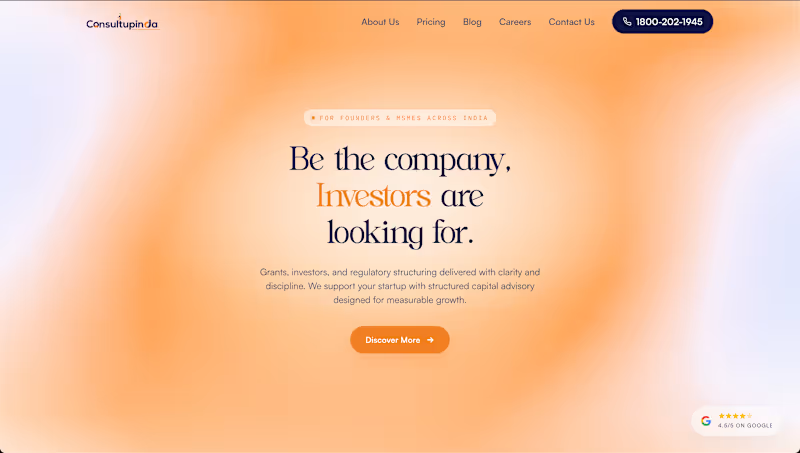
ConsultupIndia — Startup & Capital Advisory Website
Designed and developed a modern, conversion-focused website for ConsultupIndia, a business advisory platform supporting founders and MSMEs across India. The website presents their services around grants, investors, regulatory structuring, and capital advisory through a clear, professional digital experience designed to build trust and drive enquiries.
Key Features
Modern responsive website
Startup and MSME-focused positioning
Service and pricing presentation
Lead generation and enquiry flows
Conversion-focused landing pages
Mobile-responsive UI/UX
Structured content architecture
Professional brand-focused design
Focus: Business Website · Startup Advisory · Lead Generation · UI/UX · Responsive Web Development
1
184

Building Scalable Software That Solves Real Business Problem
- 5.0
- Rating
- 2
- Followers
Building Scalable Software That Solves Real Business Problem
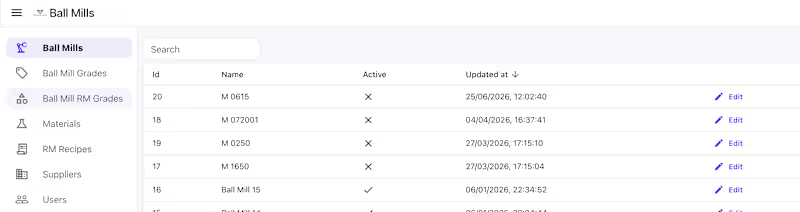
I designed and built the Pristine Admin console, the back-office application that controls all master data behind a manufacturing plant's production system.
The challenge was that master data in a factory setting is unforgiving. A mistyped grade name or a deleted material silently breaks months of historical production records, so the panel had to make the right action easy and the destructive action impossible. I built it as a deliberately constrained interface: records can be deactivated but never deleted, every write is validated on both sides, and access is restricted to admin roles at the authentication layer rather than just hidden in the UI.
The console manages seven resources across the plant: ball mills, ball mill grades, raw material grades, materials, suppliers, users, and raw material recipes. The recipe builder was the most interesting piece. Each raw material grade needs a formula defining how many kilograms of each material go into one batch, so I built a nested form that pulls live material options, enforces a single recipe per grade by filtering out grades already configured, and validates quantities inline. Because the backend keys recipes by grade rather than by their own ID, I mapped the resource identity in the data layer so the standard list, create, and edit flows work transparently over a non-standard endpoint shape.
Most of the engineering went into the data provider. The existing API returns enveloped responses and full collections rather than paginated ones, so instead of reshaping a working production API I wrote a provider that adapts to it: a client-side query engine handling full-text search, boolean filtering, multi-field sorting, and pagination, plus a per-resource field allowlist that strips any key the backend validators would reject before a request goes out. Delete operations throw by design, pointing the user to deactivation instead.
Authentication runs through the same JWT service as the operator app, but the console rejects any account without an admin role at login and re-verifies that on every route change, clearing the session automatically on a 401 or 403. I finished it with a custom MUI theme and layout: an indigo and teal palette, a gradient-washed background, softened surfaces and radii, and a collapsible sidebar reworked to show clean centered icons rather than clipped labels when narrowed.
Tech Stack: React 19, TypeScript, React-Admin 5, MUI 7, Tailwind CSS v4, Vite, Vercel.
0
52
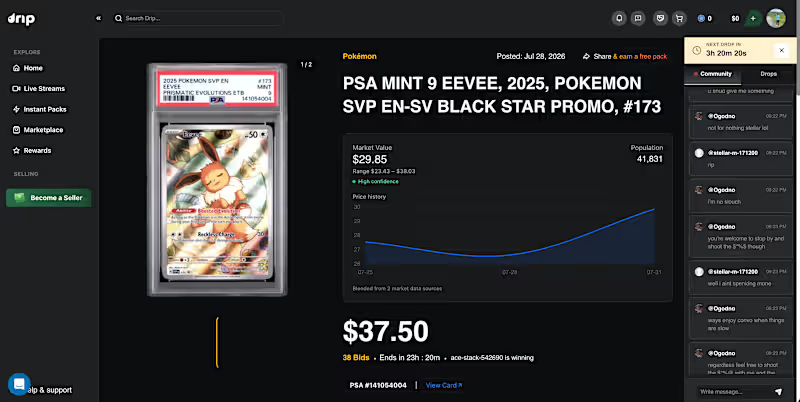
I worked as a Software Engineer on DripShop, a large-scale live-streaming e-commerce platform that enables creators and businesses to sell products through interactive live video experiences. My work focused on building production-ready features that supported high-traffic user journeys while maintaining performance, reliability, and a seamless shopping experience.
The platform combines live video, real-time user interactions, payments, inventory management, and order processing into a single experience. My responsibility was to translate complex product requirements into scalable, maintainable frontend and full-stack solutions, collaborating closely with designers, backend engineers, product managers, and QA throughout the development lifecycle.
I contributed to the development of customer-facing experiences across the platform, building reusable React and Next.js components, integrating backend APIs, implementing responsive interfaces, and improving application performance. Alongside feature development, I resolved production issues, optimized existing workflows, and helped ensure new releases met high standards for usability and reliability.
Working on a product used by thousands of shoppers required careful attention to performance, state management, and code quality. I participated in code reviews, collaborated on architectural decisions, and followed modern engineering practices to keep the application scalable and maintainable as new features were introduced.
This project strengthened my experience building production-scale web applications, working within a large collaborative engineering team, and delivering features that directly impacted real users and business outcomes.
Tech Stack: React, Next.js, TypeScript, Node.js, GraphQL, REST APIs, Tailwind CSS, Git, GitHub Actions, Vercel, Agile Development.
0
68
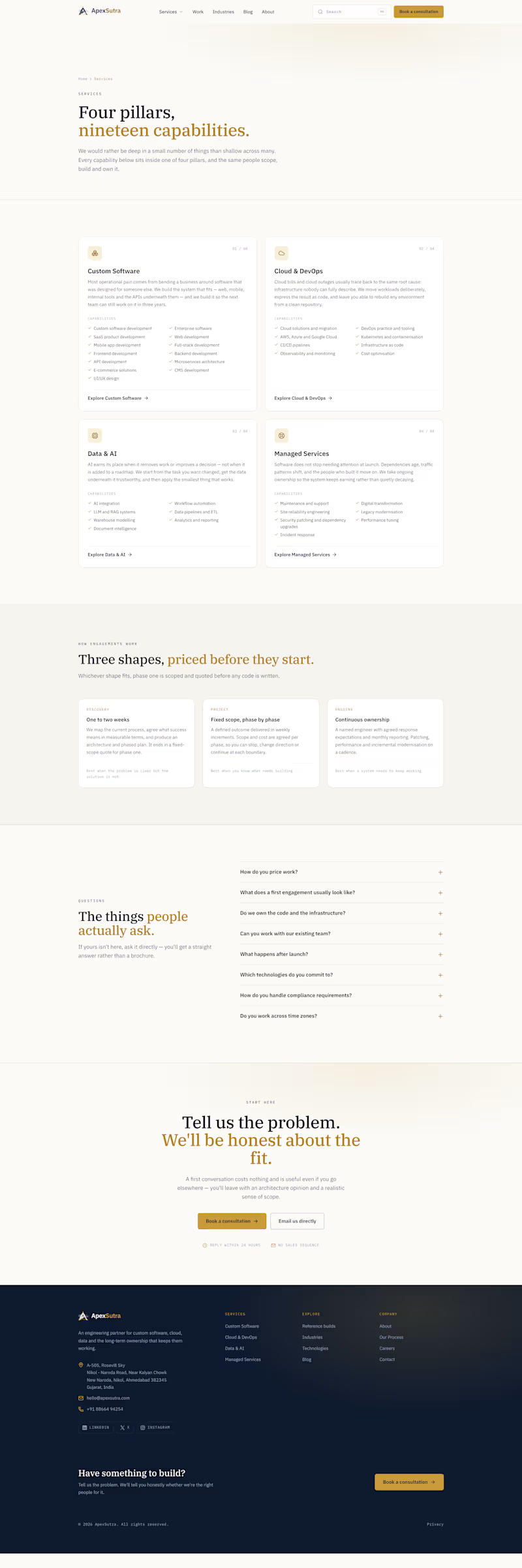
I designed and built ApexSutra's entire digital presence—from branding and design system to a production-ready website.
The challenge was to create a website that demonstrates engineering quality rather than relying on generic marketing. Every decision focused on performance, scalability, maintainability, and user experience.
I developed a reusable design system powered by Tailwind CSS v4, with design tokens for colors, typography, spacing, and motion. The website is fully data-driven, allowing new services and industries to be added through typed content files that automatically generate pages, SEO metadata, sitemap entries, and search integration.
SEO is built into the architecture with structured data, Open Graph metadata, and an auto-generated sitemap, ensuring content and search optimization always stay in sync. Performance was equally important, using CSS-first animations, server-rendered content, and accessibility features like reduced-motion support.
Tech Stack: Next.js 16, React 19, TypeScript, Tailwind CSS v4, Vercel.
0
98
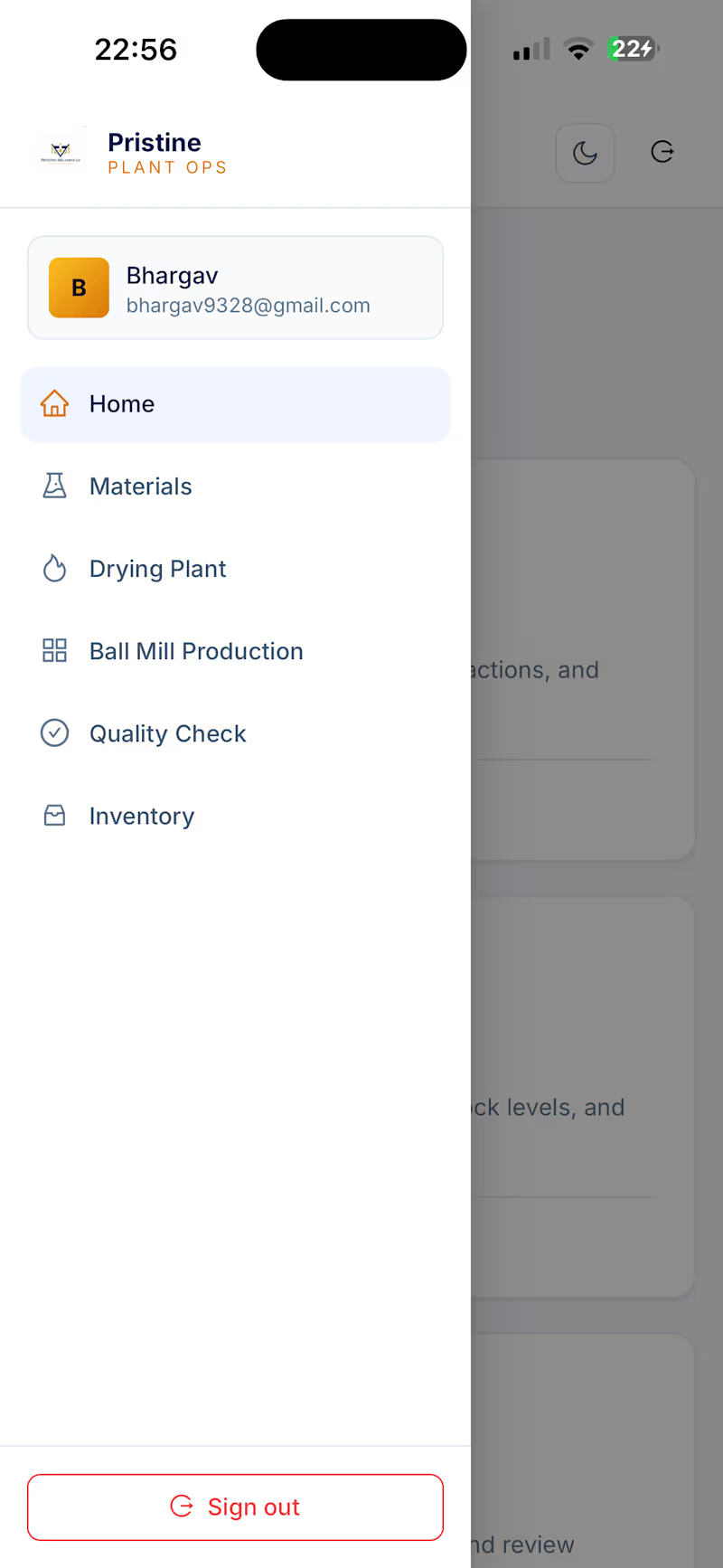
I designed and built Pristine's entire digital operations platform, from database architecture and role-based workflows to a production-deployed web suite and an AI analytics layer.
The challenge was replacing a ceramic processing plant's paper-and-spreadsheet production logs with a system that floor operators would actually use, while giving management the traceability and insight the paper trail never could. Every decision focused on data integrity, least-privilege security, and keeping the interface simple enough for shift operators to work quickly.
I built four services around a single PostgreSQL schema. The operator app handles the full production lifecycle: raw material intake, drying plant shifts, multi-section ball mill batch entry, quality control, and finished-goods inventory, with Excel export throughout and navigation that adapts to each of eight distinct plant roles. A modular Express and Prisma API enforces that access control at the route level. A separate React-Admin console keeps master data (mills, grades, recipes, suppliers, users) out of the operator's way.
The most important piece was traceability. I designed a quality control gate that sits between production output and inventory. QC records are created automatically when a batch completes, reviewed by an inspector, and only generate an inventory entry if quality passes. Every finished bag carries an auto-derived lot number encoding its production date, flow rate, monthly sequence, and bag count, so any outbound shipment can be traced back through inventory and QC to the exact mill batch that produced it.
On top of that I built an AI analytics agent that lets managers query the plant in plain English, architected around a zero-data-to-LLM guarantee. The model only ever sees the database schema and the question, never a row of production data. Five independent layers enforce it: two least-privilege Postgres roles separating read-only queries from insert-only auditing, a sqlglot AST guard that rejects any non-SELECT statement, a per-role table allowlist, the prompt design itself, and a full audit log of every interaction. Answers stream to the browser over Server-Sent Events through a LangGraph pipeline that routes, guards, plans the query, executes, then explains the result in business terms.
Tech Stack: React 19, TypeScript, Ant Design, TanStack Query, Tailwind CSS v4, Node.js, Express, Prisma, PostgreSQL, React-Admin, MUI, Python 3.12, FastAPI, LangGraph, OpenAI, AWS EC2, Nginx, Supabase, Vercel.
1
191