Freelance Medical Writers in Abuja
Sign Up
Post a job
Sign Up
Log In
Filters
2
Projects
People
Uduak Eti
Abuja, Nigeria
I help health brands write content anyone can understand.
New to Contra
Follow
Message
I help health brands write content anyone can understand.

1
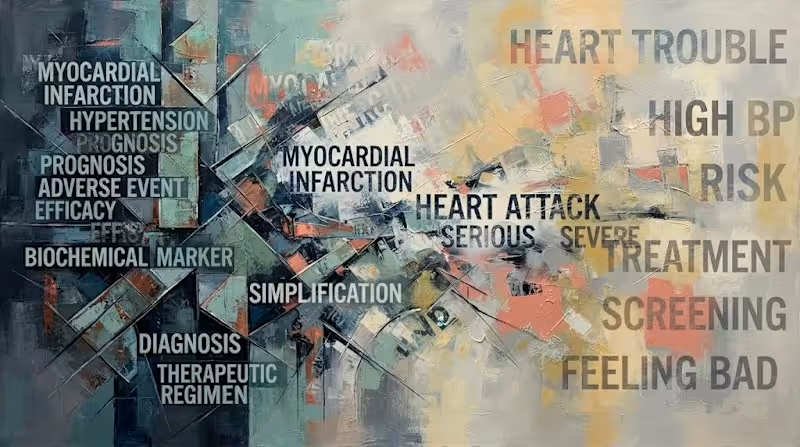
๐๐ก๐๐ง ๐๐๐ค๐ข๐ง๐ ๐๐๐๐ฅ๐ญ๐ก ๐๐ง๐๐จ๐ซ๐ฆ๐๐ญ๐ข๐จ๐ง ๐๐ข๐ฆ๐ฉ๐ฅ๐ ๐๐๐ค๐๐ฌ ๐๐ญ ๐๐๐ฌ๐ฌ ๐๐๐๐ฎ๐ซ๐๐ญ๐ In this article, I looked at a problem in health communication that's easy to miss: simpler doesn't always mean better. Good health writing isn't about deleting every hard word. It's about knowing what you can simplify, what needs to stay, and how to explain it without losing accuracy. That's how I approach health writing: researching the issue, looking beyond the obvious problem, and turning complex information into something clear, accurate, and useful to the intended audience. Link to the article. (https://www.linkedin.com/pulse/when-making-health-information-simple-makes-less-accurate-uduak-eti-hbxif) Health communicators are often advised to make information simple, and that counsel is right. But what if some health information becomes misleading precisely because we simplified it too much? Let's agree that medical terms can be confusing for patients who are anxiously searching online for answers. However, people should not need medical degrees to understand information about their health. Still, there's a serious problem we don't talk about enough. Sometimes, making health information simpler can make it less accurate. This is not because simplicity is bad. It happens when information is simplified poorly. Some words carry more meaning than we realise, and careless simplification can distort meaning or create misinformation. Take, for example, the words 'serious' and 'severe'. In our conversations every day, these words can sound interchangeable. But in a medical context, replacing one with the other may change what the information communicates. In adverse event reporting, 'severe' describes how intense a symptom or event is, while 'serious' describes the clinical consequences for the patient, such as hospitalisation, disability, or death. Many medical terms are used because they have specific meanings in clinical, research, or regulatory settings. So the problem is not that health information contains difficult words. The issue is not knowing which difficult words to replace and which technical terms to keep. Replacing a technical term can make a sentence easier to read, but it can also change or weaken its meaning. ๐๐ก๐ฒ ๐๐จ๐๐ฌ ๐ญ๐ก๐ข๐ฌ ๐ก๐๐ฉ๐ฉ๐๐ง? Part of the reason is straightforward: simpler information is often easier for people to understand, remember, and act on. Health communicators want their intended audience to understand the key message. Too much information can be overwhelming. Patients may have different levels of knowledge and health literacy, and they may be stressed, ill, short on time, or not familiar with medical terms. They may also be dealing with uncertainty. In those situations, health communicators may reduce the number of ideas and focus on the main points that the audience needs to know. Technical terms can be a barrier for people who do not know medical language or have limited access to healthcare or medical support. Health communicators help reduce these barriers by making information more accessible. They consider differences in literacy, language, age, disability, and social background. The format itself also plays a role. A poster, text message, or social media post cannot contain a full research paper. Writers may also have strict word or character limits to work with. When information has to be shared in different languages, translation adds more choices to make. And in a health emergency, there is often not much time to create clear messages that people can quickly understand and act on. Also, what an organisation wants to achieve affects what they say. For example, a health campaign might focus on telling people what to do rather than explaining every detail about the issue. Health communicators have to choose what information the audience needs right away and what can be shared later. That makes health communication more than a writing exercise: it is a process of selection. When we decide what to leave out, how do we know we haven't left out something that changes the meaning? ๐๐ก๐๐ญ ๐๐จ๐๐ฌ ๐ญ๐ก๐ ๐๐ฏ๐ข๐๐๐ง๐๐ ๐ซ๐๐ฏ๐๐๐ฅ? Research shows two things that are both true: medical jargon confuses patients, but we still need precise technical terms to keep information safe and accurate. It also shows that using simple, everyday words helps people who are not experts to understand and act on health advice. That's why the WHO recommends plain language. If you simplify too much, though, you can lose important details, change the meaning, and make it harder for people to make informed decisions. So good health communication needs to be clear and interesting, but still accurate. The aim is not to make it as simple as possible. It is to make it as easy to understand as possible without changing what it actually means. ๐๐ก๐๐ญ ๐ฌ๐ก๐จ๐ฎ๐ฅ๐ ๐ฐ๐ ๐๐จ ๐๐ข๐๐๐๐ซ๐๐ง๐ญ๐ฅ๐ฒ? How do we actually do that? Keep the medical term, but add a translation. For example, 'Myocardial infarction (heart attack).' Keep the numbers, the doses, the warnings, but give context to understand them. Use short sentences, clear headings, and examples. Have a subject matter expert review that the main actions and warnings are still correct. This could be a clinician, pharmacist, or other specialist. Test the information with people from the intended audience to see if they understand what it means and what they need to do. When writing, ask yourself, 'Could I use another word for this without changing its meaning?' If you can, use a simple word. If you canโt, keep the technical term and explain it. ๐๐จ๐ญ ๐๐ฅ๐ฅ ๐๐จ๐ฆ๐ฉ๐ฅ๐๐ฑ๐ข๐ญ๐ฒ ๐๐จ๐ฆ๐๐ฌ ๐๐ซ๐จ๐ฆ ๐ฐ๐จ๐ซ๐๐ฌ Sometimes health information is hard because of the words we use. But often it's hard because the science itself is uncertain. Scientific findings are often a work in progress as science continues to evolve. A treatment may help some people, but not everyone. This is because health advice often focuses on chances, not guarantees. And what works for one group might not work for another. A screening test can detect disease early, but it can also give false-positive or false-negative results. It may also find something that would never have caused harm. Good communication also depends on the audience. What they need to know, their cultural background, and how they will use the information matter too. If we remove those differences just because they feel 'too complicated', we have not made the information clearer. We have only changed what we are actually saying. Our job is not to remove complexity. It is to help people understand the parts of it that matter. ๐๐จ๐ฎ๐ซ๐๐๐ฌ World Health Organization. Use Plain Language. Communicating for Health. https://www.who.int/about/communications/understandable/plain-language World Health Organization. WHO Strategic Communications Framework for Effective Communications. https://www.who.int/docs/default-source/documents/communicating-for-health/communication-framework.pdf Centers for Disease Control and Prevention. Develop & Test Materials. Health Literacy. https://www.cdc.gov/health-literacy/php/develop-materials/develop-test-materials.html International Council for Harmonisation. E2A: Clinical Safety Data Management: Definitions and Standards for Expedited Reporting. European Medicines Agency. https://database.ich.org/sites/default/files/E2A_Guideline.pdf
1
133
2
๐๐ฅ๐๐๐ซ ๐๐ง๐จ๐ฎ๐ ๐ก ๐ญ๐จ ๐๐๐๐, ๐๐จ๐ญ ๐๐ฅ๐๐๐ซ ๐๐ง๐จ๐ฎ๐ ๐ก ๐ญ๐จ ๐๐๐ญ This article looks at why plain language alone isn't always enough to make health information clear and useful, and how we can help people really understand it by testing with intended audiences, being specific about what to do, using examples that fit their culture, and checking understanding with teach-back. This piece shows how I take complex health research and turn it into clear, practical content that helps readers understand what health information means and what to do with it. Link to the article. (https://www.linkedin.com/pulse/clear-enough-read-act-uduak-eti-bcule) People donโt always struggle with health information and services because they canโt read. Health information can be medically accurate and easy enough to read, yet still fail to help people understand what it means or what they should do. We often talk about health literacy as though it is simply about communication between doctors and their patients or about medical writers developing written materials in plain language. Health literacy begins in early childhood, long before a child can read or write. Children develop it through interactions with caregivers, family members, schools, and communities. It involves the ability to find, understand, evaluate, and use health information and services to make informed health-related decisions and take appropriate action for ourselves and others. People can misunderstand health information even when it's written in plain, simple language because understanding depends on more than just simple words and short sentences. ๐ ๐๐๐ญ๐จ๐ซ๐ฌ ๐๐ก๐๐ญ ๐๐๐๐๐๐ญ ๐๐จ๐ฐ ๐๐ ๐๐ง๐๐๐ซ๐ฌ๐ญ๐๐ง๐ Plain language can reduce misunderstanding, but it doesn't put an end to it. It can make it easier to understand risks, recognise misinformation, and respond to warnings about severe weather or environmental hazards. Several factors can affect how someone understands and uses a health message. A personโs health literacy skills can affect how easily they find, understand, and act on information. However, understanding does not depend on individuals alone. Healthcare organisations also shape whether people can understand and act. Different cultures hold different beliefs about sickness, risk, and treatment, and these beliefs can affect how people understand health information. A reader may struggle to understand a health message when they are unfamiliar with the language, when there is a translation error, or when vague wording is used. Medical terms and instructions can also confuse a patient, even when the information uses clear and simple words. Information about dosage should specify the amount to take and when to take it. Numbers can be especially tricky to understand. People may interpret a โ50% increase in riskโ very differently from โrisk rises from 2 in 1,000 to 3 in 1,000,โ even though both describe the same relative change. The second example makes the actual difference easier to see. Pain, fear, stress, time pressure, and information overload can affect attention, memory, and decision-making. These factors show why plain language is important, but not always enough. ๐๐จ๐ง'๐ญ ๐๐ฌ๐ฌ๐ฎ๐ฆ๐: ๐๐ก๐๐๐ค ๐๐ง๐๐๐ซ๐ฌ๐ญ๐๐ง๐๐ข๐ง๐ For health communication to be effective, professionals and writers should combine plain language with practical ways of checking understanding. Be specific about what you want people to do. Instead of saying โTake twice dailyโ, say โTake one tablet in the morning and one in the eveningโ, when that schedule is appropriate for the medicine. Explain symptoms, side effects, and warning signs using simple examples. It is also important to use the language your intended audience prefers and understands, along with culturally relevant examples. Before you publish, test your written materials with members of the intended audience. Ask them what they think the message is about, what they will do next, and which parts remain unclear. Teach-back is a way to check whether the information was understood. It tests whether the explanation was clear; it is not a test of the patient. Ask the person to explain, in their own words, what they understand and what they will do. For example: โI want to be sure my explanation was clear. Can you please tell me how you will take this medication when you get home?โ ๐๐จ๐ง๐๐ฅ๐ฎ๐ฌ๐ข๐จ๐ง Plain language is a good starting point, but clear words do not always guarantee clear understanding. We should not assume that people understand us simply because we have explained something clearly. A better test is whether they understood what we meant, know what to do next, and can act on it. ๐๐จ๐ฎ๐ซ๐๐๐ฌ World Health Organization (WHO). Low health literacy is costing health (2025). https://www.who.int/publications/i/item/B09619 Centers for Disease Control and Prevention (CDC). Plain Language Materials & Resources. https://www.cdc.gov/health-literacy/php/develop-materials/plain-language.html Swedish Agency for Health Technology Assessment and Assessment of Social Services (SBU). Interventions to Promote Health Literacy in Children, Adolescents, and Supporting Adults (2025). https://www.sbu.se/en/publications/sbu-kartlagger/interventions-to-promote-health-literacy-in-children-adolescents-and-supporting-adults/ NIH/PMC. Health promotion through reading in the first thousand days (2025). https://pmc.ncbi.nlm.nih.gov/articles/PMC12716577/
2
299
2
๐๐๐ ๐ ๐๐๐๐๐๐๐๐ ๐๐๐๐ ๐๐๐ ๐๐๐?๐ฆ A mosquito bites someone with HIV, then bites youโฆ So what next? Many people believe mosquitoes can spread HIV from one person to another. ๐๐ก๐ข๐ฌ ๐ข๐ฌ ๐๐๐ฅ๐ฌ๐. Mosquitoes transmit several diseases, but HIV isn't one of them. HIV spreads when certain body fluids from a person with HIV enter another person's body. These include blood, semen, pre-cum, vaginal fluids, rectal fluids and breast milk. It's mainly transmitted through sex, sharing needles or other injection equipment, and in some cases from parent to child during pregnancy, birth or breastfeeding. ๐๐จ๐ฐ๐๐ฏ๐๐ซ, ๐ ๐ฆ๐จ๐ฌ๐ช๐ฎ๐ข๐ญ๐จ ๐๐ข๐ญ๐ ๐ข๐ฌ๐ง'๐ญ ๐จ๐ง๐ ๐จ๐ ๐ญ๐ก๐จ๐ฌ๐ ๐ซ๐จ๐ฎ๐ญ๐๐ฌ. Knowing how HIV is actually transmitted helps us protect ourselves based on facts, rather than fear. But wait... If a mosquito drinks blood from someone with HIV, isn't that blood still inside it? And when it bites you, doesn't it inject it into you? Here's what actually happens. A mosquito doesn't inject the blood of the last person it bit into its next victim. Its mouthparts have separate channels for sucking blood and releasing saliva. When she bites, she draws your blood through one channel and injects saliva through another. The saliva helps keep your blood flowing so she can feed. So no, she's not injecting someone else's blood into you. She's injecting her saliva. ๐๐ง๐ ๐๐๐ ๐ข๐ฌ๐ง'๐ญ ๐ญ๐ซ๐๐ง๐ฌ๐ฆ๐ข๐ญ๐ญ๐๐ ๐ญ๐ก๐ซ๐จ๐ฎ๐ ๐ก ๐ฆ๐จ๐ฌ๐ช๐ฎ๐ข๐ญ๐จ ๐ฌ๐๐ฅ๐ข๐ฏ๐. There's another problem for HIV: a mosquito simply isn't the right environment for it to multiply. HIV is a little picky. It needs specific human immune cells to make more copies of itself. Mosquitoes don't have those cells. So the virus can't infect mosquitoes. Instead, once HIV gets into a mosquito, it is broken down and digested in its stomach. Scientists have found no evidence that mosquitoes transmit HIV to humans, even in places where both mosquitoes and HIV are common. ๐๐ก๐ ๐ฌ๐ข๐ฆ๐ฉ๐ฅ๐ ๐ญ๐ซ๐ฎ๐ญ๐ก? HIV needs the right human cells to multiply. A mosquito simply doesn't have what it needs. ๐๐จ ๐ฆ๐จ๐ฌ๐ช๐ฎ๐ข๐ญ๐จ๐๐ฌ ๐๐จ ๐ง๐จ๐ญ ๐ฌ๐ฉ๐ซ๐๐๐ ๐๐๐. And that's one less health myth to worry about. What's a health myth you believed for years before finding out it wasn't true? #HealthWriting #PublicHealth #Research #Healthcare #ContentWriting #HealthEducation #MedicalWriting #HealthCommunication #Contra
2
292
6
๐๐๐๐จ๐ซ๐ ๐๐จ๐ฎ ๐๐๐ฅ๐ฅ ๐๐ญ ๐๐ญ๐ญ๐๐ง๐ญ๐ข๐จ๐ง-๐๐๐๐ค๐ข๐ง๐ , ๐๐ฌ๐ค ๐๐ก๐๐ญ ๐ญ๐ก๐ ๐๐๐ซ๐ฌ๐จ๐ง ๐๐ฌ ๐๐ซ๐ฒ๐ข๐ง๐ ๐ญ๐จ ๐๐จ๐ฆ๐ฆ๐ฎ๐ง๐ข๐๐๐ญ๐ A public health article exploring how suicidal distress can be misunderstood as attention-seeking, and how we can learn to recognise when someone is struggling and respond with more care. This piece reflects my ability to communicate sensitive health issues by combining storytelling, evidence, and practical guidance in a way that is human, clear, and easy to understand, while helping readers think differently about how they respond to people in distress. Link to the article. (https://www.linkedin.com/pulse/before-you-call-attention-seeking-ask-what-person-trying-uduak-eti-qgxve?utm_source=share&utm_medium=member_ios&utm_campaign=share_via) I've lost count of the number of people I've seen joke about suicidal thoughts or even past attempts, as though suicide were something to laugh about or a game people needed to play. One of those times, a friend told me a disturbing story about himself. He laughed as he told it, as though it were nothing. He had joked about being tired of life. But what he described afterwards was not a joke. He had gone out alone late at night to an isolated road, hoping something would happen that would end his life. When nothing did, he returned home. The following night, he tried again. He returned home disappointed. And when he told me about it, he laughed it off as though he were recounting an unfortunate incident rather than telling me how close he had come to dying. I remember the laughter. Not because it made the story less disturbing, but because it made me think about how easily distress can be disguised, dismissed, or misunderstood. What unsettled me most was the excitement with which he recounted it, as though attempting to end his life were an achievement. And that stayed with me. We are often more comfortable judging the behaviour than asking what might be behind it. Sometimes we call someone dramatic because they keep saying they cannot cope or that they are tired of living. Itโs easy to say theyโre too sensitive when the same issue keeps bothering them again and again. But maybe they are just trying to communicate something we donโt understand. We get frustrated when they keep calling and texting repeatedly, and then withdraw when we ask what's wrong. We tell them they are overreacting when they say they need to be left alone. It irritates us when they post something concerning and delete it shortly afterward. At times, we even mute their stories or statuses because we don't want to be disturbed. Eventually, we stop responding because we have decided they are looking for attention. What if attention is exactly what they are asking for? Distress does not always arrive in a way that is convenient for us to recognise. Sometimes it's loud; it's the same thought on repeat; it looks like anger, pulling away, or suddenly needing to be close to someone. And sometimes you canโt even name it. You just know something inside feels too heavy to carry. That doesnโt mean every unusual behaviour is a sign someone is suicidal. But when someoneโs words or behaviour show theyโre struggling, and we dismiss them just because their pain makes us uncomfortable, we might miss the moment when they most need someone to listen. You cannot always see psychological distress from the outside. A person can laugh with you, work, socialise, make plans, carry on with their day, and appear perfectly fine while struggling with thoughts they have told no one about. Some may even be the person everyone describes as cheerful. That is part of what makes suicidal distress so difficult to recognise. We often expect someone who is struggling to look broken and sad, but when they don't, we assume nothing serious is happening. A person can be functioning and still be struggling. Saying โI am fineโ when asked how you are is almost a default answer everyone gives. Sometimes people respond that way because they donโt have words for whatโs going on inside. Or because making a joke about it hurts less than saying it straight. That does not mean every cheerful person is secretly suicidal, or that every joke about death is a warning sign. It means we should be careful about assuming that distress always looks the way we expect it to. Sometimes, the person who looks fine is simply the person who has mastered the art of looking fine. If we cannot always recognise distress by appearance, we need to pay closer attention to what people say and do instead of dismissing them. If youโre in that place right now, I hear you. You constantly battle with the voice in your head. You struggle with an urge that can feel impossible to resist. You smile at others, but somehow inside, you are tormented and exhausted from holding it together. You donโt feel the love around you. Everyone else seems to be moving towards something, while you feel empty. And every day, the weight gets heavier. You do not have to wait until it gets worse. Please tell someone. A close friend, a family member, a doctor, or a crisis line in your country. You do not have to carry this alone. And it's okay not to have the right words to ask for help. Just speak. So what happens when we dismiss the way someone asks for help because we don't like how they ask for it? They may withdraw because they don't feel heard, seen, or understood. And when someone is already struggling with suicidal thoughts, being dismissed can make it harder to seek help. According to the WHO, more than 720,000 people die by suicide every year, and suicide is the third leading cause of death among 15โ29-year-olds globally. Many suicides happen impulsively during moments of crisis. Yet suicide is preventable. That is why, when someone's words or behaviour concern you, don't beat around the bush. Ask directly: โAre you thinking about suicide?โ It feels scary to ask. But asking does not give them the idea. In fact, talking openly often helps. It can ease the pressure and show them someone is really listening. Give them your full attention without judgement. Acknowledge their pain. Avoid arguing or minimising what they are experiencing. Maybe we need to change the question. This year's World Suicide Prevention Day theme is โChanging the Narrative on Suicideโ, with the call to action: โStart the Conversation.โ WHO's message is not simply about talking more. It is about challenging the myths, stigma, and misunderstandings that can stop people from speaking or seeking help. Perhaps that change can begin with something simple: rethinking how we speak to people, and how fast we dismiss them. Before we call someone dramatic, difficult, or attention-seeking, we can pause and ask what might be underneath it. Because sometimes, attention is not the problem. Sometimes, being noticed is the first step towards being heard. And sometimes, the question that matters most is not: โWhy are they seeking so much attention?โ It is: โWhat are they trying to communicate?โ
6
774
Medical Writer
(7)
Follow
Message
Dr Abbas Okanga
Abuja, Nigeria
I help health & ed-tech brands say medicine right, on time.
Follow
Message
I help health & ed-tech brands say medicine right, on time.
0
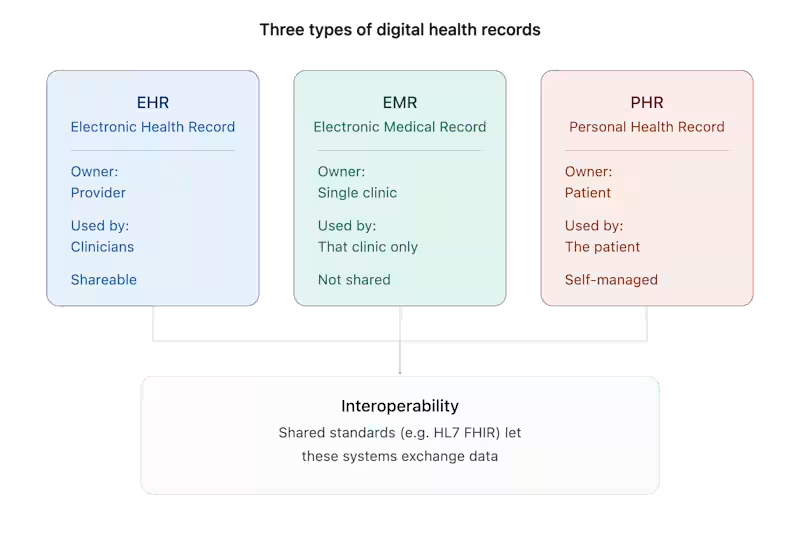
A visual breakdown of the three types of digital health records โ EHR, EMR, and PHR โ created to accompany a longer explainer piece. The diagram clarifies who owns each record type and who it's built for, a distinction that matters for health tech founders making claims about data sharing or interoperability, and for patients trying to understand who actually controls their information. Designed to make a commonly confused technical distinction immediately scannable.
0
48
0
Ensuring Accuracy in AI-Generated Health Content
0
6
0
The Complexity of Following Medical Advice
0
4
0
Exploring the Impact of Digital Health Tools
0
4
Medical Writer
(1)
Follow
Message
Mercy Atu
Abuja, Nigeria
Multilingual Virtual Assistant & Researcher

Follow
Message
Multilingual Virtual Assistant & Researcher

0
Medical Virtual Assistant
0
4
0
Virtual Research Project
0
6
0
Project Management Tool
0
6
View more โ
Medical Writer
(2)
Follow
Message
Explore people