
Deepak Patil
Cloud Infrastructure Engineer | AWS, Serverless & AI Systems
Ready for work
Deepak is ready for their next project!

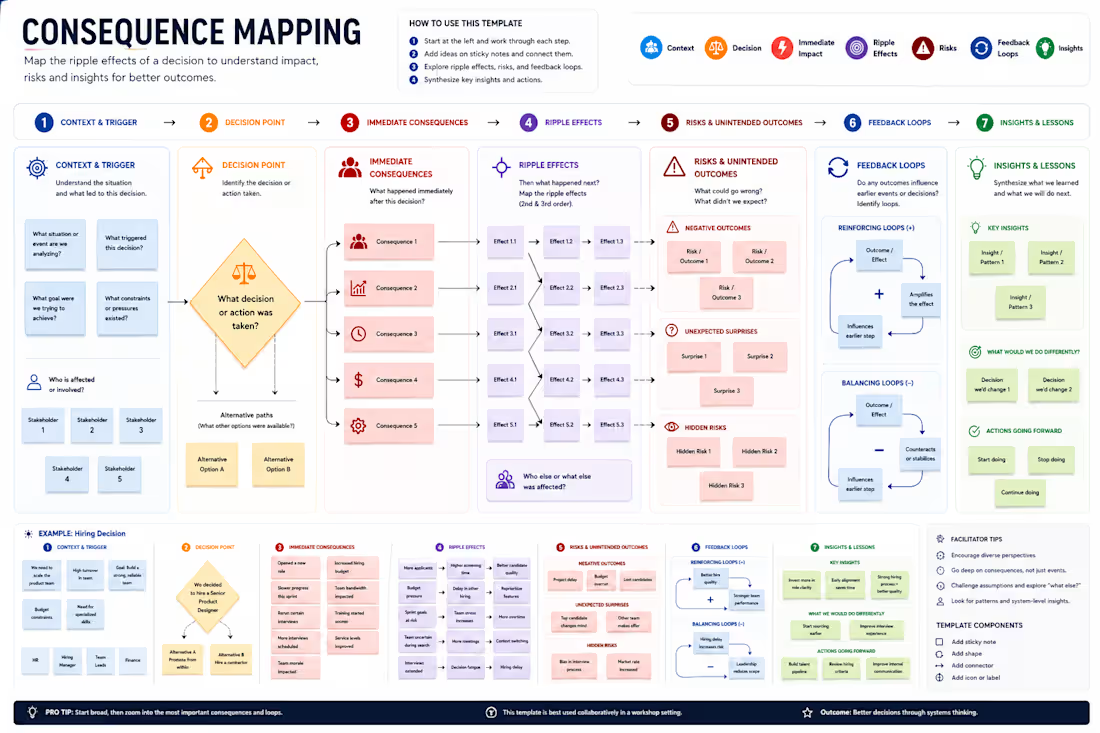
Clarity beats complexity.
I built this consequence map to cut through noise and see decisions for what they really are — trade-offs with outcomes. No guesswork, no overthinking. Just cause → effect, laid out clean.
Good decisions aren’t luck. They’re mapped.
2
187
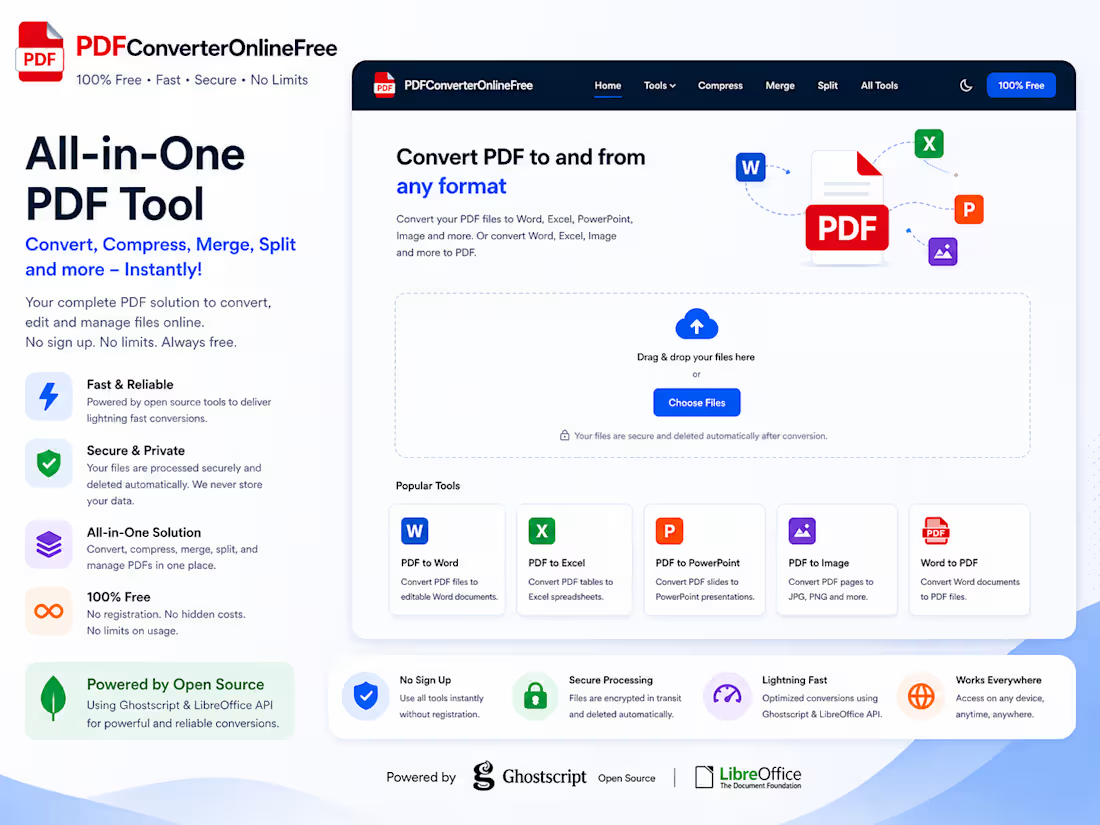
PDFConverterOnlineFree – Node.js PDF Tool
I built this project as a practical, real-world PDF tool that runs completely online and doesn’t rely on any database.
The idea was simple — most PDF tools out there are either paid, slow, or store user files. I wanted to create something lightweight, fast, and privacy-friendly using open-source tools.
🔗 Project Link: https://github.com/deepakpatilauthor/PDF-Tool-Node-JS-Project
What this project does
This web app lets users:
Convert PDFs to formats like Word, Excel, and images
Convert files back into PDF
Merge, split, and compress PDFs
Use everything without signing up
All files are processed temporarily and deleted automatically, so nothing is stored.
How I built it
I used Node.js for the backend and connected it with:
Ghostscript for handling PDF operations like compression
LibreOffice for document conversions
The whole system is stateless (no database), which keeps it simple and fast.
Why I built it this way
I wanted to prove that you don’t always need paid APIs or heavy infrastructure to build something useful. With the right open-source tools, you can create a solid, production-ready app.
What I learned
Working with system-level tools like Ghostscript and LibreOffice
Handling file uploads and processing efficiently in Node.js
Building a clean workflow without relying on a database
Thinking about performance and user privacy
Final thoughts
This project is a good example of how I approach building tools — keep it simple, make it useful, and avoid unnecessary complexity.
0
156
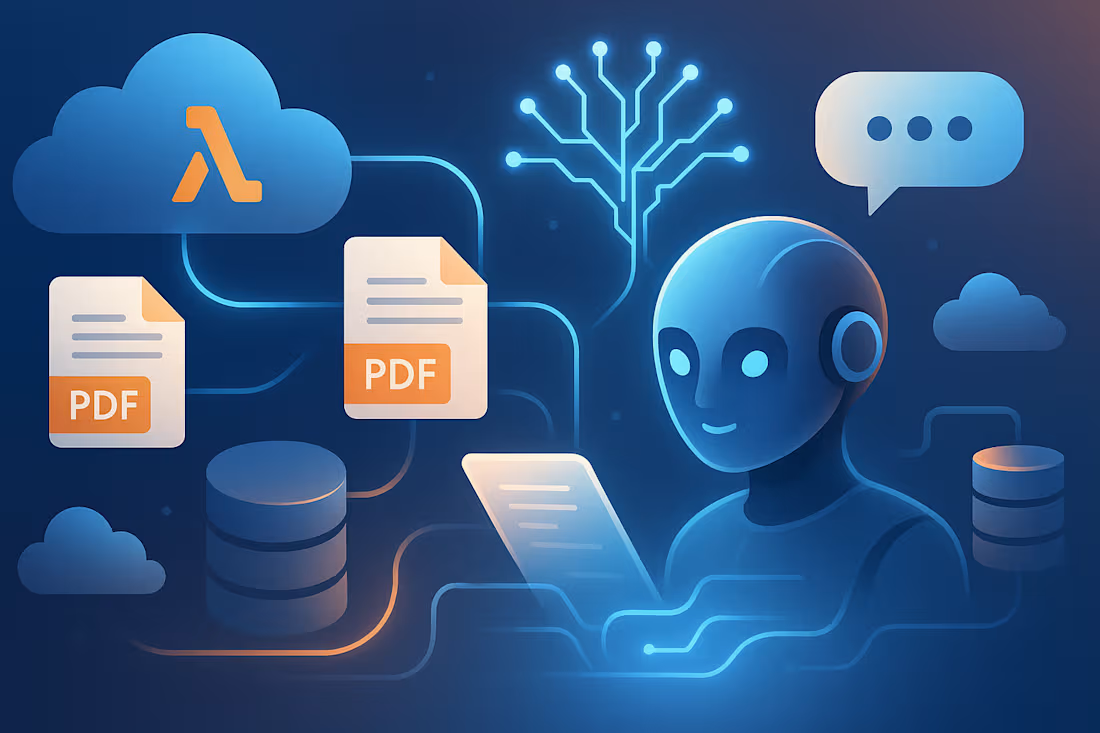
AI-Powered Document Summarizer & Chat System
0
5
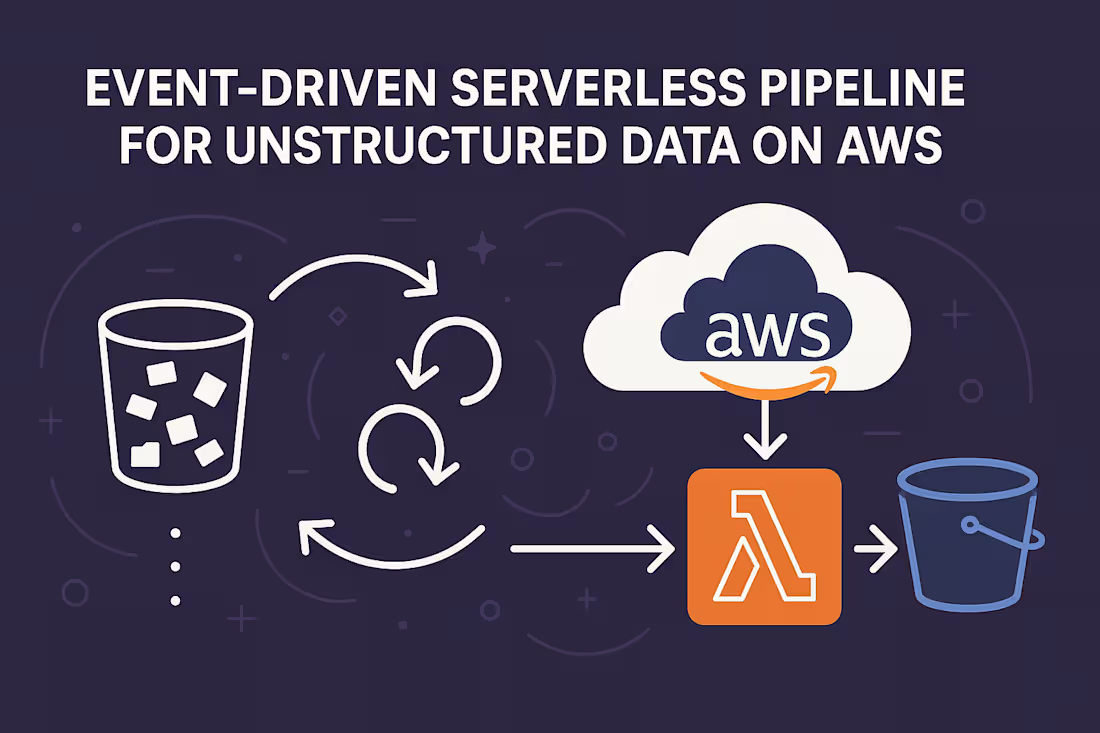
Event-Driven Serverless Pipeline for Unstructured Data on AWS
0
5