
Deepak Sagar
DevOps & Cloud Engineer | AWS,K8s,Azure,Linux,Terraform
New to Contra
Deepak is building their profile!
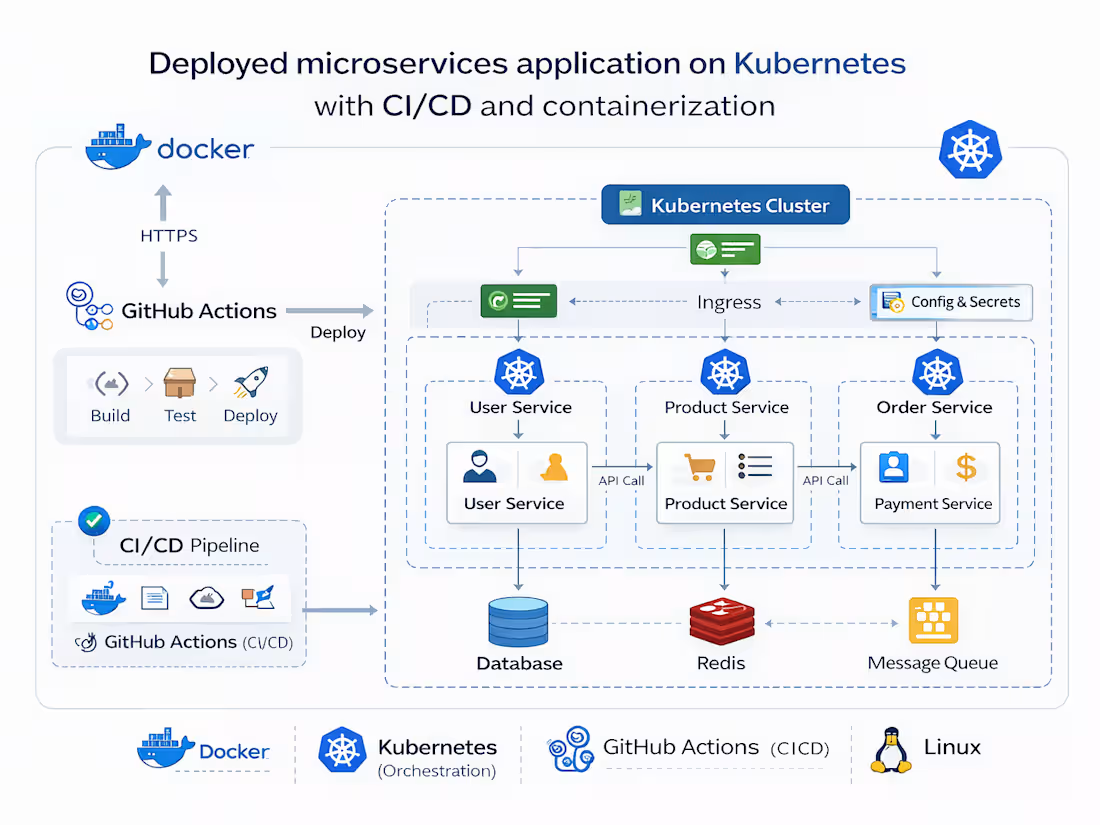
𝗗𝗲𝗽𝗹𝗼𝘆𝗲𝗱 𝗺𝗶𝗰𝗿𝗼𝘀𝗲𝗿𝘃𝗶𝗰𝗲𝘀 𝗮𝗽𝗽𝗹𝗶𝗰𝗮𝘁𝗶𝗼𝗻 𝗼𝗻 𝗞𝘂𝗯𝗲𝗿𝗻𝗲𝘁𝗲𝘀 𝘄𝗶𝘁𝗵 𝗖𝗜/𝗖𝗗 𝗮𝗻𝗱 𝗰𝗼𝗻𝘁𝗮𝗶𝗻𝗲𝗿𝗶𝘇𝗮𝘁𝗶𝗼𝗻:
Designed and deployed a containerized microservices application on Kubernetes, implementing a complete DevOps workflow from build to deployment.
This project focuses on how modern applications are actually deployed in production — using containers, orchestration, and automated pipelines.
Instead of a single application, the system is broken into multiple independent services, each managed, deployed, and scaled separately.
𝗪𝗵𝗮𝘁 𝘄𝗮𝘀 𝗶𝗺𝗽𝗹𝗲𝗺𝗲𝗻𝘁𝗲𝗱:
• Containerized multiple services using Docker
• Built and managed Kubernetes manifests for deployment
• Deployed application on Kubernetes cluster
• Configured services, pods, and networking between microservices
• Implemented CI/CD pipeline for automated build and deployment
• Managed environment configuration and service communication
𝗧𝗲𝗰𝗵 𝘀𝘁𝗮𝗰𝗸:
• Docker (containerization)
• Kubernetes (orchestration)
• GitHub Actions / CI/CD
• AWS / local cluster (if used)
• Linux
𝗖𝗵𝗮𝗹𝗹𝗲𝗻𝗴𝗲𝘀 𝗦𝗼𝗹𝘃𝗲𝗱:
• Managing communication between multiple services
• Handling container networking and service discovery
• Debugging pod failures and deployment issues
• Ensuring consistent deployment across environments
• Structuring manifests for scalability and maintainability
This kind of setup is useful for:
• Applications that need to scale independently
• Systems where different services evolve separately
• Teams working on distributed architectures
• Production-ready container-based deployments
Outcome
• Fully containerized microservices architecture
• Kubernetes-based deployment setup
• Automated build and deployment workflow
• Scalable and modular application structure
1
85
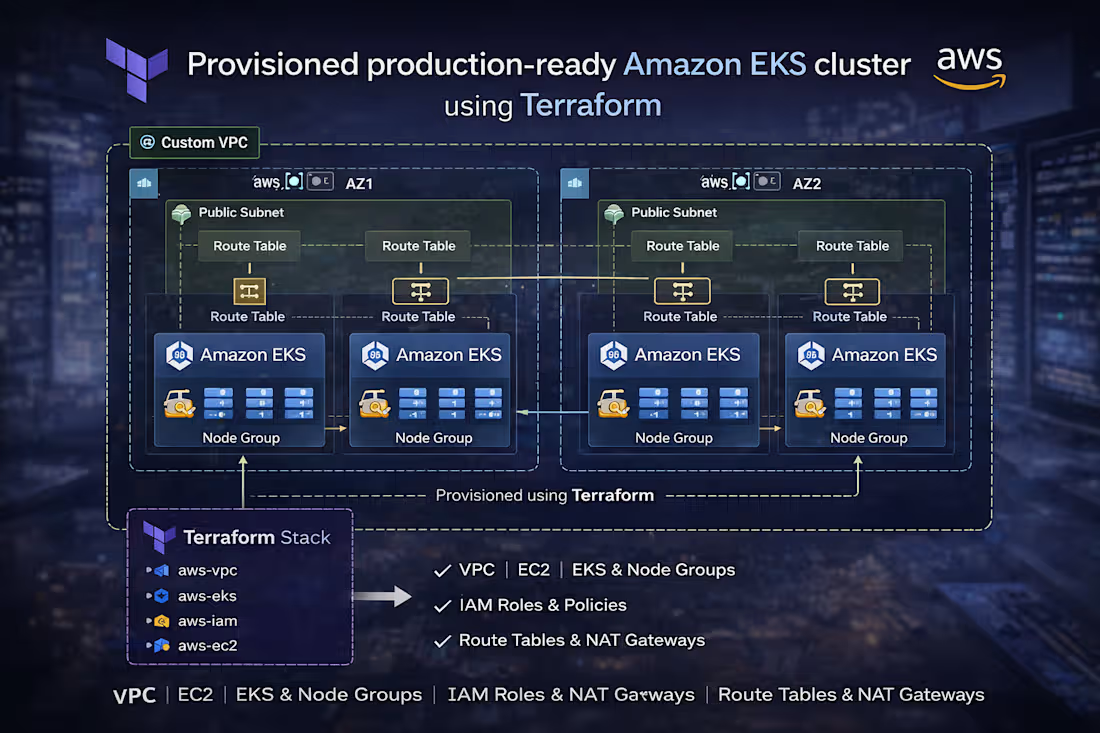
Built a complete, production-style Kubernetes infrastructure on AWS using Terraform — focusing on scalability, modularity, and real-world architecture patterns.
This project goes beyond basic cluster setup. It covers the full infrastructure lifecycle, from networking to managed Kubernetes, designed the way modern cloud environments are actually built.
What was implemented:
• Custom VPC with public & private subnets across availability zones
• Internet Gateway, NAT Gateway, Route Tables for controlled traffic flow
• Security Groups with controlled inbound/outbound rules
• Fully managed Amazon EKS cluster
• Multiple node groups for workload separation
• IAM roles and policies for secure cluster operations
• Modular Terraform structure for reusable infrastructure
Tech stack:
• Terraform (Infrastructure as Code)
• AWS (VPC, EC2, EKS, IAM, Networking)
• Kubernetes (EKS)
Why this matters:
Most beginners deploy apps…
This project focuses on how real infrastructure is designed and automated.
It demonstrates:
• Understanding of cloud networking fundamentals
• Ability to build scalable Kubernetes environments
• Writing structured and maintainable IaC
• Moving from manual setup → automated infrastructure
Outcome:
• Fully reproducible infrastructure
• Clean and modular Terraform code
• Production-like EKS environment setup
If you're working on Kubernetes, cloud infrastructure, or scaling systems — this is the kind of setup used behind the scenes.
📌 Code available on GitHub for full reference.
1
108