
Conrad Alvarez
Fractional RevOps consultant for SaaS CRM & retention
New to Contra
Conrad is ready for their next project!

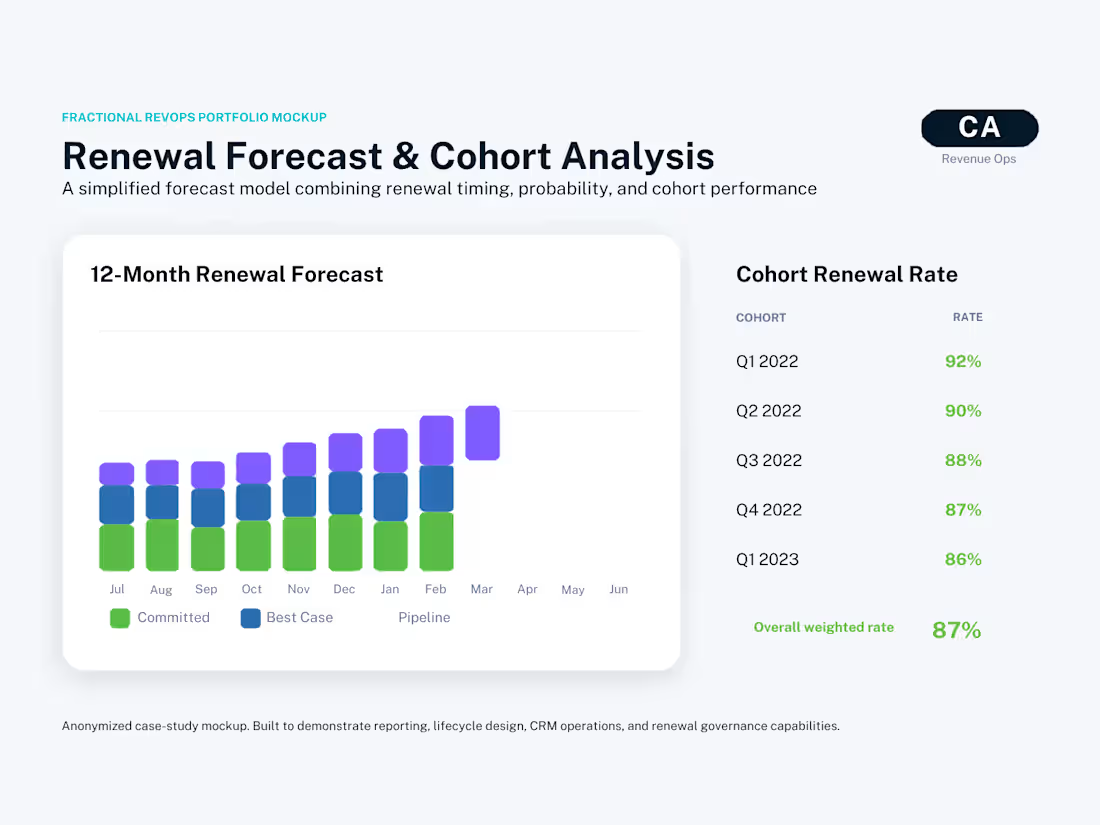
This anonymized RevOps mockup shows a renewal forecasting model that combines timing, probability, pipeline value, and cohort renewal performance. The goal is to help teams understand what revenue is committed, what is likely, what is still pipeline, and where retention trends may need attention.
This type of view supports better renewal planning, leadership reporting, and forecast conversations by making upcoming revenue, customer cohorts, and renewal risk easier to review in one place.
0
37
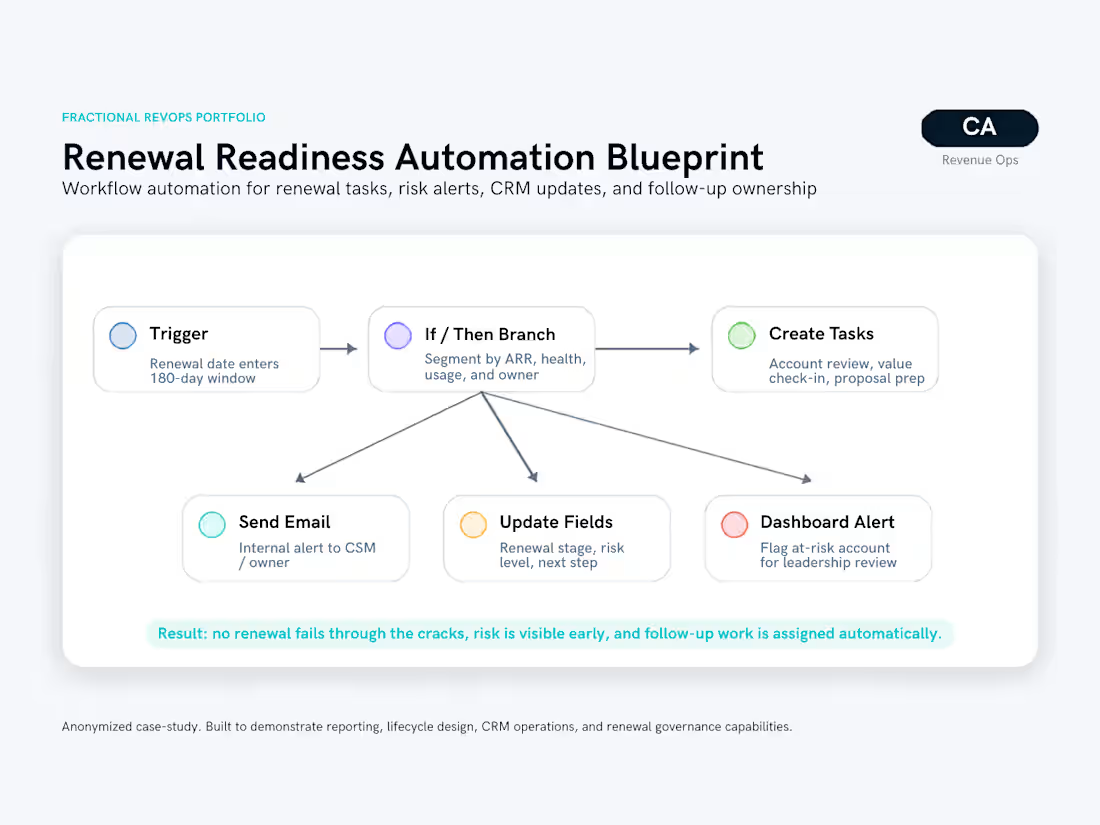
This anonymized RevOps workflow mockup shows how renewal readiness can be operationalized through CRM triggers, task creation, risk alerts, field updates, and follow-up ownership. The goal is to prevent renewals from falling through the cracks by making key actions visible, repeatable, and easier for teams to execute consistently.
0
50
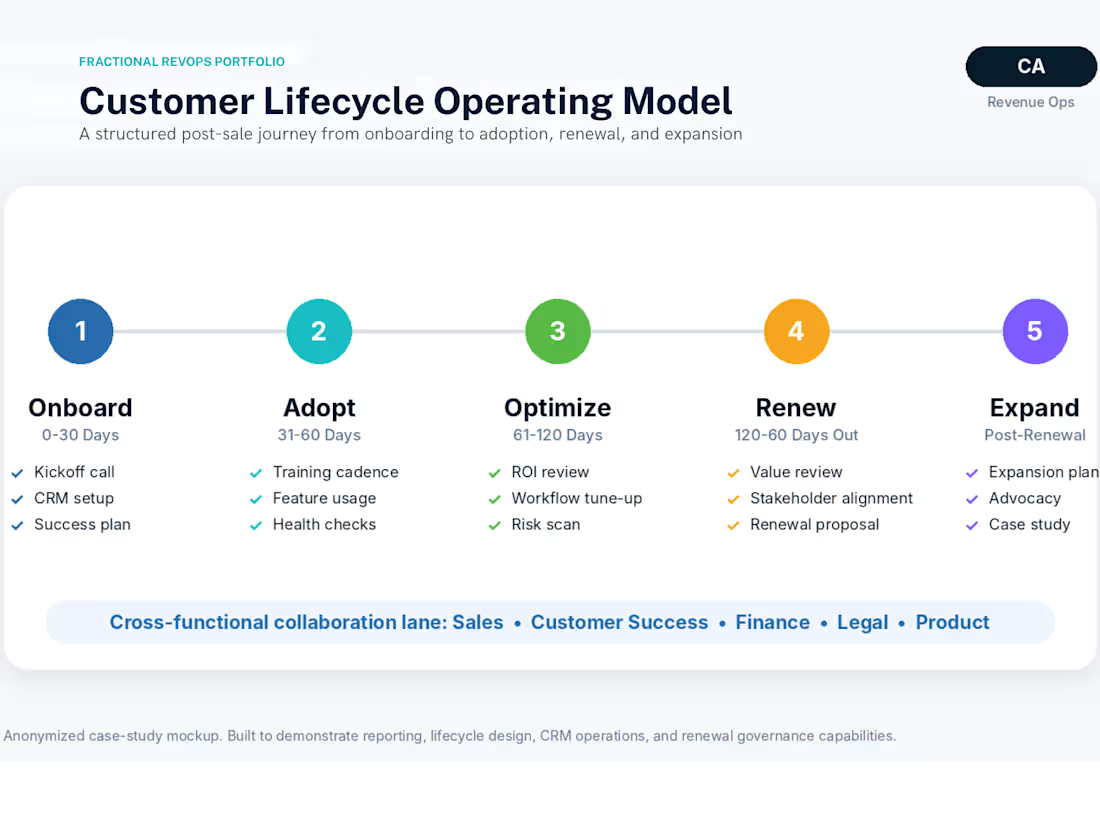
This anonymized Customer Success and RevOps mockup shows a structured post-sale journey from onboarding through adoption, optimization, renewal, and expansion. It demonstrates how I help teams define ownership, improve handoffs, standardize customer touchpoints, and create a clearer operating rhythm across Customer Success, Sales, Finance, Legal, and Product.
1
72
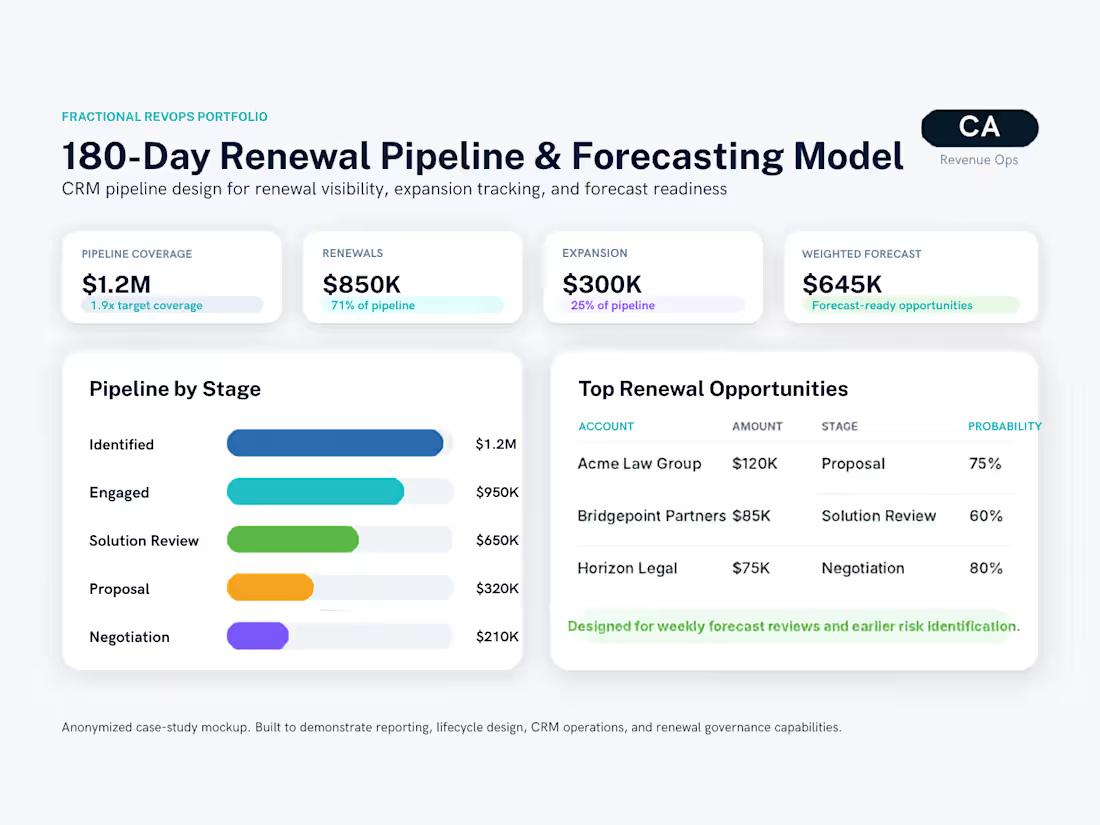
This anonymized RevOps mockup demonstrates a 180-day renewal pipeline model designed to help teams identify upcoming renewals, segment risk, track expansion opportunities, and prepare more accurate forecasts. I use this type of structure to help SaaS and service-based teams move from reactive renewal management to a more predictable, CRM-driven operating cadence.
0
54