The network for creativity
Join 1.25M professional creatives like you
Connect with clients, get discovered, and run your business 100% commission-free
Creatives on Contra have earned over $150M and we are just getting started
Back to feedPost

Why Strategy Comes Before Marketing...
Many businesses believe growth starts with better marketing.
In reality, growth starts with clarity.
Before investing in ads, content, or social media, businesses need answers to a few fundamental questions:
• Who is the ideal customer?
• What problem are we solving?
• Why should customers choose us over competitors?
• What makes our positioning unique?
Without clear answers, even the best marketing campaigns struggle to deliver long-term results.
My approach focuses on building that foundation through:
✔ Brand Strategy
✔ Market Research
✔ Competitive Analysis
✔ Buyer Persona Development
✔ Go-to-Market Strategy
Strong businesses aren't built by guessing—they're built through research, strategy, and informed decisions.
I'm currently building my consulting portfolio by creating independent strategy case studies and sharing practical insights for founders and growing businesses.
What do you think is the biggest strategic challenge startups face before launching?
#BrandStrategy #BusinessStrategy #Startup #MarketResearch #Consulting #GoToMarket #Entrepreneurship
The network for creativity
Join 1.25M professional creatives like you
Connect with clients, get discovered, and run your business 100% commission-free
Creatives on Contra have earned over $150M and we are just getting started


Related posts

If your website doesn't inspire trust, you're losing clients
"Thanks, Sherlock!", I hear you say, "Not that I didn't know that before. Better tell me how to build that trust."
Well, let's start with not ruining what you have in the first place. These are mistakes I've seen legit businesses make:
1. Logos without context
Especially if these are big names. What could do the heavy lifting for you now raises suspicion.
Are these your clients? Partners? Did you take the same elevator as a suspicious communist lady who is often seen together with the CEO of that company and consider yourself related now?
Just add one line explaining your relationship - trust earned.
2. Quantity over quality in testimonials
Some of your clients don't have a LinkedIn or X because... they have a life, I guess. They might have left you amazing reviews, and I understand the desire to show all of them.
But if people cannot google the person who left that review, they might assume this person doesn't exist.
Better have fewer, but verifiable testimonials.
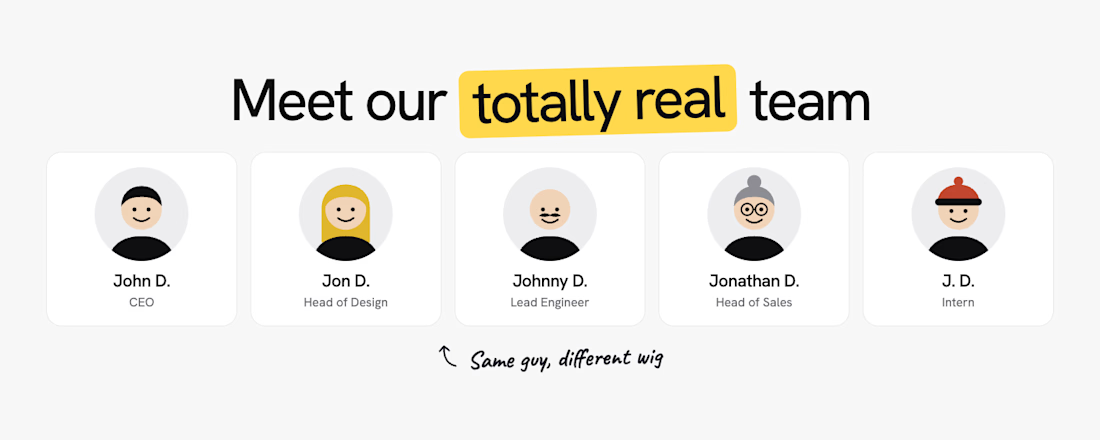
3. Fake team photos
I worked with a legitimate, successful business with a small team. To appear more trustworthy, they decided to add AI-generated team members to their About page.
Please, don't do that. I have astigmatism, myopia and a lazy eye. If I can see it's fake, everyone can.
Tell the truth or just leave that part out - either works.
That’s the “don’t ruin it” part. Do you want to take it to the next level?
I've helped some of the USA's national brands, Silicon Valley companies with their websites, including Grindr, Village Global, Zencastr.

The logos without context point is so true. One line on how you worked together fixes it.

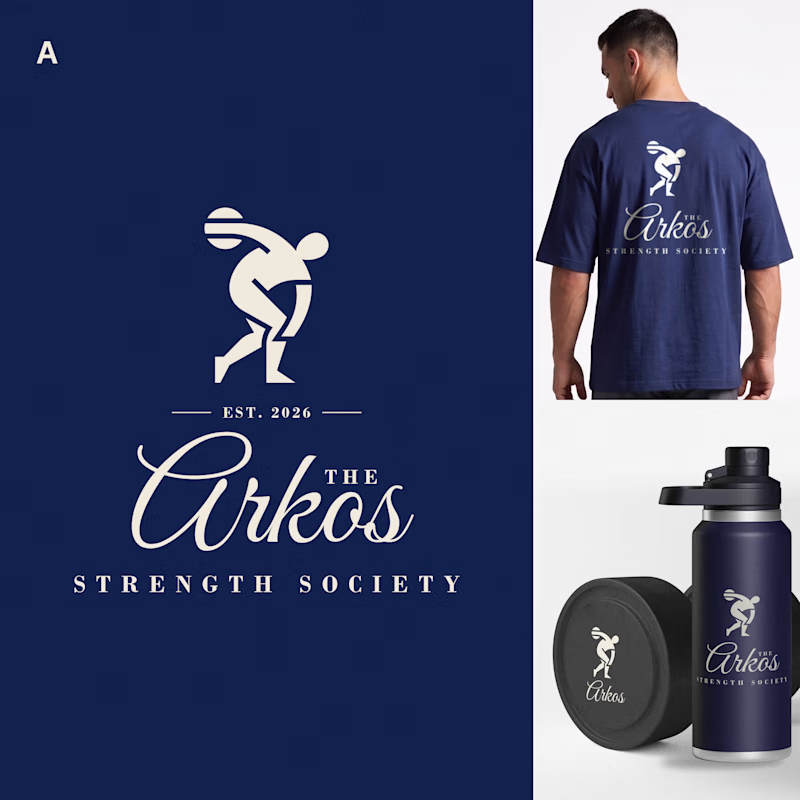
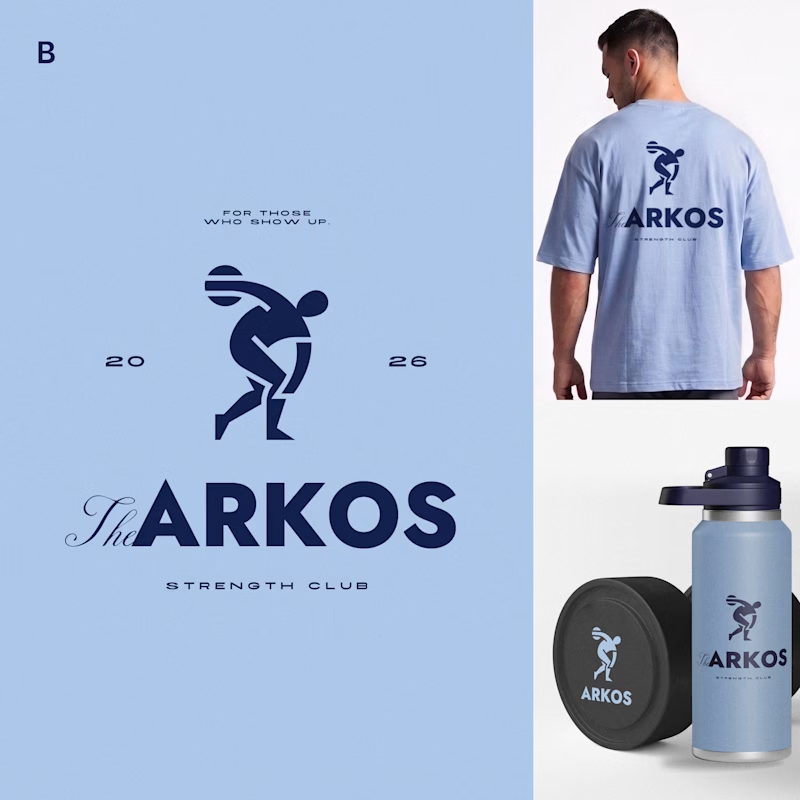
Most gyms follow a pretty similar approach to branding. I wanted to see what a strength club could look like if it drew more inspiration from a private-membership club vibe, since that's really trending right now.
Designed two directions for Arkos using the same mark. A is more refined and traditional, while B takes a bolder, more modern approach.
Which direction would you go with?
11 voted
50%
11 voted
50%
22 votes
Closed

The darker one is the best for me, but both are really good, man

A brand doesn't lose its identity in one big mistake.
Sometimes, it's the small details.
A social media post that feels different from the rest.
A presentation that uses completely different styles.
A business card that doesn't feel connected to the brand.
Each one might look fine on its own, but together, they create an inconsistent experience.
That's why I believe good branding is not just about creating a beautiful logo.
It's about making every touchpoint feel like it belongs to the same brand.
From the first impression to the smallest detail, consistency makes a difference.
And sometimes, the best improvement isn't changing everything. It's making everything work together.
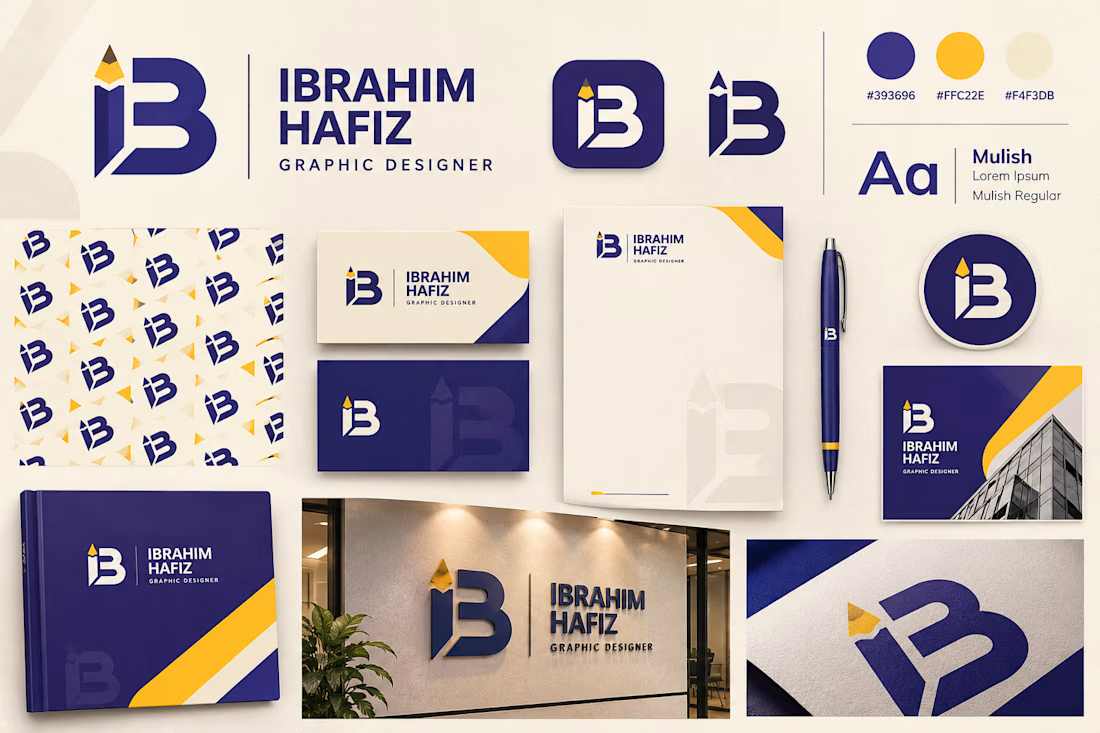


yellow corner accents tie the business card and the signage together nicely, was that the plan from day one?