The network for creativity
Join 1.25M professional creatives like you
Connect with clients, get discovered, and run your business 100% commission-free
Creatives on Contra have earned over $150M and we are just getting started
Back to feedPost

If your website doesn't inspire trust, you're losing clients
"Thanks, Sherlock!", I hear you say, "Not that I didn't know that before. Better tell me how to build that trust."
Well, let's start with not ruining what you have in the first place. These are mistakes I've seen legit businesses make:
1. Logos without context
Especially if these are big names. What could do the heavy lifting for you now raises suspicion.
Are these your clients? Partners? Did you take the same elevator as a suspicious communist lady who is often seen together with the CEO of that company and consider yourself related now?
Just add one line explaining your relationship - trust earned.
2. Quantity over quality in testimonials
Some of your clients don't have a LinkedIn or X because... they have a life, I guess. They might have left you amazing reviews, and I understand the desire to show all of them.
But if people cannot google the person who left that review, they might assume this person doesn't exist.
Better have fewer, but verifiable testimonials.
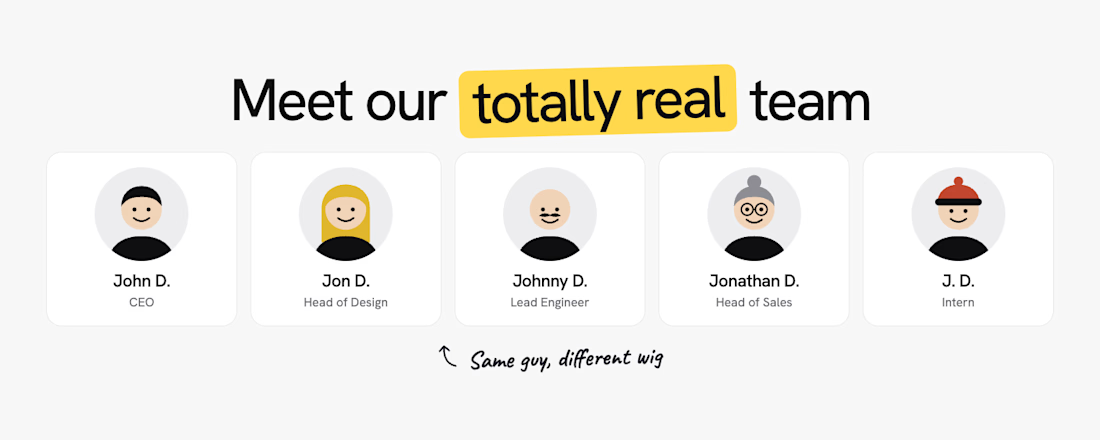
3. Fake team photos
I worked with a legitimate, successful business with a small team. To appear more trustworthy, they decided to add AI-generated team members to their About page.
Please, don't do that. I have astigmatism, myopia and a lazy eye. If I can see it's fake, everyone can.
Tell the truth or just leave that part out - either works.
That’s the “don’t ruin it” part. Do you want to take it to the next level?
I've helped some of the USA's national brands, Silicon Valley companies with their websites, including Grindr, Village Global, Zencastr.
The network for creativity
Join 1.25M professional creatives like you
Connect with clients, get discovered, and run your business 100% commission-free
Creatives on Contra have earned over $150M and we are just getting started




Related posts

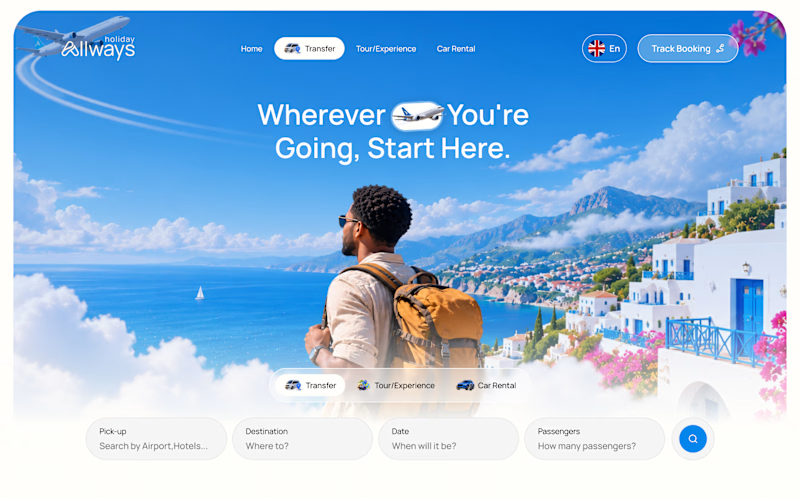
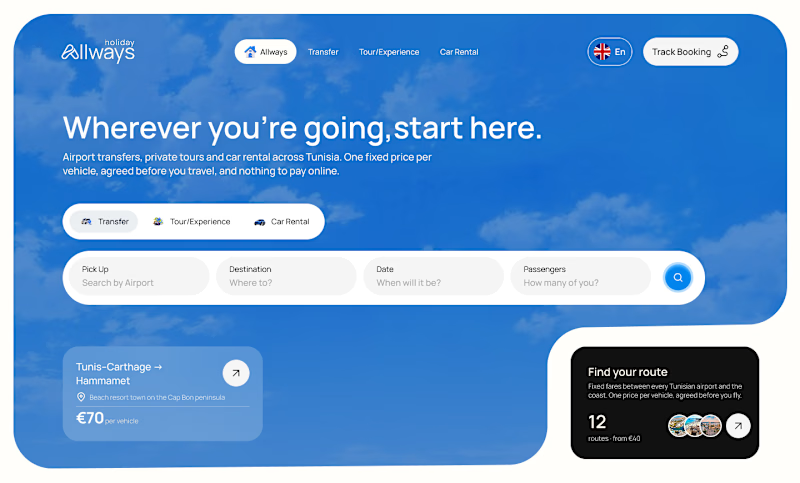
I missed an important detail in th first design direction, and the client rejected it.
After revisiting the feedback, I came up with another directiona nd it got approved
Both designs serve the same product, which one do you think got accepted for a web application?
Direction 1
Direction 2

9 voted
69%
4 voted
31%
13 votes
Closed

Dir 2 for sure!


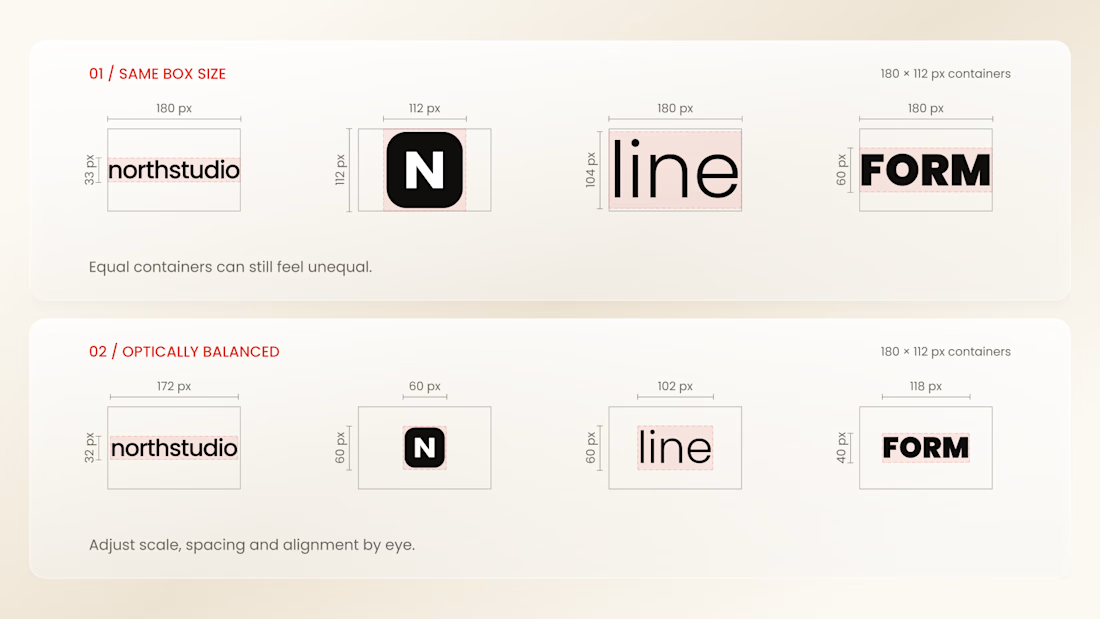
Why do logos look uneven even when they have the same size?
Every logo has a different shape, proportion, and visual weight. A wide wordmark can appear smaller than a compact symbol, while a bold logo may dominate a thinner one - even when their dimensions are technically identical.
That’s why logo sections shouldn’t be aligned by numbers alone.
Adjusting each logo optically, using a consistent visual area, balanced spacing, and a shared baseline helps every brand feel equally represented.
The goal isn’t to make every logo exactly the same size.
It’s to make them feel equally important.
Because visual consistency is based on perception, not just pixels.


Thanks for the information you shared

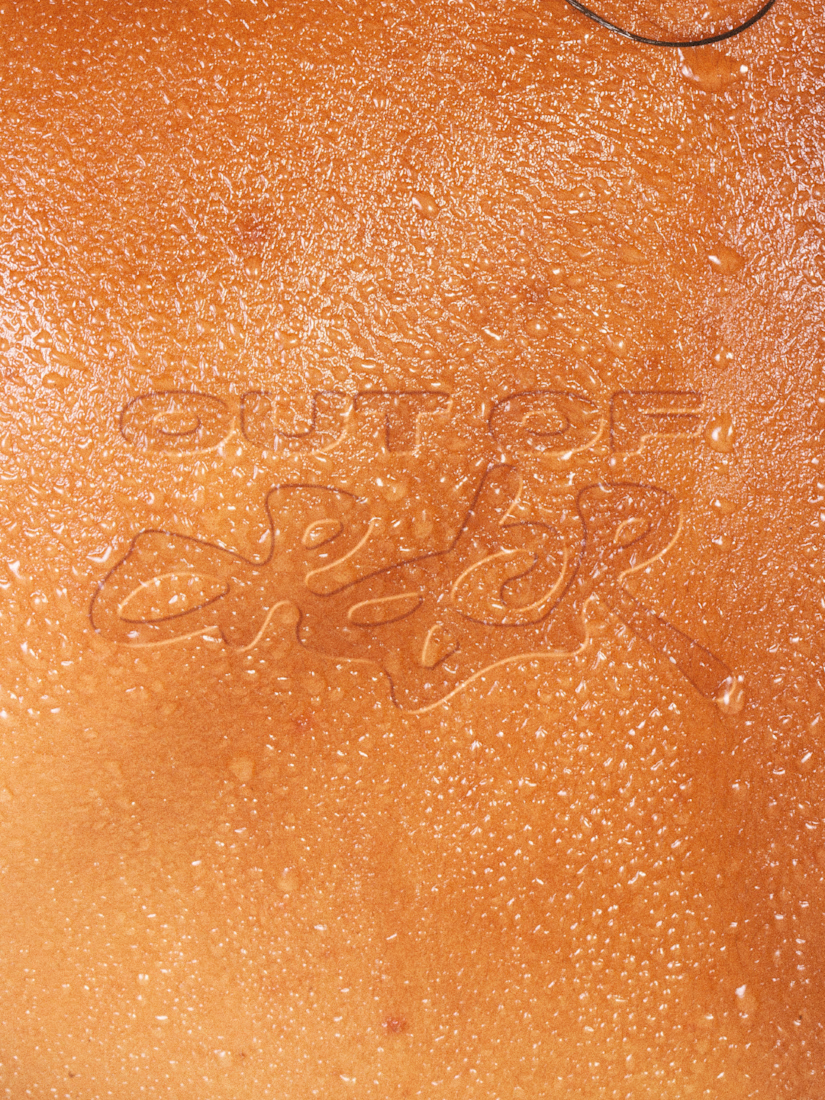
I recently worked on a branding concept for OUT OF ORDER (OOO), a streetwear brand inspired by hip-hop, urban culture and retro aesthetics.
The identity explores the contrast between expressive graffiti-inspired typography and a more refined, high-fashion visual direction.






Love this!