The network for creativity
Join 1.25M professional creatives like you
Connect with clients, get discovered, and run your business 100% commission-free
Creatives on Contra have earned over $150M and we are just getting started
Back to feedPost
Servora — Find trusted help around you.
My submission for the Google Stitch Challenge is Servora, a mobile-first local service marketplace that helps people find, contact, book, and save trusted service providers nearby.
The idea came from a very real problem: when people need a plumber, electrician, cleaner, mechanic, stylist, repairer, or any other service provider, the process is usually scattered across WhatsApp chats, phone contacts, random referrals, screenshots, and memory.
Servora brings that experience into one simple flow.
Users can discover service providers around them, check ratings, view distance and availability, call or WhatsApp directly, send a booking request, and save trusted providers into their personal ServiceBook for future use.
The prototype covers the main product journey:
Sign up / onboarding
Role selection for customer or provider
Location-based service discovery
Service categories
Nearby provider listings
Provider profile
Ratings and reviews
Call / WhatsApp / book actions
Booking request flow
My ServiceBook
Service history and saved providers
Provider dashboard concept
What makes Servora different is that it is not just about finding a service provider once.
It helps users build a personal network of reliable people they can return to anytime.
For this challenge, I used Google Stitch as a core part of my design workflow. I started with the product idea and structure, then used Stitch to turn the concept into a polished mobile interface. I also used the new editing experience to refine screens directly, adjust layouts, improve hierarchy, and explore the flow faster.
I have used Stitch before on other projects, but these new features feel like a big step forward. The ability to edit designs directly and preview the full prototype before building makes the workflow feel much more practical and product-focused.
For me, the biggest value was speed without losing creative control.
Stitch helped me move from idea to interface quickly, but I still had room to shape the product, refine the experience, and make the final result feel intentional.
This challenge was not just about generating screens. It was about testing how fast an idea can become a real product experience.
#stitchchallenge #Stitch #GoogleStitchChallenge #uidesign #uxdesign #productdesign #mobileappdesign #startupideas #servora


Damn this is fire...

Thank you 😊

Wow, Peace, this is such a massive problem space to tackle! Consolidating that scattered mess of fragmented WhatsApp chats, random referrals, and screenshots into a single, cohesive marketplace flow is a brilliant product direction.
Fantastic execution! I also just submitted my...

on.contra.com
Swipe-to-Shop App Transforming Farmers Market Experience
Connect with next-gen talent and tools to get work underway. Hire more independents. Start more projects. Get more creative.
The network for creativity
Join 1.25M professional creatives like you
Connect with clients, get discovered, and run your business 100% commission-free
Creatives on Contra have earned over $150M and we are just getting started
Related posts

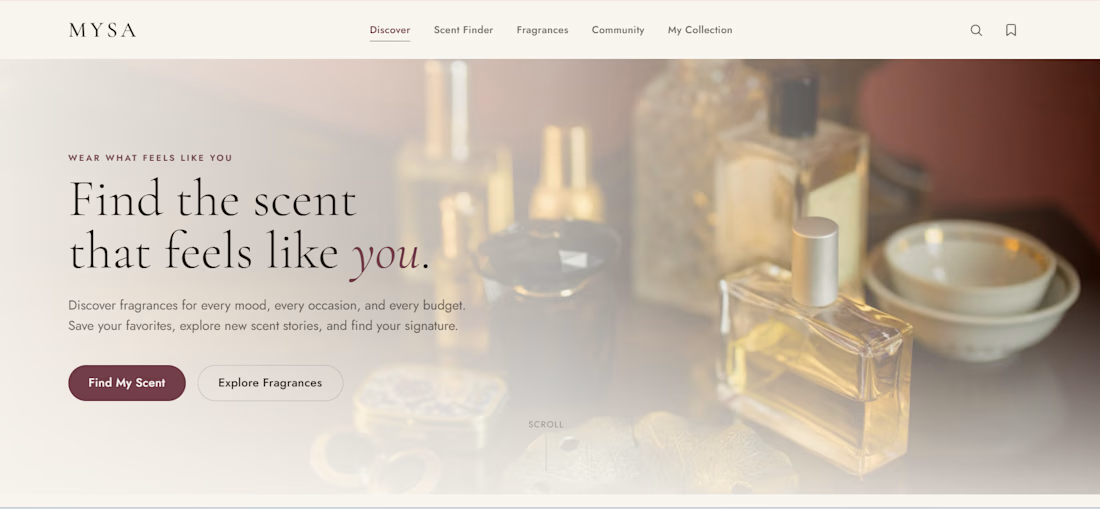
MYSA — A Fragrance Discovery & Social Networking Platform
MYSA is a Pinterest-inspired fragrance discovery platform designed to bring together perfume lovers through creativity, personal expression, and community.
The platform explores the connection between fragrance, personality, and identity through an elegant visual discovery experience.
My Role: Concept Development, UI/UX Design and Frontend Development.
Key Highlights:
Pinterest-inspired fragrance discovery interface.
Visual perfume exploration and curated collections.
Modern, responsive web design.
User-focused navigation and discovery experience.
A foundation for community-driven fragrance sharing.
Tech Stack: React, TypeScript, Tailwind CSS and AI-assisted development using Bolt.new.
Project Vision: To transform fragrance discovery into a more personal, creative, and social experience.
Wear what feels like you.


New here! 👋
I'm George Okochar, a Product Designer with 4 years of experience creating digital experiences for web and mobile.
One project I'm excited to share is PHCWorkHub, a product I worked on spanning over 100 screens.
Working on a project of this scale reinforced something I believe about design: a great interface isn't just about how individual screens look. It's about how everything works together, from navigation and consistency to the overall user experience.
My work focuses on SaaS platforms, dashboards, web applications, and responsive interfaces. I also have a background in frontend development, which helps me bridge the gap between design and implementation.
Looking forward to sharing more of my work, connecting with creatives, and collaborating with teams building great products.
Glad to be here! 🚀

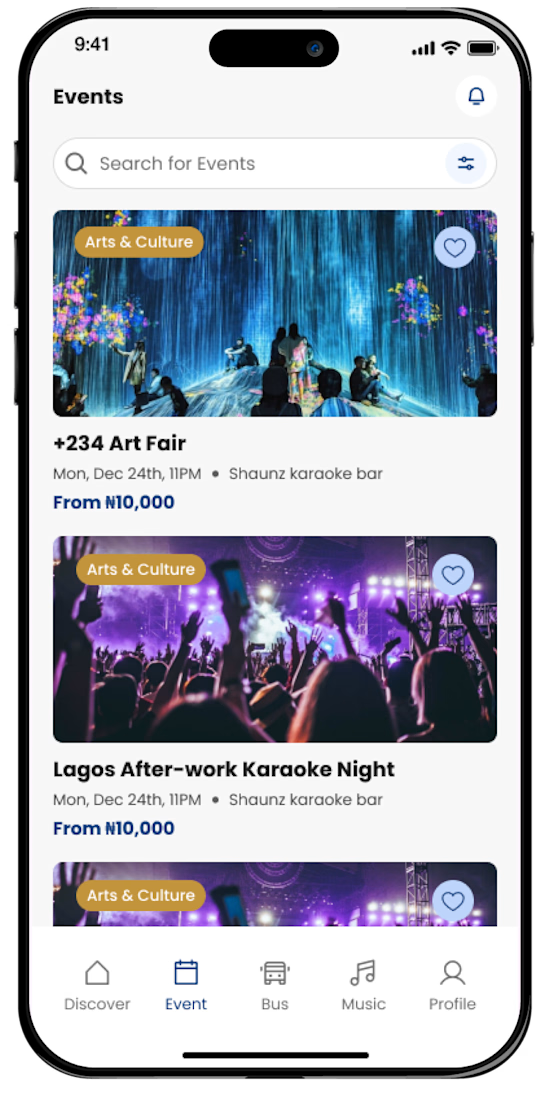
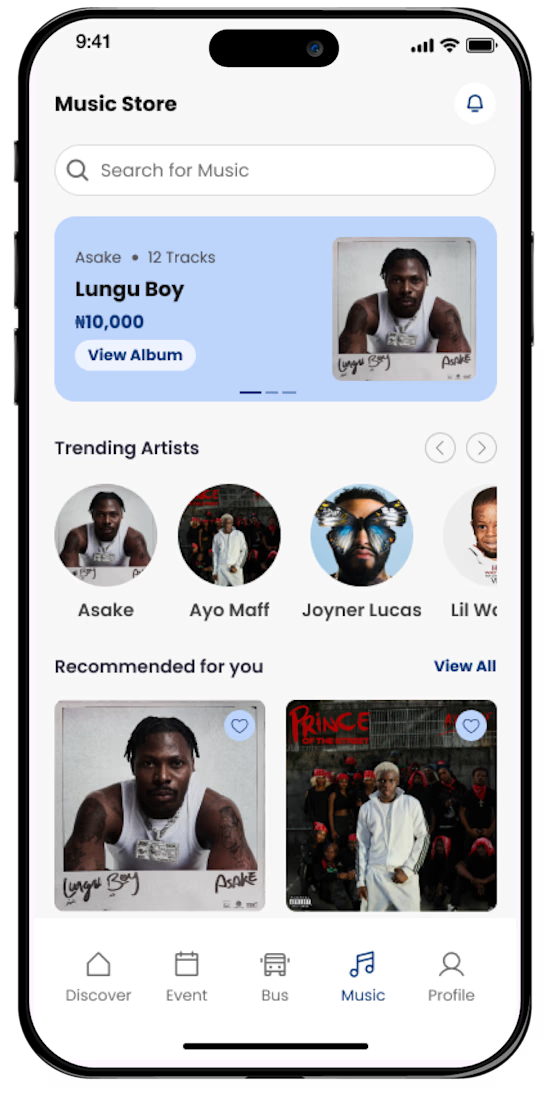

Welcome to Contra, George!

Been Away for a while Building...
Worked on Several projects, firstly as a backend Engineer of an Enterprise OS project that turns product development into real life scenario for average users...
Project was paused due to internal issues 🥲... can't explain much on that.
That did not stop me i moved on to work on a Mobile application for Australian Workers.
PayTracc is the name and i built it on Flutter which is a cross native platform that allows developers to build iOS/ Android Apps easily.
Paytracc is an Australian employee‑focused work and pay‑tracking app that consolidates shifts, timesheets, leave, multiple jobs, and estimated pay into one mobile dashboard. It’s designed for shift workers, people with variable schedules, and anyone who wants a clear, private record of their working life before payday.
When i started the discussion with the founder, on our first meeting i did not get anything he said at all cause i wasn't familiar with Australian work life and how it worked.
It took several meetings of him explaining things to me to get the grasp of it.
I worked hand in hand with the Ui designer to bring the vision to life.
It took me 4 months to work on this project and still minor bugs to fix daily, it's just never ending at the point but i am loving every step.
It's been a great journey and i both suffered and enjoyed every step of the way...
The Android Application was launched and approved Last month, while the IOS has been approved for testing, i am still fixing some bugs before we push for launch.
The journey has been a good one from struggling to know how to setup the awards to finding out about Australian Fairworks commission and how they provide an api for you to connect to and pull all the latest australian awards. Fair works really helped ease my job as previously we are aiming to upload the individual awards on the database and guess what? we have over 5000+ awards, imagine how stressful that would have been.
Thankful to God for the strength and wisdom he gave me to push through the entire project.