The network for creativity
Join 1.25M professional creatives like you
Connect with clients, get discovered, and run your business 100% commission-free
Creatives on Contra have earned over $150M and we are just getting started
Back to feedPost


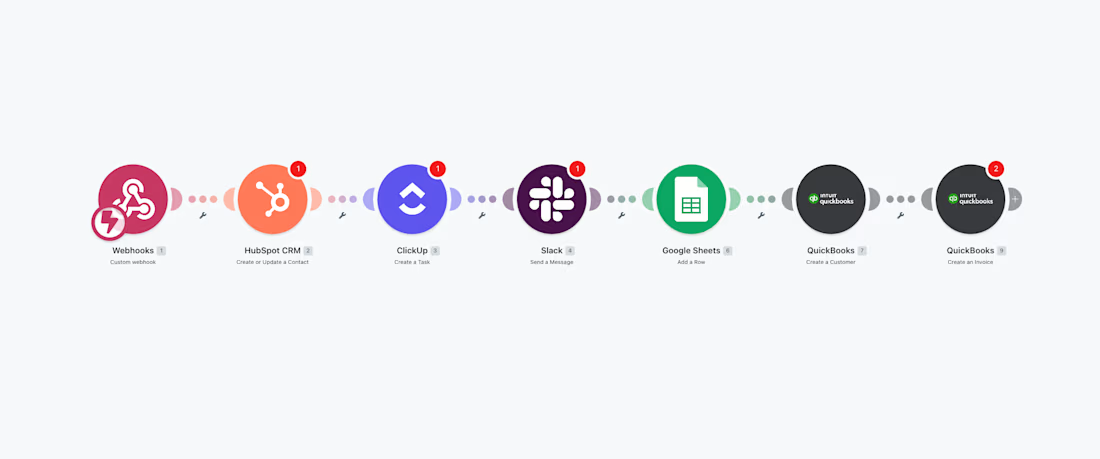
BChanel automated a client onboarding workflow across HubSpot, GHL, ClickUp, QuickBooks, Slack, and Google Sheets so every won deal created the right project, invoice, dashboard update, and team handoff automatically.
Before the project, client onboarding required manual data entry between Sales, Delivery, and Finance. The same client information had to be re-entered across multiple systems, creating slow handoffs, inconsistent visibility, and friction from the first day of the client relationship.
The result was zero manual client onboarding data entry, instant project and invoice creation, and manual handoff steps reduced from 11 to 2.


The network for creativity
Join 1.25M professional creatives like you
Connect with clients, get discovered, and run your business 100% commission-free
Creatives on Contra have earned over $150M and we are just getting started
Related posts

From packed boxes to a shipment the client can track.
This TechFoundry IMS demo reuses box details, retrieves UPS rates, creates shipping labels, and keeps tracking connected to the client order. A practical example of the AI and automation workflows we build into business software.
Watch the client shipping demo:
https://www.youtube.com/watch?v=8ohniU08JAA
#AI #Automation #SoftwareDevelopment #Shipping

I like that the shipment stays tied to the client order instead of living in a separate carrier tab. When box details get edited after the UPS rate is retrieved, does the system re-quote before creating the label, or lock the original rate? I'd be curious how you handle that mismatch on the tracking side.

Yow Island – Tour Management Landing Page
A landing page for an all-in-one platform that helps island resorts and tour operators manage reservations, villa occupancy, activities, team workflows and revenue in one place.
See the full design on Dribbble: https://dribbble.com/shots/27656349-Yow-Island-Tour-Management-Landing-Page


Kajabi Wellness Education Platform Development
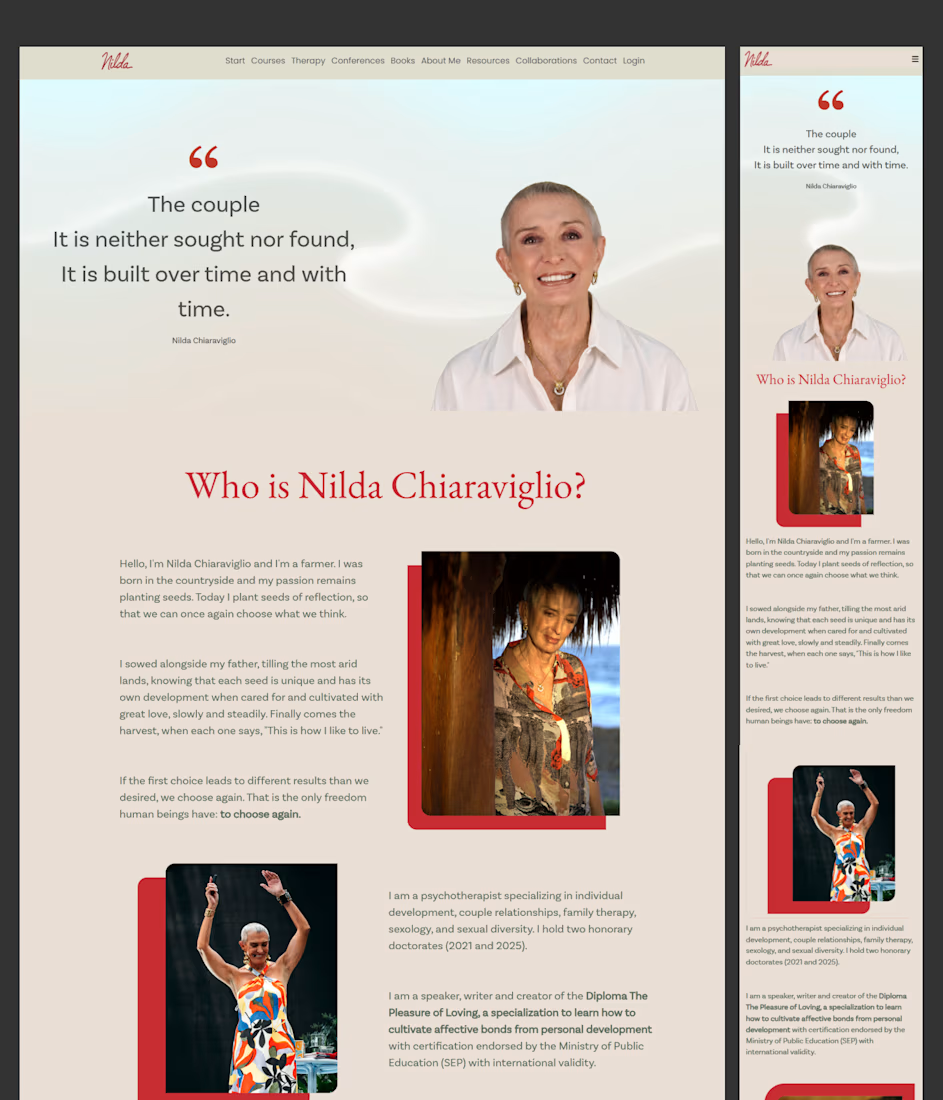
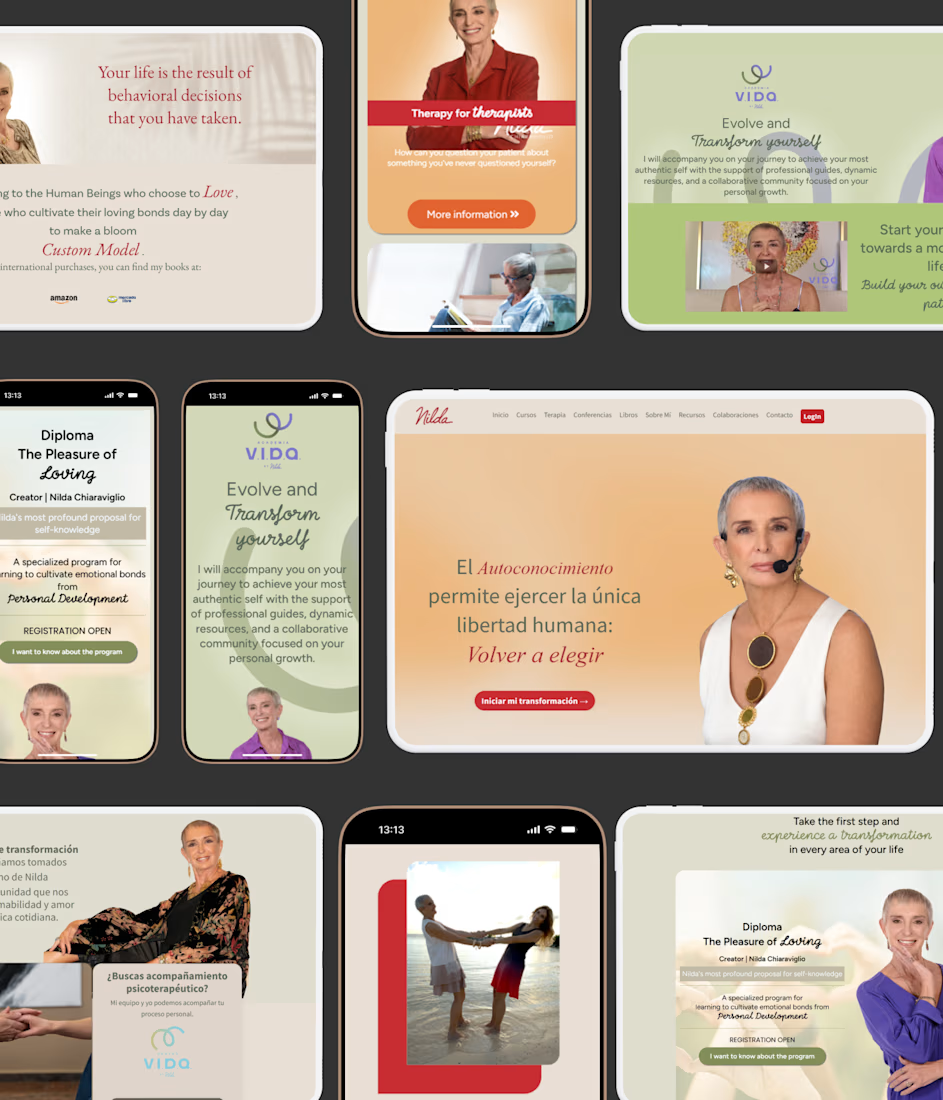
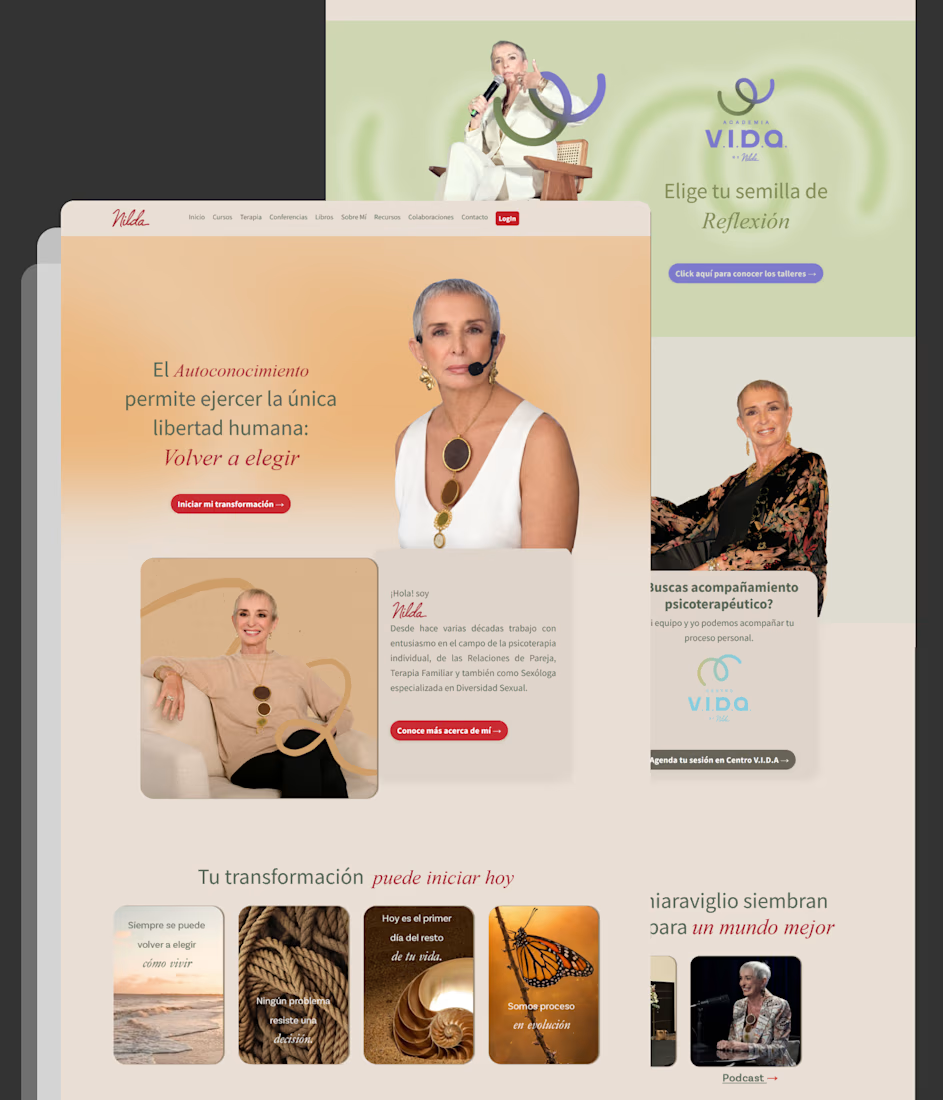
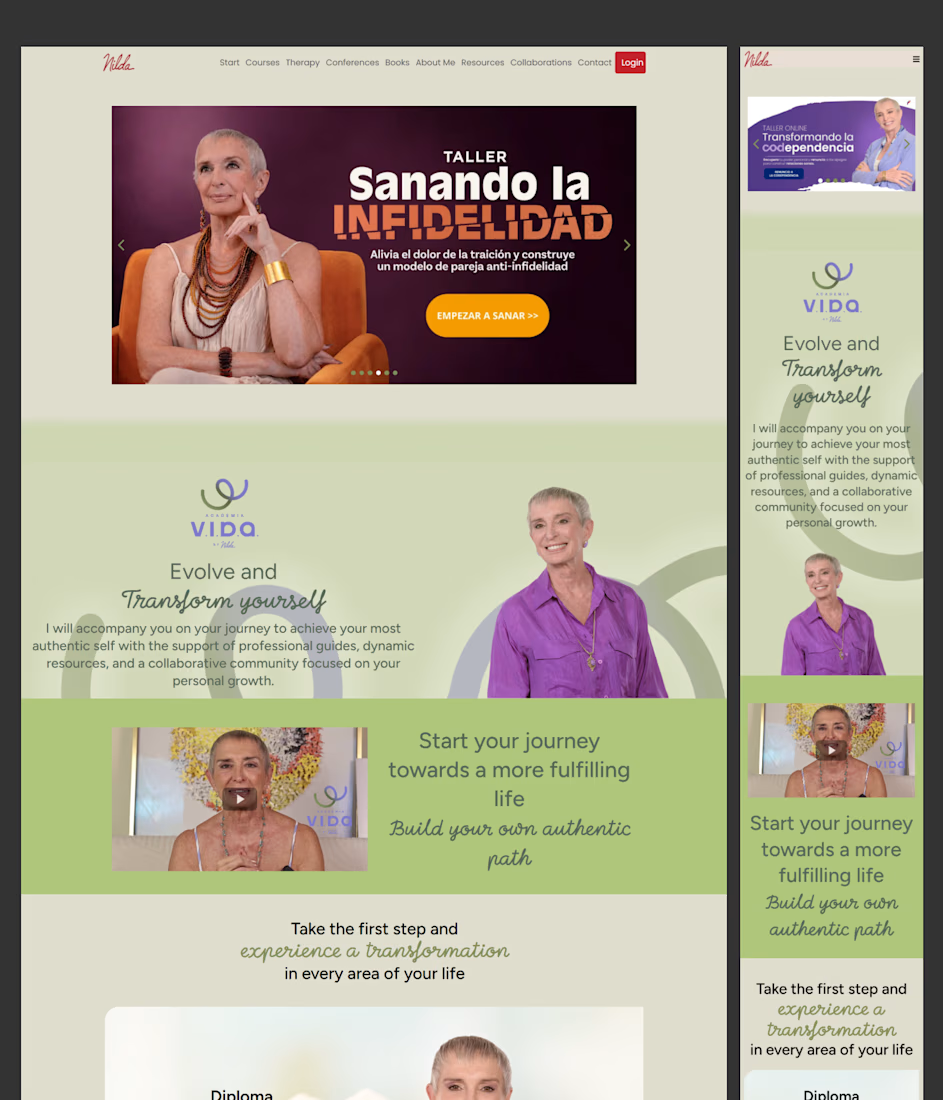
Developed a Kajabi-based wellness education platform for Nilda that combined online learning, CRM integrations, and a structured course ecosystem. The project focused on creating an intuitive educational experience, streamlining user journeys, and supporting long-term engagement through scalable platform architecture and conversion-focused design.



The Kajabi-to-CRM handoff is a useful part of this build to unpack. I’d check that a learner who purchases stops receiving prospect follow-ups and gets the right access message, including when the same email already exists in the CRM. Which system owns that customer-status change here?