The network for creativity
Join 1.25M professional creatives like you
Connect with clients, get discovered, and run your business 100% commission-free
Creatives on Contra have earned over $150M and we are just getting started
Back to feedPost

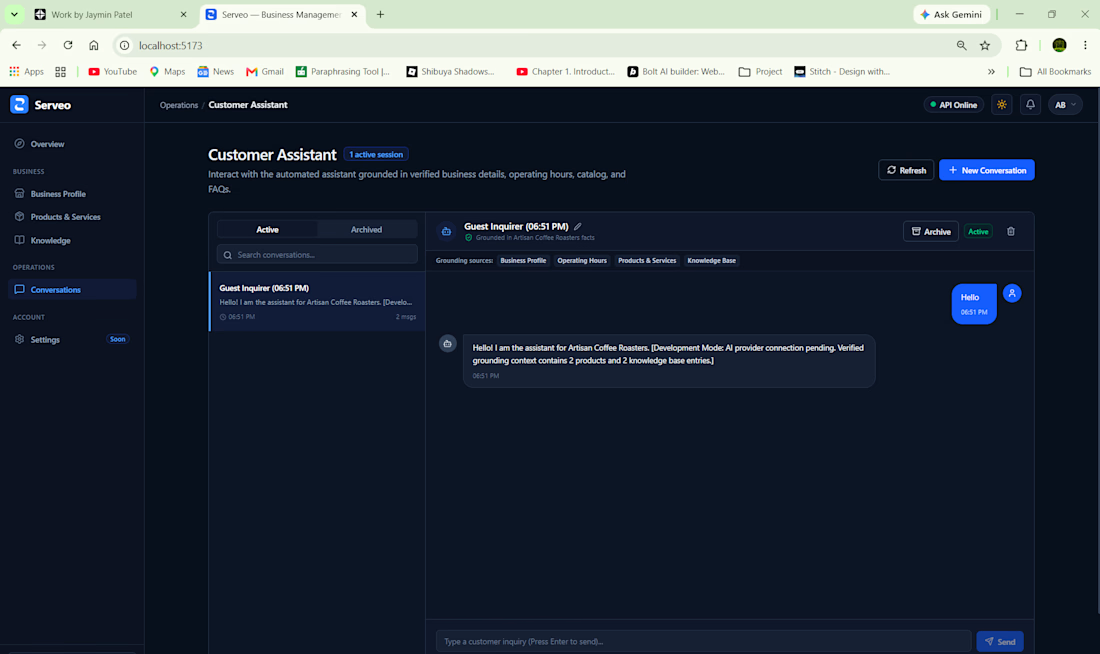
Added The AI which can now understand your needs and suggest you items related to what you need (WIP).
Things are subject to change.
Dot Net Backend DevelopmentFrontend DevelopmentReact Native DevelopmentGoogle AntigravityVisual Studio Code


The network for creativity
Join 1.25M professional creatives like you
Connect with clients, get discovered, and run your business 100% commission-free
Creatives on Contra have earned over $150M and we are just getting started



Related posts

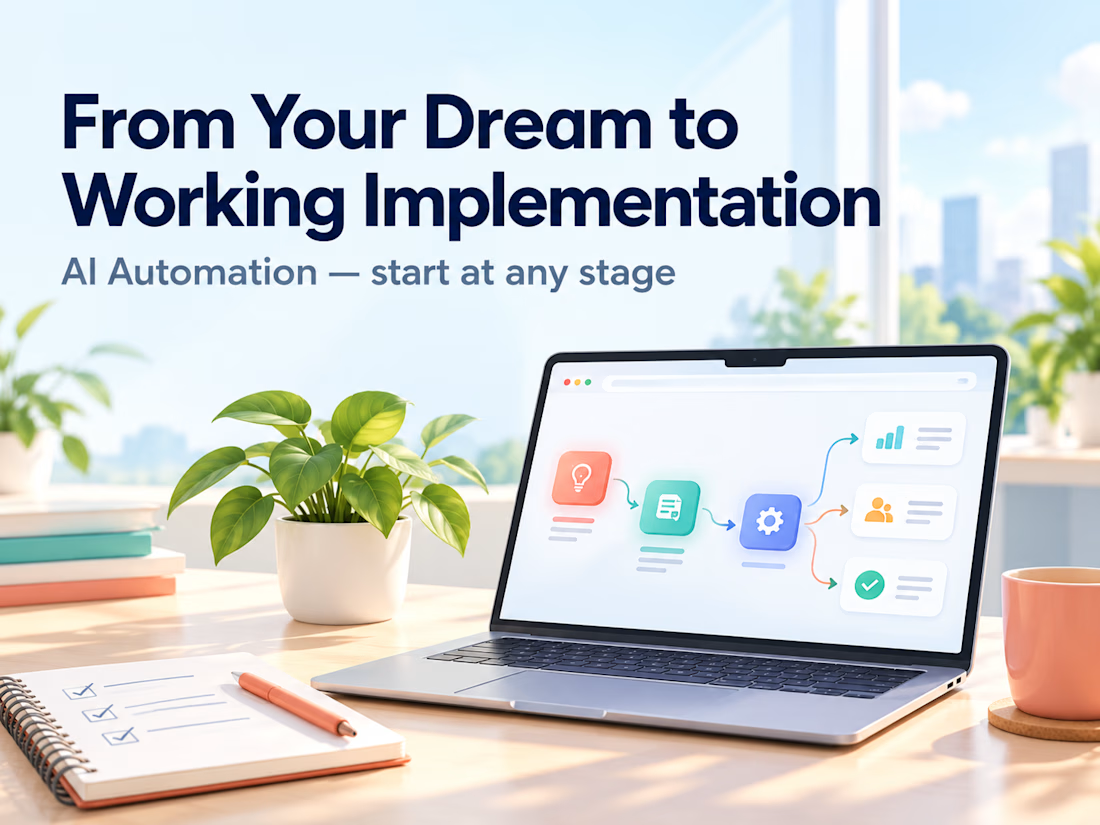
Clients often start with the same request: "Let's build an AI agent."
My counter-question is always: which manual process actually costs you time, errors, or money right now?
My selection rule: remove it first. If it can't be removed, simplify it. If it's still needed, automate it with a plain script. Only then add an integration or an agent. Often the best result is the process that no longer exists.
Safe automation means real scenarios, error handling, and alerts. Without alerts, a workflow can silently lose data for weeks. I always define what stays with a human and what goes to the system.
Question for you: which process would you automate first, and why is it still manual?
Service for audit and implementation: https://contra.com/s/BmWLbgFU-ai-automation-from-your-dream-to-working-implementation?r=auto_booster



We've started using WebMCP at Devowise Studios, and it's an interesting step towards making websites more AI-friendly.
WebMCP allows websites to expose their tools and actions so AI agents can interact with them more directly, rather than relying entirely on traditional browser automation.
Think about AI agents that can search products, check availability, book appointments, and interact with website features.
We're exploring how to bring this technology into the web experiences and AI-powered solutions we build for our clients.
The way people interact with websites is changing, and we're excited to be part of it.




redesign my portfolio with better layout and spacing
check out live link https://himanshudocs.online/
