The network for creativity
Join 1.25M professional creatives like you
Connect with clients, get discovered, and run your business 100% commission-free
Creatives on Contra have earned over $150M and we are just getting started
Back to feedPost

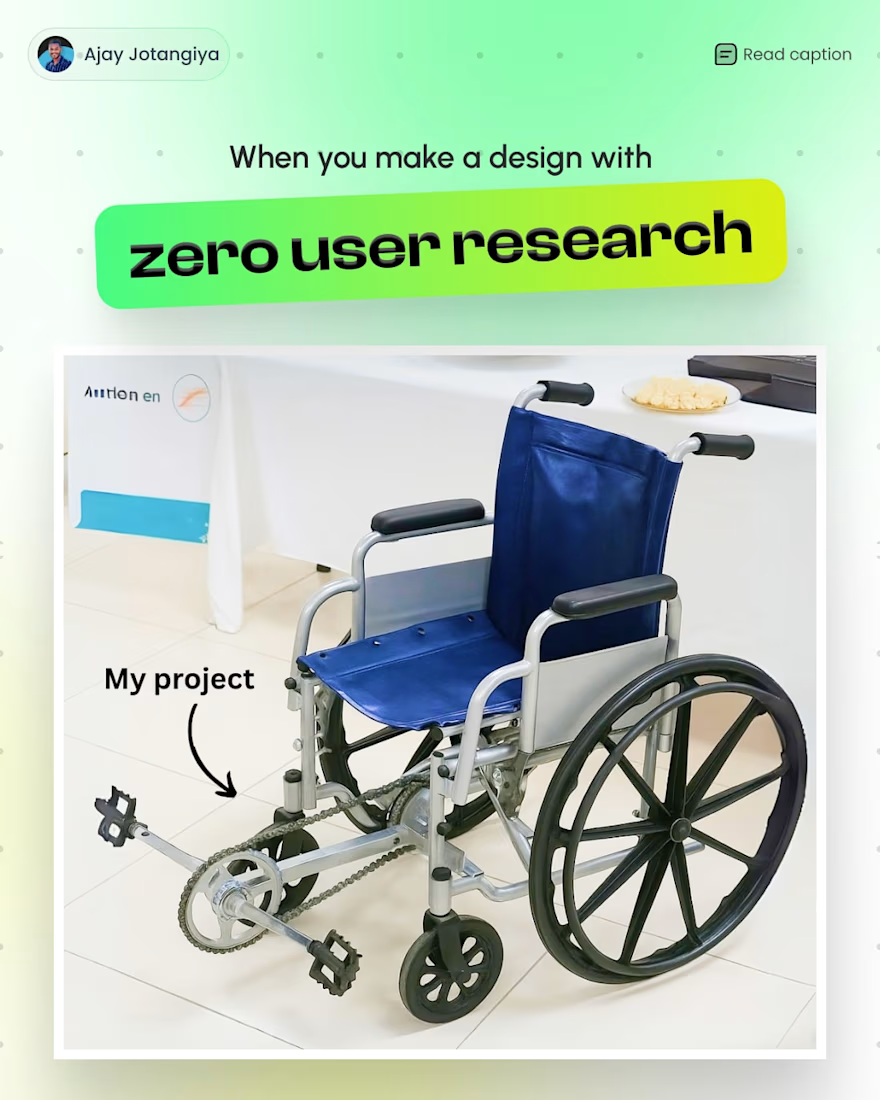
𝗪𝗵𝗲𝗻 𝘆𝗼𝘂 𝗺𝗮𝗸𝗲 𝗮 𝗱𝗲𝘀𝗶𝗴𝗻 𝗮𝗻𝗱 𝗼𝗻𝗹𝘆 𝗿𝗲𝗮𝗹𝗶𝘇𝗲 𝗹𝗮𝘁𝗲𝗿 𝘁𝗵𝗮𝘁 𝘂𝘀𝗲𝗿 𝗿𝗲𝘀𝗲𝗮𝗿𝗰𝗵 𝗺𝗮𝘁𝘁𝗲𝗿𝗲𝗱.
✅ The screen might look polished.
✅ The layout might be aligned.
✅ The components might be consistent.
But none of that guarantees the product actually works for real users.
𝗪𝗵𝗮𝘁 𝗵𝗮𝗽𝗽𝗲𝗻𝘀 𝘄𝗵𝗲𝗻 𝗱𝗲𝘀𝗶𝗴𝗻 𝘀𝘁𝗮𝗿𝘁𝘀 𝗯𝗲𝗳𝗼𝗿𝗲 𝘂𝗻𝗱𝗲𝗿𝘀𝘁𝗮𝗻𝗱𝗶𝗻𝗴:
▪️ The flow makes sense to the designer, not to the user
▪️ People take unexpected paths and get stuck
▪️ Simple tasks feel heavier than they should
▪️ Support complaints increase
▪️ Users drop off silently
Then comes the expensive part: rework, confusion, and fixing what could have been avoided.
𝗧𝗵𝗲 𝗰𝗼𝘀𝘁 𝗼𝗳 𝘀𝗸𝗶𝗽𝗽𝗶𝗻𝗴 𝗿𝗲𝘀𝗲𝗮𝗿𝗰𝗵:
🙁 More redesign time later
🙁 Decisions guided by opinions, not data
🙁 Extra meetings and debates
🙁 Delayed release timelines
🙁 Loss of user trust, even if the UI looks perfect
𝗖𝗼𝗿𝗲 𝘁𝗿𝘂𝘁𝗵:
UI is what users see.
UX is what they feel when they try to get something done.
And you can’t design feelings without understanding the people behind them.
𝗦𝗼 𝘁𝗵𝗲 𝗿𝗲𝗮𝗹 𝗾𝘂𝗲𝘀𝘁𝗶𝗼𝗻 𝗶𝘀:
Is the design good for the user?
If you don’t know the user, the answer is clear.
🧭 Research first.
🎯 Design second.
🛠️ Refine continuously.
The network for creativity
Join 1.25M professional creatives like you
Connect with clients, get discovered, and run your business 100% commission-free
Creatives on Contra have earned over $150M and we are just getting started
Related posts


This challenge is a special one.
If I go on to win, it'd be seed funding for my product.
Hi, I’m Supreet. I’ve been building CSTMR (Customer), an agentic commerce solution designed to simplify online shopping by reducing effort, saving money and improving decision-making.
But I was hating what I was building
Not because the idea was bad or I didn’t want to continue, but because I underestimated how much UI design affects my own confidence.
I started using @Mobbin more intentionally to study winning products. That helped me see the gaps clearly and pushed me to take design more seriously.
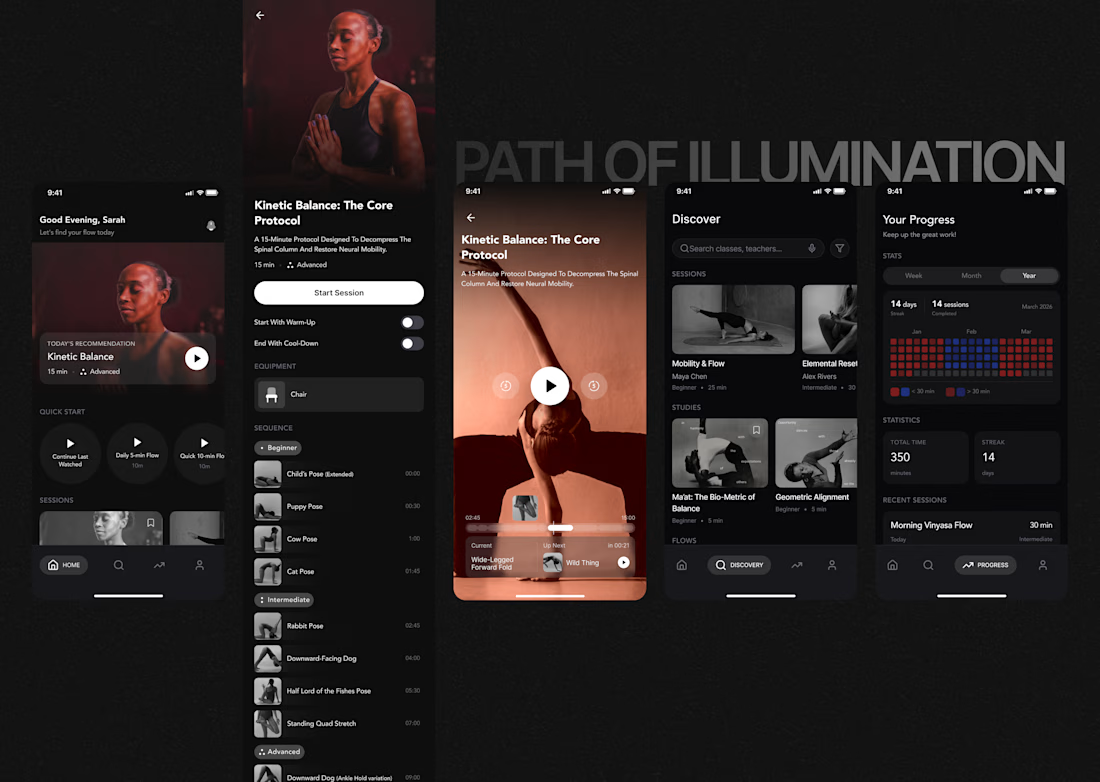
I selected GO Club because of its immersive UI & because its core color matched the one I have on my Contra.




Customer is something I have been working on for months, the moment @Ben Huffman and team announced that Contra is now ready for Agent Commerce, I knew I had found a solid POC for my idea.

I used Mobbin to study fitness flows, then translated those patterns in Figma and Webflow.
Mobbin Research → Figma → Webflow.
The result is a platform where Kemetic geometry meets modern movement.
Check it out: https://heka-yoga-presentation.webflow.io/
Find the Figma Prototype here: Figma Prototype


Impressive looks





Stunning!
















Trending


Figma Make
Go from idea to prototype in minutes. What are you designing?
brandguidelines
Brand guidelines are becoming living systems, not static documents. What are you building for your clients?
aivideo
AI video tools are moving at warp speed. Which ones are you experimenting with?
illustration
Handcrafted illustration is bubbling up across the web. What are you drawing lately?
freelancerlife
Freelancer life is wins, pivots, and everything in between. What’s yours right now?