The network for creativity
Join 1.25M professional creatives like you
Connect with clients, get discovered, and run your business 100% commission-free
Creatives on Contra have earned over $150M and we are just getting started
Back to feedPost

OpenAI Lands on Google Cloud, PyTorch Goes Native on TPUs and Stablecoins Get Their Rulebook
1Day Agency Tech Brief · October 21, 2026
The walls between AI platforms came down a little more today. OpenAI's models are heading to Google Cloud, Google and Meta made PyTorch a first-class citizen on TPUs, and a diffusion model challenged the "one token at a time" status quo. Meanwhile, ransomware crews kept walking through VPN doors, and US regulators finalized the rulebook for stablecoins. Here's what mattered.
—
1. OpenAI's models are coming to Google Cloud
What happened: OpenAI said its models will be available to developers through Google Cloud, bringing GPT products to Google's model garden and its Antigravity coding tool in the coming weeks. That puts OpenAI on all three top US clouds. Amazon started hosting OpenAI models in April, right after Microsoft's exclusive license ended. Google's cloud revenue growth accelerated to about 82% in the second quarter.
Why it matters: Model choice is no longer tied to your cloud contract. Teams can mix OpenAI, Gemini and others on the infrastructure they already pay for.
Source: CNBC (https://www.cnbc.com/2026/10/21/openai-bring-its-ai-models-to-googles-cloud-expands-beyond-microsoft.html)
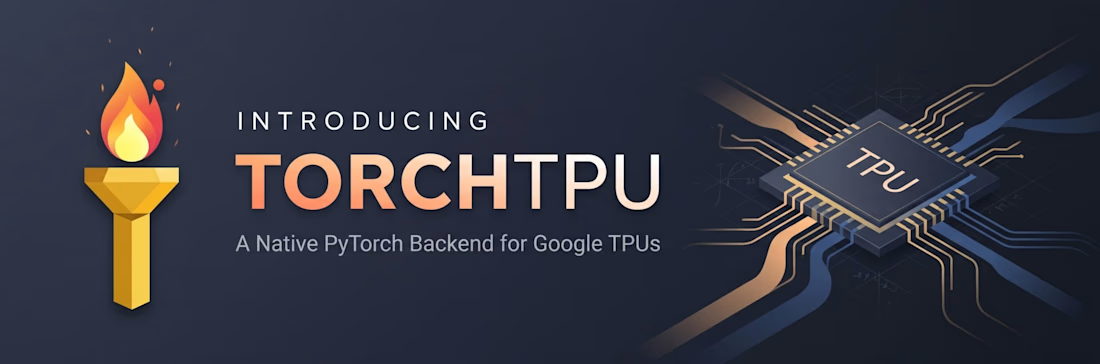
2. TorchTPU goes open source: native PyTorch on Google TPUs
What happened: At PyTorch Conference 2026, Google open-sourced TorchTPU, a native PyTorch backend for its TPUs built together with Meta's PyTorch team. Existing code runs with minimal changes, often just switching .to("cuda") to .to("tpu"). It supports eager mode for debugging and torch.compile for production speed, covers about 450 core ATen ops, and was validated on the 5,000 most-downloaded Hugging Face models. It plugs into vLLM, SGLang, TorchTitan, Ray and Hugging Face.
Why it matters: Less GPU lock-in. If your stack is PyTorch, TPUs are now a realistic price-and-capacity alternative without a rewrite.
Sources: Google Cloud Blog (https://cloud.google.com/blog/topics/ai-infrastructure/torchtpu-is-now-open-source-run-native-pytorch-on-tpus) · PyTorch (https://pytorch.org/blog/introducing-torchtpu/)
3. Inception's Mercury 3 bets on diffusion for speed
What happened: Inception released Mercury 3, a diffusion language model that drafts the whole answer at once and refines it in parallel instead of writing token by token. In the company's own benchmarks it beat GPT-6 Luna and Claude Haiku 5.5 on 8 of 12 tests at four to eight times their speed, clocking 1,068 tokens per second. It has a 1M-token context and lists at $0.20 per million input tokens and $0.70 per million output, halved during a launch promotion. It works through OpenAI-style APIs with minor changes. No outside group has published results yet.
Why it matters: For real-time products like voice, tutoring or search, latency is the user experience. A one-second answer feels instant; a five-second answer feels broken.
Source: SiliconANGLE (https://siliconangle.com/2026/10/20/inception-says-mercury-3-beats-gpt-6-luna-and-claude-haiku-5-5-at-up-to-8x-the-speed/)
4. Ransomware gangs use a Palo Alto VPN flaw to skip MFA
What happened: Palo Alto Networks' Unit 42 says the Qilin and INC ransomware groups are exploiting CVE-2026-0257, an authentication bypass in PAN-OS GlobalProtect that was patched in May. Attackers use it to get past MFA and open VPN sessions, then move laterally over RDP and SMB. In one case they pivoted straight to vCenter, disabled ESXi protections and dumped credentials from a domain controller's virtual disk, sidestepping endpoint security. Veeam backup servers were also targeted.
Why it matters: A patch from May still matters in October. Unpatched edge devices are the front door, and backups and hypervisors are the next stop.
Sources: The Hacker News (https://thehackernews.com/2026/10/qilin-and-inc-ransomware-groups-exploit.html) · Unit 42 (https://unit42.paloaltonetworks.com/active-exploitation-of-pan-os-cve-2026-0257/)
5. US regulator finalizes stablecoin rules under the GENIUS Act
What happened: The Office of the Comptroller of the Currency issued its final rule implementing the GENIUS Act. It sets requirements for payment stablecoin issuers and foreign issuers under its jurisdiction, including reserve backing, redemption and risk management, plus rules for custody by OCC-supervised banks. Anti-money-laundering and sanctions rules will come separately with the Treasury. The rule and the act take effect January 18, 2027, and the OCC will announce later when it starts accepting issuer applications.
Why it matters: Stablecoins now have a clear federal playbook. Fintechs and Web3 products that move money can plan around real rules instead of guesswork.
Source: OCC (https://occ.gov/news-issuances/news-releases/2026/nr-occ-2026-92.html)
—
𝘖𝘶𝘳 𝘵𝘢𝘬𝘦 — 1𝘋𝘢𝘺 𝘈𝘨𝘦𝘯𝘤𝘺
𝘓𝘰𝘤𝘬-𝘪𝘯 𝘪𝘴 𝘣𝘳𝘦𝘢𝘬𝘪𝘯𝘨, 𝘢𝘯𝘥 𝘵𝘩𝘢𝘵'𝘴 𝘨𝘳𝘦𝘢𝘵 𝘯𝘦𝘸𝘴 𝘧𝘰𝘳 𝘢𝘯𝘺𝘰𝘯𝘦 𝘣𝘶𝘪𝘭𝘥𝘪𝘯𝘨 𝘴𝘰𝘧𝘵𝘸𝘢𝘳𝘦.
𝘛𝘰𝘥𝘢𝘺, 𝘵𝘩𝘦 𝘣𝘦𝘴𝘵 𝘮𝘰𝘥𝘦𝘭, 𝘵𝘩𝘦 𝘣𝘦𝘴𝘵 𝘤𝘩𝘪𝘱 𝘢𝘯𝘥 𝘵𝘩𝘦 𝘣𝘦𝘴𝘵 𝘤𝘭𝘰𝘶𝘥 𝘴𝘵𝘰𝘱𝘱𝘦𝘥 𝘣𝘦𝘪𝘯𝘨 𝘢 𝘱𝘢𝘤𝘬𝘢𝘨𝘦 𝘥𝘦𝘢𝘭. 𝘖𝘱𝘦𝘯𝘈𝘐 𝘳𝘶𝘯𝘴 𝘰𝘯 𝘎𝘰𝘰𝘨𝘭𝘦, 𝘗𝘺𝘛𝘰𝘳𝘤𝘩 𝘳𝘶𝘯𝘴 𝘰𝘯 𝘛𝘗𝘜𝘴, 𝘢𝘯𝘥 𝘢 𝘯𝘦𝘸 𝘮𝘰𝘥𝘦𝘭 𝘸𝘪𝘯𝘴 𝘰𝘯 𝘴𝘱𝘦𝘦𝘥 𝘪𝘯𝘴𝘵𝘦𝘢𝘥 𝘰𝘧 𝘴𝘪𝘻𝘦. 𝘛𝘩𝘦 𝘸𝘪𝘯𝘯𝘦𝘳𝘴 𝘸𝘪𝘭𝘭 𝘣𝘦 𝘵𝘦𝘢𝘮𝘴 𝘵𝘩𝘢𝘵 𝘤𝘢𝘯 𝘴𝘸𝘢𝘱 𝘱𝘳𝘰𝘷𝘪𝘥𝘦𝘳𝘴 𝘸𝘪𝘵𝘩𝘰𝘶𝘵 𝘳𝘦𝘸𝘳𝘪𝘵𝘪𝘯𝘨 𝘵𝘩𝘦𝘪𝘳 𝘱𝘳𝘰𝘥𝘶𝘤𝘵.
𝘛𝘩𝘢𝘵'𝘴 𝘩𝘰𝘸 𝘸𝘦 𝘣𝘶𝘪𝘭𝘥 𝘠𝘷𝘪𝘰𝘯: 𝘌𝘙𝘗, 𝘊𝘙𝘔 𝘢𝘯𝘥 𝘶𝘴𝘦𝘳 𝘮𝘰𝘯𝘪𝘵𝘰𝘳𝘪𝘯𝘨 𝘣𝘦𝘩𝘪𝘯𝘥 𝘰𝘯𝘦 𝘤𝘭𝘦𝘢𝘯 𝘈𝘐 𝘭𝘢𝘺𝘦𝘳, 𝘴𝘰 𝘵𝘩𝘦 𝘮𝘰𝘥𝘦𝘭 𝘶𝘯𝘥𝘦𝘳𝘯𝘦𝘢𝘵𝘩 𝘤𝘢𝘯 𝘤𝘩𝘢𝘯𝘨𝘦 𝘸𝘩𝘦𝘯 𝘱𝘳𝘪𝘤𝘦 𝘰𝘳 𝘴𝘱𝘦𝘦𝘥 𝘥𝘰𝘦𝘴. 𝘈𝘯𝘥 𝘵𝘩𝘦 𝘗𝘢𝘭𝘰 𝘈𝘭𝘵𝘰 𝘴𝘵𝘰𝘳𝘺 𝘪𝘴 𝘵𝘩𝘦 𝘳𝘦𝘮𝘪𝘯𝘥𝘦𝘳 𝘵𝘩𝘢𝘵 𝘧𝘭𝘦𝘹𝘪𝘣𝘪𝘭𝘪𝘵𝘺 𝘯𝘦𝘦𝘥𝘴 𝘢 𝘭𝘰𝘤𝘬 𝘰𝘯 𝘵𝘩𝘦 𝘥𝘰𝘰𝘳: 𝘱𝘢𝘵𝘤𝘩𝘦𝘥 𝘦𝘥𝘨𝘦 𝘥𝘦𝘷𝘪𝘤𝘦𝘴, 𝘔𝘍𝘈 𝘵𝘩𝘢𝘵 𝘤𝘢𝘯'𝘵 𝘣𝘦 𝘴𝘬𝘪𝘱𝘱𝘦𝘥, 𝘢𝘯𝘥 𝘣𝘢𝘤𝘬𝘶𝘱𝘴 𝘢𝘵𝘵𝘢𝘤𝘬𝘦𝘳𝘴 𝘤𝘢𝘯'𝘵 𝘳𝘦𝘢𝘤𝘩. 𝘍𝘰𝘳 𝘞𝘦𝘣3 𝘤𝘭𝘪𝘦𝘯𝘵𝘴, 𝘵𝘩𝘦 𝘎𝘌𝘕𝘐𝘜𝘚 𝘳𝘶𝘭𝘦 𝘮𝘦𝘢𝘯𝘴 𝘵𝘩𝘦 𝘴𝘢𝘮𝘦 𝘥𝘪𝘴𝘤𝘪𝘱𝘭𝘪𝘯𝘦: 𝘣𝘶𝘪𝘭𝘥 𝘧𝘰𝘳 𝘤𝘰𝘮𝘱𝘭𝘪𝘢𝘯𝘤𝘦 𝘯𝘰𝘸, 𝘯𝘰𝘵 𝘪𝘯 𝘑𝘢𝘯𝘶𝘢𝘳𝘺. 𝘚𝘵𝘢𝘺 𝘧𝘭𝘦𝘹𝘪𝘣𝘭𝘦 𝘰𝘯 𝘷𝘦𝘯𝘥𝘰𝘳𝘴. 𝘚𝘵𝘢𝘺 𝘴𝘵𝘳𝘪𝘤𝘵 𝘰𝘯 𝘴𝘦𝘤𝘶𝘳𝘪𝘵𝘺.
Want this applied to your business? Message us here on Contra.

The network for creativity
Join 1.25M professional creatives like you
Connect with clients, get discovered, and run your business 100% commission-free
Creatives on Contra have earned over $150M and we are just getting started



Related posts

just shipped a new framer template for a customer AI agent support platform
get it here: https://www.framer.com/marketplace/templates/wrenai/

Congrats on shipping it! AI support tools all start to look the same, so a template with this much personality will stand out. How long did it take from idea to marketplace?

Landing page for an AI-first digital bank.
I got tired of AI banking pages that are a chatbot next to a balance, so I designed a bank where the intelligence is the product.
Oriel forecasts, sorts and explains, and the page gives the model one colour and three sentences to make its case. There’s a working paycheck demo halfway down.
What do you think about this?


Those green accents work so well.

They said ranking a new blog on Page 1 of Google in 2026 is impossible.
While everyone is busy spamming generic AI content and watching their traffic drop, here is what happens when you focus on real research and strategy instead:
30 days after launching content on a new site:
👉 13.4K Impressions in the US
👉 7.1 Average Position on Google
👉 43 Clicks (and climbing fast)
How do you beat the AI noise?
Entity & Intent Mapping: Building content for answer engines, not just basic keywords.
Topical Authority: Structuring deep content clusters that Google actually trusts.
AEO / GEO Focus: Optimizing for both traditional search and AI search engines.
Raw AI content gets buried. Precise, strategic content ranks.
Now that the impressions are locked in, the next phase is tuning CTR to drive conversions!


13.4K impressions at position 7.1 with 43 clicks says the next lever is the click itself. Will you test titles and meta first, or the visuals in the snippet too?