The network for creativity
Join 1.25M professional creatives like you
Connect with clients, get discovered, and run your business 100% commission-free
Creatives on Contra have earned over $150M and we are just getting started
Back to feedPost

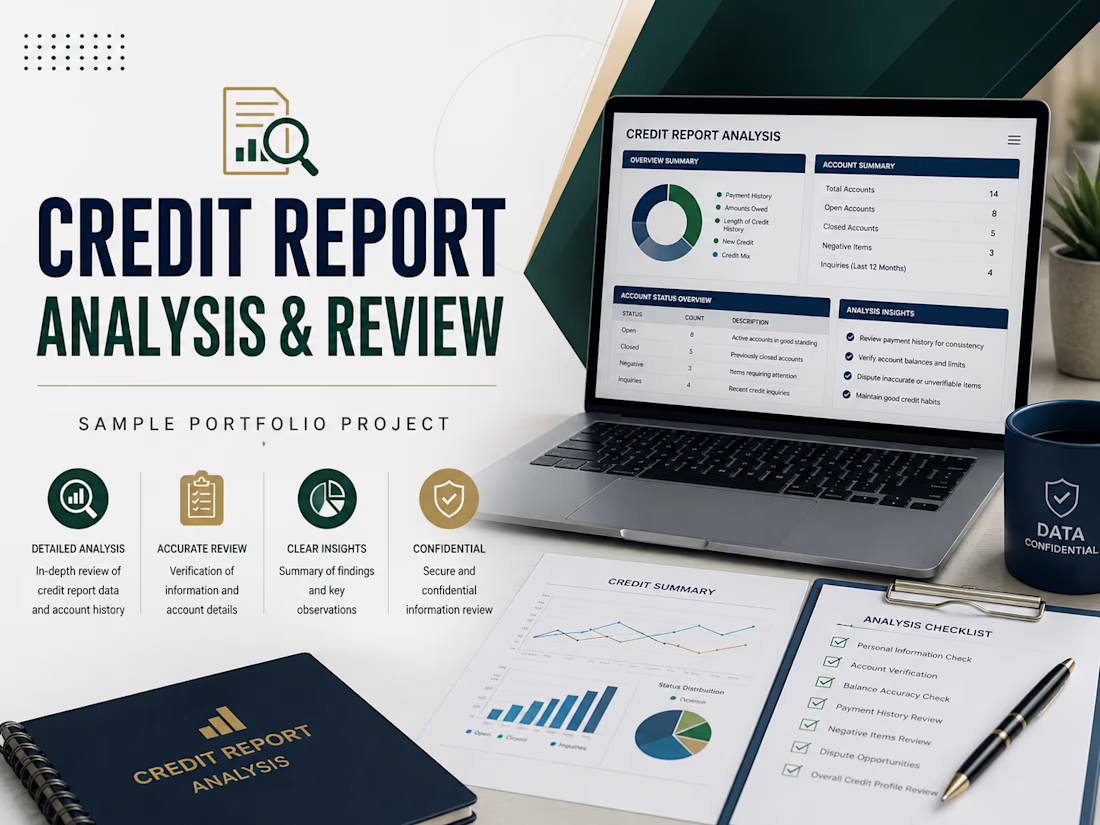
Credit Report Analysis & Review — Sample Case

The network for creativity
Join 1.25M professional creatives like you
Connect with clients, get discovered, and run your business 100% commission-free
Creatives on Contra have earned over $150M and we are just getting started

Challenges
View all


Related posts

Built a simple lead automation workflow
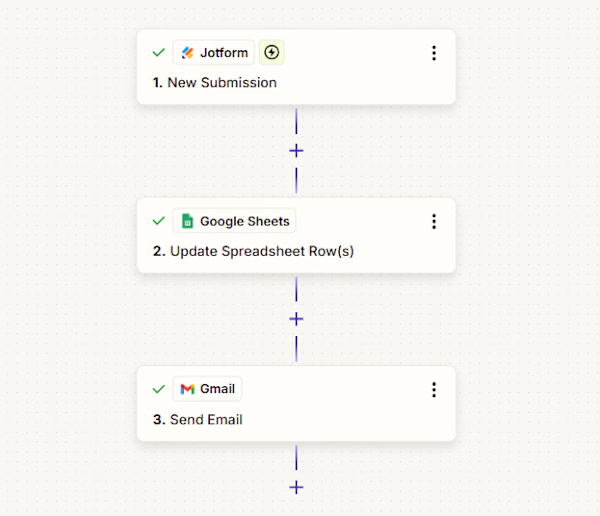
I just created this workflow connecting Jotform, Google Sheets, and Gmail.
The flow is simple:
Jotform submission → Google Sheets → Automatic email
A new submission gets recorded and an email is triggered automatically — no manual updates or follow-ups needed.
I’m enjoying building practical automation workflows like this and exploring different ways to connect everyday business tools.
#Automation #WorkflowAutomation #NoCode #Zapier #Jotform #GoogleSheets #Gmail

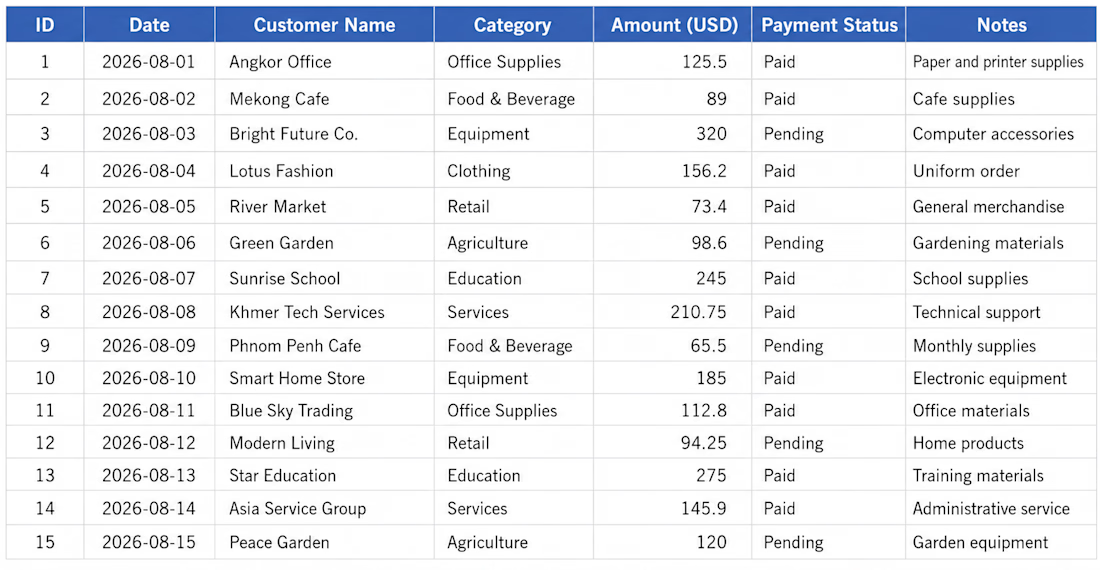
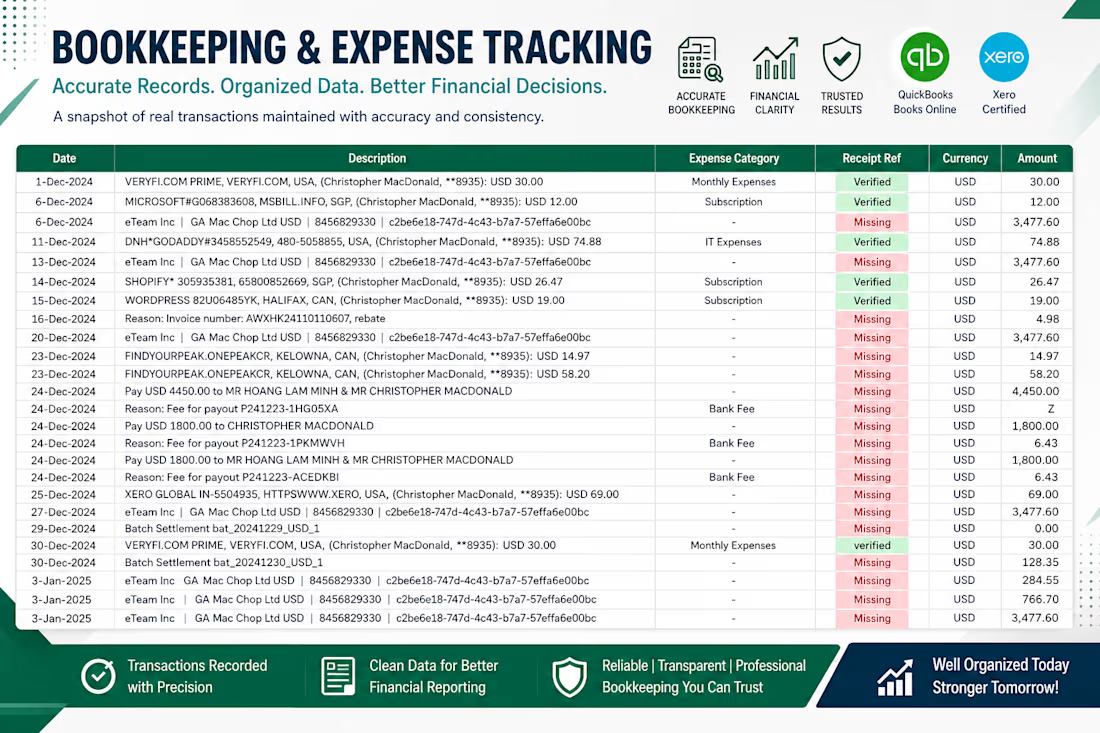
Keeping Financial Data Organized: Why Clean Records Matter
Accurate financial records start with well-organized and properly categorized transactions.
This transaction report demonstrates how businesses can track important details such as:
✅ Transaction dates
✅ Customer/vendor names
✅ Expense categories
✅ Amounts in USD
✅ Payment status — Paid or Pending
✅ Notes and transaction details
Having this information organized in one place makes it easier to track expenses, follow up on pending payments, reconcile accounts, and prepare accurate financial reports.
💡 Key Takeaway:
Good bookkeeping isn't just about recording transactions—it's about creating clear, reliable data that supports better financial decisions.
Whether you're managing a small business or multiple accounts, keeping your records accurate and up to date can save time and prevent costly errors.
How do you manage your transaction records—Excel, Google Sheets, QuickBooks, or another accounting system? 👇
#Bookkeeping #Accounting #Finance #FinancialReporting #DataManagement #Excel #GoogleSheets #QuickBooks #AccountingTips #SmallBusiness #Bookkeeper #FinancialManagement



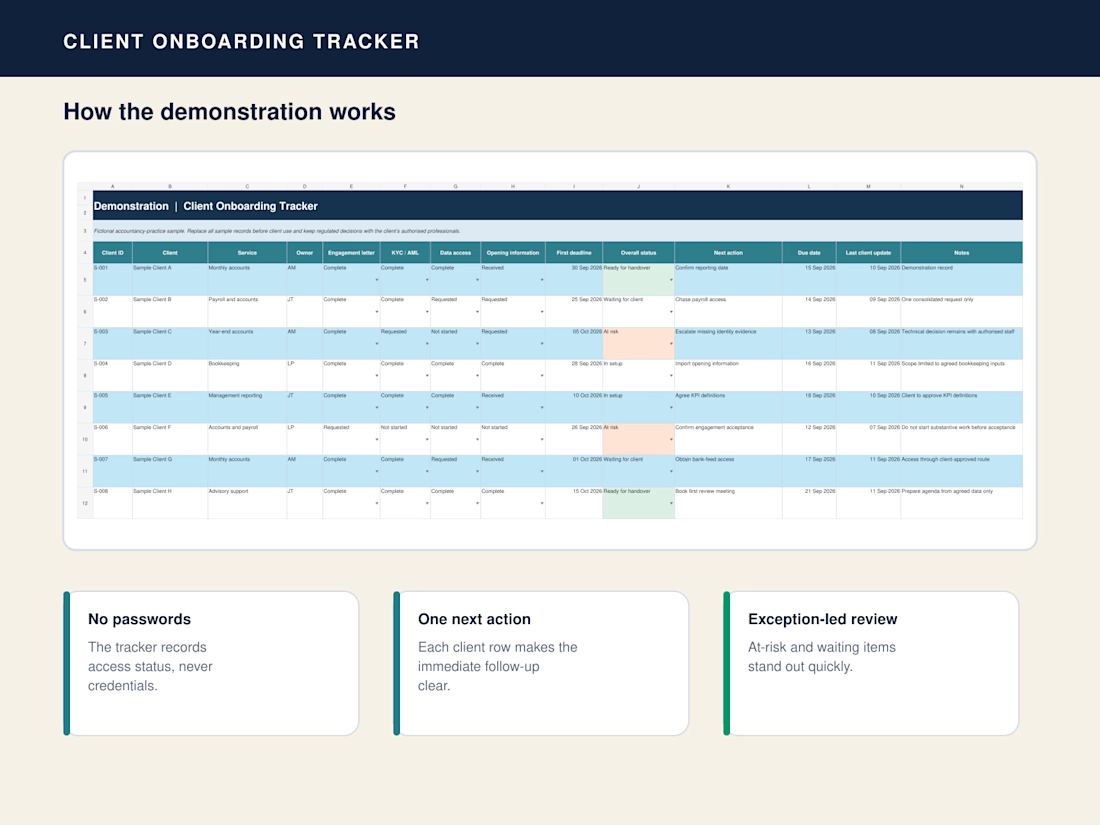
Five questions a client-onboarding tracker should answer in 30 seconds
A client-onboarding tracker is useful only if the team can answer these five questions quickly:
What has been received?
What is still missing?
Who owns the next action?
When is it due?
When did the client last receive an update?
I built this fictional demonstration around those questions. It records access status without storing passwords and keeps technical decisions with the client’s authorised professionals.
For small professional-services teams, the objective is not another spreadsheet. It is a shorter exception review and a cleaner handover.